Quiste pancreático Tratamiento en India — Costos 2026


Revisado médicamente por
Fahad Mawlood
¿Cuál es el precio del diagnóstico y los tratamientos de Quiste pancreático en India? Descubra ahora
Sus beneficios y garantías con Bookimed
Precios directos
Bookimed no añade cargos extra a los precios de los tratamientos de Quiste pancreático. Las tarifas proceden de las listas de precios oficiales de las clínicas. Pagará directamente en la clínica por su tratamiento a su llegada al país.
Sólo clínicas y médicos verificados
Bookimed está comprometido con su seguridad. Solo trabajamos con las clínicas que mantienen altos estándares internacionales en el tratamiento de Quiste pancreático y cuentan con las licencias necesarias para atender a pacientes internacionales en todo el mundo.
Asistencia 24/7 gratuita
Bookimed ofrece asistencia experta gratuita. Un coordinador médico personal le apoya antes, durante y después de su tratamiento, resolviendo cualquier problema. Nunca estará solo en su viaje médico de tratamiento de Quiste pancreático.

Su coordinador médico personal de Bookimed
- Le apoya en cada etapa
- Ayuda a elegir la clínica y el médico adecuados
- Asegura un acceso rápido y conveniente a la información
Descubra las mejores clínicas de tratamiento de Quiste pancreático en India: 8 opciones verificadas y Precios









Instituto de Investigación Fortis Memorial

Fortis Shalimar Bagh

Hospital Indraprastha Apollo
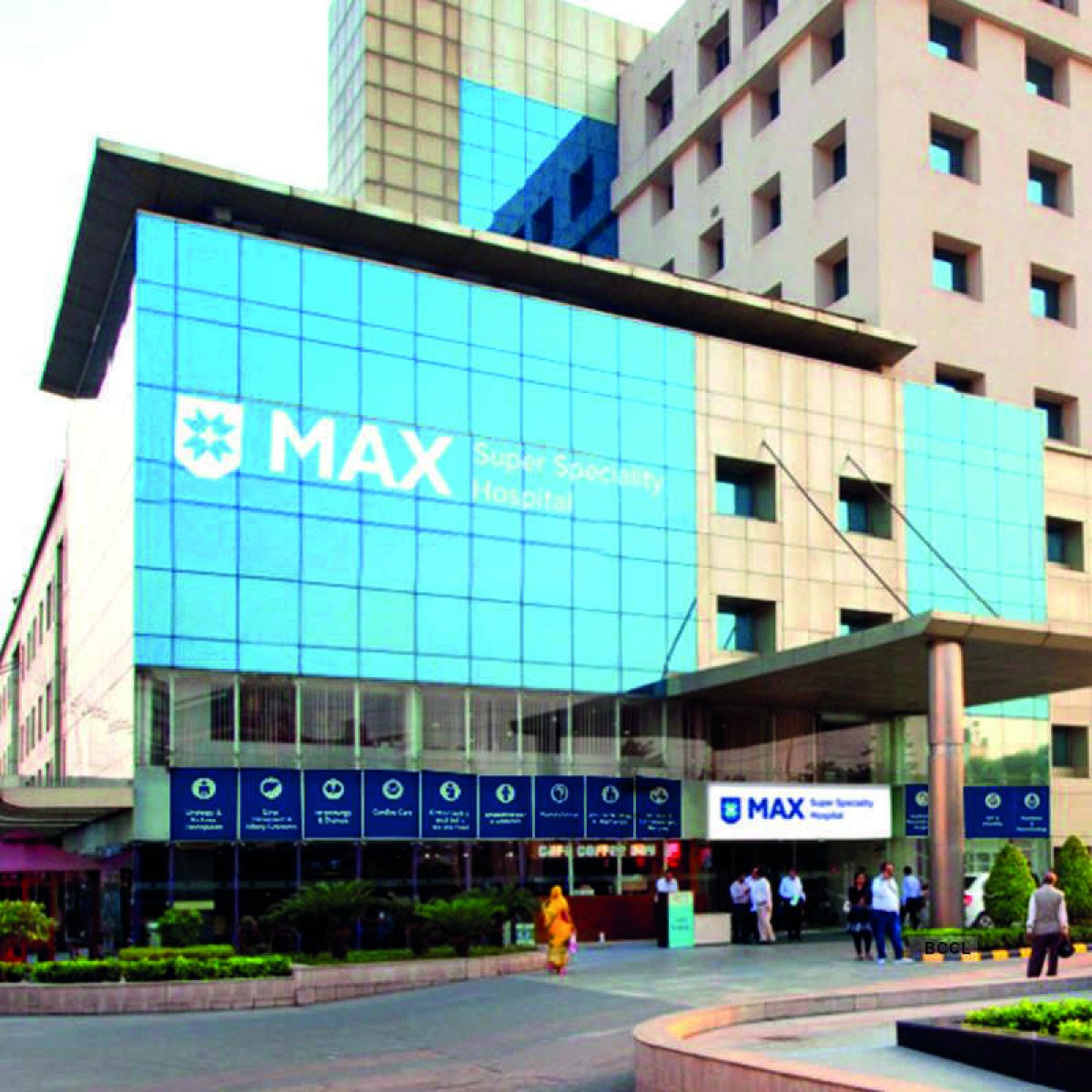
Max Vaishali

MGM Hospital
Obtenga una evaluación médica para Quiste pancreático en India: consulte con doctores experimentados ahora
Ver todos los médicos
Prakash Pandit
El Dr. Pandit se especializa en técnicas avanzadas de oncología radioterápica en el HCG Manavata Cancer Centre, centrándose en tratamientos precisos para quistes pancreáticos.
- Doctor en Medicina (MD) en Oncología Radioterápica con amplia formación
- Experto en tratamientos con Tomotherapy-H y aceleradores lineales
- Ofrece braquiterapia para radioterapia dirigida
Compartir contenido
Historias en video de pacientes de Bookimed
 Olena Sikoza
Preguntas frecuentes sobre el tratamiento de Quiste pancreático en India
¿Es necesario extirpar todos los quistes pancreáticos?
La mayoría de los quistes pancreáticos no requieren extirpación quirúrgica. Muchos son benignos y de crecimiento lento. Los médicos recomiendan la cirugía solo para quistes que muestran características de alto riesgo, como crecimiento rápido, componentes sólidos o tamaños superiores a 3 centímetros. La mayoría de los pacientes se someten a vigilancia mediante resonancia magnética o tomografía computarizada.
- Criterios quirúrgicos: La extirpación se reserva para quistes que causan ictericia, dilatación de los conductos o dolor intenso.
- Umbral de tamaño: Los quistes que superan los 3 centímetros a menudo desencadenan una evaluación quirúrgica más cercana o una intervención inmediata.
- Frecuencia de vigilancia: Los quistes de bajo riesgo generalmente requieren imágenes cada 6 a 24 meses para su monitoreo.
- Lugar de tratamiento: Los centros acreditados por la JCI en Delhi y Gurgaon ofrecen imágenes y cirugía pancreática avanzada.
Perspectiva del experto de Bookimed: Los centros académicos de alto volumen de la India, como el Apollo Hospital Indraprastha, atienden a más de 1.000.000 de pacientes al año. Los grandes volúmenes de pacientes a menudo conducen a un manejo más conservador. Los cirujanos en estas instalaciones pueden evitar procedimientos de Whipple innecesarios mediante el uso de laboratorios de diagnóstico especializados para confir
¿Cómo deciden los médicos en la India si un quiste pancreático es precanceroso o canceroso?
En la India, los gastroenterólogos identifican los quistes pancreáticos precancerosos o cancerosos utilizando las directrices de IAP de Kioto. Los médicos utilizan escáneres de resonancia magnética (IRM) o colangiopancreatografía por resonancia magnética (CPRM) de alta resolución para detectar estigmas de alto riesgo. Estos marcadores incluyen ictericia obstructiva, nódulos murales de más de 5 mm o un conducto pancreático dilatado más allá de los 10 mm.
- Marcadores de imagen: Los cirujanos buscan componentes sólidos o un tamaño de conducto superior a 5 mm.
- Análisis de fluidos: Los médicos realizan una EUS-FNA (ecoendoscopia con punción aspirativa con aguja fina) para analizar los niveles de CEA y comprobar la presencia de mucina.
- Umbrales de tamaño: Los quistes que superan los 3 cm a menudo requieren una evaluación urgente mediante ecoendoscopia.
- Pruebas moleculares: Los centros líderes analizan las mutaciones KRAS/GNAS para predecir el potencial maligno futuro.
Perspectiva del experto de Bookimed: Los pacientes deben priorizar las instalaciones con laboratorios acreditados por JCI y NABL, como el Apollo Hospital Indraprastha o el BLK Super Speciality. Los datos muestran que estos centros manejan volúmenes masivos, con Apollo atendiendo a 1.000.000 de pacientes internacionales al año. Este alto rendimiento garantiza que los patólogos ten
¿Cuáles son los riesgos de retrasar el tratamiento de un quiste pancreático?
Retrasar el tratamiento de un quiste pancreático conlleva el riesgo de transformación maligna en adenocarcinoma invasivo o complicaciones graves como obstrucción biliar y pancreatitis aguda. Los quistes no tratados pueden romperse o causar hemorragias internas. El seguimiento oportuno en centros indios acreditados por la JCI previene estas emergencias y asegura la detección temprana de cambios precancerosos.
- Progresión maligna: Las variantes precancerosas como el IPMN pueden convertirse en cáncer invasivo agresivo con el tiempo.
- Obstrucción del conducto: Los quistes grandes comprimen los conductos biliares, causando ictericia, o bloquean el flujo de enzimas pancreáticas.
- Ruptura aguda: Los quistes en crecimiento pueden estallar, provocando peritonitis potencialmente mortal y hemorragias internas graves.
- Riesgo de infección: El líquido estático dentro de los quistes no controlados puede convertirse en abscesos pancreáticos dolorosos con fiebre alta.
Perspectiva de expertos de Bookimed: El alto volumen de pacientes en centros terciarios indios como el Apollo Hospital Indraprastha, que atiende a más de 1.000.000 de pacientes al año, se correlaciona con una precisión diagnóstica superior. Los especialistas en estos centros suelen utilizar la ecografía endoscópica para identificar nódulos murales que los escaneos generales pasan por alto. El
¿Qué opciones de tratamiento existen para los quistes pancreáticos en la India?
El tratamiento de los quistes pancreáticos en la India incluye vigilancia activa, drenaje endoscópico y resección quirúrgica. Los centros especializados utilizan resonancia magnética de alta resolución y ultrasonido endoscópico para monitorear quistes de bajo riesgo. Los casos sintomáticos o precancerosos requieren cirugía mínimamente invasiva o asistida por robot en instalaciones acreditadas por JCI o NABH.
- Vigilancia activa: Las resonancias magnéticas o tomografías computarizadas regulares monitorean quistes pequeños, asintomáticos y benignos.
- Ultrasonido endoscópico: Los especialistas realizan EUS-FNA para extraer líquido y evaluar el potencial de malignidad.
- Drenaje mínimamente invasivo: Los gastroenterólogos intervencionistas colocan stents para drenar internamente los pseudoquistes no cancerosos.
- Resección quirúrgica: Los cirujanos realizan procedimientos de Whipple o pancreatectomías distales para lesiones precancerosas.
Perspectiva del experto de Bookimed: El análisis muestra que las redes de salud indias como Apollo y Fortis aprovechan volúmenes masivos de pacientes para refinar la precisión quirúrgica. Por ejemplo, Apollo Hospitals opera uno de los programas de trasplante y cirugía compleja más grandes del mundo. Este alto volumen a menudo se traduce en una mayor competencia quirúrgica en pancreatectomías asistidas por robot e
¿Son seguras y están ampliamente disponibles en la India las cirugías pancreáticas complejas como el procedimiento de Whipple?
Las cirugías pancreáticas complejas como el procedimiento de Whipple son seguras y están ampliamente disponibles en centros médicos indios de alto volumen. Estas instalaciones especializadas mantienen tasas de supervivencia superiores al 95% para esta compleja operación. La disponibilidad se concentra en centros importantes como Delhi, Mumbai y Bengaluru dentro de hospitales terciarios acreditados por la JCI.
- Enfoque en alto volumen: Se obtienen mejores resultados en centros que realizan de 15 a 25+ procedimientos de Whipple al año.
- Infraestructura especializada: Los mejores hospitales, como Apollo Indraprastha, utilizan unidades de cuidados intensivos quirúrgicos dedicadas y equipos de oncología.
- Técnicas quirúrgicas: Los centros ofrecen resecciones pancreáticas tradicionales abiertas, laparoscópicas y asistidas por robot.
- Estándares de acreditación: Las instalaciones líderes mantienen una calidad global a través de las acreditaciones hospitalarias JCI y NABH.
Perspectiva del experto de Bookimed: Los datos muestran que la escala del hospital y el volumen de pacientes son los indicadores más fiables de seguridad para la cirugía pancreática en la India. Grandes redes como el Apollo Hospital Indraprastha gestionan más de 1.000.000 de pacientes al año. Aunque las clínicas más pequeñas pueden ofrecer precios más bajos, la amplia infraestruc
¿Cuál es el tiempo de recuperación típico después del tratamiento de un quiste pancreático?
La recuperación completa suele tomar de 1 a 3 meses después del tratamiento quirúrgico. La mayoría de los pacientes retoman sus actividades diarias en un plazo de 4 a 6 semanas. La duración de la recuperación depende de si los cirujanos utilizan monitoreo mínimamente invasivo, drenaje endoscópico o cirugías abdominales mayores como el procedimiento de Whipple.
- Estancia hospitalaria: La cirugía mayor generalmente requiere de 7 a 14 días en el hospital.
- Límites de actividad: Evite levantar más de 10 libras (aprox. 4.5 kg) durante al menos 4 a 6 semanas.
- Ajuste dietético: Los pacientes a menudo consumen de 5 a 6 comidas pequeñas al día para gestionar la digestión.
- Recuperación endoscópica: El drenaje mínimamente invasivo permite el alta en un plazo de 1 a 3 días.
Perspectiva del experto de Bookimed: India ofrece una alta concentración de instalaciones acreditadas por la JCI especializadas en atención abdominal compleja. Centros como el Indraprastha Apollo Hospital y el BLK Super Speciality Hospital gestionan volúmenes inmensos de pacientes. Esta alta frecuencia quirúrgica a menudo se traduce en protocolos postoperatorios refinados que pueden ayudar a estandarizar los tiempos de recuperación para pacientes internacionales.
Consenso de los pacientes: Los pacientes señalan que el alta es solo el primer paso. Muchos enf