Tratamiento de Quiste pancreático en Turquía — obtenga 3 coincidencias personalizadas de clínicas


Revisado médicamente por
Fahad Mawlood
Cómo funciona
¿Cuál es el precio del diagnóstico y los tratamientos de Quiste pancreático en Turquía? Descubra ahora
El costo del tratamiento de quistes pancreáticos en Turquía varía dependiendo de los procedimientos y evaluaciones necesarios. Las consultas y exámenes diagnósticos iniciales suelen oscilar entre 113 € y 169 €, mientras que las pruebas de sangre y bioquímica pueden costar entre 282 € y 940 €. Las técnicas avanzadas de imagen, como las exploraciones PET-CT, cuestan aproximadamente 705 €. Las biopsias por ultrasonido endoscópico (EUS) tienen un precio de alrededor de 3,011 € a 3,764 €. Las intervenciones quirúrgicas mayores, que incluyen una semana de hospitalización y todos los servicios asociados, cuestan alrededor de 14,113 €. El plan de tratamiento se personaliza tras una evaluación exhaustiva por parte de especialistas.
Descubra las mejores clínicas de tratamiento de Quiste pancreático en Turquía: 39 opciones verificadas y Precios




Hospital Lokman Hekim de Estambul (Lokman Hekim Istanbul Hospital)











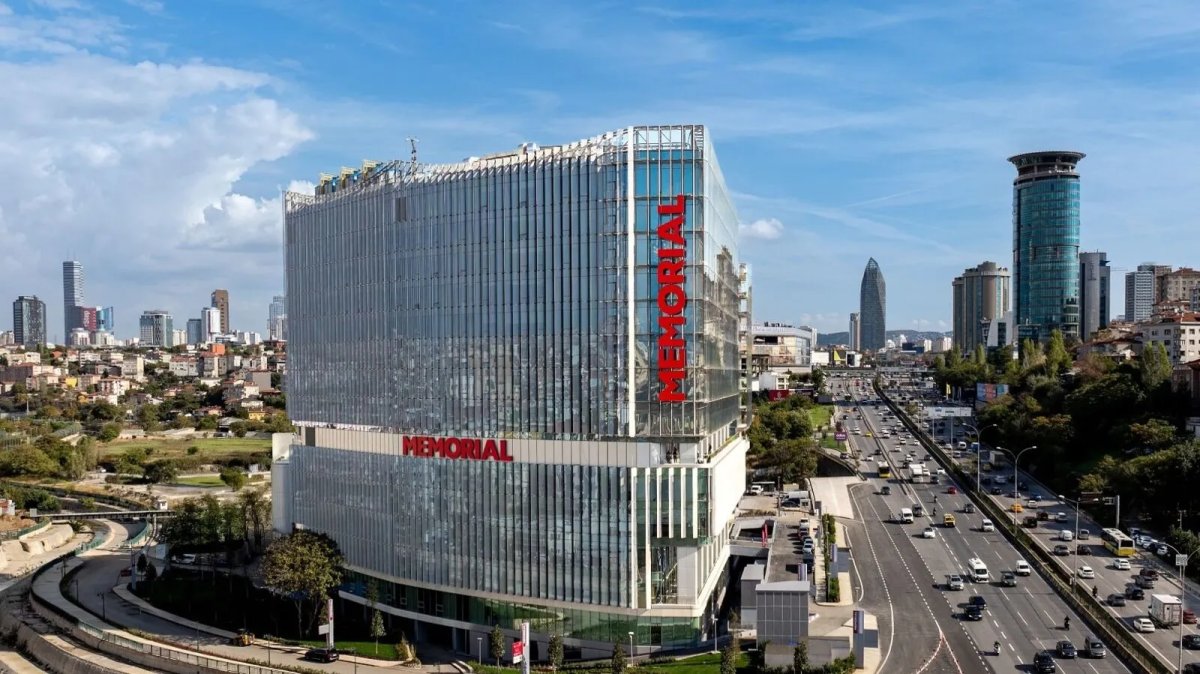
Memorial Göztepe Hospital
Obtenga una evaluación médica de tratamiento de Quiste pancreático en Turquía: haga una consulta con 62 médicos experimentados ahora
Ver todos los médicos
Abdulcabbar Kartal
El Dr. Abdulcabbar Kartal es cirujano colorrectal y general en el Anadolu Medical Center. Se especializa en HIPEC y cirugía bariátrica. Ha realizado más de 500 procedimientos bariátricos. El Dr. Kartal posee la certificación de la Sociedad Europea de Coloproctología (FEBS-C). Trabaja en una clínica afiliada a Johns Hopkins Medicine.
- Ha completado más de 650 operaciones quirúrgicas en los principales hospitales de Turquía.
- Certificado por la Asociación Quirúrgica Turca po
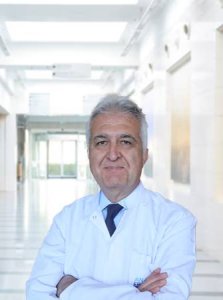
Sedat Karademir
El Dr. Sedat Karademir es cirujano general especializado en cirugía hepatopancreatobiliar (HPB) y trasplante hepático. Desde 2024 es especialista en cirugía general y coordinador del departamento en Anadolu Medical Centre Hospital. Anteriormente dirigió el Trasplante de Órganos y la Cirugía HPB en Ankara Güven Hospital.
Se graduó en la Facultad de Medicina de la Universidad de Ege (1979–1985). Completó la residencia en el Hospital de Formación e Investigación Atatürk de Esmirna (1988–1

Samet Yardimci
El Prof. Dr. Samet Yardımcı es un destacado especialista en cirugía bariátrica y metabólica con una notable experiencia en procedimientos quirúrgicos gastroenterológicos.
- Formado en cirugía oncológica y trasplantes de órganos en el MD Anderson Cancer Center, Houston
- Certificado en Cirugía Gastroenterológica (cirugía del sistema digestivo)
- Anteriormente trabajó en el Hospital de Investigación y Formación Pendik de la Universidad de Mármara

Ibrahim Aliosmanoglu
Realizó más de 2000 cirugías hepatobiliares con una tasa de éxito del 95%: el Dr. Aliosmanoglu se especializa en procedimientos complejos de páncreas e hígado en Medical Park Antalya.
- Completó más de 1000 cirugías de trasplante de hígado con un 90% de éxito
- Profesor y exdirector de la Unidad de Trasplantes de la Universidad de Akdeniz
- Formado en el reconocido programa de Cirugía General de la Universidad de Başkent
- Publicó investigaciones sobre la protección contra daños pancreáticos y hepáticos
Compartir contenido
Historias en video de pacientes de Bookimed
 Olena Sikoza
Preguntas frecuentes sobre el tratamiento de Quiste pancreático en Turquía
¿Por qué elegir Turquía para el tratamiento de un quiste pancreático?
Turquía es un destino líder para el tratamiento de quistes pancreáticos gracias a sus hospitales con acreditación JCI y su experiencia quirúrgica especializada. Instituciones como el Anadolu Medical Center, afiliado a Johns Hopkins, ofrecen herramientas de diagnóstico de vanguardia. Los pacientes se benefician de tiempos de espera cortos y acceso inmediato a equipos multidisciplinarios en Estambul.
- Cirujanos expertos: El profesor Kıvanç Derya Peker ha realizado más de 400 operaciones de páncreas en Estambul.
- Diagnóstico avanzado: Los centros ofrecen ultrasonido endoscópico y colangiopancreatografía por resonancia magnética (CPRM) para un seguimiento preciso de los quistes pancreáticos.
- Sistemas robóticos: El hospital Memorial Şişli utiliza la robótica da Vinci XI para procedimientos mínimamente invasivos.
- Atención acreditada: El Anadolu Medical Center cuenta con certificaciones OECI y ESMO por sus altos estándares en atención oncológica.
Opinión experta de Bookimed: Los datos muestran una alta concentración de departamentos hepatopancreatobiliares especializados en Estambul. El profesor Kıvanç Derya Peker cofundó un departamento especializado precisamente para estos casos complejos. Esta especialización garantiza que los cirujanos traten a cientos de pacientes con patologías pancreáticas cada año. Este volumen es un indicador crítico de
¿Qué tipos de tratamiento están disponibles en Turquía?
Turquía ofrece tratamientos avanzados para quistes pancreáticos, incluyendo ultrasonido endoscópico con aspiración con aguja fina, cirugía robótica y resecciones laparoscópicas. Los hospitales acreditados por la JCI en Estambul brindan atención especializada a través de equipos multidisciplinarios. Estos centros utilizan imágenes modernas para la vigilancia y cirugías complejas como el procedimiento de Whipple para lesiones preocupantes.
- Imágenes diagnósticas: Las resonancias magnéticas y tomografías computarizadas de alta resolución monitorean cambios en quistes pequeños y estables.
- Estudio endoscópico: Los especialistas utilizan EUS-FNA para tomar muestras de líquido y determinar el riesgo de malignidad.
- Cirugía mínimamente invasiva: Las técnicas robóticas y laparoscópicas permiten la extirpación de tumores con una recuperación más rápida.
- Procedimientos complejos: Cirujanos experimentados realizan procedimientos de Whipple en centros como el Hospital Medicana International de Ankara.
Perspectiva del experto de Bookimed: El volumen de pacientes a menudo señala experiencia especializada en Estambul. El Hospital Memorial Ataşehir reporta una tasa de éxito del 99,5% en trasplantes de hígado complejos. Esta competencia quirúrgica de alto volumen generalmente se traduce en mejores resultados para procedimientos pancreáticos técnicamente ex
¿Cuándo se recomienda la cirugía?
La cirugía para quistes pancreáticos se recomienda cuando las imágenes revelan características de alto riesgo como componentes sólidos o nódulos murales. Los especialistas turcos intervienen si los quistes superan los umbrales de tamaño o causan pancreatitis recurrente. Los cirujanos priorizan los procedimientos cuando el análisis del fluido sugiere malignidad o si el quiste comprime el conducto pancreático principal.
- Indicadores de riesgo: Las paredes engrosadas o los nódulos sólidos a menudo requieren una intervención quirúrgica inmediata.
- Afectación ductal: La cirugía es necesaria cuando el conducto pancreático principal se dilata significativamente.
- Incertidumbre diagnóstica: Las lesiones indeterminadas a menudo se someten a resección para descartar cáncer subyacente.
- Manejo de síntomas: El dolor persistente o la ictericia suelen cambiar el manejo de la observación a la cirugía.
Perspectiva de expertos de Bookimed: Aunque el tamaño es un factor, los protocolos quirúrgicos turcos priorizan los comités de tumores multidisciplinarios. El Prof. Dr. Kivanc Derya Peker ha realizado más de 400 cirugías pancreáticas. Su experiencia sugiere que la ubicación determina la complejidad. Los quistes en la cabeza del páncreas requieren el procedimiento de Whipple. Aquellos en la cola utilizan pancreatectomías distales más simples. Este matiz afect
¿Todos los quistes pancreáticos son cancerosos?
La mayoría de los quistes pancreáticos no son cancerosos y permanecen benignos durante toda la vida del paciente. Menos del 1% de los quistes son malignos en el momento de su detección. Sin embargo, alrededor del 30% son precancerosos. Requieren una vigilancia médica activa mediante imágenes (TC o RM) para garantizar que no se vuelvan cancerosos.
- Prevalencia de cáncer: Menos del 1% de los quistes son cancerosos cuando los médicos los detectan por primera vez.
- Riesgo precanceroso: Hasta el 30% de las lesiones pueden convertirse en cáncer con el tiempo.
- Detección incidental: Los quistes se descubren en el 20% de las personas mayores de 60 años durante exploraciones realizadas por otros motivos.
- Umbral de seguimiento: Los médicos vigilan cuidadosamente los quistes de más de 2 centímetros para detectar crecimiento o cambios.
Opinión de expertos de Bookimed: Los centros oncológicos turcos, como el Anadolu Medical Center y Memorial Sisli, utilizan departamentos especializados en hepatopancreatobiliar (HPB). El profesor Kivanc Derya Peker ha realizado más de 400 operaciones de páncreas. Esta gran experiencia es fundamental, ya que los cirujanos experimentados distinguen mejor los pseudoquistes benignos de los tumores neoplásicos. Los centros acreditados por la JCI suelen contar con juntas oncológicas multidisciplinarias para revisar casos comp