Polirradiculoneuritis Tratamiento en China — Costos 2026


Revisado médicamente por
Fahad Mawlood
¿Cuál es el precio del diagnóstico y los tratamientos de Polirradiculoneuritis en China? Descubra ahora
| China | España | Turquía | |
|---|---|---|---|
| Plasmaféresis | ≈ $2,200 | de $12,300 | de $3,200 |
| Intercambio de plasma | ≈ $2,400 | ≈ $2,400 | ≈ $3,900 |
| Aféresis terapéutica | ≈ $900 | ≈ $1,400 | de $4,500 |
Sus beneficios y garantías con Bookimed
Precios directos
Bookimed no añade cargos extra a los precios de los tratamientos de Polirradiculoneuritis. Las tarifas proceden de las listas de precios oficiales de las clínicas. Pagará directamente en la clínica por su tratamiento a su llegada al país.
Sólo clínicas y médicos verificados
Bookimed está comprometido con su seguridad. Solo trabajamos con las clínicas que mantienen altos estándares internacionales en el tratamiento de Polirradiculoneuritis y cuentan con las licencias necesarias para atender a pacientes internacionales en todo el mundo.
Asistencia 24/7 gratuita
Bookimed ofrece asistencia experta gratuita. Un coordinador médico personal le apoya antes, durante y después de su tratamiento, resolviendo cualquier problema. Nunca estará solo en su viaje médico de tratamiento de Polirradiculoneuritis.

Su coordinador médico personal de Bookimed
- Le apoya en cada etapa
- Ayuda a elegir la clínica y el médico adecuados
- Asegura un acceso rápido y conveniente a la información
Descubra las mejores clínicas de tratamiento de Polirradiculoneuritis en China: 2 opciones verificadas y Precios


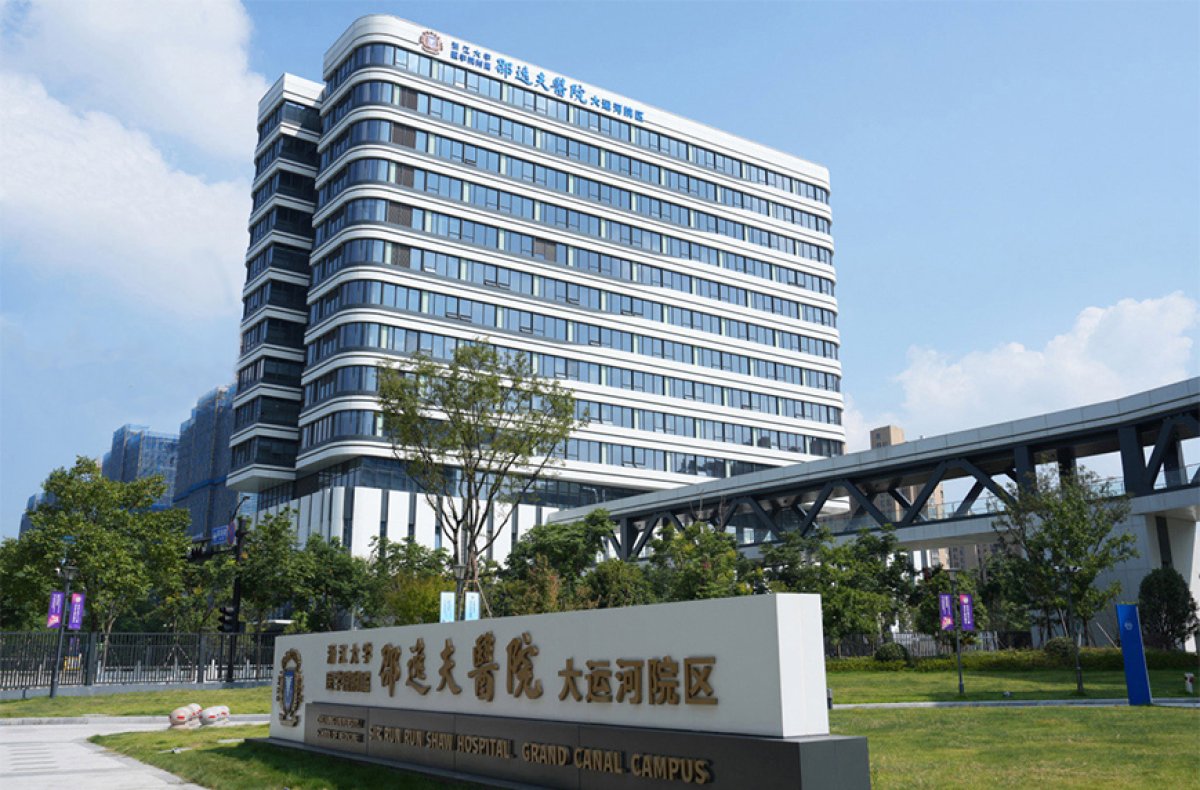
Obtenga una evaluación médica para Polirradiculoneuritis en China: consulte con doctores experimentados ahora
Ver todos los médicos
Liang Xiaoxiao
La profesora Liang Xiaoxiao es Directora del Departamento y Jefa de Servicio de Neurorrehabilitación. Cuenta con una maestría en neurología. Es experta en neuromodulación para trastornos de la conciencia, la cognición y el movimiento. Su labor se centra en casos de enfermedad cerebrovascular, enfermedad de Parkinson y afecciones relacionadas. También realiza inyecciones de toxina botulínica guiadas por ecografía para el blefaroespasmo, el espasmo hemifacial, la espasticidad de las extremidade
Compartir contenido
Historias en video de pacientes de Bookimed
 Olena Sikoza
Preguntas frecuentes sobre el tratamiento de Polirradiculoneuritis en China
¿Cuáles son los tratamientos estándar de primera línea para la polirradiculoneuritis aguda en los hospitales chinos?
En los hospitales chinos, los tratamientos estándar para la polirradiculoneuritis aguda incluyen inmunoglobulina intravenosa y plasmaféresis. Los principales centros especializados acreditados por la JCI inician estos procedimientos inmunoterapéuticos dentro de las 24 horas posteriores al diagnóstico. Estos protocolos buscan neutralizar los anticuerpos patógenos para prevenir la insuficiencia respiratoria y el daño nervioso irreversible.
- Inmunoglobulina intravenosa: La dosis estándar es de 0,4 g/kg al día durante 5 días consecutivos.
- Plasmaféresis: En casos graves, los hospitales realizan de 4 a 5 procedimientos en un período de dos semanas.
- Unidad de Cuidados Intensivos Neurológicos: Los equipos de la unidad de cuidados intensivos neonatales monitorizan las constantes vitales y controlan las fluctuaciones de la presión arterial en el sistema nervioso autónomo.
- Terapia neurotrófica: Los protocolos clínicos incluyen mecobalamina y vitaminas del grupo B para promover la reparación de la vaina nerviosa.
Opinión de expertos de Bookimed: Si bien muchas instituciones se centran en estabilizar a los pacientes en la fase aguda, las clínicas de nivel III con certificación Clase A, como el Hospital Internacional Janda, ofrecen una clara ventaja al integrar los protocolos internacionales de la JCI con departamentos de rehabilitación especializados.
¿Cómo tratar la insuficiencia respiratoria en la polirradiculoneuritis que afecta la respiración?
La insuficiencia respiratoria asociada a la polirradiculoneuritis requiere monitorización continua en la unidad de cuidados intensivos y soporte mecánico. El tratamiento se centra en estabilizar la respiración y, simultáneamente, tratar la inflamación nerviosa. Los médicos priorizan la intubación precoz cuando disminuye la capacidad pulmonar. Este enfoque previene el paro cardíaco repentino y protege las vías respiratorias de la aspiración.
- Monitorización en la unidad de cuidados intensivos: Los equipos clínicos monitorizan la capacidad vital forzada y la fuerza muscular.
- Ventilación artificial: Los respiradores asumen la función de respirar a través de tubos endotraqueales o una traqueostomía.
- Proteger las vías respiratorias: Aspirar la mucosidad con frecuencia y usar dispositivos para la tos puede ayudar a prevenir la neumonía.
- Inmunoterapia: La plasmaféresis o intercambio de plasma elimina los anticuerpos dañinos, previniendo así el daño nervioso.
Opinión de expertos de Bookimed: El Hospital Internacional Yanda en Pekín es un hospital de categoría A, nivel III, el más alto de China. Estos hospitales combinan cuidados neurocríticos de alta calidad con rehabilitación avanzada. Con 3000 camas, estos centros están mejor equipados para gestionar el proceso complejo de desconexión del ventilador que las clínicas más pequeñas. La desconexión
¿Cuál es el papel de la medicina tradicional china (MTC) en el tratamiento de la polirradiculoneuritis?
La medicina tradicional china (MTC) se utiliza como terapia complementaria para la polirradiculoneuritis durante las etapas de recuperación y rehabilitación crónica. Su objetivo es restaurar la función nerviosa y aliviar el dolor tras la estabilización de la respuesta inmunitaria con métodos de inmunoterapia occidentales de primera línea, como la inmunoglobulina intravenosa (IGIV). La integración de la MTC se produce principalmente en departamentos especializados de neurología y rehabilitación.
- Secuencia de fases: La medicina occidental detiene la inflamación aguda, mientras que la medicina tradicional china promueve la restauración a largo plazo del sistema neuromuscular.
- Estimulación mediante acupuntura: Las agujas finas activan factores neurotróficos que promueven la regeneración axonal y mejoran la circulación sanguínea.
- Decocciones de hierbas: Las fórmulas especialmente elaboradas, como Huangqi Guizhi Wuwu, ayudan a combatir la atrofia muscular y el dolor neuropático.
- Integración clínica: En las instituciones médicas acreditadas por la JCI, los pacientes son transferidos a un tratamiento integrado una vez que el sistema nervioso autónomo se ha estabilizado.
Opinión de expertos de Bookimed: Los indicadores de calidad para un tratamiento integral en China suelen estar relacionados con la clasificación hospitalaria. Las instituciones de
¿Se utiliza la acupuntura para tratar la polirradiculoneuritis en China?
La acupuntura es un método de rehabilitación estándar para la polirradiculoneuritis en China. Se utiliza en combinación con tratamientos modernos como la inmunoglobulina intravenosa o la plasmaféresis. Los médicos la prescriben durante la fase de recuperación estable. Este enfoque integral busca acelerar la regeneración nerviosa y prevenir la atrofia muscular.
- Regeneración nerviosa: La electroacupuntura estimula las células de Schwann, favoreciendo la restauración de la vaina de mielina y los axones.
- Tono muscular: Las sesiones se centran en trabajar los puntos motores para mantener la fuerza muscular y reducir la espasticidad.
- Alivio del dolor: La acupuntura ayuda a reducir la actividad de las vías del dolor, aliviando el entumecimiento neuropático y la parestesia.
- Protocolo de tratamiento: El tratamiento se inicia únicamente después de que la afección aguda se haya estabilizado y controlado.
Opinión de los expertos de Bookimed: Los principales centros chinos, como el Hospital Internacional Yanda, combinan protocolos internacionales con enfoques tradicionales. Su enorme tamaño, que les permite tratar a 2.500.000 pacientes al año, garantiza una profunda especialización en afecciones neurológicas complejas. Los pacientes se benefician de este gran volumen de trabajo, ya que los médicos tienen más probabilidades de observar casos excepciona
¿Qué centros de rehabilitación modernos existen en China para el tratamiento de la polirradiculoneuritis?
Los principales centros de rehabilitación chinos para el tratamiento de la polirradiculoneuritis utilizan clínicas acreditadas por la JCI y centros nacionales de investigación. Estas instalaciones combinan la neurorrobótica y la medicina hiperbárica con la acupuntura tradicional. Centros clave, como el Hospital Internacional Yanda, ofrecen servicios médicos de nivel III (Clase A) para la rehabilitación integral de los nervios periféricos.
- Terapia robótica: Utiliza exoesqueletos para simular movimientos y reconectar las vías neuronales.
- Protocolos integradores: combinan la fisioterapia occidental con la acupuntura dirigida para acelerar la conducción motora.
- Equipamiento especializado: Incluye estimulación neuromuscular y herramientas de entrenamiento multiarticular de alta calidad para combatir la atrofia muscular.
- Medicina hiperbárica: uso de cámaras hiperbáricas de oxígeno para estimular la reparación del tejido nervioso y el metabolismo.
Opinión de expertos de Bookimed: El Hospital Internacional Yanda atiende a 2.500.000 pacientes anualmente, utilizando más de 28.500 tecnologías modernas. Los datos demuestran que los hospitales de categoría III (Clase A) en China brindan atención multidisciplinaria de alta calidad. Estos centros logran cerrar la brecha entre los cuidados intensivos y la rehabilitación motora a largo plazo.
¿Qué remedios a base de hierbas se suelen prescribir durante la rehabilitación tras una polirradiculoneuritis?
La rehabilitación china para la polirradiculoneuritis integra la medicina tradicional china (MTC) para acelerar la regeneración nerviosa. Los médicos suelen prescribir complejos a base de astrágalo y fórmulas que contienen salvia roja y raíz de regaliz. Estos remedios buscan estimular la circulación, reducir la inflamación nerviosa y aliviar los trastornos del movimiento durante el período de recuperación.
- Hierbas neuroprotectoras: La ashwagandha y el brahmi promueven la regeneración celular y mejoran la transmisión de las señales nerviosas dañadas.
- Tónicos circulatorios: La salvia roja (Salvia) y la raíz de peonía roja mejoran el flujo sanguíneo a las zonas afectadas.
- Antiinflamatorio: La cúrcuma y la boswellia ayudan a aliviar el dolor neuropático y a reducir la rigidez articular.
- Hierbas personalizadas: Las mezclas personalizadas suelen incluir ginseng y raíz de angélica para obtener beneficios que aumentan la energía.
Opinión de expertos de Bookimed: El Hospital Internacional Yanda de Pekín ejemplifica una tendencia creciente en la neurología china. Combina protocolos de seguridad internacionales acreditados por la JCI con tratamientos tradicionales a base de hierbas. Esta integración permite a los especialistas de estas clínicas de categoría A y nivel III monitorizar a 2.500.000 pacientes anualmente para detectar posibles interaccion