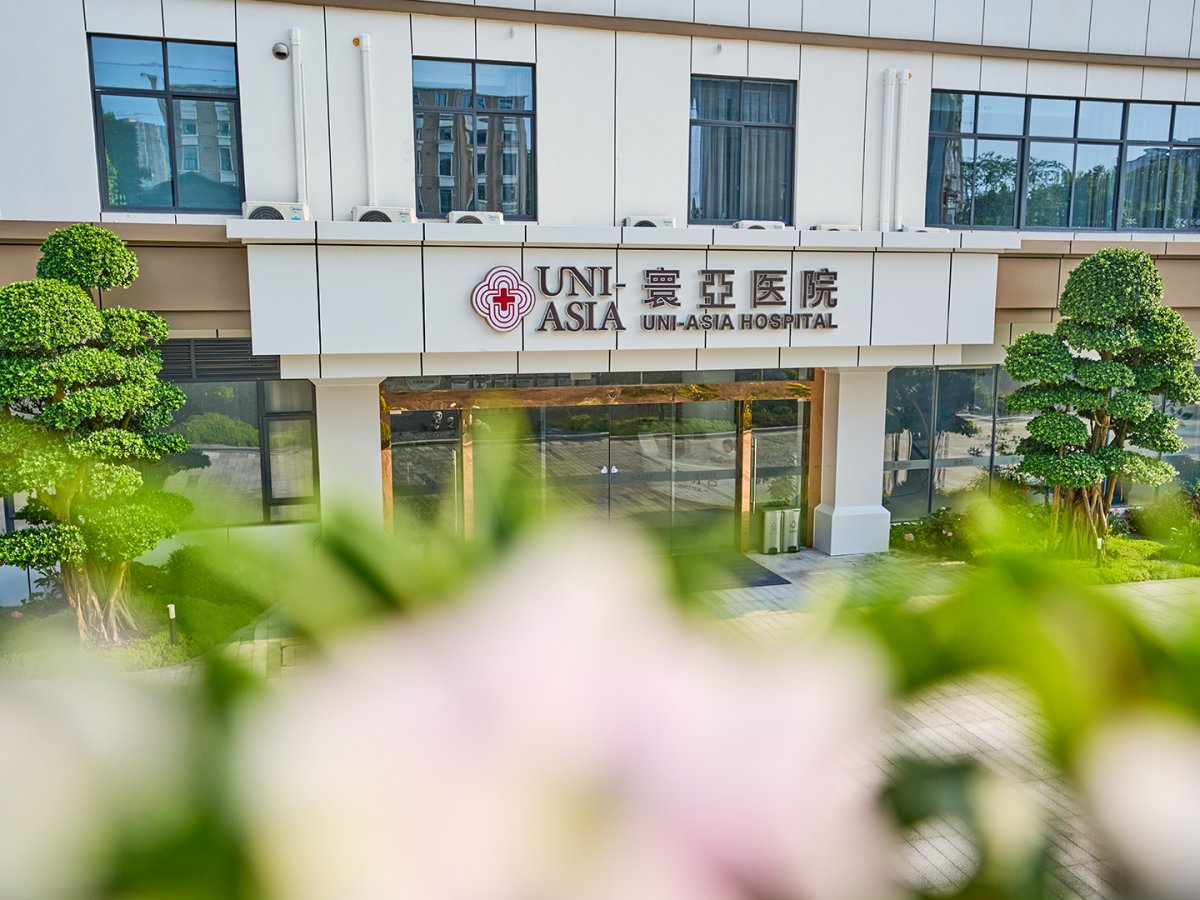
Fuda Cancer Hospital
China, Cantón


Revisado médicamente por
Fahad Mawlood
El costo del tratamiento del cáncer de intestino delgado en China suele oscilar entre $6,500 y $12,000 para intervenciones quirúrgicas primarias. Los gastos dependen de la etapa de la enfermedad, los protocolos de terapia específicos y el nivel del hospital. Los pacientes internacionales pueden esperar ahorros del 60% al 80% en comparación con los Estados Unidos. Guangzhou y Xiamen son ciudades líderes que brindan atención oncológica especializada para esta afección.
Costos típicos del tratamiento del cáncer de intestino delgado en China
Perspectiva de los expertos de Bookimed: Los pacientes en etapas avanzadas encuentran la mejor relación calidad-precio en centros especializados como el Fuda Cancer Hospital. Ofrecen más de 10 opciones mínimamente invasivas, incluyendo NanoKnife y criocirugía. Esto es ideal para quienes buscan alternativas a la quimioterapia tradicional. Para los casos que requieren radiación compleja, el Xiamen Humanity Hospital ofrece tecnologías avanzadas como VMAT y SBRT. Estos centros acreditados por la JCI ofrecen atención de alta tecnología a tarifas internacionales competitivas.
| China | España | Turquía | |
|---|---|---|---|
| Resección del intestino delgado | ≈ $6,500 | de $12,300 | de $6,500 |
| Radioterapia para el cáncer de colon | ≈ $10,500 | de $5,000 | ≈ $5,800 |
| Radioterapia para el cáncer colorrectal | ≈ $11,500 | de $7,500 | de $5,000 |
| Quimioterapia para el cáncer de mama | ≈ $14,800 | de $1,700 | de $3,000 |
| Quimioterapia intraperitoneal hipertérmica (HIPEC) | ≈ $9,000 | de $81,800 | de $18,000 |
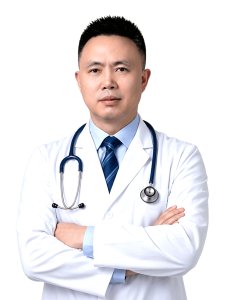
Médico jefe y profesor. Experto de nivel 1 en el Centro Oncológico del West China Hospital, Sichuan University (clasificado n.º 2 en China). Completó un posdoctorado en radiología intervencionista en el Chinese PLA General Hospital. Dirige equipos multidisciplinarios (MDT) para tumores complejos. Experto en oncología intervencionista mínimamente invasiva para cánceres de hígado, pulmón y páncreas.
Acreditaciones: Miembro del consejo, WATA. Miembro de los comités de CACA y CMDA sobre in

El profesor Luo Xiaoping es un radiólogo intervencionista reconocido a nivel nacional y una autoridad destacada en el oeste de China. Comenzó a realizar intervenciones vasculares pioneras a principios de la década de 1990. Ayudó a fundar el Grupo de Intervencionismo del Segundo Hospital Afiliado de la Universidad Médica de Chongqing.
Ha realizado más de 100 000 procedimientos intervencionistas, incluidos unos 4 000 casos complejos. Sus competencias clave incluyen TACE para el carcinoma
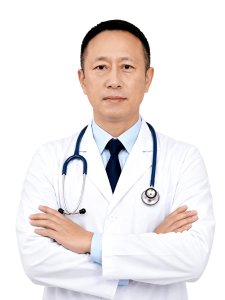
El Dr. He Weibing es pionero de la crioablación con argón‑helio en China, con más de 20 años de práctica en primera línea. Fue miembro fundador del Hospital Oncológico Fuda (Guangzhou). Cofundó su Centro de Tratamiento Tumoral Mínimamente Invasivo y fue subdirector ejecutivo. También ayudó a crear el Grupo de Ablación de la Asociación China contra el Cáncer. Ha sido operador principal en más de 10.000 procedimientos.
Se especializa en crioablación tumoral y domina la braquiterapia con

El profesor Xiao Yueyong es médico jefe del Departamento de Radiodiagnóstico del Hospital General del EPL de China. Es un experto líder en oncología intervencionista mínimamente invasiva. Es el primer presidente de WATA (2025–). Preside la Sociedad Internacional (2020–) y la Sociedad Asiática (2012–) de Crioterapia. También es subjefe del Grupo de Expertos de la NHC sobre regulaciones de ablación tumoral (2009–).
Ha realizado más de 100 000 procedimientos mínimamente invasivos guiados
 Olena Sikoza
El tratamiento principal para el cáncer de intestino delgado en China se centra en la resección quirúrgica y terapias mínimamente invasivas avanzadas. Los centros oncológicos de alto volumen priorizan la resección R0, utilizando a menudo técnicas laparoscópicas o robóticas para una recuperación más rápida. Los centros especializados también utilizan ablación local y quimioterapia intraperitoneal hipertérmica para manejar casos avanzados.
Perspectiva del experto de Bookimed: Los datos de los pacientes destacan una tendencia significativa en centros especializados como el Fuda Cancer Hospital en Guangzhou. Mientras que los protocolos estándar siguen la cirugía con quimioterapia, estos centros sustituyen con éxito los fármacos sistémicos por tecnologías ablativas mínimamente invasivas. Este enfoque es particularmente e
La ubicación del tumor dentro del intestino delgado dicta directamente el enfoque quirúrgico y su complejidad. Los tumores en la parte superior del duodeno a menudo requieren procedimientos complejos de múltiples órganos, como la operación de Whipple. Por el contrario, los tumores en el yeyuno o el íleon suelen permitir resecciones intestinales estándar y reconexiones directas.
Perspectiva del experto de Bookimed: Los centros de alto volumen como el Fuda Cancer Hospital en Guangzhou utilizan técnicas avanzadas como NanoKnife para tumores en áreas anatómicamente complejas. Nuestros datos muestran que estas instalaciones a menudo gestionan más de 30.000 pacientes internacionales. Esta experiencia especializada es fundamental para los casos duodenales donde la cirugía tradicional conlleva un alto riesgo.
Consenso de los pacientes: Los pacientes señalan que los tumores ub
Los principales centros oncológicos chinos en Guangzhou y Pekín se especializan en el tratamiento del cáncer de intestino delgado avanzado o irresecable. Estas instalaciones acreditadas por la JCI utilizan criocirugía y NanoKnife para atacar tumores inoperables. Equipos multidisciplinarios especializados integran la quimioterapia intraperitoneal hipertérmica (HIPEC) con intervención vascular para casos complejos.
Perspectiva del experto de Bookimed: Los datos muestran que el Fuda Cancer Hospital ha tratado a más de 30,000 pacientes de 100 países. Su enfoque cambia de la cirugía tradicional a la hipertermia por microondas y la criocirugía para casos en etapas avanzadas. Este enfoque específico en la destrucción local mínimamente invasiva es un diferenciador clave para tumores irresecables.
Consenso de los pacie
El modelo 3C+P para cánceres gastrointestinales en China es una estrategia de gestión multidisciplinaria integral. Integra la quimioterapia tradicional, la medicina tradicional china y los cuidados de apoyo con la medicina de precisión. Este protocolo tiene como objetivo reducir los efectos secundarios de la terapia mientras se dirige a marcadores moleculares específicos en tumores avanzados.
Perspectiva del experto de Bookimed: Aunque existen varias versiones de 3C+P, los centros acreditados por la JCI como el Fuda Cancer Hospital enfatizan la integración tecnológica. Combinan pilares tradicionales con terapias mínimamente invasivas avanzadas como la criocirugía o el NanoKnife. Esta experiencia de alto volumen es crítica para condiciones raras como el cáncer de intestino delgado. Centros como el Xiamen Hum
La Medicina Tradicional China se integra en el tratamiento del cáncer de intestino delgado como terapia de apoyo junto con la cirugía y la quimioterapia. Ayuda a controlar síntomas como las náuseas y la fatiga. Las clínicas acreditadas por la JCI, como el Fuda Cancer Hospital, se centran en la oncología integrativa. Los protocolos estándar priorizan la resección del tumor antes de añadir apoyo a base de hierbas.
Perspectiva del experto de Bookimed: Aunque los hospitales chinos atienden a miles de pacientes internacionales, los niveles de integración varían según el centro. Los centros de élite como el Fuda Cancer Hospital combinan intervenciones mínimas como la criocirugía con consultas de MTC. Este enfoque híbrido a menudo atrae a pacientes que buscan alternativas cuando la quimioterapia sistémica estándar resulta de