Robotic Surgery Center in St. Zdislava Hospital
República Checa, Velke Mezirici
Jaroslav Tvaruzek
36 años de experiencia

Clínica certificada por : 


Revisado médicamente por
Fahad Mawlood
De $760. Las intervenciones quirúrgicas primarias, como la resección del intestino delgado, cuestan entre $6,500 y $10,000. Los gastos totales dependen del estadio del cáncer y de la necesidad de terapias adyuvantes. Los pacientes suelen ahorrar entre un 50 y un 80% en comparación con los precios de EE. UU. Los principales centros de tratamiento incluyen Praga, Brno y Horovice.
Costos típicos del tratamiento del cáncer de intestino delgado en la República Checa
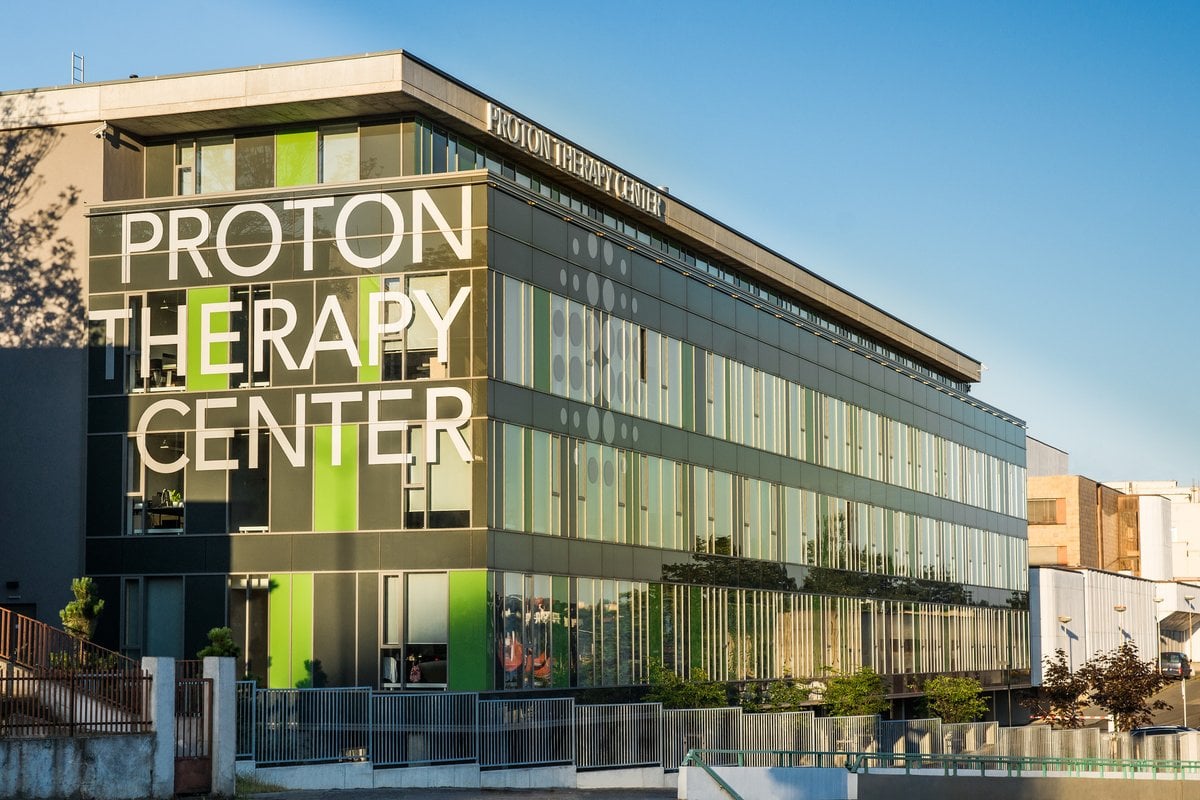
Perspectiva de los expertos de Bookimed: Los pacientes que requieran una precisión quirúrgica avanzada deberían considerar opciones asistidas por robot. El Centro de Cirugía Robótica del Hospital St. Zdislava es el más grande del país. El Dr. Jaroslav Tvaruzek ha realizado más de 3500 operaciones robóticas allí. Para los casos que requieren alternativas no invasivas, el Centro de Terapia de Protones en Praga ofrece las tecnologías de haz más avanzadas. Estos centros especializados brindan atención de alto valor para casos oncológicos complejos fuera de la capital.
| República Checa | España | Turquía | |
|---|---|---|---|
| Resección del intestino delgado | ≈ $6,500 | de $14,300 | de $6,500 |
| Radioterapia para el cáncer de colon | ≈ $6,500 | de $5,000 | ≈ $5,800 |
| Radioterapia para el cáncer colorrectal | ≈ $10,000 | de $7,500 | de $5,000 |
| Quimioterapia para el cáncer de mama | ≈ $3,000 | de $1,700 | de $3,000 |
| Quimioterapia intraperitoneal hipertérmica (HIPEC) | ≈ $14,000 | de $81,900 | de $18,000 |
Bookimed no añade cargos extra a los precios de los tratamientos de Cáncer de intestino delgado. Las tarifas proceden de las listas de precios oficiales de las clínicas. Pagará directamente en la clínica por su tratamiento a su llegada al país.
Bookimed está comprometido con su seguridad. Solo trabajamos con las clínicas que mantienen altos estándares internacionales en el tratamiento de Cáncer de intestino delgado y cuentan con las licencias necesarias para atender a pacientes internacionales en todo el mundo.
Bookimed ofrece asistencia experta gratuita. Un coordinador médico personal le apoya antes, durante y después de su tratamiento, resolviendo cualquier problema. Nunca estará solo en su viaje médico de tratamiento de Cáncer de intestino delgado.

El Dr. Tvaruzek ha realizado más de 3.500 cirugías robóticas y es un destacado experto certificado por Intuitive Surgical para los robots Da Vinci.
 Olena Sikoza
La terapia avanzada de haz de protones está disponible para el cáncer de intestino delgado en la República Checa. Los centros especializados utilizan esta tecnología para atacar los tumores con una precisión milimétrica. El tratamiento minimiza las dosis de radiación en órganos abdominales sensibles como el hígado y los riñones. Esto elimina la dosis de salida que se encuentra en los rayos X convencionales.
Perspectiva del experto de Bookimed: La República Checa alberga uno de los centros de protones más destacados de Europa en Praga. Los datos muestran que este centro atrae a pacientes de todo el mundo debido a sus estándares internacionales de tratamiento. Aunque la cirugía sigue siendo el tratamiento principal para el intestino delgado, los médicos aquí utilizan la terapia de protones para casos complejos de reirradiación. Este enfoque especializado proporciona una alternativa crítica para los pacientes que no pue
Los hospitales checos siguen estrictamente los protocolos internacionales para los cánceres gastrointestinales raros. Los Centros Oncológicos Integrales (CCC) especializados se adhieren a las directrices de la Sociedad Europea de Oncología Médica (ESMO). Los centros de alto volumen, como el Hospital Universitario Motol, utilizan comités multidisciplinarios y Redes Europeas de Referencia (ERN) para los casos complejos.
Opinión de expertos de Bookimed: Aunque Praga alberga el mayor centro de terapia de protones de Europa, el volumen quirúrgico es el indicador clave de calidad. El Hospital St. Zdislava ha realizado más de 4.000 procedimientos robóticos. Este alto volumen a menudo conduce a mejores resultados quirúrgicos en resecciones raras que en hospitales generales más pequeños.
Consenso de los pacientes: Los pacientes enfatizan
Las barreras idiomáticas en la República Checa no impiden el tratamiento del cáncer de intestino delgado. Los protocolos estandarizados y el personal bilingüe garantizan la seguridad durante los procedimientos complejos. Centros importantes como el Proton Therapy Center y el Hospital St. Zdislava tratan regularmente a pacientes internacionales utilizando coordinadores de habla inglesa e intérpretes médicos.
Perspectiva del experto de Bookimed: Los centros oncológicos checos a menudo se centran en la eficiencia de alto volumen, como el Hospital St. Zdislava, que realiza más de 4.000 operaciones robóticas. Los departamentos internacionales se especializan en logística, mientras que los médicos se centran en el procedimiento. Los pacientes deben confiar en el personal de apoyo no clínico para la programación
El tratamiento del cáncer de intestino delgado en la República Checa integra la atención de apoyo directamente en los protocolos oncológicos. Equipos multidisciplinarios proporcionan control nutricional, manejo del dolor y rehabilitación física. Los servicios especializados priorizan el mantenimiento de la función digestiva y el peso durante procedimientos como la resección o HIPEC. Los centros a menudo incluyen asesoramiento psicológico y apoyo paliativo.
Perspectiva del experto de Bookimed: Los centros checos a menudo ubican instalaciones especializadas, como el Centro de Cirugía Robótica en el Hospital St. Zdislava, en reservas natu