Resección del intestino delgado en España: las 8 mejores clínicas y sus precios


Revisado médicamente por
Fahad Mawlood
Cómo funciona
¿Cuál es el precio de Resección del intestino delgado en España? Descubra ahora
De $14,300. Los precios varían según la clínica, la experiencia del cirujano y la complejidad del caso (como la longitud del intestino extirpado o si la cirugía es laparoscópica o abierta). UU.
Las clínicas españolas suelen incluir la consulta inicial, análisis de sangre preoperatorios, medicación postoperatoria, visitas de seguimiento, personal que habla inglés, atención personalizada y soporte 24/7. También se cubren las comidas durante la estancia en la clínica y las instrucciones detalladas para el cuidado posterior. En EE. UU., el precio anunciado suele cubrir solo la cirugía, mientras que los análisis, la anestesia y los seguimientos se facturan por separado. Siempre confirmar qué está incluido con la clínica elegida.
| España | Turquía | México | |
|---|---|---|---|
| Resección del intestino delgado | de $14,300 | de $6,500 | de $17,500 |
Descubra las mejores clínicas de Resección del intestino delgado en España: 8 opciones verificadas y Precios







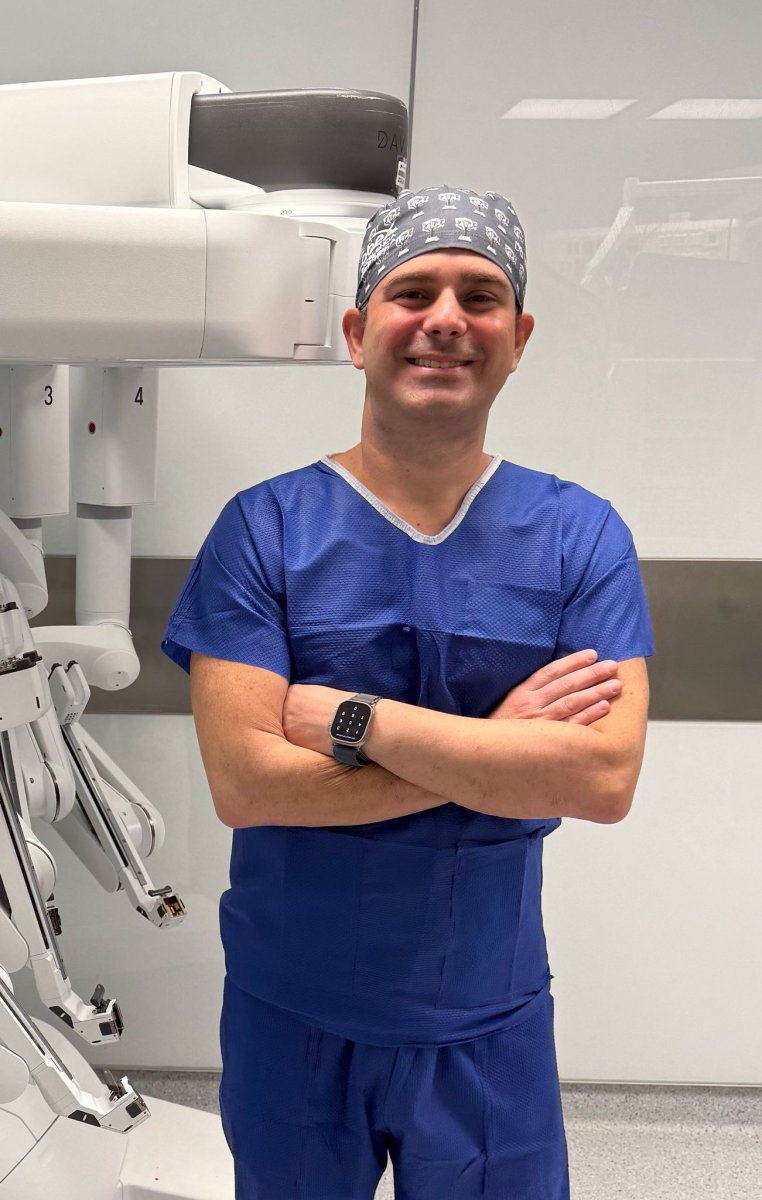
Clínica de Gastroenterología y Proctología Centro PAD
Carlos Garcia Vasquez


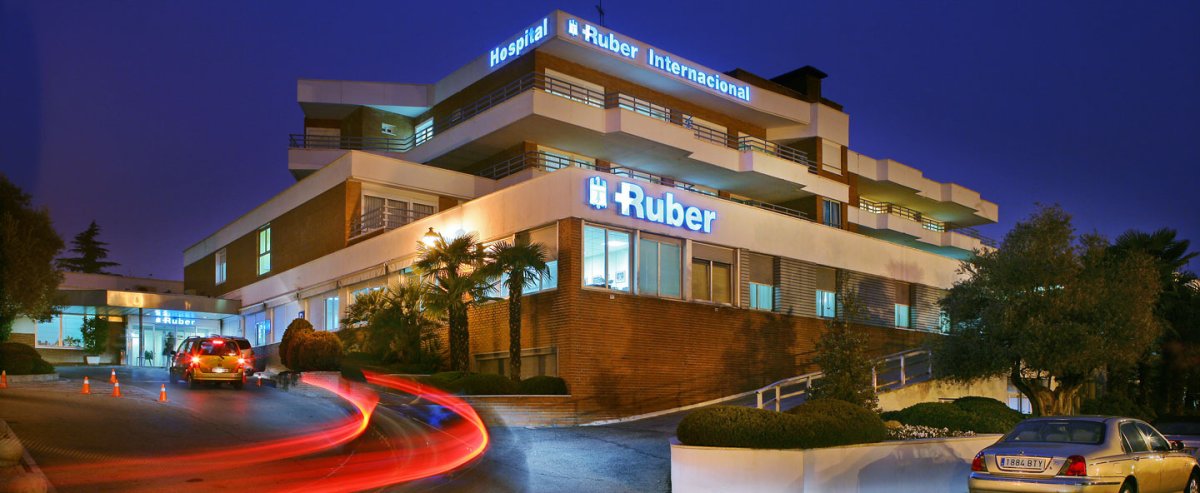







Descripción general de Resección del intestino delgado en España
- Resección del intestino delgado - de $14,300Este procedimiento elimina parte de su intestino para tratar enfermedades, mejorar la digestión y la salud en general.
- Resección de intestino grueso - de $16,800Este procedimiento consiste en la extirpación parcial del colon para tratar enfermedades, mejorando la salud digestiva y la comodidad.
Día 1: Llegada
- Llegue al hospital y complete el papeleo de admisión.
- Conozca a su cirujano y anestesiólogo para una consulta.
- Someterse a las pruebas médicas necesarias, incluidos análisis de sangre y exploraciones por imágenes.
Día 2: Preoperatorio
- Reúnase con un dietista para analizar los cambios de dieta preoperatorios.
- Recibir información sobre el procedimiento y los riesgos potenciales.
- Realice una preparación intestinal si es necesario.
Día 3: Procedimiento de resección del intestino delgado
- Recibir anestesia general.
- El procedimiento dura alrededor de 2-4 horas.
- El cirujano extirpará la porción enferma de su intestino.
- Las secciones sanas del intestino se volverán a conectar.
Día 4-10: Postoperatorio
- Recuperarse en la unidad de cuidados intensivos (UCI) inicialmente.
- Reintroducir gradualmente alimentos y líquidos bajo supervisión.
- Permanezca en el hospital durante una semana para su control y recuperación.
Semana 2-6: Rehabilitación
- Comience la actividad física leve bajo guía.
- Siga un plan de dieta específico prescrito por el dietista.
- Seguimiento regular con el médico para controlar la recuperación.
Semana 7-10
- Regrese gradualmente a sus actividades y trabajo normales.
- Continúe con los chequeos regulares y siga las recomendaciones dietéticas.
Semana 11+
- Recuperación total y regreso a la dieta normal.
- El resultado final visible y la vida normal se reanudó por completo.
Tenga en cuenta que esta es una guía general y que los tiempos de recuperación individuales pueden variar. Siga siempre los consejos de sus profesionales sanitarios.
- Depósito de Bookimed: 200 $ o 200 €.
- Depósito de la clínica: Pague un porcentaje fijo por adelantado.
Obtenga una evaluación médica de Resección del intestino delgado en España: haga una consulta con 10 médicos experimentados ahora
Ver todos los médicos
Jaume Capdevila
El Dr. Jaume Capdevila es uno de los mejores médicos en cáncer digestivo, con formación internacional en oncología endocrina.
- Licenciado en Medicina y Cirugía por la Universidad de Lleida
- Especialista en Oncología Médica en el Hospital de la Santa Creu i Sant Pau
- Completó un fellowship en Oncología Endocrina en el Hospital Universitario de Uppsala
- Miembro de múltiples sociedades oncológicas de prestigio, incluyendo ESMO y ASCO
- Cofundador del Grupo Español de Trabajo en Tumores Huérfanos e Infrecuentes
Carlos Garcia Vasquez
Especialista en resecciones de intestino delgado mínimamente invasivas con experiencia en cirugía robótica y laparoscópica – el Dr. García Vásquez ejerce en el Hospital Universitario Infanta Elena.
- Doctor en Cirugía con enfoque en técnicas de anastomosis intestinal
- Certificado en cirugía robótica utilizando la plataforma Da Vinci
- Jefe Asociado de Cirugía General y del Aparato Digestivo
- Investigación publicada sobre anastomosis intestinales de alto riesgo
- Formado en el IRCAD Francia – líder mundial en cirugía laparoscópica

Xavier Centeno Fornies
El Dr. Centeno se formó en el renombrado departamento de cirugía colorrectal de la Clínica Mayo y ha dirigido cirugías en el Centro Médico Teknon desde 1993.
- Especializado en Cirugía General y Gastrointestinal desde 1993
- Formación avanzada en técnicas colorrectales laparoscópicas en Estrasburgo
- Acreditado por la Sociedad ERAS para protocolos de recuperación mejorada después de la cirugía
- Miembro de la Sociedad Americana de Cirujanos de Colon y Recto

Domenico Sabia
Especialista en cirugías avanzadas de cáncer abdominal y pélvico, incluyendo resecciones de intestino delgado, en Centro Médico Teknon.
- Más de 24 años de experiencia en oncología peritoneal
- Miembro de múltiples sociedades prestigiosas de cirugía oncológica
- Participa en ensayos clínicos nacionales e internacionales
- Formado en técnicas de cirugía robótica laparoscópica
Historias en video de pacientes de Bookimed
Reseñas
Todas las reseñas


Compartir contenido
 Olena Sikoza
Preguntas frecuentes sobre Resección del intestino delgado en España
¿Cuáles son las posibles complicaciones?
Las posibles complicaciones de una resección de intestino delgado en España incluyen fugas anastomóticas, infecciones del sitio quirúrgico e íleo postoperatorio. Las técnicas avanzadas como la cirugía laparoscópica y asistida por robot en centros acreditados por la JCI en Madrid y Barcelona ayudan a minimizar estos riesgos mientras se tratan afecciones complejas como el cáncer de intestino delgado o la enfermedad de Crohn.
- Fugas anastomóticas: El fallo de la conexión intestinal puede causar sepsis o requerir una reoperación inmediata.
- Deficiencias nutricionales: La extirpación de segmentos a menudo conduce a una rápida depleción de B12, hierro y calcio.
- Adherencias quirúrgicas: Las cicatrices internas pueden torcer el intestino, causando dolor recurrente u obstrucciones futuras.
- Síndrome de intestino corto: Las resecciones extensas pueden causar diarrea crónica, hinchazón y malabsorción permanente de grasas.
Opinión de experto de Bookimed: Los centros españoles como el Centro Médico Teknon lideran en la minimización de complicaciones mediante plataformas robóticas Da Vinci Xi y protocolos certificados por ERAS. Con cirujanos como la Dra. Lana Bijelic realizando más de 1.300 cirugías oncológicas complejas, el alto volumen de pacientes se correlaciona directamente con menores tasas de infección y retornos más rápidos a la
¿Qué afecciones requieren una resección del intestino delgado?
¿Cuánto tiempo dura el tiempo de recuperación?
La resección del intestino delgado en España suele requerir de 6 a 8 semanas para una recuperación física completa. Los pacientes suelen permanecer en el hospital de 4 a 5 días. Aunque la mayoría retoma sus actividades diarias en un plazo de 2 meses, a menudo se necesitan de 3 a 4 meses después de la cirugía para sentirse completamente normal.
- Estancia hospitalaria: Espere de 4 a 5 días de atención hospitalaria para la monitorización y estabilización inicial.
- Reanudación de actividades: Los pacientes deben esperar de 6 a 8 semanas antes de reanudar el trabajo completo o el ejercicio.
- Enfoque quirúrgico: Las técnicas robóticas o laparoscópicas mínimamente invasivas pueden ofrecer una curación más rápida que las resecciones abiertas.
- Restricciones de viaje: Los cirujanos sugieren un margen de 1 a 3 meses antes de volar después de una cirugía abdominal.
Perspectiva de expertos de Bookimed: Si bien 8 semanas es el estándar clínico, nuestros datos muestran que clínicas como el Centro PAD y el Centro Médico Teknon enfatizan los protocolos de recuperación rápida. Cirujanos como la Dra. Lana Bijelic han realizado más de 1,300 cirugías gastrointestinales complejas. Este gran volumen a menudo resulta en una atención postoperatoria más eficiente y un apoyo de enfermería especializado.
Consenso de los pacientes: Muchos pacie
¿Existen riesgos o complicaciones específicos?
La resección del intestino delgado en España conlleva los riesgos comunes de la cirugía abdominal mayor. Estos incluyen fugas anastomóticas, bloqueos intestinales por adherencias quirúrgicas e infecciones. Los centros españoles especializados mitigan estos riesgos mediante plataformas laparoscópicas y robóticas mínimamente invasivas, que preservan el tejido sano y favorecen un plazo de recuperación de 4 a 6 semanas.
- Fugas anastomóticas: Fuga de líquido donde se unió el intestino. Esto requiere drenaje o cirugía de revisión.
- Adherencias quirúrgicas: Tejido cicatricial interno que puede causar obstrucciones del intestino delgado meses o años después.
- Malabsorción: La extirpación de más de 50 cm de íleon puede causar deficiencias a largo plazo de B12, calcio o hierro.
- Riesgos de incisión: Las complicaciones estándar incluyen infecciones de heridas, hernias e íleo temporal donde la motilidad intestinal se ralentiza.
Perspectiva de expertos de Bookimed: Los datos de los pacientes destacan una brecha de calidad significativa entre la cirugía general y los centros especializados en oncología. Clínicas como el Centro Médico Teknon utilizan el sistema Da Vinci Xi para estas resecciones. Esta tecnología reduce el trauma físico, lo cual es vital para los pacientes que se someten a tratamientos simultáneos de HIPEC o quimioterapia. Elegir a un ciru
¿Cuánto tiempo dura la cirugía y qué sucede durante el procedimiento?
La resección del intestino delgado en España suele durar de 2 a 4 horas en casos estándar, aunque los procedimientos complejos de múltiples lesiones pueden requerir de 6 a 8 horas. Los cirujanos utilizan anestesia general para realizar resecciones laparoscópicas o asistidas por robot en centros acreditados por la JCI en Madrid y Barcelona.
- Enfoque quirúrgico: Los cirujanos prefieren técnicas laparoscópicas o robóticas mínimamente invasivas para minimizar las cicatrices y el dolor.
- Extirpación intestinal: El equipo extirpa de 12 a 25 cm de tejido enfermo antes de volver a conectar las secciones sanas.
- Movilidad temprana: Los pacientes a menudo caminan a las pocas horas de la cirugía para prevenir complicaciones y acelerar la curación.
- Alta hospitalaria: La mayoría de los pacientes regresan a casa en un plazo de 2 a 3 días tras los procedimientos de cirugía laparoscópica.
Perspectiva de expertos de Bookimed: Si bien muchos hospitales generales ofrecen estas resecciones, centros especializados como el Centro Médico Teknon o el Hospital Ruber Internacional utilizan sistemas robóticos Da Vinci Xi. Estas tecnologías son particularmente beneficiosas para casos complejos oncológicos o de enfermedad inflamatoria intestinal. Nuestros datos muestran que España sigue siendo un destino mundial de primer nivel, ocupando el cuarto lugar en solicitudes
¿Cuál es la duración de la estancia hospitalaria y el tiempo de recuperación?
La resección del intestino delgado en España requiere normalmente una estancia hospitalaria de 3 a 10 días, dependiendo de si los cirujanos utilizan técnicas laparoscópicas o abiertas. La mayoría de los pacientes retoman sus actividades diarias leves en un plazo de 4 a 6 semanas, mientras que la curación interna completa y la adaptación intestinal pueden tardar de 3 a 12 meses.
- Duración de la estancia hospitalaria: Los procedimientos laparoscópicos duran una media de 3 a 5 días; las cirugías abiertas a menudo requieren de 5 a 10 días.
- Movilidad inicial: Los pacientes suelen empezar a caminar en un plazo de 12 horas para estimular la función intestinal.
- Reanudación de actividades: La mayoría de los pacientes retoman su trabajo diario no extenuante en un plazo de 4 a 6 semanas.
- Adaptación a largo plazo: La recuperación interna completa y la estabilización dietética pueden durar hasta 1 año.
Perspectiva de expertos de Bookimed: España ocupa el cuarto lugar a nivel mundial en cirugía digestiva, en parte porque clínicas como el Hospital Ruber Internacional y el Centro Médico Teknon integran sistemas robóticos Da Vinci. Cirujanos como la Dra. Lana Bijelic suelen dar prioridad a la movilización temprana dentro de las 12 horas posteriores a la operación. Esta práctica acorta significativamente las estancias al restaurar la motilidad intestinal
¿Dónde están las mejores instalaciones médicas para esta cirugía en España?
España ofrece instalaciones de élite para la resección del intestino delgado, ubicadas principalmente en Madrid y Barcelona. Los mejores hospitales como el Centro Medico Teknon y el Hospital Ruber Internacional mantienen la acreditación de la Joint Commission International y utilizan sistemas robóticos Da Vinci y técnicas laparoscópicas dirigidas por expertos para tratar afecciones digestivas complejas.
- Hospital Ruber Internacional: Instalación de primer nivel en Madrid que cuenta con cirujanos reconocidos por Forbes y diagnósticos avanzados de resonancia magnética de 3 Teslas.
- Centro Medico Teknon: Centro de renombre en Barcelona que atiende a 10,000 pacientes internacionales anualmente con departamentos de oncología clasificados por Newsweek.
- Quironsalud Madrid: Gran hospital privado que ofrece atención especializada orientada a la investigación y acceso a ensayos clínicos innovadores.
- Acreditación de especialistas: Cirujanos líderes como la Dra. Lana Bijelic poseen certificaciones del American Board of Surgery en oncología.
Opinión experta de Bookimed: Si bien muchos hospitales generales ofrecen cirugía digestiva, Barcelona destaca en las resecciones oncológicas del intestino delgado gracias a cirujanos como el Dr. Domenico Sabia y la Dra. Lana Bijelic. Estos especialistas en el Centro Medico Teknon han realizado más de 1,300 cirugía