CDT-WEST Center of Diagnostics and Therapy
Alemania, Colonia


Revisado médicamente por
Fahad Mawlood
El costo total del tratamiento del cáncer de intestino delgado en Alemania varía según el plan de tratamiento. Los diagnósticos iniciales pueden oscilar entre 4.750 € y 6.650 €, dependiendo de la instalación. El programa de tratamiento se adapta tras la evaluación individual del médico de cada paciente.

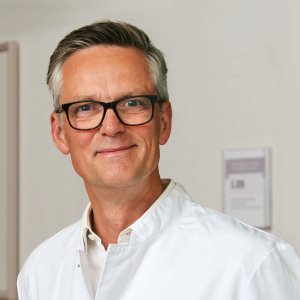
Médico jefe en un centro oncológico interdisciplinario certificado: la Dra. Viola Fox se especializa en tratamientos integrales contra el cáncer, incluida la inmunoterapia y el diagnóstico molecular.

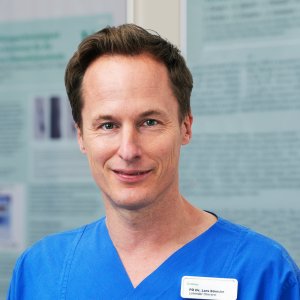
El Prof. Keil se especializa en técnicas de imagen avanzadas para el cáncer de intestino delgado, utilizando resonancia magnética (RM), tomografía computarizada (TC) y ecografía en el Centro Médico de Solingen.
 Olena Sikoza
Alemania trata el cáncer de intestino delgado mediante resecciones quirúrgicas estándar y terapias sistémicas innovadoras adaptadas por comités multidisciplinarios de tumores. Los centros especializados emplean cirugía robótica y quimioterapia intraperitoneal hipertérmica (HIPEC) junto con inmunoterapias avanzadas. Los tratamientos integran diagnósticos precisos como PET-CT y pruebas moleculares para guiar los protocolos de medicina de precisión.
Perspectiva del experto de Bookimed: La oncología gastrointestinal alemana destaca por el alto volumen de procedimientos complejos en hospitales universitarios. Por ejemplo, el Prof. Dr. Thomas W. Kraus en la Clínica Nordwest ha realizado más de 3.000 cirugías intestinales. Esta profundidad de experiencia es crítica para los cánceres raros de intestino delgado, donde la precisión anatómica determina la s
Los mejores hospitales alemanes para el cáncer de intestino delgado incluyen la Charité de Berlín, la Clínica Nordwest y el Hospital Universitario de Aquisgrán. Estos centros brindan atención multidisciplinaria utilizando los estándares de la Sociedad Alemana del Cáncer. Los pacientes acceden a técnicas avanzadas como la quimioterapia intraperitoneal hipertérmica y la resección robótica en instalaciones oncológicas especializadas con altos volúmenes quirúrgicos.
Perspectiva del experto de Bookimed: Los resultados de búsqueda a menudo destacan clínicas como el Medical Center Solingen como de primer nivel, sin embargo, los datos de volumen revelan que la Charité de Berlín atiende
Los centros oncológicos alemanes utilizan la radioterapia como una intervención local especializada para el cáncer de intestino delgado. Siguiendo las directrices alemanas S3, la radioterapia se reserva para tumores irresecables o márgenes quirúrgicos positivos. Las clínicas especializadas utilizan tecnologías de alta precisión como IMRT e IGRT para proteger los tejidos intestinales sensibles.
Perspectiva del experto de Bookimed: Los centros oncológicos alemanes priorizan la experiencia quirúrgica sobre la radiación para los casos de intestino delgado debido a la sensibilidad de los órganos. Muchos especialistas destacados, como el Prof. Thomas W. Kraus en la Clínica Nordwest, han realizado más de 3.000 procedimientos gastrointestinales. Este enfoque quirúrgico a menudo limita l
Para una evaluación remota precisa en Alemania, los pacientes deben proporcionar imágenes digitales como escáneres PET/CT e informes de patología originales. Los oncólogos alemanes requieren análisis de biopsia, datos de pruebas moleculares e informes quirúrgicos para determinar la resecabilidad. Un historial cronológico de medicación y un breve resumen de los síntomas cubren el contexto clínico esencial.
Perspectiva del experto de Bookimed: Nuestros datos de clínicas como Nordwest y Solingen muestran que los especialistas alemanes priorizan los datos sin procesar sobre los resúmenes escritos. El Prof. Dr. Thomas W. Kraus ha realizado más de 3,000 cirugías y a menudo encuentra que las notas operativas físicas proporcionan más claridad técnica que las cartas de seguimiento. Enviar informes originales junto con traducciones garantiza que la terminología oncológica alemana específica se conserve para una planificación d
La asistencia en inglés está ampliamente disponible para el tratamiento del cáncer de intestino delgado en Alemania. La mayoría de los oncólogos y cirujanos en los principales centros académicos hablan inglés con fluidez. Aunque los formularios médicos a menudo permanecen en alemán, los departamentos internacionales brindan servicios de traducción esenciales y coordinación de pacientes para viajeros extranjeros.
Opinión de expertos de Bookimed: El apoyo lingüístico se correlaciona directamente con el tamaño de la clínica y el volumen de pacientes. Charité Berlin trata a más de 800.000 pacientes al año y gestiona casos internacionales complejos a diario. Los centros especializados más pequeños, como el CDT-WEST, priorizan las imágenes avanzadas como el PET-CT, pero tienen menos personal no médico. Elija grandes hospitales
Alemania alberga algunos de los departamentos de neurocirugía más prestigiosos del mundo, liderados por la Charité – Universitätsmedizin Berlin y el Hospital Universitario de Heidelberg. Estos centros destacan en el tratamiento de tumores cerebrales complejos y enfermedades cerebrovasculares. Para maximizar la eficacia de sus procedimientos, utilizan tecnologías de vanguardia como la resonancia magnética intraoperatoria y la neuronavegación asistida por computadora.
Opinión experta de Bookimed: Los datos muestran que elegir centros con un alto volumen quirúrgico suele llevar a recomendaciones de tratamiento más conservadoras. En el Centro Médico Solingen, que atiende a más de 60.000 pacientes al año, los cirujanos suelen sugerir fisioterapia en lugar de cirugía
En Alemania, los procedimientos neuroquirúrgicos de alta complejidad demuestran una seguridad excepcional. Las tasas de éxito en las fusiones espinales alcanzan el 99 %. La tasa de supervivencia en las resecciones de tumores cerebrales primarios es del 97 %. La independencia funcional es alta. Más del 82 % de los pacientes reciben el alta inmediatamente después del tratamiento. Los centros alemanes priorizan la preservación de la función neurológica mediante técnicas modernas de mapeo.
Opinión experta de Bookimed: Cirujanos experimentados como el Dr. Uwe Köhler, de la Clínica Asklepios Altona, realizan más de 2000 cirugías al año. Los datos muestran que estos especialistas mantienen tasas de éxito de hasta el 90 %, incluso en los tumores cerebrales más comp
Las clínicas neuroquirúrgicas alemanas incorporan regularmente instrumentos digitales de alta precisión y visualización en tiempo real a la práctica quirúrgica. Entre las tecnologías clave se encuentra la neuronavegación computarizada para cirugías de cerebro y médula espinal. Instituciones como la Clínica Asklepios Nord utilizan la resonancia magnética intraoperatoria para verificar la extirpación de tumores en tiempo real. Estos sistemas proporcionan a los cirujanos navegación GPS 3D.
Opinión experta de Bookimed: Grandes centros como la Charité – Universitätsmedizin de Berlín realizan más de 4000 procedimientos neuroquirúrgicos al año, lo que crea un entorno rico en datos para p
En Alemania, los neurocirujanos deben completar una residencia especializada de seis años tras graduarse de la facultad de medicina. Este programa estructurado incluye cuidados intensivos, práctica clínica y una revista quirúrgica obligatoria. Posteriormente, los candidatos aprueban un examen estatal para obtener el título de residente (Facharzt für Neurochirurgie).
Opinión experta de Bookimed: La formación neuroquirúrgica alemana se centra en una amplia experiencia quirúrgica. Por ejemplo, el Dr. Ralf Buhl, del Centro Médico Solingen, ha realizado más de 4000 cirugías. El Dr. Jürgen Kiwit, del Hospital Meoklinik, cuenta con más de 25 años de experiencia. Este riguroso sistema garantiza que los especialistas de los principales centros aborden casos complejos con una precisión demostrada.
Comentarios de los pacientes: Los pacientes se sienten seguros al saber que sus médicos han recibido año
Los neurocirujanos extranjeros deben cumplir estrictos requisitos de idioma y licencia para realizar formación o prácticas en Alemania. La formación requiere una licencia médica válida o un permiso temporal. Los internos deben obtener la autorización de un hospital específico. Ambas opciones requieren un alto nivel de alemán para participar en debates clínicos y realizar procedimientos quirúrgicos complejos con seguridad.
Opinión experta de Bookimed: Las clínicas alemanas con un alto volumen de pacientes, como Nordwest Clinic o Asklepios Nord, suelen priorizar a los candidatos que ya han pasado una evaluación preliminar de la documentación. Nuestros datos muestran que profesores como el Dr. Uwe Köhler y el D