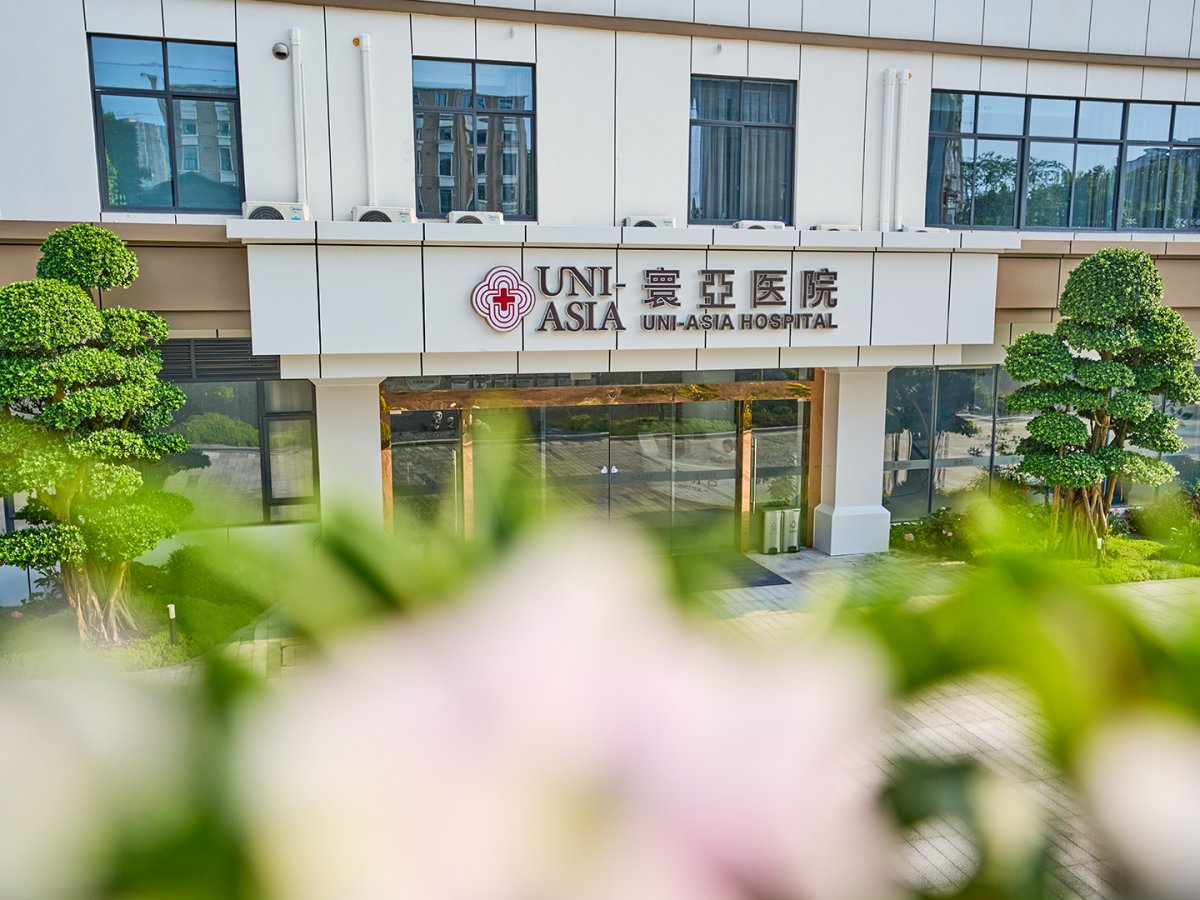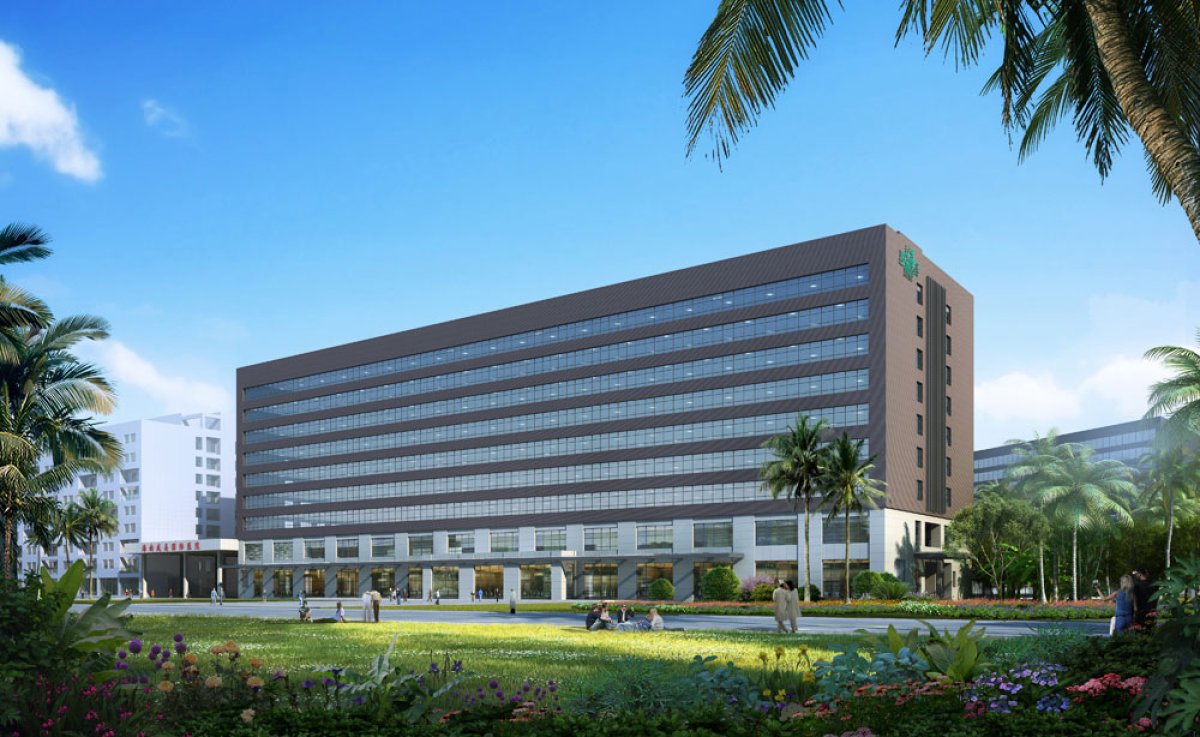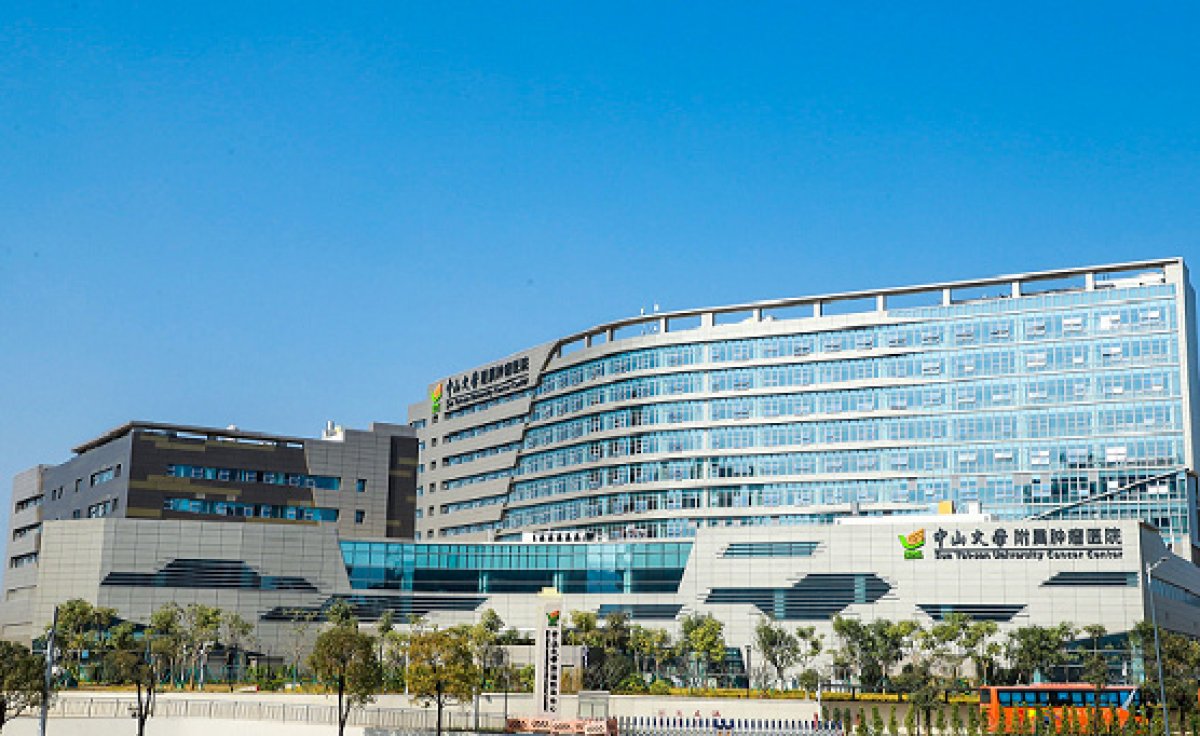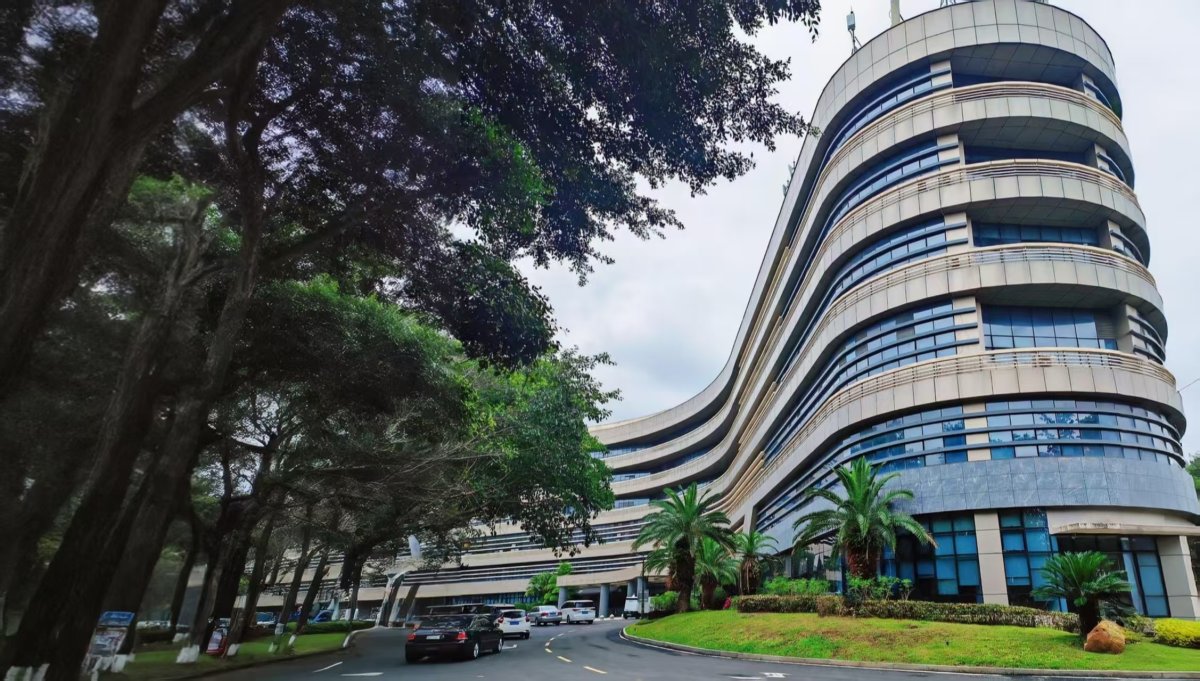
Boao International Medical Center
China, Qionghai


Revisado médicamente por
Fahad Mawlood
De $400. Los procedimientos principales como la cirugía de cáncer de estómago cuestan entre $14,000 y $24,000, mientras que la quimioterapia para el cáncer de estómago varía de Precio a consultar a Precio a consultar. Los gastos totales dependen de la etapa del cáncer, el nivel del hospital y el enfoque quirúrgico. Los pacientes internacionales suelen obtener ahorros del 80-85% en comparación con los EE. UU. Las principales ciudades para la oncología incluyen Guangzhou, Shanghái y Pekín.
Costos típicos del tratamiento del cáncer de estómago en China
Perspectiva de los expertos de Bookimed: Los pacientes en etapas avanzadas a menudo se benefician de protocolos integrados y no tradicionales. El Hospital de Cáncer Fuda se especializa en atención de etapas tardías utilizando NanoKnife y criocirugía. Este centro acreditado por la JCI ha atendido a 30,000 pacientes internacionales. Para aquellos que necesitan radiación de precisión, el Dr. Liu Shi Xin en el Hospital Xiamen Humanity ofrece radioterapia dirigida por expertos. Elegir centros oncológicos especializados proporciona un mejor valor para casos complejos y multidisciplinarios que los hospitales generales.
| China | España | Turquía | |
|---|---|---|---|
| Terapia con haz de protones | ≈ $28,000 | de $43,300 | de $25,000 |
| Sistema Robótico Da Vinci | de $35,800 | ≈ $9,500 | de $23,900 |
| Resección de estómago | ≈ $18,500 | de $20,000 | de $3,100 |
| Quimioterapia intraperitoneal hipertérmica (HIPEC) | ≈ $9,000 | de $81,900 | de $18,000 |
| Nanocuchillo | de $24,000 | ≈ $9,500 | ≈ $9,500 |
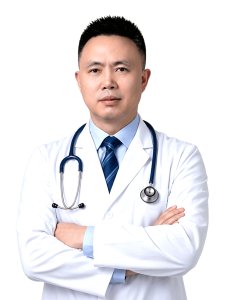
Médico jefe y profesor. Experto de nivel 1 en el Centro Oncológico del West China Hospital, Sichuan University (clasificado n.º 2 en China). Completó un posdoctorado en radiología intervencionista en el Chinese PLA General Hospital. Dirige equipos multidisciplinarios (MDT) para tumores complejos. Experto en oncología intervencionista mínimamente invasiva para cánceres de hígado, pulmón y páncreas.
Acreditaciones: Miembro del consejo, WATA. Miembro de los comités de CACA y CMDA sobre in
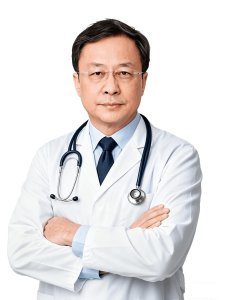
El profesor Luo Xiaoping es un radiólogo intervencionista reconocido a nivel nacional y una autoridad destacada en el oeste de China. Comenzó a realizar intervenciones vasculares pioneras a principios de la década de 1990. Ayudó a fundar el Grupo de Intervencionismo del Segundo Hospital Afiliado de la Universidad Médica de Chongqing.
Ha realizado más de 100 000 procedimientos intervencionistas, incluidos unos 4 000 casos complejos. Sus competencias clave incluyen TACE para el carcinoma
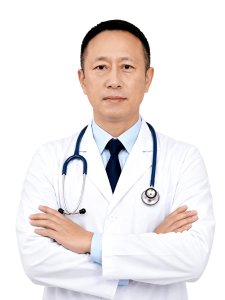
El Dr. He Weibing es pionero de la crioablación con argón‑helio en China, con más de 20 años de práctica en primera línea. Fue miembro fundador del Hospital Oncológico Fuda (Guangzhou). Cofundó su Centro de Tratamiento Tumoral Mínimamente Invasivo y fue subdirector ejecutivo. También ayudó a crear el Grupo de Ablación de la Asociación China contra el Cáncer. Ha sido operador principal en más de 10.000 procedimientos.
Se especializa en crioablación tumoral y domina la braquiterapia con
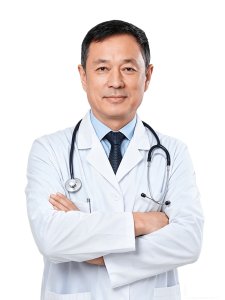
El profesor Xiao Yueyong es médico jefe del Departamento de Radiodiagnóstico del Hospital General del EPL de China. Es un experto líder en oncología intervencionista mínimamente invasiva. Es el primer presidente de WATA (2025–). Preside la Sociedad Internacional (2020–) y la Sociedad Asiática (2012–) de Crioterapia. También es subjefe del Grupo de Expertos de la NHC sobre regulaciones de ablación tumoral (2009–).
Ha realizado más de 100 000 procedimientos mínimamente invasivos guiados

Escrito por Halina Shubala
 Olena Sikoza
Los oncólogos chinos de las principales instituciones médicas se adhieren a los estándares de certificación nacionales que se ajustan a los estándares internacionales. Los cirujanos más destacados suelen ocupar el cargo de jefe de servicio y trabajan en hospitales acreditados por la JCI. Estos especialistas a menudo son miembros de organizaciones internacionales como la Asociación China del Cáncer y se adhieren a las guías de tratamiento de la CSCO, reconocidas internacionalmente.
Opinión de expertos de Bookimed: En China, el elevado volumen de cirugías suele conllevar una mayor cualificación técnica de los especialistas en cáncer gástrico. Los especialistas de los principales hospitales pueden realizar más de 1000 gastrectomías al año. Este volumen supera con cre
La tasa de supervivencia a cinco años para el cáncer gástrico en China oscila entre el 35,1 % y el 46,1 % a nivel nacional. Los centros oncológicos especializados reportan tasas de supervivencia tras el tratamiento quirúrgico de hasta el 69,8 %. El diagnóstico precoz (etapa I) ofrece el mejor pronóstico. Las tasas de supervivencia para estos pacientes suelen alcanzar entre el 85 % y el 95 %.
Opinión de expertos de Bookimed: Los datos clínicos muestran una diferencia significativa entre los hospitales generales y los grandes centros especializados de Guangzhou. El Hospital Oncológico Fuda ha tratado a más de 30 000 pacientes internacionales. Se especializa en tratamientos mínimamente invasivos, como NanoKnife. Elegir centros que priorizan es
La gastrectomía laparoscópica y robótica se utilizan ampliamente en China para el tratamiento del cáncer de estómago. Estas técnicas mínimamente invasivas ofrecen una alternativa segura a la cirugía abierta. Ambos enfoques permiten una recuperación más rápida. Los cirujanos utilizan el sistema robótico da Vinci para lograr alta precisión y visualización en 3D.
Opinión de expertos de Bookimed: Si bien la cirugía robótica requiere más tiempo de preparación, es la mejor opción para pacientes con casos complejos o un índice de masa corporal elevado. El Hospital Oncológico Fuda en Guangzhou atiende a más de 30 000 pacientes internacionales y mantiene estándares de seguridad acreditados por la JCI. Sus especialistas, com
El tratamiento para el cáncer de estómago en China suele durar entre 4 semanas y 6 meses, según la etapa de la enfermedad. Los procedimientos endoscópicos en etapas tempranas duran solo 1 o 2 días. Las cirugías complejas generalmente requieren una hospitalización de 2 semanas, seguida de 4 semanas de recuperación local antes del alta.
Opinión de expertos de Bookimed: Los pacientes deben tener en cuenta que los protocolos clínicos chinos, como los del Hospital Oncológico Fuda, suelen requerir una estancia hospitalaria más prolongada que en las instituciones occidentales. Mientras que en Estados Unidos la hospitalización tras una gastrectomía puede durar cinco días, los especialistas chinos suelen requerir entre 14 y 21 días. Este enfoque se centra en la monitorización intensiva de las fugas posoperatorias y la estabilización nutricional inmediata antes del alta hospitalaria.
Guangzhou, Pekín y Shanghái son los principales centros chinos para pacientes internacionales que buscan atención especializada para el cáncer gástrico. Estas ciudades albergan instituciones médicas acreditadas por la JCI, especializadas en métodos de tratamiento avanzados. Los centros especializados utilizan criocirugía, nanocirugía y resecciones robóticas para casos complejos y estadios avanzados de cáncer gástrico.
Opinión de expertos de Bookimed: Si bien Pekín y Shanghái son ciudades prestigiosas, Guangzhou ofrece una combinación única de gran cantidad de servicios y precios más bajos. Nuestros datos muestran que el Centro Oncológico de la Universidad Sun Yat-sen ofrece tratamientos a precios entre un 30 % y un 50 % inferiores a los de las instalaciones en Pekín. Además, clínicas como el Ho
En China, el apoyo nutricional posoperatorio para el cáncer gástrico se proporciona según protocolos estructurados de Recuperación Mejorada Después de la Cirugía (ERAS, por sus siglas en inglés). Los pacientes internacionales reciben planes individualizados. Estos planes implican una transición gradual de una dieta exclusivamente líquida a una dieta normal durante seis meses. Equipos multidisciplinarios, que incluyen dietistas clínicos, supervisan la ingesta de nutrientes y los niveles de hidratación para garantizar una recuperación segura.
Opinión de expertos de Bookimed: Las clínicas acreditadas por la JCI, como el Hospital Oncológico Fuda, demuestran un compromiso con los estándares internac
La mayoría de los pacientes extranjeros que buscan tratamiento para el cáncer de estómago en China necesitan una visa médica. Las instituciones médicas acreditadas por la JCI proporcionan las invitaciones necesarias para las visas S1, S2 o M. Actualmente, los ciudadanos de más de 50 países disfrutan de una entrada sin visa de 30 días con fines médicos.
Opinión experta de Bookimed: El Hospital Oncológico Fuda atiende a más de 30 000 pacientes internacionales y gestiona con eficiencia solicitudes de visado complejas. Nuestros datos muestran que los hospitales de Guangzhou suelen enviar invitaciones por correo electrónico en un plazo de 48 horas. Esta rapidez es crucial para los pacientes que requieren tratamientos urgentes, como la nanocirugía o la criocirugía. Elegir un hospital con experiencia e