Centro Médico Teknon
España, Barcelona
Jaume Capdevila
26 años de experiencia

acreditaciones : 



Clínica certificada por : 





Revisado médicamente por
Fahad Mawlood
El coste del tratamiento del cáncer de estómago en España suele comenzar con pruebas de detección esenciales, como las tomografías PET/TC, que oscilan entre $1,300 y $3,000. De $28,500. Los gastos finales dependen del estadio del tumor y del nivel de la clínica. Los pacientes suelen ahorrar entre un 30 y un 50% en comparación con los costes en EE. UU. Las principales ciudades para el tratamiento incluyen Barcelona, Madrid y Valencia.
Costes típicos del tratamiento del cáncer de estómago en España
Perspectiva de los expertos de Bookimed: Los pacientes en estadios avanzados deben priorizar los centros que ofrecen atención multidisciplinaria y ensayos clínicos. Quironsalud Madrid ofrece un acceso único a ensayos clínicos para la investigación del cáncer. Para casos complejos con afectación peritoneal, el Hospital Vithas Valencia Turia se especializa en citorreducción combinada con HIPEC. Si busca precisión mínimamente invasiva, el Centro Médico Teknon ofrece cirugía robótica con más de 23.500 operaciones realizadas anualmente.
| España | Turquía | México | |
|---|---|---|---|
| Terapia con haz de protones | de $43,300 | de $25,000 | ≈ $38,000 |
| Sistema Robótico Da Vinci | ≈ $9,500 | de $23,900 | ≈ $11,500 |
| Resección de estómago | de $20,000 | de $3,100 | de $6,500 |
| Quimioterapia intraperitoneal hipertérmica (HIPEC) | de $81,900 | de $18,000 | ≈ $18,000 |
| Nanocuchillo | ≈ $9,500 | ≈ $9,500 | ≈ $12,000 |
El Dr. Jaume Capdevila ha realizado más de 1.100 tratamientos oncológicos y dirige el Departamento de Tumores del Sistema Digestivo en el Instituto Oncológico Teknon.

Más de 12.000 cirugías laparoscópicas realizadas: el Dr. Ballesta es pionero en técnicas mínimamente invasivas para el cáncer de estómago en el Centro Médico Teknon.

Experto en cirugía mínimamente invasiva para el cáncer de estómago – El Dr. Diez-Caballero Alonso se especializa en técnicas laparoscópicas en el Centro Médico Teknon.
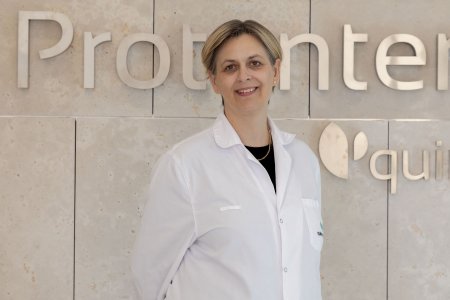
La Dra. Stephanie Lilianne E. Bolle es oncóloga radioterápica y jefa de Oncología Radioterápica del Centro de Protonterapia de Quirónsalud en Madrid. Dirige el departamento desde julio de 2024. Es el primer centro de protonterapia de España.
Doctora en Medicina, Universidad de Lieja (1998). Especialista en Oncología Radioterápica (2003). Es miembro activo de la Sociedad Europea de Oncología Pediátrica y colabora con su Grupo de Tumores Cerebrales y el Grupo de Trabajo de Oncología Radi

Escrito por Halina Shubala
 Olena Sikoza
España ofrece cirugías avanzadas para el cáncer de estómago, incluyendo plataformas robóticas Da Vinci y laparoscopia mínimamente invasiva. Estos métodos priorizan la precisión en la extirpación de ganglios linfáticos. Los centros especializados también ofrecen quimioterapia intraperitoneal hipertérmica (HIPEC) y PIPAC para casos peritoneales avanzados. La disección submucosa endoscópica (ESD) está disponible para tumores en etapas tempranas.
Perspectiva del experto de Bookimed: La experiencia de España en cirugía gástrica está altamente concentrada en centros oncológicos especializados. El Dr. Carlos Ballesta Lópe
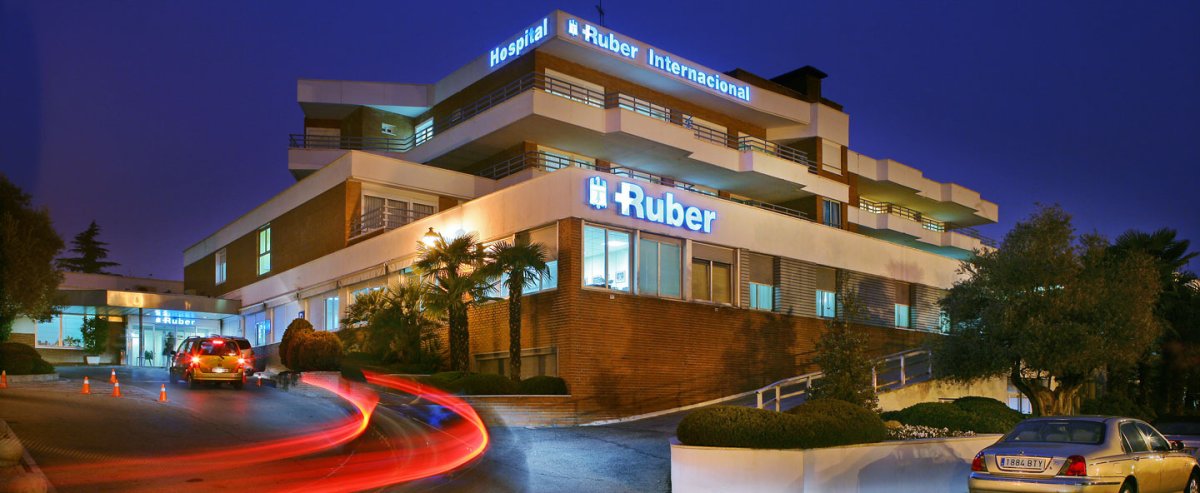
España ofrece radiación de alta precisión, incluyendo terapia de protones, radiocirugía Gamma Knife y radioterapia estereotáctica corporal (SBRT). Centros especializados ofrecen radioterapia de intensidad modulada (IMRT) y terapia de arco volumétrico (VMAT). Instalaciones como el Hospital Ruber Internacional y el Proton Therapy Centre Quironsalud utilizan protocolos acreditados por la JCI para la atención oncológica.
Opinión de expertos de Bookimed: Aunque muchos equiparan la radioterapia avanzada con costos elevados, España ofrece tratamientos especializados como Gamma Knife desde aproximadamente 35.000 $. Esto incluye diagnósticos completos como PET/CT y resonancia magnética. Nuestros datos muestran que centros como el Proton Therapy Centre Quironsalud han realizado más de 900 casos, destacando un alto volumen de experiencia que rivaliza con las principales instituciones académicas de EE. UU.
El tratamiento estándar para el cáncer de estómago en España a menudo implica un enfoque combinado. Los casos localizados requieren cirugía radical o gastrectomía. Los centros expertos españoles priorizan la linfadenectomía D2 para mejorar los resultados de supervivencia. La enfermedad localmente avanzada se maneja con quimioterapia perioperatoria. Los casos metastásicos utilizan terapias dirigidas e inmunoterapia.
Perspectiva del experto de Bookimed: Los datos muestran que Quironsalud introdujo el primer centro de terapia de protones de España en 2019. Esta instalación especializada atiende casos complejos utilizando expertos formados en el MGH de Boston. Si bien la cirugía estándar es común, estos centros brindan mayor precisión para casos cercanos a órganos críticos. Esta ventaja tecnológica atrae a pacientes internacionales que buscan alternativas a la radi
Barcelona y Madrid son los principales centros para el tratamiento del cáncer de estómago en España. Centros en Barcelona como el Centro Médico Teknon utilizan el sistema robótico Da Vinci y PET-TC. Madrid alberga instalaciones especializadas como Quironsalud Madrid. Ambas ciudades ofrecen atención acreditada por la JCI y protocolos avanzados de oncología gastrointestinal.
Perspectiva del experto de Bookimed: Barcelona destaca como un centro de cirugía gastrointestinal de alto volumen. El Centro Médico Teknon realiza por sí solo más de 23.500 operaciones al año. Este inmenso volumen quirúrgico se correlaciona con una experiencia técnica refinada. Los pacientes a menudo eligen Barcelona cuando buscan cirujanos que manejen reconstrucciones gástricas complejas. La ciudad también ofrece más opciones acreditada
Identifique a los mejores especialistas en cáncer de estómago en España buscando la acreditación de la Joint Commission International (JCI) y la certificación de la ESMO. Los hospitales líderes en Barcelona y Madrid ofrecen tratamientos avanzados. Estos incluyen HIPEC, cirugía robótica Da Vinci y terapia de protones para casos gástricos complejos.
Perspectiva del experto de Bookimed: El volumen de pacientes es una señal importante de calidad en España. La Clínica Universidad de Navarra trata a más de 140.000 pacientes al año y posee un certificado JCI de EE. UU. único. Si bien los centros con mayor volumen a menudo gestionan casos complejos, verificar el número de cirugías específicas, como los 12.000 procedimientos del Dr. Carlos Ballesta, puede ser más revelador que los rankings generales de hospitales.
Consenso de los pacientes: Los pacientes señalan que la
Los pacientes deben planificar una estancia en España de 14 a 21 días para una cirugía de cáncer de estómago. Un ciclo completo de quimioterapia o radioterapia suele extender la estancia total a 2 o 3 meses. Los centros especializados en Barcelona suelen proporcionar resultados de diagnóstico en un plazo de 48 horas.
Perspectiva del experto de Bookimed: Centros españoles como el Centro Médico Teknon y el Hospital Quirón Barcelona ofrecen cirugía robótica Da Vinci. Este enfoque mínimamente invasivo puede reducir las estancias hospitalarias a solo 3 a 5 días en comparación con la cirugía abierta. Los pacientes que viajan por casos complejos deben buscar cirujanos como el Dr. Carlos Ballesta López, quien ha realizado más de 12,000 procedimientos, para garantizar una recuperación estable antes de realizar viajes de larga distancia.
Consenso de los pacientes: Los pacien
Los paquetes de tratamiento para el cáncer de estómago en España suelen centrarse en diagnósticos avanzados y terapias de alta precisión. Las inclusiones estándar cuentan con consultas con oncólogos, marcadores sanguíneos e imágenes tumorales como PET-CT o resonancia magnética. Los procedimientos principales a menudo utilizan tecnologías como el sistema robótico Da Vinci o la terapia de protones Proteus ONE.
Perspectiva del experto de Bookimed: Muchos pacientes pasan por alto que los paquetes españoles de alta gama para terapia de protones o Gamma Knife a menudo excluyen los costos logísticos. Aunque el Hospital Ruber Internacional y el Proton Therapy Centre Quironsalud ofrecen tecnología de élite, sus paquetes suelen mostrar 0 noches de hospital. Los pacientes deben presupuestar de 25 a 60 noches en hoteles loc