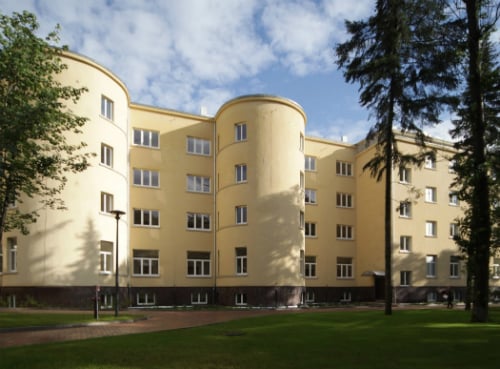
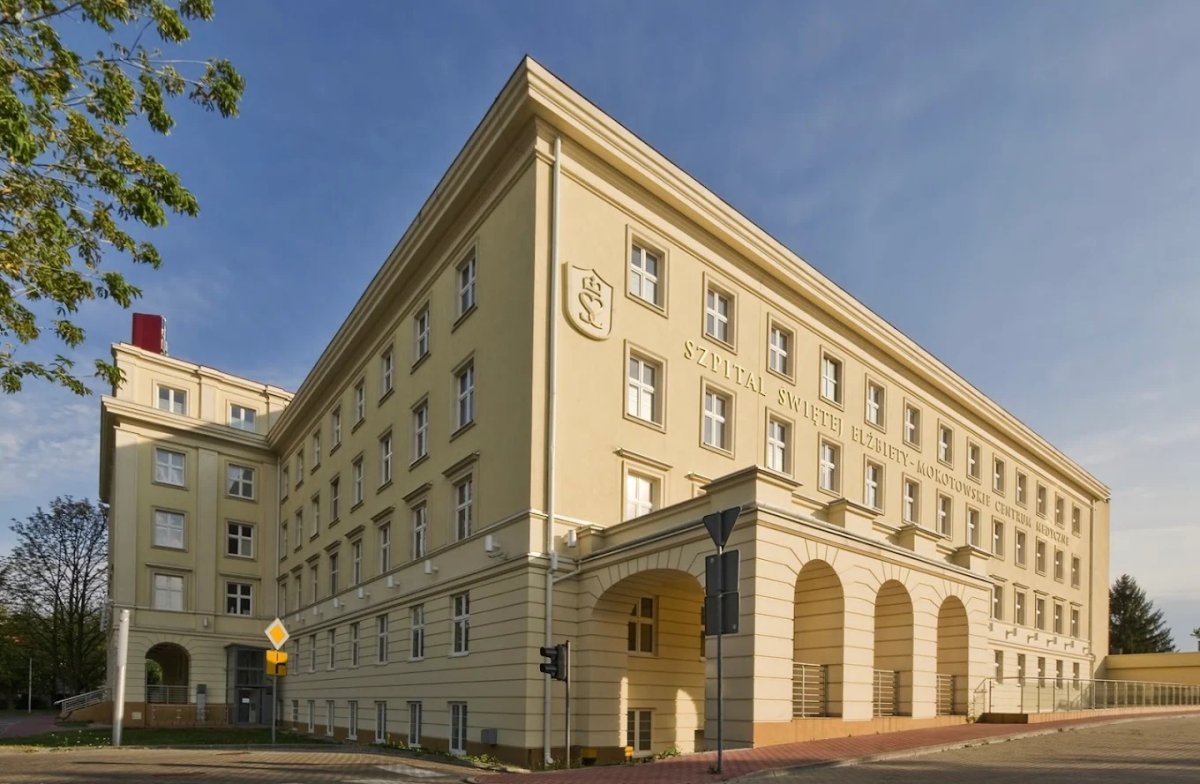
Hospital Universitario de Cracovia
Polonia, Cracovia


Revisado médicamente por
Fahad Mawlood
El costo del tratamiento del cáncer de estómago en Polonia está influenciado por la etapa de la enfermedad y la terapia seleccionada, con una gastroscopia de diagnóstico que oscila entre $100 y $200. Los procedimientos principales como la cirugía de cáncer de estómago van desde $15,000 hasta $25,000, mientras que la quimioterapia para el cáncer de estómago cuesta entre Precio a consultar y Precio a consultar. Los pacientes suelen ahorrar entre un 50 y un 80% en comparación con los precios de EE. UU. Los mejores centros de tratamiento se encuentran en Cracovia, Varsovia y Otwock.
Costos típicos del tratamiento del cáncer de estómago en Polonia
Perspectiva de expertos de Bookimed: Los pacientes con casos complejos se benefician de centros multidisciplinarios como el Hospital Universitario de Cracovia. Gestiona 455,000 pacientes anualmente en 103 departamentos especializados. Para una radiación precisa, el Instituto de Cirugía Cibernética ofrece tecnología CyberKnife especializada. Los pacientes con complicaciones cardio-oncológicas deberían considerar el Centro Europeo de Salud de Otwock. Esta instalación cuenta con el único departamento de cardio-oncología interdisciplinario de Polonia para una atención integral.
| Polonia | España | Turquía | |
| Terapia con haz de protones | de $85,000 | de $25,268 | de $1,500 |
| Sistema Robótico Da Vinci | de $12,000 | de $21,809 | de $12,000 |
| Resección de estómago | de $5,728 | de $9,000 | de $18,450 |
| Quimioterapia intraperitoneal hipertérmica (HIPEC) | de $17,000 | de $26,858 | de $6,500 |
| Nanocuchillo | de $7,000 | de $12,000 | de $9,500 |
Bookimed no añade cargos extra a los precios de los tratamientos de Cáncer de estómago. Las tarifas proceden de las listas de precios oficiales de las clínicas. Pagará directamente en la clínica por su tratamiento a su llegada al país.
Bookimed está comprometido con su seguridad. Solo trabajamos con las clínicas que mantienen altos estándares internacionales en el tratamiento de Cáncer de estómago y cuentan con las licencias necesarias para atender a pacientes internacionales en todo el mundo.
Bookimed ofrece asistencia experta gratuita. Un coordinador médico personal le apoya antes, durante y después de su tratamiento, resolviendo cualquier problema. Nunca estará solo en su viaje médico de tratamiento de Cáncer de estómago.


El Dr. Andrzej Wronski es un oncólogo dedicado en el Centro Europeo de Salud de Otwock, centrado en el tratamiento del cáncer de estómago.
 Olena Sikoza
El tratamiento del cáncer de estómago en Polonia muestra una tasa de supervivencia a 5 años de aproximadamente el 26 %. El éxito varía significativamente según la etapa. Los casos en etapa temprana tratados con cirugía alcanzan tasas de supervivencia de hasta el 70 %. La extirpación completa del tumor (resección R0) conduce a una tasa de supervivencia a 5 años del 43,5 %.
Perspectiva del experto de Bookimed: Aunque la supervivencia general promedia el 26 %, el Hospital Universitario de Cracovia atiende a 455 000 pacientes anualmente. Este alto volumen es un indicador clave de calidad. Los centros con esta capacidad a menudo utilizan el sistema robótico Da Vinci. Cirujanos expertos como el Dr. Andrzej Wronski enfatizan que los centros de alto vo
Los tratamientos robóticos avanzados para el cáncer de estómago están disponibles en Polonia en centros oncológicos especializados y grandes hospitales académicos. Las instalaciones utilizan sistemas como la plataforma robótica da Vinci para realizar resecciones gástricas precisas. Estos procedimientos ofrecen menos traumatismos, menor pérdida de sangre y una recuperación más rápida en comparación con la cirugía abierta tradicional.
Opinión de los expertos de Bookimed: Si bien la cirugía robótica está avanzando, Polonia destaca por sus centros académicos especializados. El Hospital Universitario de Cracovia por sí solo trata a 455.000 pacientes al año en 103 departamentos. Este enorme volumen de pacientes sugiere que los cirujanos de dichas instituciones adquieren una experiencia significativa en casos complejos. Al considerar opciones robóticas, priorice estos centros de alto vol
Los mejores hospitales para el cáncer de estómago en Polonia incluyen el Hospital Universitario de Cracovia y el Centro Europeo de Salud de Otwock. Estas instalaciones ofrecen resección gástrica avanzada, HIPEC y gastrectomía asistida por robot. Utilizan juntas de tumores multidisciplinarias y departamentos especializados en cardio-oncología para gestionar casos complejos.
Perspectiva de expertos de Bookimed: Aunque el prestigio importa, el volumen es el indicador más fuerte de éxito en los procedimientos gástricos. El Hospital Universitario de Cracovia destaca con más de 1,000 médicos y 1,600 camas. Esta escala masiva a menudo se correlaciona con cirujanos como el Dr. Andrzej Wronski, quienes mantienen frecuencias de procedimientos más altas. Para el cáncer de estómago, los centros con estos volúmenes altos suelen reportar una eficac