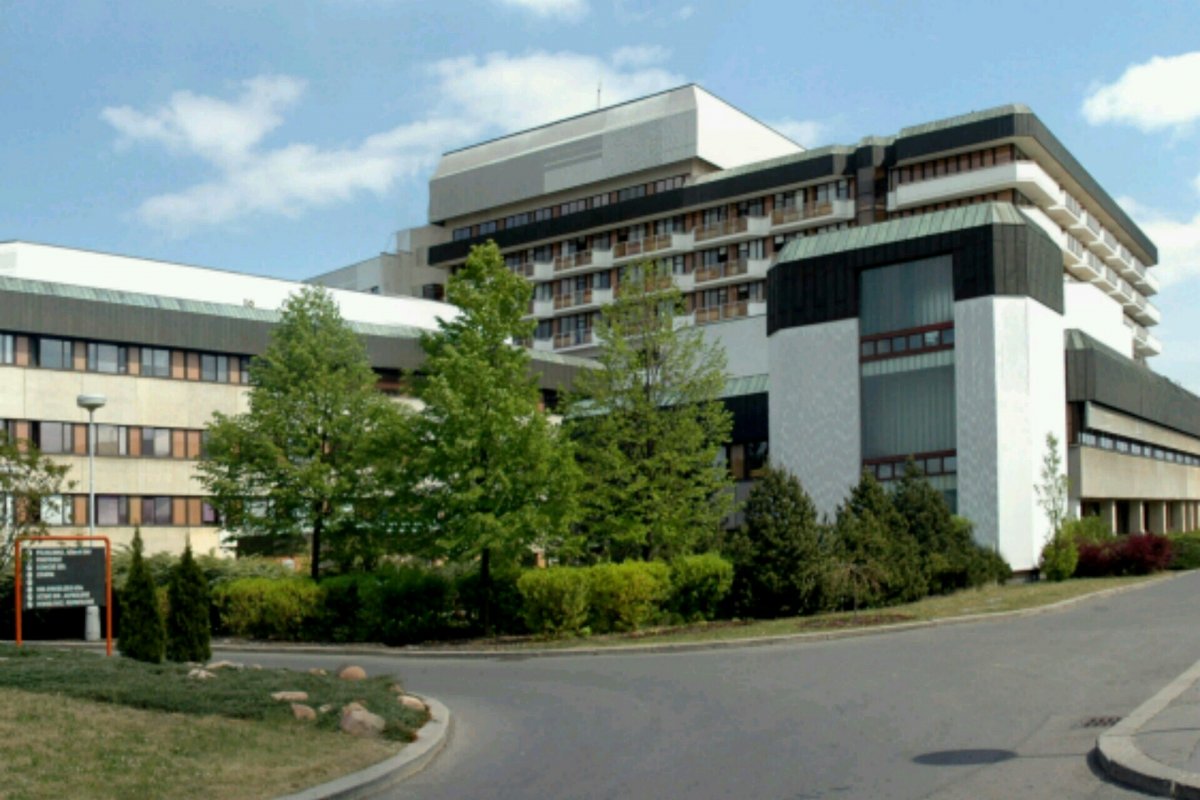
Robotic Surgery Center in St. Zdislava Hospital
República Checa, Velke Mezirici
Clínica certificada por : 



Revisado médicamente por
Fahad Mawlood
De $900. Los gastos totales dependen de la etapa del cáncer, el método quirúrgico elegido y el nivel del centro médico. Los pacientes a menudo encuentran ahorros del 40-60% en comparación con los EE. UU. Los mejores centros de tratamiento se encuentran en Praga y Velke Mezirici.
Costos típicos del tratamiento del cáncer de estómago en la República Checa
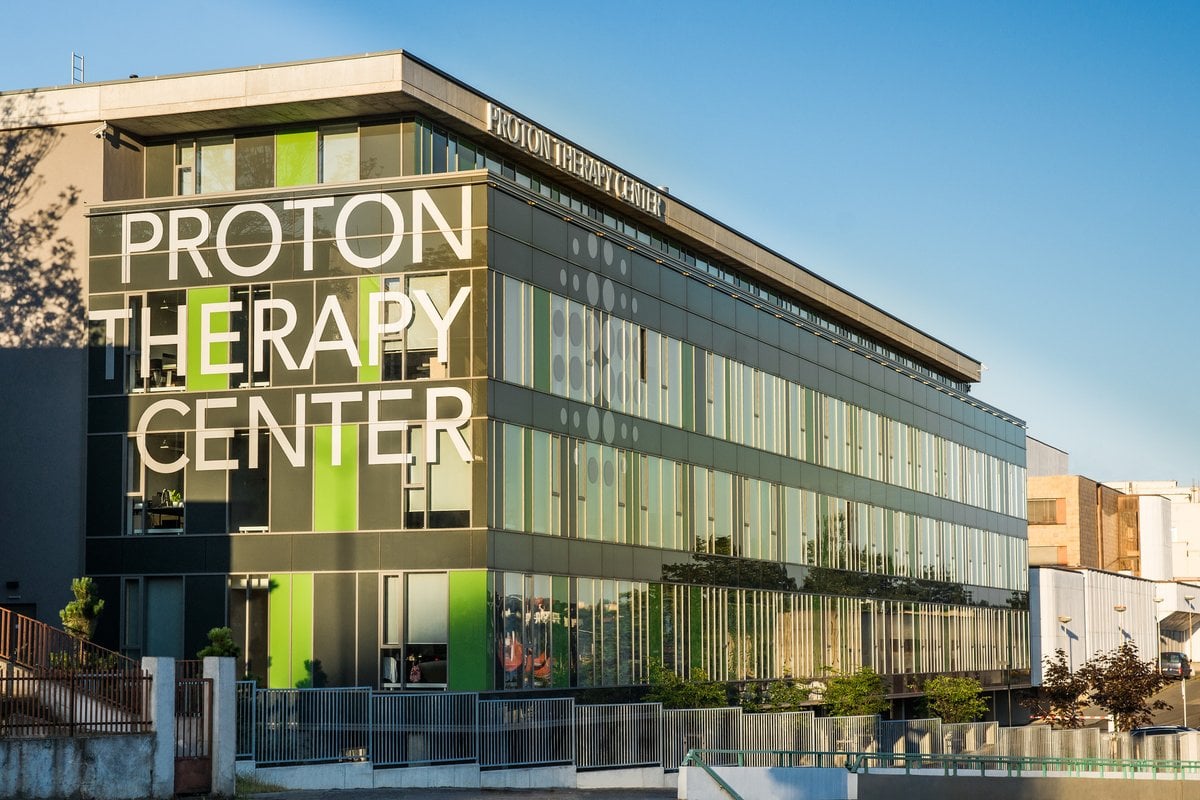
Perspectiva de expertos de Bookimed: Los pacientes que buscan atención oncológica de alta precisión deben priorizar los centros con tecnología especializada. La cirugía robótica en el Hospital St. Zdislava es ideal para resecciones complejas, ya que el Dr. Jaroslav Tvaruzek ha realizado más de 3,500 procedimientos robóticos. Para casos avanzados, el Centro de Terapia de Protones de Praga es el más grande de Europa. La atención multidisciplinaria en Nemocnice Na Homolce es la mejor para pacientes con afecciones cardiovasculares coexistentes.
| República Checa | España | Turquía | |
|---|---|---|---|
| Terapia con haz de protones | ≈ $24,000 | de $43,300 | de $25,000 |
| Sistema Robótico Da Vinci | ≈ $6,500 | de $16,800 | de $23,900 |
| Resección de estómago | ≈ $7,500 | de $20,000 | de $3,100 |
| Quimioterapia intraperitoneal hipertérmica (HIPEC) | ≈ $14,000 | de $81,700 | de $18,000 |
| Nanocuchillo | ≈ $9,500 | ≈ $9,500 | ≈ $9,500 |

Ha realizado más de 3.500 cirugías robóticas – el Dr. Tvaruzek dirige el Centro de Cirugía Robótica en el Hospital St. Zdislava.

Escrito por Halina Shubala
 Olena Sikoza
Los mejores hospitales para el cáncer de estómago en la República Checa incluyen el Hospital Universitario Motol y el Instituto Conmemorativo del Cáncer Masaryk. Estos centros universitarios públicos son líderes en experiencia oncológica. Instalaciones como el Centro de Cirugía Robótica del Hospital St. Zdislava se especializan en gastrectomías mínimamente invasivas utilizando el sistema Da Vinci.
Perspectiva del experto de Bookimed: Si bien las instalaciones privadas como Nemocnice Na Homolce ofrecen atención moderna, los hospitales universitarios públicos a menudo manejan los casos oncológicos más complejos. El Hospital St. Zdislava destaca por su volumen quirúrgico. Ha realizado más de 4,000 operaciones robóticas. Nuestros datos sugieren que elegir un centro especializado en métodos robóticos a menudo conduce a estancias hospitalarias más cortas.
Consenso de los pacientes: Los p
Los pacientes con cáncer de estómago en la República Checa tienen una tasa de supervivencia general a cinco años del 32 %. Los resultados dependen en gran medida del estadio. Los pacientes en estadio I alcanzan una tasa de supervivencia a cinco años del 69 %. Las clínicas especializadas utilizan robots Da Vinci y terapia de protones para mejorar los resultados exitosos.
Perspectiva del experto de Bookimed: Si bien las tasas de supervivencia a menudo están relacionadas con el diagnóstico temprano, la elección de la tecnología es un diferenciador importante. El Centro de Cirugía Robótica del Hospital St. Zdislava ha realizado más de 4.000 operaciones robóticas. Nuestros datos muestran que centros especializados como este atienden a más de 2.300 pacientes al año. Este alto volumen a menudo permite procedimientos de linfadenectomía D2 más precisos, que son esenciales para la super
La República Checa ofrece tratamientos de alta precisión para el cáncer de estómago, incluyendo gastrectomías asistidas por robot y terapia de protones. Los pacientes acceden a centros especializados que realizan más de 4.000 procedimientos robóticos. La atención multidisciplinaria combina cirugía avanzada con fármacos de inmunoterapia como Nivolumab y protocolos modernos de quimioterapia como FLOT.
Perspectiva de expertos de Bookimed: Aunque muchos buscan atención oncológica en Praga, el mayor volumen de gastrectomías robóticas ocurre en Velke Mezirici. El Dr. Jaroslav Tvaruzek ha realizado personalmente más de 3.500 procedimientos robóticos. Esta experiencia concentrada en el Hospital St. Zdislava a menudo conduce a mejores resultados quirúrgicos que en los centros multidisciplinarios generales.
Consenso de los pacientes: Los pacientes enfatizan la importancia de realizar la prueba
La preparación médica implica la coordinación de documentación completa y la optimización física antes del viaje. Los pacientes deben obtener informes de patología digitales, escaneos PET/CT y una carta firmada por el oncólogo. Traducir los registros al inglés o al checo es esencial para evitar retrasos en el diagnóstico. Organizar un seguro de viaje que cubra explícitamente la oncología también es un paso crítico.
Perspectiva del experto de Bookimed: Si bien los centros de Praga como el Nemocnice Na Homolce manejan más de 15,000 cirugías al año, la experiencia robótica a menudo se encuentra en centros especializados. Los datos muestran que el Dr. Jaroslav Tvaruzek en el Hospital St. Zdislava ha real
La recuperación tras una gastrectomía robótica en hospitales checos suele incluir una estancia hospitalaria de 5 a 10 días. Los pacientes comienzan a caminar en las primeras 24 horas para prevenir coágulos. La nutrición temprana comienza con sorbos de agua. La mayoría de los pacientes retoman actividades ligeras en 14 días y el trabajo completo en 4 semanas.
Perspectiva del experto de Bookimed: Aunque la mayoría de los centros se centran en la urología, hospitales como el Centro de Cirugía Robótica del Hospital St. Zdislava han realizado más de 4,000 operaciones robóticas. Este alto volumen a menudo permite protocolos de recuperación especializados. Su ubicación en una reserva natural también puede ayudar a reducir el estrés del paciente durante la semana inicial. El Dr. Jaroslav Tvaruzek ha realizado más de 3,500 procedimientos robóticos. Tal experiencia extensa generalmente contribuye a una recuperación funcional
Centros oncológicos checos especializados, como el Hospital St. Zdislava y el Hospital Universitario General de Praga, ofrecen quimioterapia intraperitoneal hipertérmica (HIPEC) para el cáncer de estómago avanzado. Estas instalaciones combinan la cirugía citorreductora con quimioterapia caliente para atacar las metástasis peritoneales. La idoneidad del tratamiento depende de una revisión multidisciplinaria de la propagación del tumor.
Perspectiva del experto de Bookimed: Aunque muchos buscan HIPEC en Praga, el Hospital St. Zdislava destaca por su volumen quirúrgico. El Dr. Jaroslav Tvaruzek ha realizado más de 3.500 procedimientos robóticos allí. Este alto volumen a menudo se traduce en una mayor precisión durante la compleja fase citorreductora antes de que comience la HIPEC.
Consenso de los paciente
La terapia de protones en Praga trata el cáncer de estómago con la tecnología de escaneo de haz de lápiz (Pencil Beam Scanning). Este método administra radiación con una precisión milimétrica. Protege de daños a órganos sensibles como los riñones y el hígado. Los especialistas la utilizan para tumores inoperables o recurrencias de cáncer cerca de estructuras vitales.
Perspectiva del experto de Bookimed: Praga sirve como centro europeo para la terapia de haz de protones. El Centro de Terapia de Protones trabaja junto a hospitales quirúrgicos como el Nemocnice Na Homolce. Esta colaboración multidisciplinaria es vital para los casos gastrointestinales. Los pacientes pueden acceder a cirugía robótica en el Hospital St. Zdislava para la extirpación del tumor primario. Luego reciben terapia de protones para un tratamiento postquirúrgico dirigido o en caso de recurrencia.
Consenso de los pacientes: Los pacientes señalan q