Ir a inicio
820К+ pacientes han recibido asistencia desde 2014
50 países
1,500 clínicas
6K+ reseñas
3K+ médicos calificados

¿Cuál es el precio de Métodos de la medicina tradicional china en China? Descubra ahora

El precio promedio de Métodos de la medicina tradicional china en China es de $2,350, el precio mínimo es de $1,200, y el precio máximo es de $3,500.
ChinaEspañaTurquía
Métodos de la medicina tradicional chinade $1,200de $200de $250
Datos verificados por Bookimed a partir de May 2026, basados en solicitudes de pacientes y cotizaciones oficiales de 4 clínicas en todo el mundo. Los costos medianos se basan en facturas reales (2025–2026) y se actualizan mensualmente. Los precios reales pueden variar.

Sus beneficios y garantías con Bookimed

Precios directos

Bookimed no añade cargos adicionales a los precios de Métodos de la medicina tradicional china. Las tarifas proceden de las listas de precios oficiales de las clínicas. Pagará directamente en la clínica por su Métodos de la medicina tradicional china a su llegada al país.

Sólo clínicas y médicos verificados

Bookimed está comprometido con su seguridad. Solo trabajamos con las clínicas que mantienen altos estándares internacionales en Métodos de la medicina tradicional china y tienen las licencias necesarias para atender a pacientes internacionales en todo el mundo.

Asistencia 24/7 gratuita

Bookimed ofrece asistencia experta gratuita. Un coordinador médico personal le apoya antes, durante y después del tratamiento, resolviendo cualquier problema. Nunca estará solo en su viaje médico de Métodos de la medicina tradicional china.

¿Por qué nosotros?

Su coordinador médico personal de Bookimed

  • Le apoya en cada etapa
  • Ayuda a elegir la clínica y el médico adecuados
  • Asegura un acceso rápido y conveniente a la información

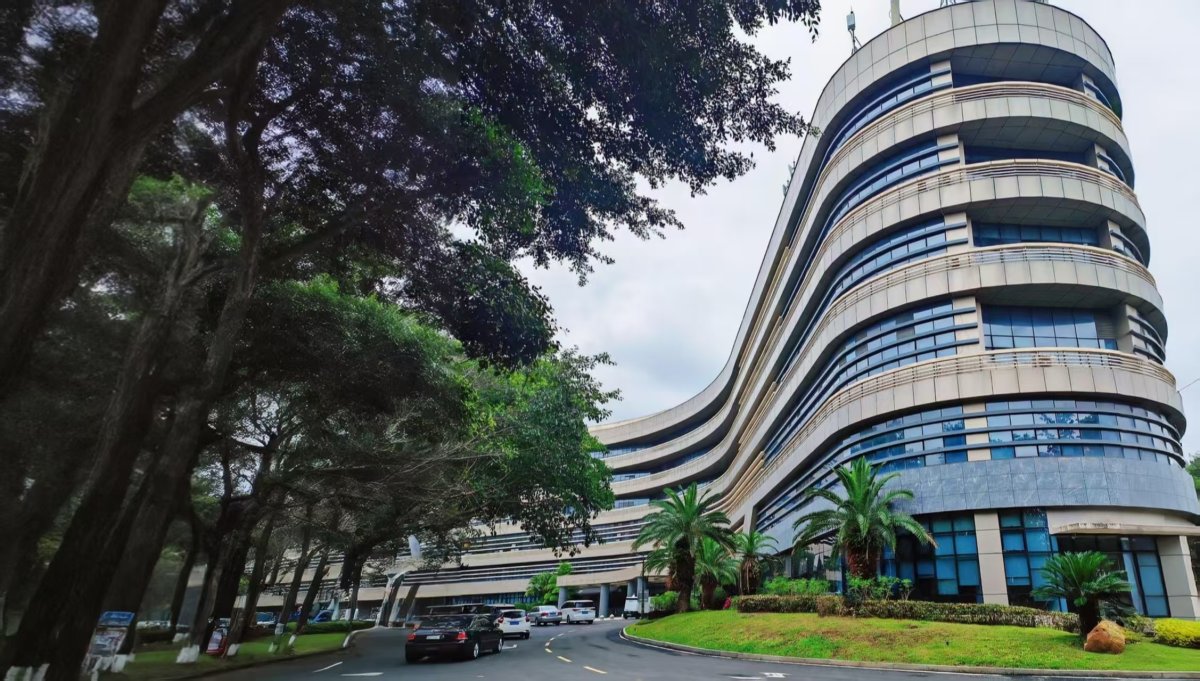
Descubra las mejores clínicas de Métodos de la medicina tradicional china en China: 2 opciones verificadas y Precios

El ranking de clínicas de Bookimed se basa en algoritmos de data science, ofreciendo una comparación confiable, transparente y objetiva. Tiene en cuenta la demanda de pacientes, las puntuaciones de reseñas (positivas y negativas), la frecuencia de actualización de opciones de tratamiento y precios, la rapidez de respuesta y las certificaciones de las clínicas.

Descripción general de Métodos de la medicina tradicional china en China

Conclusiones
Procedimientos relacionados y Precios
Cómo funciona
Ventajas
Pago
pacientes lo recomiendan -
85%
Comisiones de Bookimed - $0

Obtenga una evaluación médica para Métodos de la medicina tradicional china en China: Elija su especialista entre los mejores en el campo

Ver todos los médicos
verificado

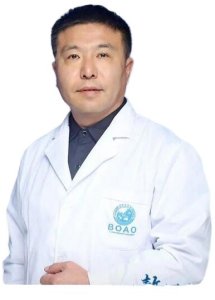
Sun Chen Yang

38 años de experiencia

El profesor Sun Chen Yang es un destacado médico y científico de la antigua medicina china Qihuang, ampliamente reconocido en Beijing.

  • Director del Instituto de Medicina Integrativa Tradicional China y Occidental de la Universidad de Pekín
  • Jefe de múltiples departamentos, incluyendo Medicina Tradicional China en el Hospital Internacional de la Universidad de Pekín
  • Autor de más de 100 artículos en SCI y otras revistas
  • Director Ejecutivo de la Sociedad China de Medicina Tradicional China
verificado

Fan Yun Pin

37 años de experiencia

Director de la Sociedad Nacional de Medicina China y líder en medicina clínica integrativa china y occidental: el Dr. Fan Yun Pin aporta una amplia experiencia.

  • Autor de más de 180 artículos científicos y 8 libros sobre MTC
  • Ganador del Premio de Ciencia y Tecnología de Beijing por sus contribuciones a la medicina
  • Talento clínico nacional destacado de la medicina china
  • Jefe del Grupo de Medicina Integrativa China y Occidental en el Centro Clínico Nacional de Enfermedades Neurológicas
verificado

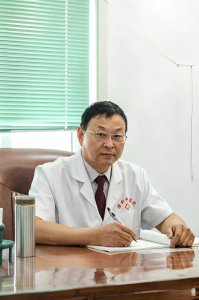
You Deming

46 años de experiencia

El Dr. You Deming es el Director del Departamento de Medicina Tradicional China. Se graduó en la Universidad de Medicina Tradicional China de Anhui. Tiene más de 40 años de experiencia clínica. Anteriormente trabajó en el Primer Hospital del Pueblo de Bengbu.

Su práctica se centra en los trastornos pediátricos comunes. Se especializa en la terapia de tuina pediátrica. También trata afecciones complejas de medicina interna, trastornos reumáticos, diabetes y ginecología e infertilidad de la MTC.

Reconocimiento profesional: Miembro del Comité Permanente del Consorcio para el Desarrollo de la Tuina Pediátrica de la Asociación China de Medicina Tradicional China.

Compartir contenido

Historias en video de pacientes de Bookimed

Dayana
Combiné mis vacaciones en Antalya con un chequeo médico.
Procedimiento: Chequeo femenino
Igor
¡Fue genial! Traslados, alojamiento, tratamiento, todo incluido.
Procedimiento: Implante dental
Clínica: WestDent Clinic
Marina
Bookimed se encargó de todo. No tuve que preocuparme por nada.
Procedimiento: Chequeo femenino
Actualizado: 10/23/2024
Escrito por
Olena Sikoza
Olena Sikoza
Сopywriter en español
Copywriter médica certificada responsable del contenido en español de Bookimed. Más de 7 años de experiencia en redacción sobre salud y turismo médico, con formación académica en edición científica y desarrollo de contenidos.
Fahad Mawlood
Editor médico y Científico de datos
Médico general. Ganador de 4 premios científicos. Sirvió en Asia Occidental. Es el ex jefe del equipo médico que soporta a pacientes de habla árabe. Ahora es responsable del procesamiento de datos y la precisión del contenido médico.
Fahad Mawlood Linkedin
Esta página puede incluir información relacionada con diversas afecciones médicas, tratamientos y servicios de salud disponibles en diferentes países. Tenga en cuenta que el contenido se proporciona sólo con fines informativos y no debe interpretarse como asesoramiento médico o orientación. Por favor consulte con su médico o con un profesional médico calificado antes de comenzar o cambiar el tratamiento médico.

Preguntas frecuentes sobre Métodos de la medicina tradicional china en China

Estas preguntas frecuentes provienen de pacientes reales que buscan atención médica a través de Bookimed. Las respuestas son proporcionadas por coordinadores médicos experimentados y representantes autorizados de las clínicas.

Does acupuncture hurt?

Acupuncture generally does not hurt when performed by licensed practitioners using ultra-fine, solid needles. Most patients describe the initial insertion as a minor pinch or mosquito bite. Rather than pain, you typically feel unique sensations like heaviness, tingling, or a mild dull ache.

  • Needle thickness: Solid needles are hair-thin, unlike hollow medical needles used for injections.
  • Sensory response: You may feel deqi, a normal sign of nervous system activation.
  • Sensitive zones: Hands, feet, and fingers often feel more sensitive than fleshy areas.
  • Muscle reaction: Tight or inflamed muscles might experience a brief, quick release twitch.

Bookimed Expert Insight: TCM treatments at top-tier facilities like Yanda International Hospital often involve deeper needle stimulation than Western styles. We see patients seeking experts like Sun Chen Yang because their precise manual manipulation techniques maximize the therapeutic response. While this approach feels more intense, it is a hallmark of authentic Chinese clinical practice.

Patient Consensus: Expect bizarre but harmless sensations like a soft electric zip or spreading warmth. Many people find the deep relaxation so profound they fall asleep during the 15-to-30-minute session.

What is the foundational theory behind Traditional Chinese Medicine methods?

Traditional Chinese Medicine theory frames the human body as a holistic system governed by Qi or vital energy. Health depends on the dynamic balance of Yin and Yang forces and the Five Elements. Practitioners treat individual symptom patterns to restore harmony through meridian channels rather than targeting isolated diseases.

  • Qi energy: The life force circulating through meridians to power organ functions and immunity.
  • Yin and Yang: Complementary opposites where health requires equilibrium between cooling, quiet and warming, active forces.
  • Pattern diagnosis: Assessing unique symptom constellations from tongue, pulse, and sleep to identify internal imbalances.
  • Treatment methods: Using acupuncture, herbal formulas, and Tui Na massage to unblock vital energy flow.

Bookimed Expert Insight: Bookimed data shows that premier Chinese facilities like Yanda International Hospital integrate TCM directly with Western neurology and rehabilitation. This hybrid approach is led by experts like Dr. Fan Yun Pin, who manages national research foundations. Patients benefit from a system where world-class diagnostic technology and ancient herbal protocols are applied under one roof by board-certified directors.

Patient Consensus: Patients emphasize that TCM is a mainstream medical system in China that treats the whole person. Many report that practitioners create unique treatment plans based on digestion and emotional state rather than just a disease label.

What are Chinese herbal medicines made of?

Chinese herbal medicines consist of complex, multi-ingredient formulas derived primarily from plant matter, including roots, bark, leaves, and seeds. These prescriptions often integrate natural minerals and animal-derived components, tailored through traditional pulse and tongue diagnosis to balance a patient’s internal energy and systemic health.

  • Plant components: Practitioners use roots like ginseng, licorice, and ginger for concentrated therapeutic potency.
  • Natural minerals: Earth elements like gypsum or magnetite are added to clear heat.
  • Animal ingredients: Formulas may include oyster shells or honey to anchor energy and synergy.
  • Custom delivery: Ingredients are boiled into decoctions or processed into concentrated, water-soluble granules.

Bookimed Expert Insight: While many assume herbalism is purely botanical, top Chinese institutions like Yanda International Hospital integrate these formulas with Western clinical pharmacology. Our data shows that modern TCM centers now focus on standardized granules to ensure precise dosing. This shift eliminates the variable potency and contaminants often found in raw, unprocessed market herbs.

Patient Consensus: Patients often find the intense, bitter taste of boiled decoctions surprising. They emphasize that reputable practitioners prioritize individualized formulas over generic, pre-packaged tablets for chronic conditions.

Can Traditional Chinese Medicine be combined with Western medicine?

Integrative medicine in China successfully combines Traditional Chinese Medicine (TCM) with Western medical protocols to enhance patient outcomes. This hybrid approach uses TCM for symptom management and side-effect reduction, while Western medicine provides rapid, targeted interventions for acute conditions or diagnostic precision.

  • Treatment synergy: Combining therapies often yields superior results for neurological recovery and metabolic disorders.
  • Specialized facilities: Hospitals like Yanda International Hospital integrate JCI-accredited safety standards with traditional techniques.
  • Safety protocol: Patients must maintain 2-hour gaps between herbal decoctions and Western pharmaceuticals.
  • Expert oversight: Leading specialists like Dr. Fan Yun Pin supervise complex integrative treatment plans.

Bookimed Expert Insight: Data shows China centers such as Yanda International Hospital serve 2,500,000 patients annually by merging Class A level III medical standards with TCM. Patients seeking neurological rehabilitation benefit most when a Director-level specialist coordinates both herbal regimens and modern physiotherapy within a single facility.

Patient Consensus: Using TCM as a supportive add-on rather than a full replacement ensures the best safety profile. Patients emphasize that disclosing every acupuncture session and supplement to Western providers prevents dangerous drug interactions.

What is the practical difference between cupping and moxibustion in TCM?

Cupping uses negative pressure to clear physical stagnation and draw toxins outward. Moxibustion utilizes thermal heat from burning mugwort to warm meridians and build energy. While cupping addresses acute muscle tension and heat, moxibustion treats chronic cold-induced conditions and internal weakness within traditional Chinese medicine.

  • Physical mechanism: Cupping creates a vacuum; moxibustion applies deep-penetrating infrared heat from herbs.
  • Treatment goals: Cupping drains excess stagnation; moxibustion tonifies and nourishes deficient body systems.
  • Clinical sensation: Patients feel intense pulling during cupping versus relaxing, herbal warmth during moxibustion.
  • Visual aftermath: Cupping leaves circular purple marks; moxibustion leaves temporary redness and distinct smoke.

Bookimed Expert Insight: In top-tier JCI-accredited Chinese hospitals like Yanda International, traditional methods are never used in isolation. These Class A facilities integrate cupping and moxibustion into complex neurological and motor restoration protocols. For instance, specialists like Fan Yun Pin combine these ancient thermal and mechanical therapies with modern Western diagnostics to treat chronic fatigue and motor neuron diseases more effectively than standalone wellness centers.

Patient Consensus: Patients often view cupping as a cleaner, more convenient deep-tissue alternative for shoulder pain. In contrast, moxibustion is preferred for internal discomfort, though its strong herbal smoke requires proper clinical ventilation.

What are the Four Diagnostic Methods used by Traditional Chinese Medicine practitioners?

Traditional Chinese Medicine practitioners utilize the Four Diagnostic Methods—Inspection, Listening and Smelling, Inquiry, and Palpation—to identify patterns of disharmony. These techniques assess vitality and organ function through visual cues, auditory signs, lifestyle questioning, and physical touch to create a holistic health profile.

  • Inspection (Wang): Practitioners analyze tongue color, shape, and coating alongside facial complexion and posture.
  • Listening and Smelling (Wen): Evaluation includes assessing voice pitch, breathing patterns, and specific body odors.
  • Inquiry (Wen): Detailed questioning covers sleep quality, digestion, temperature preferences, and emotional status.
  • Palpation (Qie): Doctors perform pulse diagnosis at three wrist positions and check abdominal tenderness.

Bookimed Expert Insight: Top-tier Class A Level III clinics like Yanda International Hospital successfully blend these ancient diagnostics with 28,500 modern technologies. This hybrid approach allows specialists like Dr. Fan Yun Pin to treat complex neuro-disorders by matching TCM pattern-based findings with international medical protocols.

Patient Consensus: Many find that TCM consultations last significantly longer than Western visits due to the extensive questioning. Patience is key, as different practitioners might interpret tongue and pulse findings through slightly different clinical lenses.

What are the main limitations and safety considerations of Traditional Chinese Medicine?

Traditional Chinese Medicine (TCM) limitations include a lack of standardized clinical evidence and risks of herb-drug interactions. Safety concerns center on product quality, potential heavy metal contamination, and the intrinsic toxicity of specific herbs like Aristolochia, which can cause severe organ damage if used without expert supervision.

  • Evidence standards: Many practices rely on empirical knowledge rather than double-blind clinical trials.
  • Product purity: Testing has found heavy metals like lead or mercury in unvetted herbal mixtures.
  • Drug interactions: Herbs can dangerously alter the effects of anticoagulants, diabetes medications, and antidepressants.
  • Toxicity risks: Certain compounds, such as aristolochic acid, can cause irreversible kidney failure.

Bookimed Expert Insight: Quality often depends on the facility tier rather than just the practitioner. In China, Grade A Level III clinics like Yanda International Hospital integrate TCM within JCI-accredited safety frameworks. Choosing an integrative center ensures that herbal treatments are monitored alongside Western diagnostics to prevent dangerous delays in treating acute conditions.

Patient Consensus: Patients emphasize that TCM is best for managing symptoms or lifestyle balance rather than emergencies. Many warn that herb-drug interactions are a significant reality and suggest vetting practitioners individually rather than trusting the TCM label alone.

Does acupuncture hurt and how does it work?

Acupuncture is generally not painful because the solid, hair-thin needles gently displace tissue rather than cutting it. Patients typically feel a minor pinch during insertion, followed by a dull ache or tingling sensation called de qi, which indicates neurological and circulatory activation.

  • Physiological mechanism: Stimulates sensory nerves to release natural endorphins and mood-regulating serotonin.
  • Traditional perspective: Rebalances qi flow through 14 major meridians to restore systemic homeostasis.
  • Sensation profile: Minor sting upon entry typically dissipates into warmth or heavy pressure.
  • Sensitive zones: Dense nerve areas like hands, feet, and ears register more sensation.

Bookimed Expert Insight: In China, top-tier Class A level III facilities like Yanda International Hospital integrate TCM with Western neurology. Our data shows these clinics serve over 2,500,000 patients annually because they use standardized high-volume protocols. This clinical approach often yields more consistent outcomes than smaller boutique practices for complex neurological conditions.

Patient Consensus: Most people describe a quick prick followed by deep relaxation, sometimes even falling asleep. You might notice the most significant relief or calmness several hours after the session ends.

What is Chinese herbal medicine and how is it prescribed?

Chinese herbal medicine is a holistic healing system using customized plant, mineral, and animal combinations to restore internal balance. Certified practitioners in China prescribe these unique formulas based on pattern diagnosis, analyzing specific constitutional factors like tongue appearance, pulse quality, and energy flow (Qi) to treat root causes.

  • Formula composition: Practitioners combine 5 to 15 herbs using a monarch-minister-assistant-guide hierarchical system.
  • Diagnostic approach: Prescriptions target individual patterns rather than standardized symptoms for personalized physiological regulation.
  • Administration forms: Herbs are delivered as raw decoctions, water-soluble granules, or standardized patent tablets.
  • Dynamic adjustment: Doctors frequently modify formulas during follow-up visits as the patient's condition evolves.

Bookimed Expert Insight: While raw herb decoctions are traditional, major JCI-accredited facilities like Yanda International Hospital often utilize modern granule concentrates. These industrial-grade extracts ensure consistent potency and easier compliance for international patients, avoiding the complex boiling process while maintaining the specific therapeutic ratios prescribed by high-level experts like Dr. Fan Yun Pin.

Patient Consensus: Most patients report that formulas have intense, bitter flavors which require a period of adjustment. They emphasize the importance of sharing all Western medication history with practitioners to ensure total safety during the balancing process.

Pedir una consulta gratis

Seleccione la mejor manera de contactarle