Espondilitis anquilosante en Alemania: las 28 mejores clínicas para su tratamiento


Revisado médicamente por
Fahad Mawlood
Cómo funciona
¿Cuál es el precio del diagnóstico y los tratamientos de Espondilitis anquilosante en Alemania? Descubra ahora
De $60. Las opciones terapéuticas clave incluyen la terapia biológica, que va desde $9,000 hasta $21,000, y la rehabilitación física. Los gastos totales dependen de la etapa de la enfermedad y de la necesidad de productos biológicos especializados o cirugía. Los pacientes a menudo encuentran precios competitivos en importantes centros médicos como Hamburgo, Solingen y Fráncfort del Meno.
Costos típicos del tratamiento de la espondilitis anquilosante en Alemania
- Radiografía de columna: de $60
- Consulta con un ortopedista: de $330
- Resonancia magnética del tórax: de $530
- Análisis de sangre extendido: de $150
- Terapia biológica: $9,000 – $21,000
- Terapia con células madre para la espondilitis anquilosante: $8,500 – $15,000
- Fisioterapia: de $330
- TC de los senos paranasales: de $220
- Pruebas de laboratorio: de $300
Perspectiva de expertos de Bookimed: Para casos complejos, elegir un centro con clasificaciones de primer nivel en ortopedia garantiza una mayor precisión. El Hospital Asklepios Barmbek es una de las 10 mejores clínicas en ortopedia según el ranking Focus y atiende a 110,000 pacientes al año. Los pacientes internacionales se benefician de su calificación número 1 por parte de la Medical Travel Quality Alliance. Alternativamente, la Clínica Nordwest ofrece acceso a cinco institutos de investigación para opciones de terapia innovadoras. La atención de nivel universitario en Charité Berlin es ideal para pacientes que buscan la experiencia multidisciplinaria más famosa de Europa.
| Alemania | España | Turquía | |
|---|---|---|---|
| Terapia con células madre para la espondilitis anquilosante | ≈ $8,500 | ≈ $6,500 | ≈ $6,500 |
| Terapia biológica | ≈ $9,000 | ≈ $3,800 | ≈ $2,500 |
| Fisioterapia | de $330 | de $120 | de $150 |
Descubra las mejores clínicas de tratamiento de Espondilitis anquilosante en Alemania: 28 opciones verificadas y Precios


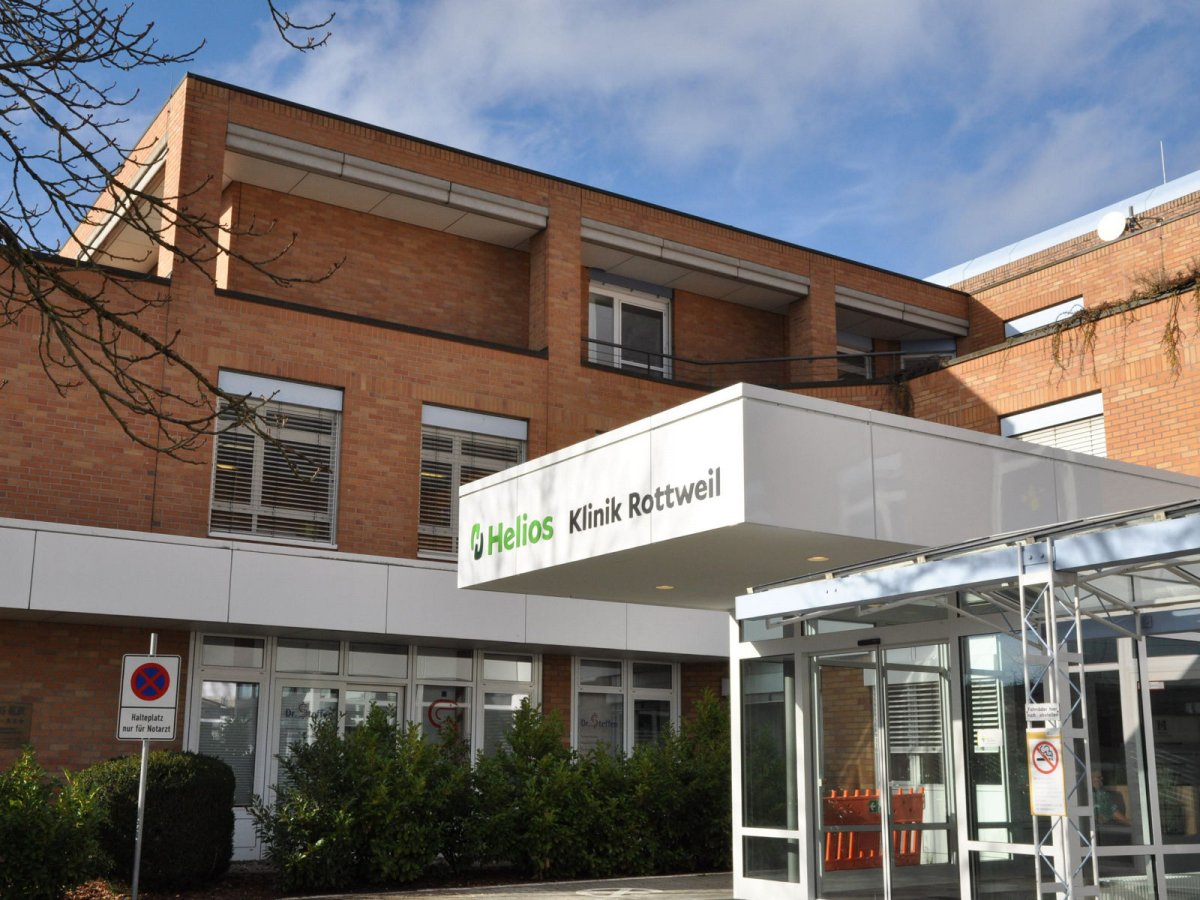




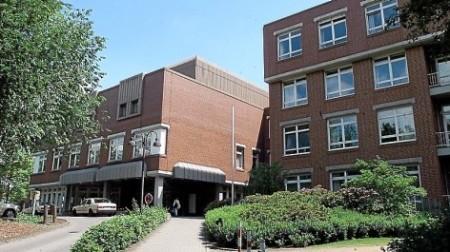
Klinikum Braunschweig
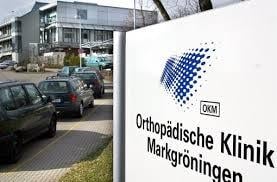
Markgroeningen Orthopedic Hospital
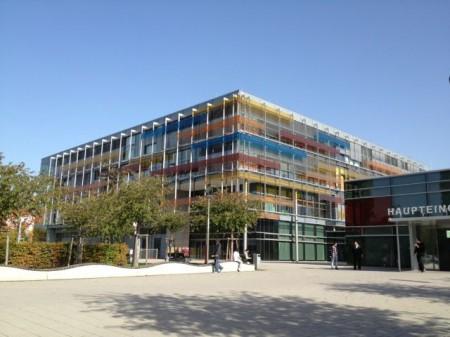
University Hospital in Haydelberge

Hannover Medical School

St. Marienstift Clinic

Elbland Clinic
Compartir contenido
Historias en video de pacientes de Bookimed
 Olena Sikoza
Preguntas frecuentes sobre el tratamiento de Espondilitis anquilosante en Alemania
¿Qué opciones de tratamiento existen para la espondilitis anquilosante en Alemania?
El tratamiento de la espondilitis anquilosante en Alemania sigue los protocolos estandarizados ASAS-EULAR. Los pacientes acceden a productos biológicos avanzados como inhibidores de TNF-alfa e IL-17 en centros especializados. La atención integral incluye fisioterapia multimodal, diagnóstico por imagen y cirugía correctiva para deformidades espinales graves. Instalaciones de alta tecnología como Charité Berlín ofrecen una gestión reumatológica multidisciplinaria.
- Terapia biológica: Los inhibidores de TNF-alfa e IL-17 se dirigen a vías inflamatorias específicas.
- Fisioterapia especializada: Los programas incluyen terapia manual, hidroterapia y ejercicios supervisados de movilidad espinal.
- Diagnóstico avanzado: Las clínicas utilizan análisis de sangre extendidos y resonancia magnética de alta resolución de la columna.
- Intervención quirúrgica: La osteotomía y la estabilización espinal corrigen deformidades espinales graves inclinadas hacia adelante.
Perspectiva de expertos de Bookimed: Los hospitales académicos alemanes como el Medical Center Solingen y Charité Berlín ofrecen capacidades masivas para pacientes. Charité atiende a más de 800,000 pacientes anualmente con 100 departamentos especializados. Este alto volumen permite a los médicos obtener una profunda experiencia en presentaciones raras de EA. Los pacientes se benefician de esta ex
¿Qué credenciales tienen los reumatólogos y cirujanos ortopédicos alemanes para tratar la espondilitis anquilosante?
Los reumatólogos y cirujanos ortopédicos alemanes deben completar seis años de estudios de medicina y una residencia especializada de seis años. Los reumatólogos obtienen la credencial de "Facharzt für Innere Medizin und Rheumatologie". Los cirujanos ortopédicos obtienen el título de "Facharzt für Orthopädie und Unfallchirurgie" después de 72 meses de formación quirúrgica de posgrado.
- Formación en reumatología: Requiere 36 meses de medicina interna y 36 meses de reumatología.
- Residencia quirúrgica: Incluye 24 meses de cirugía básica y 48 meses de ortopedia.
- Enfoque clínico: Los reumatólogos gestionan productos biológicos como los inhibidores del TNF y la inflamación sistémica a largo plazo.
- Rol quirúrgico: Los ortopedistas realizan estabilizaciones espinales y reemplazos articulares para daños estructurales avanzados.
Perspectiva de expertos de Bookimed: Los datos de centros importantes como la Charité de Berlín y el complejo hospitalario de Renania del Norte-Westfalia muestran una clara división del trabajo. Aunque existen consultas pequeñas, los hospitales universitarios integran a estos especialistas en equipos multidisciplinarios. Esta coordinación es vital para la espondilitis anquilosante, ya que la enfermedad a menudo requiere tanto tratamiento médico como posibles intervenciones espinales asistidas por robot disponibles en estas
¿Qué protocolos de seguridad y estándares de diagnóstico se siguen antes de comenzar una terapia biológica en Alemania?
Las clínicas alemanas siguen los estándares S3-Leitlinien para la terapia biológica. Los médicos deben confirmar el diagnóstico y realizar pruebas de detección de infecciones. Las pruebas obligatorias incluyen controles de tuberculosis y hepatitis viral. Los médicos también verifican el estado de vacunación siguiendo las pautas del STIKO. Estos protocolos garantizan la seguridad del tratamiento para pacientes con espondilitis anquilosante.
- Detección de infecciones: Pruebas obligatorias para tuberculosis, hepatitis B/C y estado de VIH.
- Imágenes diagnósticas: Los centros especializados utilizan resonancia magnética con secuencias STIR para confirmar la inflamación.
- Paneles de laboratorio: Los controles básicos incluyen función hepática, función renal y recuentos sanguíneos.
- Revisión de vacunación: Los médicos actualizan las vacunas al menos 4 semanas antes de comenzar la terapia.
Perspectiva de expertos de Bookimed: Clínicas como Charité Universitätsmedizin Berlin y el Centro Médico de Solingen manejan grandes volúmenes de pacientes. Estos datos sugieren que los hospitales universitarios a menudo siguen caminos de diagnóstico más estrictos que los centros privados más pequeños. Por ejemplo, algunos protocolos alemanes especializados requieren una espera de 3 meses después del diagnóstico inicial. Esto asegura que las terapias estándar se
¿Cómo es un programa típico de rehabilitación y fisioterapia después de una estancia para infusión biológica en Alemania?
La rehabilitación tras una infusión en Alemania ofrece un programa estructurado de tres semanas en clínicas especializadas. Estas estancias de rehabilitación médica hospitalaria (IMR) se centran en la recuperación funcional. Los programas suelen integrar fisioterapia intensiva y ejercicios acuáticos. El tratamiento comienza una o dos semanas después de la terapia biológica para maximizar los logros en la movilidad articular.
- Intensidad diaria: Los pacientes reciben de dos a seis sesiones de terapia que suman cuatro horas diarias.
- Modalidades físicas: Los programas incluyen compresas especializadas de calor o frío y electroterapia para el dolor.
- Entrenamiento de movilidad: Los ejercicios priorizan la flexibilidad de la columna, la corrección postural y la terapia acuática en piscinas.
- Apoyo funcional: La terapia ocupacional ayuda a los pacientes a adaptar los movimientos diarios para proteger las articulaciones inflamadas.
Perspectiva del experto de Bookimed: Aunque los hospitales universitarios como Charité Berlín o Heidelberg lideran en diagnóstico, los centros ortopédicos especializados como Klinikum Braunschweig a menudo proporcionan entornos de rehabilitación más enfocados. Los datos muestran que las grandes redes alemanas, incluyendo Asklepios, ofrecen certificaciones de terapia del dolor integrada (CERTKOM). Esto asegura que la fi
¿Cuánto tiempo debo planificar quedarme en Alemania para el ciclo completo de tratamiento de la espondilitis anquilosante?
Los pacientes deben planificar una estancia en Alemania de 2 a 4 semanas para un ciclo completo de tratamiento de la espondilitis anquilosante. Las evaluaciones diagnósticas iniciales requieren de 2 a 4 días. El tratamiento conservador intensivo o la rehabilitación suelen durar de 14 a 21 días en departamentos ortopédicos especializados.
- Ciclo de diagnóstico: Requiere de 2 a 4 días para pruebas HLA-B27, resonancia magnética y consultas con especialistas.
- Terapia biológica: Planifique de 4 a 5 días para las infusiones iniciales y el control de la medicación.
- Fisioterapia intensiva: Los ciclos hospitalarios estándar suelen durar de 13 a 14 días para la movilidad.
- Tratamiento conservador: Los programas integrales a menudo requieren de 2 a 3 semanas para el ajuste de medicamentos.
Perspectiva del experto de Bookimed: Las clínicas alemanas como Charité - Universitätsmedizin Berlin y el complejo clínico de Renania del Norte-Westfalia manejan volúmenes masivos de pacientes, superando los 145.000 casos al año. Este alto rendimiento significa que los diagnósticos son altamente eficientes. Sin embargo, el papeleo administrativo para pacientes internacionales puede extender inesperadamente las estancias. Añadir un margen de tiempo del 50 % a sus planes de viaje ayuda a gestionar los obstáculos de seguros o documentación sin apresurar la transición
¿Qué ciudades o regiones alemanas tienen la mayor concentración de centros especializados en espondilitis anquilosante?
Las ciudades alemanas con la mayor concentración de centros especializados en espondilitis anquilosante incluyen Berlín, Hamburgo y la región del Ruhr. Estos centros cuentan con instituciones académicas como la Charité de Berlín y grandes redes como Asklepios. Los tratamientos avanzados incluyen terapia biológica y fisioterapia especializada en instalaciones certificadas por JCI o ISO.
- Berlín: La Charité Universitätsmedizin Berlin atiende a más de 845.000 pacientes con clínicas ambulatorias dedicadas a la espondiloartritis.
- Hamburgo: Cuenta con la red Asklepios, que incluye el Hospital Asklepios Barmbek y Asklepios Altona.
- Región del Ruhr: Duisburgo alberga el complejo clínico de Renania del Norte-Westfalia, que atiende a 145.000 pacientes al año.
- Solingen: El Centro Médico de Solingen es un hospital académico frecuentemente clasificado por la revista Focus.
Opinión de expertos de Bookimed: Aunque Berlín y Hamburgo son centros importantes, Renania del Norte-Westfalia ofrece la mayor capacidad de camas. El complejo clínico de Renania del Norte-Westfalia por sí solo proporciona 1.800 camas en cinco hospitales. Esta región es ideal para pacientes que necesitan rehabilitación hospitalaria junto con terapia biológica. Su alto volumen de pacientes de 145.000 personas al año sugiere una profunda experiencia en enfermedades inflamatorias sistém
¿Qué hospitales en Alemania tienen las calificaciones más altas en neurocirugía?
Alemania alberga algunos de los departamentos de neurocirugía más prestigiosos del mundo, liderados por la Charité – Universitätsmedizin Berlin y el Hospital Universitario de Heidelberg. Estos centros destacan en el tratamiento de tumores cerebrales complejos y enfermedades cerebrovasculares. Para maximizar la eficacia de sus procedimientos, utilizan tecnologías de vanguardia como la resonancia magnética intraoperatoria y la neuronavegación asistida por computadora.
- Charité Berlín: Realiza más de 5000 cirugías al año. La clínica está dirigida por el reconocido neurocirujano Dr. Peter Vaikoczy.
- Centro Médico Solingen: El Dr. Ralf Buhl ha realizado más de 4.000 cirugías, incluidas cirugías de columna mínimamente invasivas.
- Clínica Asklepios Nord: equipada con el único sistema de resonancia magnética intraoperatoria bilateral de Alemania para garantizar precisión quirúrgica en tiempo real durante la extirpación del tumor.
- Clínica Nordwest: reconocida por la revista Newsweek como un hospital líder por su innovación en tecnología de ultrasonido 3D.
Opinión experta de Bookimed: Los datos muestran que elegir centros con un alto volumen quirúrgico suele llevar a recomendaciones de tratamiento más conservadoras. En el Centro Médico Solingen, que atiende a más de 60.000 pacientes al año, los cirujanos suelen sugerir fisioterapia en lugar de cirugía
¿Cuáles son las tasas de éxito de los procedimientos neuroquirúrgicos complejos en Alemania?
En Alemania, los procedimientos neuroquirúrgicos de alta complejidad demuestran una seguridad excepcional. Las tasas de éxito en las fusiones espinales alcanzan el 99 %. La tasa de supervivencia en las resecciones de tumores cerebrales primarios es del 97 %. La independencia funcional es alta. Más del 82 % de los pacientes reciben el alta inmediatamente después del tratamiento. Los centros alemanes priorizan la preservación de la función neurológica mediante técnicas modernas de mapeo.
- Resección de tumores: los cirujanos logran una resección tumoral completa en el 87,2% de los casos de metástasis cerebrales.
- Éxito en el tratamiento de enfermedades vasculares: los hospitales alemanes informan de una tasa de supervivencia del 98,7% para aneurismas no rotos.
- Mejora del estado neurológico: casi el 43% de los pacientes experimentan una mejora de los parámetros funcionales después de resecciones complejas.
- Seguridad de las intervenciones quirúrgicas: En grandes centros quirúrgicos, las tasas de supervivencia de los pacientes después de la cirugía de columna son del 98-99%.
Opinión experta de Bookimed: Cirujanos experimentados como el Dr. Uwe Köhler, de la Clínica Asklepios Altona, realizan más de 2000 cirugías al año. Los datos muestran que estos especialistas mantienen tasas de éxito de hasta el 90 %, incluso en los tumores cerebrales más comp
¿Qué tecnologías avanzadas suelen estar disponibles en las clínicas neuroquirúrgicas alemanas?
Las clínicas neuroquirúrgicas alemanas incorporan regularmente instrumentos digitales de alta precisión y visualización en tiempo real a la práctica quirúrgica. Entre las tecnologías clave se encuentra la neuronavegación computarizada para cirugías de cerebro y médula espinal. Instituciones como la Clínica Asklepios Nord utilizan la resonancia magnética intraoperatoria para verificar la extirpación de tumores en tiempo real. Estos sistemas proporcionan a los cirujanos navegación GPS 3D.
- Neuronavegación: proporciona visualización 3D y seguimiento de instrumentos en tiempo real para lograr precisión quirúrgica hasta el nivel submilimétrico.
- Imágenes intraoperatorias: sistemas como iMRI y O-arm CT permiten la confirmación inmediata de una resección exitosa.
- Neuromonitorización: Monitorea las funciones motoras y sensoriales durante la cirugía para proteger el sistema nervioso.
- Diagnóstico de fluorescencia: se utiliza el colorante 5-ALA para resaltar los bordes del tumor para una eliminación más completa.
- Asistencia robótica: Sistemas como el Da Vinci mejoran la precisión en procedimientos complejos y mínimamente invasivos.
Opinión experta de Bookimed: Grandes centros como la Charité – Universitätsmedizin de Berlín realizan más de 4000 procedimientos neuroquirúrgicos al año, lo que crea un entorno rico en datos para p
¿Qué formación especializada reciben los neurocirujanos en ejercicio en Alemania?
En Alemania, los neurocirujanos deben completar una residencia especializada de seis años tras graduarse de la facultad de medicina. Este programa estructurado incluye cuidados intensivos, práctica clínica y una revista quirúrgica obligatoria. Posteriormente, los candidatos aprueban un examen estatal para obtener el título de residente (Facharzt für Neurochirurgie).
- Residencia clínica: requiere de 48 a 72 meses de práctica neuroquirúrgica especializada.
- Cuidados intensivos: incluye una pasantía obligatoria de 6 meses en una unidad de cuidados intensivos neuroquirúrgicos.
- Revista quirúrgica: los cirujanos documentan cientos de cirugías, incluidas craneotomías y cirugías de columna.
- Examen de licencia: Los solicitantes deben aprobar un examen médico oral y práctico administrado por el estado.
Opinión experta de Bookimed: La formación neuroquirúrgica alemana se centra en una amplia experiencia quirúrgica. Por ejemplo, el Dr. Ralf Buhl, del Centro Médico Solingen, ha realizado más de 4000 cirugías. El Dr. Jürgen Kiwit, del Hospital Meoklinik, cuenta con más de 25 años de experiencia. Este riguroso sistema garantiza que los especialistas de los principales centros aborden casos complejos con una precisión demostrada.
Comentarios de los pacientes: Los pacientes se sienten seguros al saber que sus médicos han recibido año