Azoospermia Tratamiento en Alemania — Costos 2026


Revisado médicamente por
Fahad Mawlood
¿Cuál es el precio del diagnóstico y los tratamientos de Azoospermia en Alemania? Descubra ahora
De $200. Las intervenciones primarias como el tratamiento con células madre para la azoospermia van desde $6,500 hasta $13,000. Los gastos totales dependen de la complejidad quirúrgica y las técnicas de laboratorio. Los pacientes pueden encontrar especialistas en fertilidad de primer nivel en Frankfurt, Hamburgo y Dresde.
Costos típicos del tratamiento de la azoospermia en Alemania
- Análisis de sangre para perfil hormonal: de $200
- Análisis de semen: $60 – $130
- Consulta con un urólogo: de $180
- Análisis de sangre extendido: de $150
- Ecografía transrectal (ETR): de $110
- Ecografía Doppler color del escroto: _diag_585_price_of_from_ – $170
- Tratamiento con células madre para la azoospermia: $6,500 – $13,000
Perspectiva de los expertos de Bookimed: Los pacientes que buscan atención innovadora deben priorizar los hospitales universitarios para acceder a protocolos basados en la investigación. El Hospital Universitario Carl Gustav Carus de Dresde atiende a más de 330,000 pacientes al año con una alta especialización. Para aquellos que requieren diagnósticos integrados, la Clínica Nordwest en Frankfurt ofrece experiencia centralizada en 11 centros especializados. Las redes más grandes, como la Clínica Asklepios Nord en Hamburgo, brindan un sólido apoyo multidisciplinario para casos complejos de infertilidad masculina.
| Alemania | España | Turquía | |
|---|---|---|---|
| Terapia con células madre para la azoospermia | ≈ $6,500 | ≈ $4,500 | ≈ $3,500 |
| Reversión de la vasectomía (Vasovasostomía) | ≈ $4,300 | ≈ $3,800 | de $4,800 |
Sus beneficios y garantías con Bookimed
Precios directos
Bookimed no añade cargos extra a los precios de los tratamientos de Azoospermia. Las tarifas proceden de las listas de precios oficiales de las clínicas. Pagará directamente en la clínica por su tratamiento a su llegada al país.
Sólo clínicas y médicos verificados
Bookimed está comprometido con su seguridad. Solo trabajamos con las clínicas que mantienen altos estándares internacionales en el tratamiento de Azoospermia y cuentan con las licencias necesarias para atender a pacientes internacionales en todo el mundo.
Asistencia 24/7 gratuita
Bookimed ofrece asistencia experta gratuita. Un coordinador médico personal le apoya antes, durante y después de su tratamiento, resolviendo cualquier problema. Nunca estará solo en su viaje médico de tratamiento de Azoospermia.

Su coordinador médico personal de Bookimed
- Le apoya en cada etapa
- Ayuda a elegir la clínica y el médico adecuados
- Asegura un acceso rápido y conveniente a la información
Descubra las mejores clínicas de tratamiento de Azoospermia en Alemania: 5 opciones verificadas y Precios







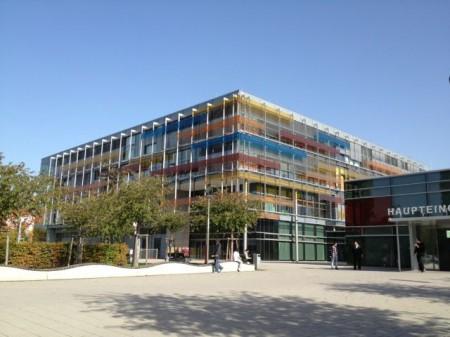
University Hospital in Haydelberge

Hospital in the Pfeiffer`s foundations

Lippe Detmold Clinic
Compartir contenido
Historias en video de pacientes de Bookimed
 Olena Sikoza
Preguntas frecuentes sobre el tratamiento de Azoospermia en Alemania
¿Es seguro el tratamiento de la azoospermia en Alemania y lo realizan especialistas cualificados?
El tratamiento de la azoospermia en Alemania es altamente seguro y lo realizan andrólogos certificados. Los especialistas cumplen con la estricta Ley de Protección de Embriones y los estándares nacionales de calidad. Los centros acreditados en ciudades como Fráncfort y Hamburgo utilizan técnicas microquirúrgicas avanzadas, logrando tasas de éxito en la recuperación de espermatozoides de hasta el 70 %.
- Acreditaciones rigurosas: Instalaciones como la Clínica Nordwest mantienen certificaciones de seguridad TÜV e ISO 9001.
- Cualificaciones de expertos: Los cirujanos a menudo poseen la certificación del European Board of Urology y cuentan con una amplia experiencia microquirúrgica.
- Tecnología avanzada: Los hospitales universitarios utilizan un aumento de 20 veces para la Micro-TESE con el fin de minimizar el daño tisular.
- Resultados transparentes: El Registro Alemán de FIV realiza un seguimiento de los datos de rendimiento para garantizar altos estándares clínicos.
Perspectiva de expertos de Bookimed: Los datos muestran una clara brecha de rendimiento entre los departamentos de urología general y los grandes centros universitarios. Instituciones como el Hospital Universitario Carl Gustav Carus de Dresde atienden a más de 330.000 pacientes al año. Estos centros de gran volumen ofrecen asesoramiento genético integrado y diagnósticos por ecograf
¿Cuáles son las tasas de éxito para la recuperación de espermatozoides utilizables mediante micro-TESE en Alemania?
En Alemania, la tasa de éxito para la recuperación de espermatozoides utilizables mediante micro-TESE en pacientes con azoospermia no obstructiva suele oscilar entre el 40% y el 60%. Los centros especializados de alto volumen reportan tasas de éxito de hasta el 70%. El éxito depende de la etiología subyacente y de la experiencia del cirujano con más de 500 procedimientos.
- Éxito por causa: Las tasas alcanzan el 90% para la orquitis post-parotiditis y el 50–70% para las microdeleciones AZFc.
- Síndrome de Klinefelter: El éxito de la recuperación varía del 30% al 50%, con mayor éxito en pacientes más jóvenes.
- Síndrome de células de Sertoli solamente: El éxito para el síndrome de células de Sertoli solamente es menor, generalmente entre el 20% y el 25%.
- Historial del procedimiento: Los intentos iniciales muestran una tasa de éxito del 64%, que cae al 28% para procedimientos repetidos.
Perspectiva del experto de Bookimed: Las clínicas alemanas como Nordwest y Asklepios enfatizan diagnósticos de alta precisión, incluyendo TRUS y Doppler color, antes de la cirugía. Los datos muestran que los urólogos alemanes a menudo coordinan el momento de la micro-TESE con la recuperación de óvulos de la pareja para usar espermatozoides frescos. Este enfoque es vital porque las muestras frescas mantienen tasas de fertilización del 60–70% en comparación con el
¿Cuáles son los principales riesgos para la salud o efectos secundarios de la cirugía de extracción de esperma?
Los procedimientos de extracción de esperma como TESE o PESA son seguros y tienen altas tasas de éxito. Los efectos secundarios comunes incluyen dolor escrotal, hinchazón leve y hematomas. Por lo general, estos se resuelven en 14 días. Los riesgos poco frecuentes incluyen infección, hematoma o cambios temporales en los niveles de testosterona después de la cirugía.
- Síntomas leves de recuperación: La incomodidad escrotal y la decoloración de la piel suelen desaparecer en 10 a 14 días.
- Prevención de infecciones: Los antibióticos profilácticos reducen significativamente los riesgos de infecciones en el sitio quirúrgico o testiculares.
- Estabilidad hormonal: Las caídas temporales ocasionales de testosterona pueden causar fatiga o disminución del deseo sexual.
- Monitoreo a largo plazo: La atrofia testicular o la inflamación interna que afecta la producción futura son extremadamente raras.
Perspectiva del experto de Bookimed: Los hospitales universitarios alemanes como Asklepios Altona o Carl Gustav Carus priorizan la precisión diagnóstica antes de la cirugía. Nuestros datos muestran que los centros en Alemania atienden a más de 2,000 pacientes para estos procedimientos anualmente. Las clínicas de alto volumen a menudo sugieren anestesia local con sedación. Esto permite que muchos pacientes regresen al trabajo en 3 días. Elegir un urólogo exper
¿Qué técnica quirúrgica se utiliza y cómo se realiza la elección?
Los cirujanos alemanes utilizan principalmente la extracción de espermatozoides testiculares (TESE) y la micro-TESE para el tratamiento de la azoospermia. La micro-TESE es preferida para casos no obstructivos debido a tasas de recuperación más altas. La elección depende de los niveles hormonales, el volumen testicular y si la causa de la infertilidad es obstructiva o no obstructiva.
- Enfoque quirúrgico: Los cirujanos realizan la micro-TESE utilizando microscopios de alta potencia para encontrar espermatozoides viables.
- Criterios de éxito: Los niveles bajos de hormona foliculoestimulante (FSH) generalmente indican azoospermia obstructiva.
- Mínimamente invasivo: Los procedimientos suelen ser ambulatorios con pequeñas incisiones para garantizar una recuperación más rápida.
- Herramientas de diagnóstico: Los especialistas utilizan ecografía Doppler color y perfiles hormonales para guiar la selección.
Perspectiva del experto de Bookimed: Los centros médicos alemanes como la Clínica Nordwest y Asklepios Nord gestionan grandes volúmenes de pacientes. Nuestros datos muestran que las clínicas en Hamburgo y Frankfurt atienden a más de 60,000 pacientes anualmente. Este enorme volumen de casos en redes multidisciplinarias asegura que los cirujanos mantengan el alto número de procedimientos necesarios para una recuperación microquirúrgica exitosa de esp
¿Cuánto tiempo debemos permanecer en Alemania para el tratamiento y cómo es el cronograma típico?
Los pacientes suelen permanecer en Alemania de 1 a 3 semanas para el tratamiento de la azoospermia. Los protocolos estándar como la microTESE o la terapia con células madre requieren de 3 a 5 días para el diagnóstico. La recuperación del procedimiento y el seguimiento inicial suelen tomar de 7 a 14 días adicionales.
- Fase de diagnóstico: Los primeros 1 a 3 días incluyen perfiles hormonales, ecografías y análisis de semen.
- Ventana quirúrgica: Los procedimientos como TESE o microTESE suelen ser ambulatorios o requieren una noche de hospitalización.
- Periodo de recuperación: Los pacientes permanecen en el país de 7 a 10 días para el monitoreo postoperatorio.
- Planificación del viaje: Las visas médicas en Alemania generalmente permiten estancias de hasta 90 días.
Perspectiva del experto de Bookimed: Aunque muchos buscan clínicas específicas, el verdadero valor en Alemania reside en los centros universitarios de gran volumen como Carl Gustav Carus en Dresde o Heidelberg. Estas instituciones atienden a más de 300,000 pacientes al año y combinan la investigación con la práctica clínica. Elegir un centro con institutos de investigación urológica especializados a menudo garantiza el acceso a técnicas de microTESE más refinadas que no se encuentran en instalaciones privadas más pequeñas.
Consenso de los pacientes: Los pacient
¿Qué pruebas preoperatorias son obligatorias para los pacientes internacionales?
Los pacientes internacionales que se someten a un tratamiento de azoospermia en Alemania deben seguir un protocolo de diagnóstico estandarizado. Esto incluye un perfil hormonal, detección de enfermedades infecciosas y pruebas urológicas especializadas como una ecografía escrotal. La autorización formal requiere un hemograma completo y un perfil de coagulación para garantizar la seguridad del paciente durante la anestesia.
- Perfil hormonal: Las pruebas incluyen FSH, LH, testosterona y prolactina para identificar causas endocrinas.
- Análisis de semen: Los pacientes generalmente deben observar una abstinencia de 72 horas antes de proporcionar una muestra repetida.
- Enfermedades infecciosas: La detección obligatoria de VIH, Hepatitis B/C y sífilis facilita entornos estériles.
- Pruebas genéticas: A menudo se requieren pruebas de cariotipo y microdeleción del cromosoma Y para casos no obstructivos.
Perspectiva del experto de Bookimed: Los hospitales universitarios alemanes como Asklepios Altona o Carl Gustav Carus Dresden enfatizan diagnósticos exhaustivos. Si bien muchos pacientes esperan solo análisis de sangre básicos, estos centros de primer nivel a menudo requieren pruebas específicas como inhibina B o mapeo del gen CFTR. Este cribado de alto nivel aclara la causa de la azoospermia antes de programar procedimientos costosos como la TESE.
¿Quedarán cicatrices visibles después de una micro-TESE o PESA?
Los procedimientos de micro-TESE y PESA en Alemania resultan en cicatrices mínimas o nulas. La PESA utiliza una aguja fina que solo deja marcas de punción temporales. La micro-TESE requiere una pequeña incisión escrotal. Estas incisiones generalmente se desvanecen en los pliegues naturales de la piel en un plazo de 6 a 12 meses.
- Cicatrices de PESA: El acceso mediante aguja generalmente no deja marcas visibles permanentes después de la curación.
- Incisión de micro-TESE: La microcirugía de precisión implica una pequeña incisión escrotal horizontal de 2-3 cm.
- Tiempo de curación: La piel del escroto sana rápidamente. Las cicatrices a menudo se convierten en líneas finas imperceptibles.
- Técnica de sutura: Los urólogos alemanes generalmente utilizan puntos absorbibles para minimizar las marcas externas.
Perspectiva de expertos de Bookimed: Los centros universitarios de gran volumen en Alemania, como Asklepios Altona o Dresde, atienden a más de 85,000 pacientes al año. Este volumen masivo de procedimientos significa que los cirujanos han perfeccionado sus técnicas para la estética escrotal. Los datos sugieren que, aunque la PESA es superior en cosmética, los especialistas de estos centros a menudo prefieren la micro-TESE por sus mayores tasas de recuperación de espermatozoides a pesar de la pequeña cicatriz.
Consenso de los pacie
¿Qué hospitales en Alemania tienen las calificaciones más altas en neurocirugía?
Alemania alberga algunos de los departamentos de neurocirugía más prestigiosos del mundo, liderados por la Charité – Universitätsmedizin Berlin y el Hospital Universitario de Heidelberg. Estos centros destacan en el tratamiento de tumores cerebrales complejos y enfermedades cerebrovasculares. Para maximizar la eficacia de sus procedimientos, utilizan tecnologías de vanguardia como la resonancia magnética intraoperatoria y la neuronavegación asistida por computadora.
- Charité Berlín: Realiza más de 5000 cirugías al año. La clínica está dirigida por el reconocido neurocirujano Dr. Peter Vaikoczy.
- Centro Médico Solingen: El Dr. Ralf Buhl ha realizado más de 4.000 cirugías, incluidas cirugías de columna mínimamente invasivas.
- Clínica Asklepios Nord: equipada con el único sistema de resonancia magnética intraoperatoria bilateral de Alemania para garantizar precisión quirúrgica en tiempo real durante la extirpación del tumor.
- Clínica Nordwest: reconocida por la revista Newsweek como un hospital líder por su innovación en tecnología de ultrasonido 3D.
Opinión experta de Bookimed: Los datos muestran que elegir centros con un alto volumen quirúrgico suele llevar a recomendaciones de tratamiento más conservadoras. En el Centro Médico Solingen, que atiende a más de 60.000 pacientes al año, los cirujanos suelen sugerir fisioterapia en lugar de cirugía
¿Cuáles son las tasas de éxito de los procedimientos neuroquirúrgicos complejos en Alemania?
En Alemania, los procedimientos neuroquirúrgicos de alta complejidad demuestran una seguridad excepcional. Las tasas de éxito en las fusiones espinales alcanzan el 99 %. La tasa de supervivencia en las resecciones de tumores cerebrales primarios es del 97 %. La independencia funcional es alta. Más del 82 % de los pacientes reciben el alta inmediatamente después del tratamiento. Los centros alemanes priorizan la preservación de la función neurológica mediante técnicas modernas de mapeo.
- Resección de tumores: los cirujanos logran una resección tumoral completa en el 87,2% de los casos de metástasis cerebrales.
- Éxito en el tratamiento de enfermedades vasculares: los hospitales alemanes informan de una tasa de supervivencia del 98,7% para aneurismas no rotos.
- Mejora del estado neurológico: casi el 43% de los pacientes experimentan una mejora de los parámetros funcionales después de resecciones complejas.
- Seguridad de las intervenciones quirúrgicas: En grandes centros quirúrgicos, las tasas de supervivencia de los pacientes después de la cirugía de columna son del 98-99%.
Opinión experta de Bookimed: Cirujanos experimentados como el Dr. Uwe Köhler, de la Clínica Asklepios Altona, realizan más de 2000 cirugías al año. Los datos muestran que estos especialistas mantienen tasas de éxito de hasta el 90 %, incluso en los tumores cerebrales más comp
¿Qué tecnologías avanzadas suelen estar disponibles en las clínicas neuroquirúrgicas alemanas?
Las clínicas neuroquirúrgicas alemanas incorporan regularmente instrumentos digitales de alta precisión y visualización en tiempo real a la práctica quirúrgica. Entre las tecnologías clave se encuentra la neuronavegación computarizada para cirugías de cerebro y médula espinal. Instituciones como la Clínica Asklepios Nord utilizan la resonancia magnética intraoperatoria para verificar la extirpación de tumores en tiempo real. Estos sistemas proporcionan a los cirujanos navegación GPS 3D.
- Neuronavegación: proporciona visualización 3D y seguimiento de instrumentos en tiempo real para lograr precisión quirúrgica hasta el nivel submilimétrico.
- Imágenes intraoperatorias: sistemas como iMRI y O-arm CT permiten la confirmación inmediata de una resección exitosa.
- Neuromonitorización: Monitorea las funciones motoras y sensoriales durante la cirugía para proteger el sistema nervioso.
- Diagnóstico de fluorescencia: se utiliza el colorante 5-ALA para resaltar los bordes del tumor para una eliminación más completa.
- Asistencia robótica: Sistemas como el Da Vinci mejoran la precisión en procedimientos complejos y mínimamente invasivos.
Opinión experta de Bookimed: Grandes centros como la Charité – Universitätsmedizin de Berlín realizan más de 4000 procedimientos neuroquirúrgicos al año, lo que crea un entorno rico en datos para p