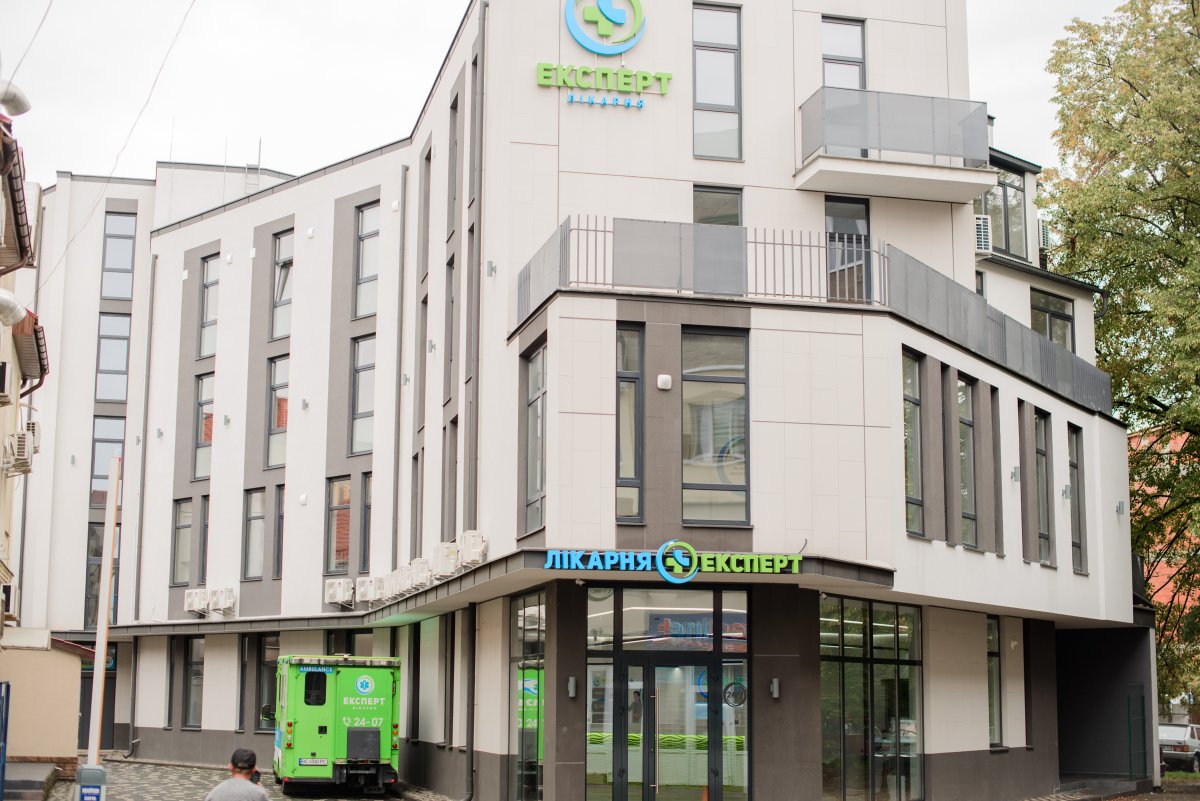
Clínica Expert
Ucrania, Uzhgorod


Revisado médicamente por
Fahad Mawlood
El costo del tratamiento de la azoospermia en Ucrania comienza generalmente con diagnósticos esenciales como un análisis de sangre para el perfil hormonal, que oscila entre $60 y $120. Las opciones de extracción quirúrgica o regenerativa, como el tratamiento con células madre para la azoospermia, varían entre $4,500 y $8,500. Los gastos dependen de la causa específica de la infertilidad, los procedimientos requeridos y los protocolos de medicación. Los pacientes a menudo obtienen ahorros del 50-70% en comparación con los EE. UU. Kiev y Úzhgorod son los centros principales para estos tratamientos.
Costos típicos del tratamiento de la azoospermia en Ucrania
Perspectiva de los expertos de Bookimed: Para casos no obstructivos, centros multidisciplinarios como Expert Clinic en Úzhgorod ofrecen protocolos innovadores con células madre. Los pacientes que requieran pruebas genéticas avanzadas deberían considerar instalaciones de gran volumen en Kiev, como ADONIS Fertility Center. Estos centros integran laboratorios citogenéticos internos para obtener resultados más rápidos. Urólogos destacados como el Dr. Alexander Stakhovsky brindan atención especializada dentro de grandes redes médicas como Dobrobut. Elegir centros con un alto volumen de pacientes garantiza un mejor acceso a tecnologías modernas de recuperación de esperma.
| Ucrania | España | Turquía | |
|---|---|---|---|
| Terapia con células madre para la azoospermia | ≈ $4,500 | ≈ $4,500 | ≈ $3,500 |
| Reversión de la vasectomía (Vasovasostomía) | ≈ $1,500 | ≈ $3,800 | de $4,800 |
Bookimed no añade cargos extra a los precios de los tratamientos de Azoospermia. Las tarifas proceden de las listas de precios oficiales de las clínicas. Pagará directamente en la clínica por su tratamiento a su llegada al país.
Bookimed está comprometido con su seguridad. Solo trabajamos con las clínicas que mantienen altos estándares internacionales en el tratamiento de Azoospermia y cuentan con las licencias necesarias para atender a pacientes internacionales en todo el mundo.
Bookimed ofrece asistencia experta gratuita. Un coordinador médico personal le apoya antes, durante y después de su tratamiento, resolviendo cualquier problema. Nunca estará solo en su viaje médico de tratamiento de Azoospermia.


El Dr. Bogdan se especializa en cirugías urológicas avanzadas, incluidos tratamientos con láser para afecciones de próstata y vejiga en el Dievo Surgery Center.

El médico es un urólogo altamente cualificado con amplia formación en métodos endoscópicos modernos, diagnóstico por ultrasonido y oncourología. Con una primera categoría de calificación en urología, el médico ha completado cursos especializados en nefrostomía por punción, cirugía transuretral y ureteroscopia. Con una formación integral en educación médica de posgrado, el médico posee una experiencia avanzada en el tratamiento de afecciones urológicas complejas.
El enfoque clínico inclu
 Olena Sikoza
Los especialistas ucranianos distinguen la azoospermia obstructiva de la no obstructiva mediante paneles hormonales, ecografías escrotales y exámenes físicos. Los niveles altos de la hormona foliculoestimulante (FSH) a menudo indican un fallo en la producción. Unos niveles hormonales normales con bloqueos físicos sugieren una obstrucción. Las clínicas especializadas en Kiev y Úzhgorod utilizan estos marcadores para determinar si es necesaria la extracción quirúrgica de espermatozoides.
Perspectiva del experto de Bookimed: Los datos de los principales centros ucranianos, como ADONIS y Expert Clinic, muestran un gran volumen de pacientes de urología, que supera los 15.000 anuales en algunos centros. Una tendencia clave es
La Micro-TESE y la MESA son las principales técnicas microquirúrgicas utilizadas para recuperar espermatozoides del tracto reproductivo. Para opciones menos invasivas, los médicos realizan procedimientos de aspiración como TESA, PESA o NAB. Estos métodos permiten a los especialistas recolectar espermatozoides viables específicamente para protocolos de ICSI cuando el eyaculado no contiene espermatozoides.
Perspectiva del experto de Bookimed: Los centros de fertilidad ucranianos como ICSI Clinic y ADONIS poseen certificaciones ISO, que son vitales para la recuperación de espermatozoides. Nuestros datos muestran que el éxito de la recuperación depende tanto del laboratorio de embriología como del cirujano. En Kiev, las clínicas especializadas integran a urólogos y embriólogos en un solo equipo para garantizar el procesamiento inmediato de las muestras recuperadas. Esta coordinación es crítica porqu
Las tasas de éxito en la extracción de esperma en Ucrania alcanzan casi el 100% en casos de azoospermia obstructiva. Para problemas de producción no obstructivos, la Micro-TESE proporciona entre un 40% y un 60% de éxito. La mayoría de las clínicas ucranianas informan que la TESE convencional encuentra esperma utilizable en el 20% al 45% de los pacientes. Los resultados dependen en gran medida de factores genéticos específicos.
Perspectiva de expertos de Bookimed: Aunque muchos buscan la tasa de extracción más alta, el volumen a menudo dicta el éxito real del laboratorio. El Centro de Fertilidad ADONIS y la Clínica ICSI atienden a casi 10,000 pacientes combinados anualmente. Este alto volumen permite a sus laboratorios citogenéticos refinar los procesos de selección. Los datos muestran que las clínicas con laboratorios internos, como el grupo médico ADONIS, ofrecen una mejor coordinac
La terapia médica puede curar la azoospermia sin cirugía en casos donde los desequilibrios hormonales o infecciones subyacentes causan la afección. Los protocolos especializados que utilizan inyecciones de gonadotropina coriónica humana (hCG) u hormona foliculoestimulante (FSH) restauran eficazmente la producción de esperma. Este enfoque es más exitoso en casos de hipogonadismo hipogonadotrópico.
Perspectiva del experto de Bookimed: Ucrania cuenta con una alta concentración de expertos en fertilidad especializados dentro de redes multidisciplinarias. Por ejemplo, la Red Médica Dobrobut atiende a 330.000 pacientes anualmente en 75 sucursales. Este gran volumen clínico permite a urólogos como el Dr. Boiko Sergiy en Expert Clinic perfeccionar los protocolos no quirúrgicos. Estos especialistas a menudo combinan la terapia hormonal estándar c
Ucrania permite legalmente la FIV con esperma de donante o recuperado quirúrgicamente bajo el Código de Familia y la Orden 787 del Ministerio de Salud. Las mujeres adultas tienen derecho reproductivo a estos procedimientos independientemente de su estado civil. Las leyes garantizan el anonimato del donante. Los hombres pueden acceder legalmente a la recuperación quirúrgica de esperma para el tratamiento de la azoospermia.
Opinión de expertos de Bookimed: Ucrania sigue siendo un destino mundial líder para el tratamiento de la azoospermia porque las reformas legales de 2021 consolidaron los derechos de las mujeres solteras. Mientras que grandes redes como Dobrobut Medical Network y ADONIS atienden a miles de pacientes, centros especializados más pequeños como ICSI Clinic a menudo poseen certificaciones ISO específicamente para estándares de
El tratamiento de la azoospermia en Ucrania requiere normalmente una estancia de 7 a 14 días para la extracción quirúrgica de espermatozoides. Los pacientes suelen retomar sus actividades diarias ligeras en un plazo de 1 a 3 semanas. La recuperación completa para realizar ejercicios extenuantes o levantar objetos pesados suele llevar de 4 a 6 semanas tras los procedimientos microquirúrgicos.
Perspectiva del experto de Bookimed: Ucrania destaca por centros altamente especializados como la Clínica ICSI, que se centran exclusivamente en la inyección intracitoplasmática de espermatozoides. Mientras que las redes multiespecialidad como Dobrobut gestionan más de 330.000 pacientes al año, las clínicas de fertilidad dedicadas ofrecen una coordinación más directa entre los cirujanos urólog
Los centros de fertilidad ucranianos mantienen la seguridad de los tratamientos mediante una infraestructura reforzada y protocolos especializados para terapias de azoospermia. Las clínicas líderes en Kiev y Úzhgorod integran generadores a prueba de apagones e instalaciones subterráneas seguras. Estas medidas garantizan que los procedimientos complejos y los sistemas de criopreservación permanezcan totalmente operativos sin interrupciones en el servicio.
Perspectiva del experto de Bookimed: Los datos muestran un cambio estratégico hacia las regiones occidentales, con la Expert Clinic en Úzhgorod atendiendo a 15.000 pacientes al año debido a su ubicación. Aunque Kiev sigue siendo un centro neurálgico, muchos centros ofrecen ahora