Coxartrosis en Alemania: las 18 mejores clínicas para su tratamiento


Revisado médicamente por
Fahad Mawlood
Cómo funciona
¿Cuál es el precio del diagnóstico y los tratamientos de Coxartrosis en Alemania? Descubra ahora
El costo total del tratamiento de coxartrosis en Alemania varía dependiendo de los procedimientos y planes de tratamiento seleccionados. Los diagnósticos iniciales, que incluyen una consulta por video con un especialista ortopédico, cuestan aproximadamente 760 €. La cirugía de reemplazo de cadera, que puede involucrar técnicas avanzadas como la amis mínimamente invasiva, varía de 11,400 € a 13,300 €. Los servicios de rehabilitación adicionales, que duran de 7 a 9 días, tienen un precio de 23,900 €. El plan de tratamiento se finaliza después de una evaluación integral por parte del equipo médico.
| Alemania | España | Turquía | |
|---|---|---|---|
| Terapia con células madre para la artritis | ≈ $3,500 | de $15,000 | de $4,400 |
| Terapia con células madre | ≈ $4,500 | de $33,700 | de $1,600 |
| Reemplazo total de cadera MAKOplasty | ≈ $16,500 | ≈ $15,500 | de $14,500 |
| Reemplazo de cadera | de $13,300 | de $23,600 | de $7,000 |
Descubra las mejores clínicas de tratamiento de Coxartrosis en Alemania: 18 opciones verificadas y Precios


Nordwest Hospital
Sven Rogmans


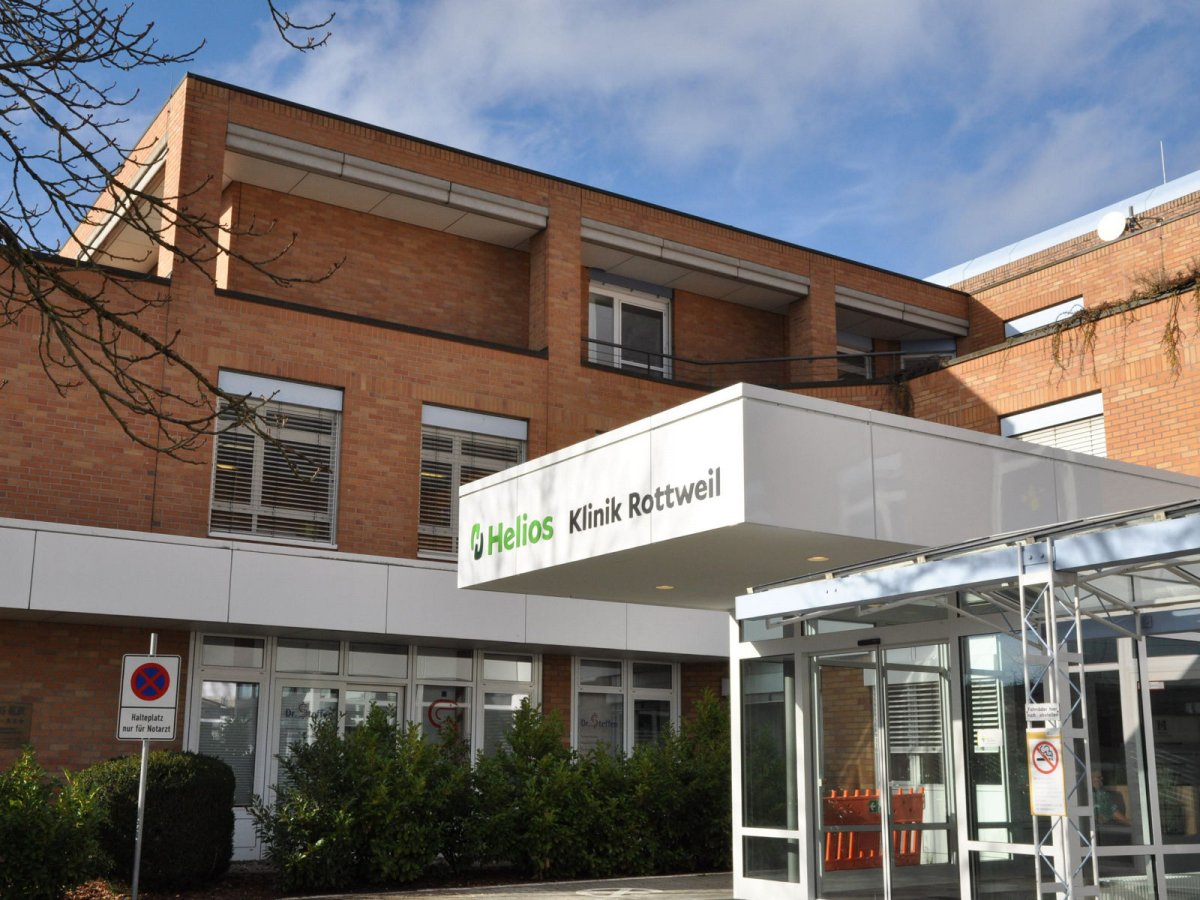


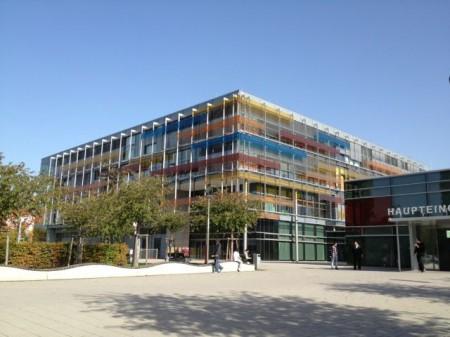
University Hospital in Haydelberge

Hannover Medical School
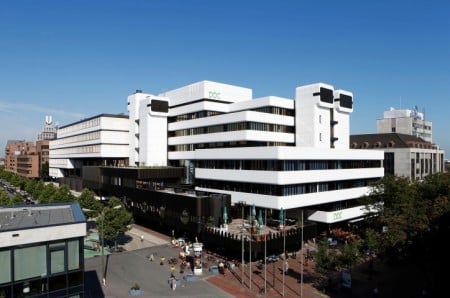
Diagnostic Center DOC Dortmund

Leopoldina Hospital Schweinfurt
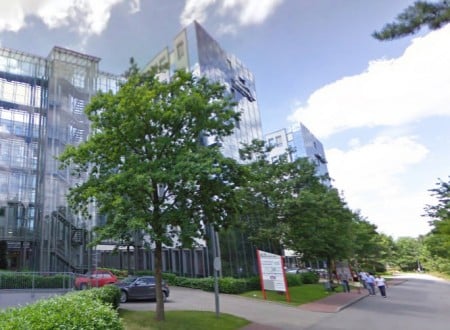
Center of Orthopaedic Surgery and Traumatology Dr. Attmanspaher


Obtenga una evaluación médica para Coxartrosis en Alemania: consulte con doctores experimentados ahora
Ver todos los médicos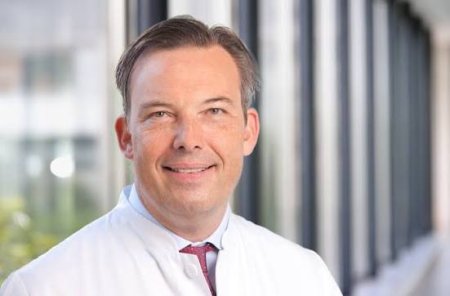
Markus Graf
Sven Rogmans
Más de 1100 procedimientos de cadera realizados: el Dr. Rogmans se especializa en artroplastia de cadera mínimamente invasiva en la Clínica Nordwest.
- _doctor_3873_años_ de experiencia en ortopedia y reemplazo articular
- Certificado en 'Cirugía de pie' por la Asociación Alemana de Cirugía de Pie y Tobillo
- Experto en el tratamiento de fracturas periprotésicas de extremidades inferiores
- Graduado de la Universidad Ruprecht-Karls de Heidelberg
- Múltiples publicaciones nacionales e internacionales
Compartir contenido
Historias en video de pacientes de Bookimed
 Olena Sikoza
Preguntas frecuentes sobre el tratamiento de Coxartrosis en Alemania
¿Qué tratamientos no quirúrgicos están disponibles para la coxartrosis en etapa temprana en Alemania?
El tratamiento no quirúrgico para la coxartrosis en etapa temprana en Alemania sigue un enfoque de terapia conservadora multimodal. Los especialistas alemanes priorizan la terapia de ejercicio en tierra y la descarga biomecánica para retrasar el reemplazo articular. Los pacientes acceden a opciones regenerativas avanzadas como plasma rico en plaquetas e inyecciones de ácido hialurónico en centros ortopédicos certificados.
- Fisioterapia: Se centra en el fortalecimiento de los glúteos y el estiramiento de la cápsula de la cadera para mejorar la estabilidad.
- Manejo farmacológico: Utiliza medicamentos antiinflamatorios no esteroideos e inhibidores de la COX-2 gastroprotectores para la inflamación.
- Ayudas ortopédicas: Emplea plantillas personalizadas que absorben los impactos y ayudas para caminar para reducir la carga articular.
- Inyecciones regenerativas: Incluye plasma condicionado autólogo (ACP) y ácido hialurónico guiado por ultrasonido para la lubricación.
- Modificación del estilo de vida: Integra el control de peso y el entrenamiento ergonómico para minimizar el estrés mecánico diario.
Perspectiva del experto de Bookimed: Aunque muchos piensan que el cuidado conservador es solo ejercicio, centros alemanes como la Clínica Nordwest enfatizan técnicas especializadas. El Dr. Sven Rogmans, con más de 25 años de exper
¿Están disponibles en Alemania terapias regenerativas como las células madre o el PRP?
Las terapias regenerativas como el plasma rico en plaquetas (PRP) y los tratamientos con células madre autólogas están disponibles en Alemania. Estos procedimientos están estrictamente regulados por el Instituto Paul-Ehrlich. Las clínicas se centran en utilizar el material biológico del propio paciente para tratar afecciones ortopédicas como la coxartrosis y la degradación articular.
- Marco legal: Alemania permite tratamientos autólogos utilizando las propias células adultas del paciente.
- Supervisión regulatoria: Las instalaciones deben mantener los estándares de Buenas Prácticas de Fabricación (GMP) para el procesamiento celular.
- Exención hospitalaria: Los médicos proporcionan terapias celulares personalizadas y no rutinarias bajo permisos de salud regionales específicos.
- Tipos de terapia: El PRP y el concentrado de médula ósea (BMC) son comunes para la reparación del cartílago.
Perspectiva del experto de Bookimed: Las clínicas alemanas como el Medical Center en Solingen y la Clínica Nordwest a menudo priorizan los resultados funcionales sobre las afirmaciones experimentales. Nuestros datos muestran un cambio hacia la combinación de diagnósticos de alta tecnología con cirugía tradicional. Por ejemplo, el Dr. Sascha Flohé utiliza la impresión 3D para mejorar la precisión del reemplazo de cadera para más de 60,000 pacientes al año. Esto s
¿Cuándo recomiendan los equipos ortopédicos alemanes la cirugía de reemplazo total de cadera?
Los equipos ortopédicos alemanes recomiendan la cirugía de reemplazo total de cadera cuando los tratamientos conservadores ya no controlan la coxartrosis avanzada. Los cirujanos siguen el algoritmo EKIT que requiere evidencia clínica y radiológica de patología articular. Los pacientes deben mostrar una degeneración de grado 3 o 4 de Kellgren-Lawrence y un deterioro funcional grave.
- Criterios de diagnóstico: Requiere verificación radiológica de grado 3 o 4 de Kellgren-Lawrence para la cirugía.
- Fallo del tratamiento: Los pacientes deben agotar primero 3 meses de fisioterapia y manejo del dolor.
- Gravedad de los síntomas: La recomendación depende de la rigidez matutina y el dolor durante exámenes físicos específicos.
- Controles de seguridad: Los cirujanos rechazan procedimientos en caso de infecciones activas o un IMC superior a 40.
Perspectiva de expertos de Bookimed: Las clínicas alemanas como el Medical Center en Solingen y la Clínica Nordwest a menudo combinan la cirugía con una rehabilitación inmediata. Nuestros datos muestran que los paquetes de 17.100 $ incluyen 7 días de hospitalización y 7-9 días de rehabilitación. Esto sugiere que los equipos alemanes enfatizan la movilización temprana sobre la simple intervención quirúrgica. Cirujanos como el Dr. Sascha Flohé han realizado más de 2.700 operaciones, lo que refleja la experiencia de
¿Qué tecnologías avanzadas se utilizan para la artroplastia total de cadera (ATC) en Alemania?
Los centros ortopédicos alemanes utilizan sistemas robóticos avanzados, planificación 3D basada en TC e implantes personalizados impresos en 3D para lograr una tasa de eficacia quirúrgica del 95%. Las clínicas especializadas aprovechan sistemas como MAKOplasty y protocolos certificados por EndoCert. Estas tecnologías garantizan una colocación precisa del implante y optimizan la funcionalidad articular a largo plazo para los pacientes.
- Sistemas robóticos: Las plataformas MAKOplasty y ROSA proporcionan límites hápticos para un fresado óseo preciso.
- Impresión 3D: Las impresoras 3D de metal crean implantes de titanio específicos para cada paciente que reflejan la anatomía pélvica exacta.
- Biomateriales inteligentes: Los pares de fricción cerámica-cerámica y los plásticos con infusión de vitamina E reducen significativamente el desgaste del implante.
- Navegación digital: El seguimiento por infrarrojos y las imágenes impulsadas por IA evitan discrepancias en la longitud de las piernas durante la cirugía.
Perspectiva del experto de Bookimed: Clínicas alemanas como el Centro Médico de Solingen y la Clínica Nordwest enfatizan el volumen de cirujanos junto con la tecnología. El Dr. Sascha Flohé ha realizado más de 2.700 procedimientos, lo que demuestra que la alta tecnología funciona mejor en manos experimentadas. Si bien los paquetes básicos puede
¿Cuánto dura el periodo de recuperación en Alemania tras una artroplastia total de cadera?
La recuperación en Alemania sigue normalmente una fase inicial estructurada de 5 a 6 semanas. La atención hospitalaria aguda dura de 5 a 7 días antes de la transición. La mayoría de los pacientes alcanzan la fuerza articular completa y retoman todas sus actividades en un plazo de 6 a 12 meses tras la cirugía.
- Estancia hospitalaria: Los pacientes permanecen en cuidados agudos de 5 a 7 días para su seguimiento.
- Fase de rehabilitación: Un programa intensivo de 3 semanas comienza inmediatamente después del alta hospitalaria para la estabilización de la articulación.
- Carga de peso: El entrenamiento para caminar con muletas o andadores comienza entre las 24 y 48 horas posteriores a la operación.
- Actividades diarias: Conducir y el trabajo de oficina suelen permitirse después de 4 a 6 semanas.
- Recuperación física: Las actividades de alto impacto requieren generalmente 12 semanas de curación y fortalecimiento muscular.
Perspectiva del experto de Bookimed: Las clínicas alemanas como el Centro Médico de Solingen utilizan tecnología de impresión 3D para las artroplastias de cadera. Esta precisión permite a cirujanos como el Dr. Sascha Flohé realizar colocaciones más exactas. Nuestros datos muestran que su experiencia de más de 2.700 cirugías a menudo resulta en transiciones más fluidas hacia la fase de rehabilitación oblig
¿Es la artroscopia de cadera una opción viable para la coxartrosis en Alemania?
La artroscopia de cadera es una opción viable de preservación articular en Alemania, principalmente para la coxartrosis en etapa temprana. Los especialistas alemanes la utilizan para tratar causas mecánicas como el pinzamiento. Sin embargo, para la artrosis avanzada (hueso contra hueso), los cirujanos suelen recomendar el reemplazo total de cadera mínimamente invasivo como el estándar de atención definitivo.
- Viabilidad en etapa temprana: Alto éxito para el grado Tönnis 0-1 con espacio articular preservado.
- Corrección mecánica: Tratamiento dirigido para desgarros del labrum y pinzamiento femoroacetabular (FAI).
- Etapa avanzada: Contraindicación según las guías para los grados 3-4, donde los resultados empeoran significativamente.
- Técnicas especializadas: Los centros alemanes ofrecen trasplante de cartílago autólogo para defectos localizados.
Perspectiva del experto de Bookimed: Aunque la artroscopia es popular para lesiones deportivas, nuestros datos muestran que los centros académicos alemanes a menudo prefieren el reemplazo total de cadera planificado en 3D para la coxartrosis. En el Centro Médico de Solingen, el Dr. Sascha Flohé ha realizado más de 2,700 cirugías. Este alto volumen sugiere que, cuando se pierde el espacio articular, el reemplazo especializado a menudo proporciona resultados a largo plazo más predecibles que la cirugía
¿Cuáles son los hospitales universitarios mejor valorados de Alemania para el tratamiento de la coxartrosis?
Alemania cuenta con hospitales universitarios de élite para el tratamiento de la coxartrosis, incluidos el LMU Klinikum de Múnich, la Charité de Berlín y el Hospital Universitario de Heidelberg. Estos centros académicos se especializan en reemplazos de cadera mínimamente invasivos y reconstrucciones planificadas en 3D. Las instalaciones a menudo cuentan con la certificación Endoprothetikzentrum der Maximalversorgung (EPZ max) para garantizar los más altos estándares quirúrgicos.
- Precisión quirúrgica: El Centro Médico de Solingen utiliza impresión 3D para reconstrucciones complejas de cadera.
- Experiencia experta: El Dr. Sascha Flohé en Solingen ha realizado más de 2.700 cirugías.
- Alto volumen: La Escuela de Medicina de Hannover realiza más de 38.000 operaciones quirúrgicas cada año.
- Atención especializada: La Clínica Nordwest en Frankfurt cuenta con 11 centros y cinco institutos de investigación.
Perspectiva de expertos de Bookimed: El volumen de pacientes es un indicador fiable de la seguridad quirúrgica en Alemania. Mientras que el Hospital Universitario de Heidelberg trata a más de 312.000 pacientes al año, el Hospital Universitario de Essen reporta 370.000. Estos centros académicos de alta capacidad a menudo proporcionan resultados más predecibles para casos complejos de coxartrosis. Por ejemplo, los paquetes en el Centro Médico de S
¿Qué hospitales en Alemania tienen las calificaciones más altas en neurocirugía?
Alemania alberga algunos de los departamentos de neurocirugía más prestigiosos del mundo, liderados por la Charité – Universitätsmedizin Berlin y el Hospital Universitario de Heidelberg. Estos centros destacan en el tratamiento de tumores cerebrales complejos y enfermedades cerebrovasculares. Para maximizar la eficacia de sus procedimientos, utilizan tecnologías de vanguardia como la resonancia magnética intraoperatoria y la neuronavegación asistida por computadora.
- Charité Berlín: Realiza más de 5000 cirugías al año. La clínica está dirigida por el reconocido neurocirujano Dr. Peter Vaikoczy.
- Centro Médico Solingen: El Dr. Ralf Buhl ha realizado más de 4.000 cirugías, incluidas cirugías de columna mínimamente invasivas.
- Clínica Asklepios Nord: equipada con el único sistema de resonancia magnética intraoperatoria bilateral de Alemania para garantizar precisión quirúrgica en tiempo real durante la extirpación del tumor.
- Clínica Nordwest: reconocida por la revista Newsweek como un hospital líder por su innovación en tecnología de ultrasonido 3D.
Opinión experta de Bookimed: Los datos muestran que elegir centros con un alto volumen quirúrgico suele llevar a recomendaciones de tratamiento más conservadoras. En el Centro Médico Solingen, que atiende a más de 60.000 pacientes al año, los cirujanos suelen sugerir fisioterapia en lugar de cirugía
¿Cuáles son las tasas de éxito de los procedimientos neuroquirúrgicos complejos en Alemania?
En Alemania, los procedimientos neuroquirúrgicos de alta complejidad demuestran una seguridad excepcional. Las tasas de éxito en las fusiones espinales alcanzan el 99 %. La tasa de supervivencia en las resecciones de tumores cerebrales primarios es del 97 %. La independencia funcional es alta. Más del 82 % de los pacientes reciben el alta inmediatamente después del tratamiento. Los centros alemanes priorizan la preservación de la función neurológica mediante técnicas modernas de mapeo.
- Resección de tumores: los cirujanos logran una resección tumoral completa en el 87,2% de los casos de metástasis cerebrales.
- Éxito en el tratamiento de enfermedades vasculares: los hospitales alemanes informan de una tasa de supervivencia del 98,7% para aneurismas no rotos.
- Mejora del estado neurológico: casi el 43% de los pacientes experimentan una mejora de los parámetros funcionales después de resecciones complejas.
- Seguridad de las intervenciones quirúrgicas: En grandes centros quirúrgicos, las tasas de supervivencia de los pacientes después de la cirugía de columna son del 98-99%.
Opinión experta de Bookimed: Cirujanos experimentados como el Dr. Uwe Köhler, de la Clínica Asklepios Altona, realizan más de 2000 cirugías al año. Los datos muestran que estos especialistas mantienen tasas de éxito de hasta el 90 %, incluso en los tumores cerebrales más comp
¿Qué tecnologías avanzadas suelen estar disponibles en las clínicas neuroquirúrgicas alemanas?
Las clínicas neuroquirúrgicas alemanas incorporan regularmente instrumentos digitales de alta precisión y visualización en tiempo real a la práctica quirúrgica. Entre las tecnologías clave se encuentra la neuronavegación computarizada para cirugías de cerebro y médula espinal. Instituciones como la Clínica Asklepios Nord utilizan la resonancia magnética intraoperatoria para verificar la extirpación de tumores en tiempo real. Estos sistemas proporcionan a los cirujanos navegación GPS 3D.
- Neuronavegación: proporciona visualización 3D y seguimiento de instrumentos en tiempo real para lograr precisión quirúrgica hasta el nivel submilimétrico.
- Imágenes intraoperatorias: sistemas como iMRI y O-arm CT permiten la confirmación inmediata de una resección exitosa.
- Neuromonitorización: Monitorea las funciones motoras y sensoriales durante la cirugía para proteger el sistema nervioso.
- Diagnóstico de fluorescencia: se utiliza el colorante 5-ALA para resaltar los bordes del tumor para una eliminación más completa.
- Asistencia robótica: Sistemas como el Da Vinci mejoran la precisión en procedimientos complejos y mínimamente invasivos.
Opinión experta de Bookimed: Grandes centros como la Charité – Universitätsmedizin de Berlín realizan más de 4000 procedimientos neuroquirúrgicos al año, lo que crea un entorno rico en datos para p