Hernia de hiato Tratamiento en Alemania — Costos 2026


Revisado médicamente por
Fahad Mawlood
¿Cuál es el precio del diagnóstico y los tratamientos de Hernia de hiato en Alemania? Descubra ahora
Sus beneficios y garantías con Bookimed
Precios directos
Bookimed no añade cargos extra a los precios de los tratamientos de Hernia de hiato. Las tarifas proceden de las listas de precios oficiales de las clínicas. Pagará directamente en la clínica por su tratamiento a su llegada al país.
Sólo clínicas y médicos verificados
Bookimed está comprometido con su seguridad. Solo trabajamos con las clínicas que mantienen altos estándares internacionales en el tratamiento de Hernia de hiato y cuentan con las licencias necesarias para atender a pacientes internacionales en todo el mundo.
Asistencia 24/7 gratuita
Bookimed ofrece asistencia experta gratuita. Un coordinador médico personal le apoya antes, durante y después de su tratamiento, resolviendo cualquier problema. Nunca estará solo en su viaje médico de tratamiento de Hernia de hiato.

Su coordinador médico personal de Bookimed
- Le apoya en cada etapa
- Ayuda a elegir la clínica y el médico adecuados
- Asegura un acceso rápido y conveniente a la información
Descubra las mejores clínicas de tratamiento de Hernia de hiato en Alemania: 1 opciones verificadas y Precios



Obtenga una evaluación médica para Hernia de hiato en Alemania: consulte con doctores experimentados ahora
Ver todos los médicos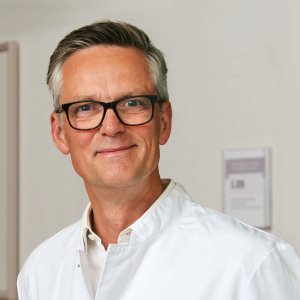
Wolfgang Schröder
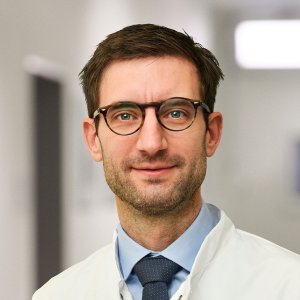
Florian Gebauer Chief Of General And Visceral Surgery
Compartir contenido
Historias en video de pacientes de Bookimed
 Olena Sikoza
Preguntas frecuentes sobre el tratamiento de Hernia de hiato en Alemania
¿Cuáles son las principales opciones quirúrgicas utilizadas por las clínicas alemanas para la reparación de hernias de hiato?
Las clínicas alemanas se especializan en la reparación laparoscópica transabdominal de hernias de hiato. Los cirujanos combinan el estrechamiento del hiato con procedimientos antirreflujo para tratar tanto el defecto anatómico como el reflujo. Se utilizan técnicas especializadas como la funduplicatura de Nissen o Toupet según la motilidad esofágica para garantizar la estabilidad a largo plazo.
- Funduplicaturas: Los cirujanos realizan funduplicaturas de Nissen de 360 grados o de Toupet de 270 grados para reconstruir la válvula.
- Técnicas de hiatoplastia: Los pilares del diafragma se tensan mediante suturas no absorbibles o refuerzo con malla biocompatible.
- Fijación por gastropexia: El estómago se ancla quirúrgicamente a la pared abdominal para evitar futuras migraciones.
- Sistemas asistidos por robot: Centros como el Medical Center de Solingen utilizan una precisión avanzada para reoperaciones complejas.
Perspectiva del experto de Bookimed: Las clínicas alemanas demuestran un alto nivel de especialización quirúrgica al adaptar las funduplicaturas antirreflujo a la motilidad individual. Mientras que muchas regiones utilizan un enfoque único, instituciones como el Hospital Universitario Helios de Wuppertal confían en especialistas como el Dr. Florian Gebauer. Los datos muestran que ajustar los grados de la funduplicatura a los resultados de l
¿Cuáles son los principales riesgos asociados con la cirugía de hernia hiatal?
La cirugía de hernia hiatal en Alemania es segura. Los riesgos principales incluyen dificultad temporal para tragar y el síndrome de distensión gaseosa. Alrededor del 95% de los pacientes se recuperan sin complicaciones mayores. Los centros alemanes utilizan técnicas laparoscópicas para minimizar el sangrado. La recurrencia de la hernia y las lesiones accidentales de órganos siguen siendo posibilidades poco frecuentes.
- Problemas de deglución: La inflamación postoperatoria puede causar disfagia temporal. Esto generalmente se resuelve en unas pocas semanas.
- Síndrome de distensión gaseosa: Los pacientes pueden sentirse hinchados o incapaces de eructar. Esto afecta la calidad de vida.
- Recurrencia de la hernia: Las hernias grandes o levantar objetos pesados pueden causar que la reparación falle.
- Lesión de órganos: Existen riesgos mínimos de daño al esófago o al nervio vago.
- Neumotórax: Los cirujanos manejan las fugas de aire accidentales en la cavidad torácica durante el procedimiento.
Perspectiva de expertos de Bookimed: Las instituciones médicas alemanas como el Medical Center en Solingen tratan a más de 60,000 pacientes al año. Los altos volúmenes de pacientes a menudo se correlacionan con mejores resultados en cirugía visceral. Especialistas como el Dr. Florian Gebauer dirigen departamentos enfocados en estas co
¿Cuándo recomiendan los médicos alemanes la cirugía en lugar de cambios en el estilo de vida?
Los médicos alemanes recomiendan la cirugía para las hernias de hiato cuando las terapias conservadoras no logran controlar el reflujo. La cirugía se prioriza si la endoscopia revela daños esofágicos graves o esófago de Barrett. Se aconseja una intervención inmediata para las hernias paraesofágicas debido a los riesgos de estrangulamiento de órganos o vólvulo. Los umbrales clínicos incluyen anemia persistente y aspiración.
- Fallo del tratamiento: El reflujo persiste después de completar protocolos estandarizados de 6 meses con inhibidores de la bomba de protones.
- Gravedad de las complicaciones: Erosiones esofágicas graves o lesiones de Cameron que causan anemia por deficiencia de hierro.
- Riesgos estructurales: Las hernias paraesofágicas grandes conllevan altos riesgos de encarcelamiento gástrico u obstrucción.
- Señales de aspiración: La tos crónica o las infecciones pulmonares resaltan la regurgitación peligrosa hacia las vías respiratorias.
Perspectiva del experto de Bookimed: Los centros quirúrgicos alemanes a menudo priorizan instalaciones de alto volumen como el Centro Médico de Solingen. Esta clínica trata a más de 60,000 pacientes cada año en múltiples especialidades. El Dr. Florian Gebauer y el Dr. Wolfgang Schröder en el Hospital Universitario Helios de Wuppertal se especializan en estos procedimientos viscerales. Los centros de a
¿Cuánto dura la estancia hospitalaria y el tiempo total de recuperación después de una cirugía de hernia de hiato en Alemania?
Las estancias hospitalarias en Alemania para la cirugía de hernia de hiato suelen durar de 1 a 3 días para los procedimientos laparoscópicos. La recuperación total y la curación interna generalmente toman de 4 a 6 semanas. Los pacientes que requieren cirugía abierta pueden permanecer de 5 a 7 días para asegurar una cicatrización adecuada del sitio quirúrgico.
- Regreso a la oficina: Los pacientes con trabajos de escritorio generalmente regresan al trabajo dentro de 2 a 3 semanas.
- Trabajo físico: Los trabajos extenuantes requieren de 4 a 6 semanas de licencia para la protección abdominal.
- Transición dietética: Los pacientes progresan de líquidos a alimentos blandos durante las primeras 4 semanas.
- Límites de levantamiento: Los cirujanos restringen levantar más de 5 kilogramos hasta por 3 meses después de la operación.
Perspectiva del experto de Bookimed: Los hospitales académicos alemanes, como el Centro Médico de Solingen, enfatizan el movimiento como una herramienta principal de recuperación. Aunque muchos esperan reposo en cama, los médicos allí alientan a caminar pocas horas después de la cirugía. Esta práctica se dirige específicamente al dolor referido en el hombro causado por el gas quirúrgico utilizado en la laparoscopia. Seguir este protocolo a menudo reduce la necesidad de analgésicos fuertes antes del alta.
Consens
¿Puede una hernia de hiato reaparecer después de haber sido reparada?
Las hernias de hiato pueden reaparecer después de una reparación quirúrgica. Los datos médicos sugieren que hasta el 50% de las reparaciones terminan recidivando. Muchas recurrencias son pequeñas y no causan síntomas. Factores como la presión crónica, levantar objetos pesados o la debilidad tisular subyacente suelen influir en los resultados a largo plazo en los departamentos de cirugía visceral alemanes.
- Tasa de recurrencia: Los datos a largo plazo muestran hasta un 50% de recurrencia en las reparaciones de hernia de hiato.
- Estado de los síntomas: Muchas recurrencias son anatómicas y no causan dolor ni reflujo.
- Disparadores del tratamiento: La cirugía de revisión suele reservarse para síntomas graves o riesgos de estrangulamiento.
- Causas principales: La tos crónica, la obesidad y levantar objetos pesados suelen tensar la reparación original.
Perspectiva del experto de Bookimed: Las clínicas alemanas como el Centro Médico de Solingen atienden a más de 60.000 pacientes al año. Este volumen es fundamental para los procedimientos viscerales complejos. Especialistas como el Dr. Florian Gebauer en Helios Wuppertal se centran en la cirugía gastrointestinal de alto volumen. Elegir este tipo de centros a menudo conduce a una mejor durabilidad a largo plazo. Pregunte siempre a su cirujano por sus tasas de recurrencia personales específicas antes
¿Qué tipo de dieta se requiere después de una cirugía de hernia hiatal?
Los pacientes siguen un plan dietético gradual de cuatro a seis semanas después de la cirugía de hernia hiatal. Comienza con líquidos claros y pasa a alimentos blandos. Esta progresión permite que la inflamación interna disminuya y protege la envoltura quirúrgica. Evitar las bebidas carbonatadas y los alimentos que producen gases es necesario para una recuperación segura.
- Fase uno: Líquidos como caldo claro y jugo de manzana comienzan el día 1.
- Fase dos: Los alimentos en puré y las sopas suaves se introducen en las semanas 2 a 3.
- Cambios de hábitos: Comer de 5 a 6 comidas pequeñas previene la presión estomacal y el dolor.
- Restricciones alimentarias: Se deben evitar las carnes secas y el pan fresco para prevenir la impactación.
Perspectiva del experto de Bookimed: Los hospitales académicos alemanes como el Medical Center de Solingen tratan a más de 60,000 pacientes al año con una alta especialización. Los datos muestran que cirujanos jefes como el Dr. Florian Gebauer enfatizan el consumo lento de las comidas durante 45 minutos. Las instituciones más grandes mantienen el éxito mediante el uso de monitoreo postoperatorio estandarizado para detectar signos tempranos de disfagia.
Consenso de los pacientes: Muchos pacientes encuentran que agregar salsa o mantequilla ayuda a que los alimentos bajen más fácilmente. La ma
¿Qué hospitales en Alemania tienen las calificaciones más altas en neurocirugía?
Alemania alberga algunos de los departamentos de neurocirugía más prestigiosos del mundo, liderados por la Charité – Universitätsmedizin Berlin y el Hospital Universitario de Heidelberg. Estos centros destacan en el tratamiento de tumores cerebrales complejos y enfermedades cerebrovasculares. Para maximizar la eficacia de sus procedimientos, utilizan tecnologías de vanguardia como la resonancia magnética intraoperatoria y la neuronavegación asistida por computadora.
- Charité Berlín: Realiza más de 5000 cirugías al año. La clínica está dirigida por el reconocido neurocirujano Dr. Peter Vaikoczy.
- Centro Médico Solingen: El Dr. Ralf Buhl ha realizado más de 4.000 cirugías, incluidas cirugías de columna mínimamente invasivas.
- Clínica Asklepios Nord: equipada con el único sistema de resonancia magnética intraoperatoria bilateral de Alemania para garantizar precisión quirúrgica en tiempo real durante la extirpación del tumor.
- Clínica Nordwest: reconocida por la revista Newsweek como un hospital líder por su innovación en tecnología de ultrasonido 3D.
Opinión experta de Bookimed: Los datos muestran que elegir centros con un alto volumen quirúrgico suele llevar a recomendaciones de tratamiento más conservadoras. En el Centro Médico Solingen, que atiende a más de 60.000 pacientes al año, los cirujanos suelen sugerir fisioterapia en lugar de cirugía
¿Cuáles son las tasas de éxito de los procedimientos neuroquirúrgicos complejos en Alemania?
En Alemania, los procedimientos neuroquirúrgicos de alta complejidad demuestran una seguridad excepcional. Las tasas de éxito en las fusiones espinales alcanzan el 99 %. La tasa de supervivencia en las resecciones de tumores cerebrales primarios es del 97 %. La independencia funcional es alta. Más del 82 % de los pacientes reciben el alta inmediatamente después del tratamiento. Los centros alemanes priorizan la preservación de la función neurológica mediante técnicas modernas de mapeo.
- Resección de tumores: los cirujanos logran una resección tumoral completa en el 87,2% de los casos de metástasis cerebrales.
- Éxito en el tratamiento de enfermedades vasculares: los hospitales alemanes informan de una tasa de supervivencia del 98,7% para aneurismas no rotos.
- Mejora del estado neurológico: casi el 43% de los pacientes experimentan una mejora de los parámetros funcionales después de resecciones complejas.
- Seguridad de las intervenciones quirúrgicas: En grandes centros quirúrgicos, las tasas de supervivencia de los pacientes después de la cirugía de columna son del 98-99%.
Opinión experta de Bookimed: Cirujanos experimentados como el Dr. Uwe Köhler, de la Clínica Asklepios Altona, realizan más de 2000 cirugías al año. Los datos muestran que estos especialistas mantienen tasas de éxito de hasta el 90 %, incluso en los tumores cerebrales más comp
¿Qué tecnologías avanzadas suelen estar disponibles en las clínicas neuroquirúrgicas alemanas?
Las clínicas neuroquirúrgicas alemanas incorporan regularmente instrumentos digitales de alta precisión y visualización en tiempo real a la práctica quirúrgica. Entre las tecnologías clave se encuentra la neuronavegación computarizada para cirugías de cerebro y médula espinal. Instituciones como la Clínica Asklepios Nord utilizan la resonancia magnética intraoperatoria para verificar la extirpación de tumores en tiempo real. Estos sistemas proporcionan a los cirujanos navegación GPS 3D.
- Neuronavegación: proporciona visualización 3D y seguimiento de instrumentos en tiempo real para lograr precisión quirúrgica hasta el nivel submilimétrico.
- Imágenes intraoperatorias: sistemas como iMRI y O-arm CT permiten la confirmación inmediata de una resección exitosa.
- Neuromonitorización: Monitorea las funciones motoras y sensoriales durante la cirugía para proteger el sistema nervioso.
- Diagnóstico de fluorescencia: se utiliza el colorante 5-ALA para resaltar los bordes del tumor para una eliminación más completa.
- Asistencia robótica: Sistemas como el Da Vinci mejoran la precisión en procedimientos complejos y mínimamente invasivos.
Opinión experta de Bookimed: Grandes centros como la Charité – Universitätsmedizin de Berlín realizan más de 4000 procedimientos neuroquirúrgicos al año, lo que crea un entorno rico en datos para p
¿Qué formación especializada reciben los neurocirujanos en ejercicio en Alemania?
En Alemania, los neurocirujanos deben completar una residencia especializada de seis años tras graduarse de la facultad de medicina. Este programa estructurado incluye cuidados intensivos, práctica clínica y una revista quirúrgica obligatoria. Posteriormente, los candidatos aprueban un examen estatal para obtener el título de residente (Facharzt für Neurochirurgie).
- Residencia clínica: requiere de 48 a 72 meses de práctica neuroquirúrgica especializada.
- Cuidados intensivos: incluye una pasantía obligatoria de 6 meses en una unidad de cuidados intensivos neuroquirúrgicos.
- Revista quirúrgica: los cirujanos documentan cientos de cirugías, incluidas craneotomías y cirugías de columna.
- Examen de licencia: Los solicitantes deben aprobar un examen médico oral y práctico administrado por el estado.
Opinión experta de Bookimed: La formación neuroquirúrgica alemana se centra en una amplia experiencia quirúrgica. Por ejemplo, el Dr. Ralf Buhl, del Centro Médico Solingen, ha realizado más de 4000 cirugías. El Dr. Jürgen Kiwit, del Hospital Meoklinik, cuenta con más de 25 años de experiencia. Este riguroso sistema garantiza que los especialistas de los principales centros aborden casos complejos con una precisión demostrada.
Comentarios de los pacientes: Los pacientes se sienten seguros al saber que sus médicos han recibido año