Hernia de hiato en Turquía: las 8 mejores clínicas para su tratamiento


Revisado médicamente por
Fahad Mawlood
Cómo funciona
¿Cuál es el precio del diagnóstico y los tratamientos de Hernia de hiato en Turquía? Descubra ahora
Descubra las mejores clínicas de tratamiento de Hernia de hiato en Turquía: 8 opciones verificadas y Precios




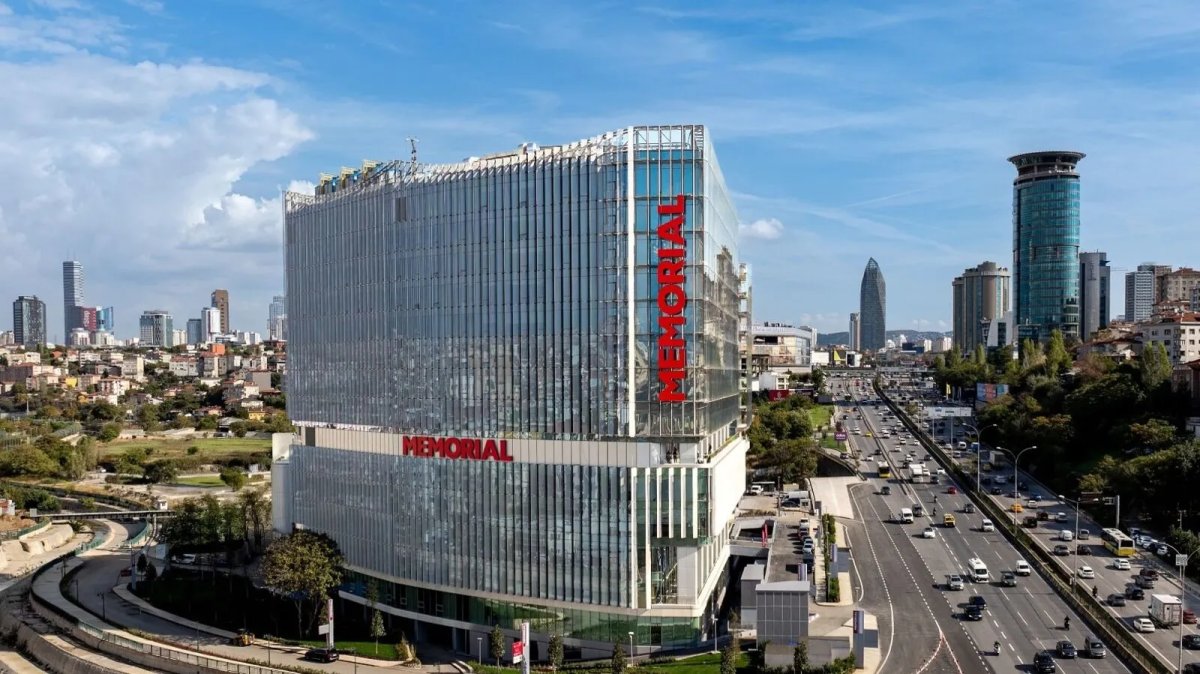
Memorial Göztepe Hospital
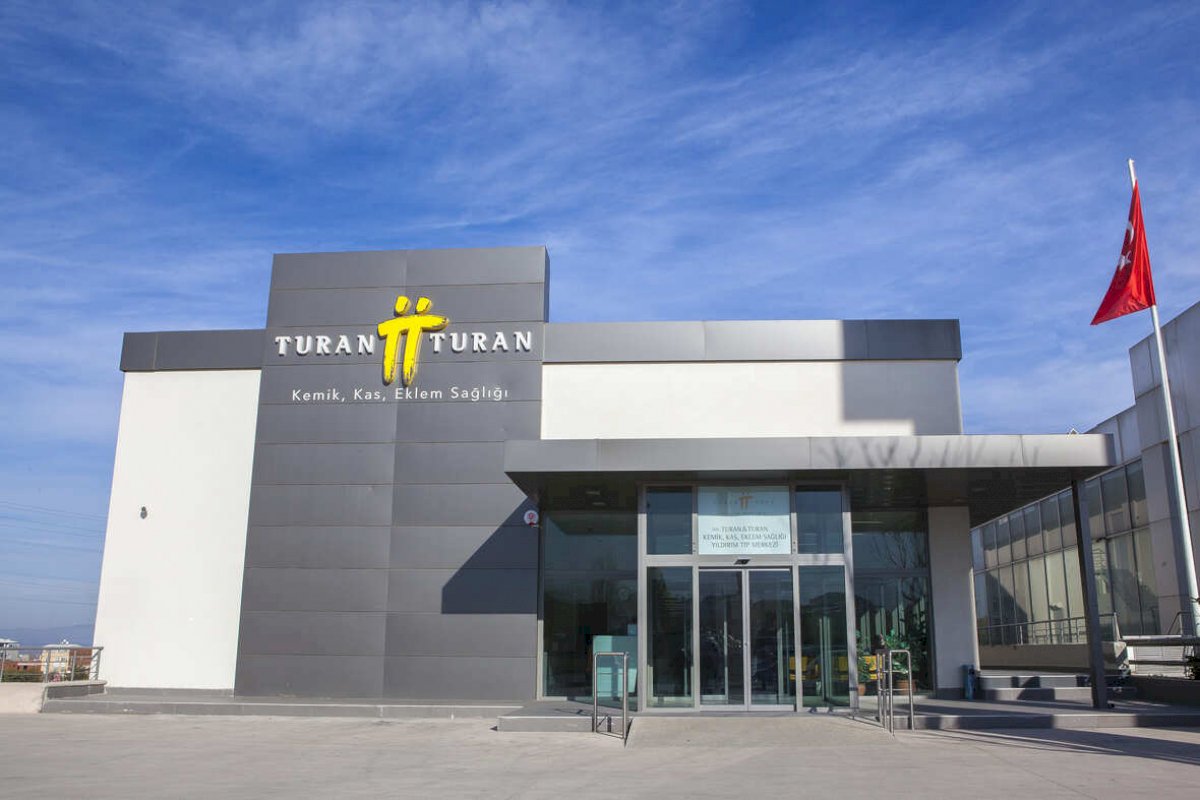
Turan Turan Health Group

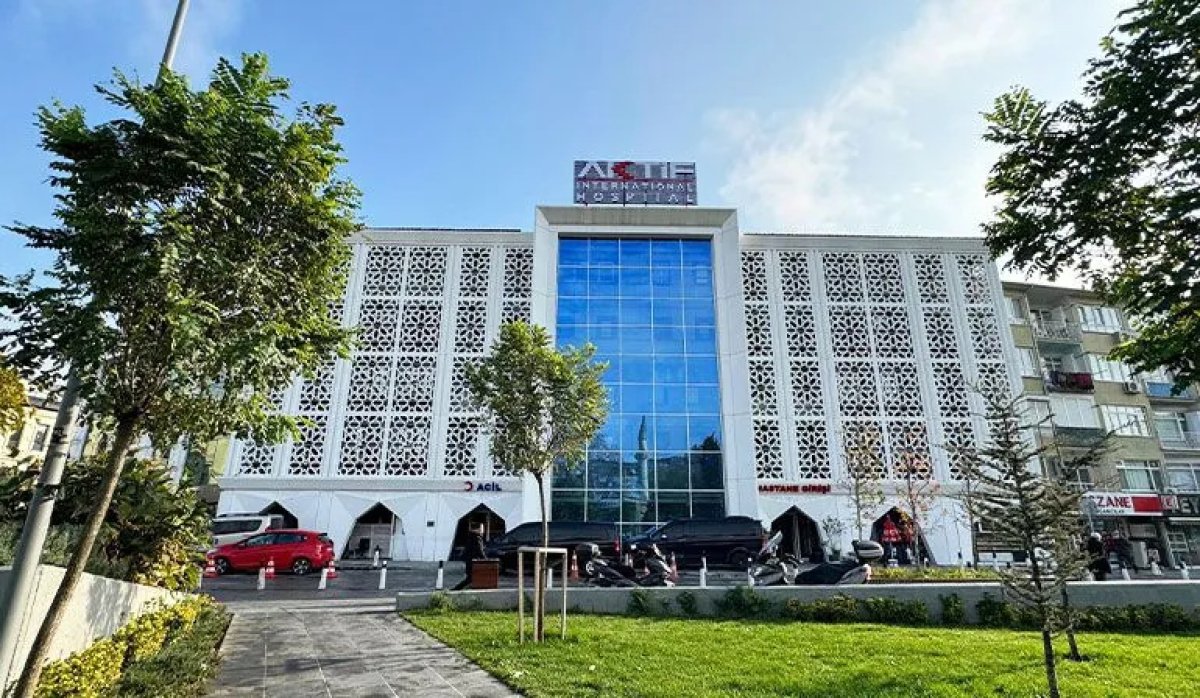



Prof. Dr. Ebru Ayvazoğlu Soy
YDA Center

Obtenga una evaluación médica de tratamiento de Hernia de hiato en Turquía: haga una consulta con 17 médicos experimentados ahora
Ver todos los médicos
Abdulcabbar Kartal
El Dr. Abdulcabbar Kartal es cirujano colorrectal y general en el Anadolu Medical Center. Se especializa en HIPEC y cirugía bariátrica. Ha realizado más de 500 procedimientos bariátricos. El Dr. Kartal posee la certificación de la Sociedad Europea de Coloproctología (FEBS-C). Trabaja en una clínica afiliada a Johns Hopkins Medicine.
- Ha completado más de 650 operaciones quirúrgicas en los principales hospitales de Turquía.
- Certificado por la Asociación Quirúrgica Turca po

Vafi Atalay
El Dr. Vafi Atalay es un cirujano oncólogo y general con 17 años de experiencia. Está especializado en cirugías de páncreas, colon, recto e hígado, y realiza procedimientos endoscópicos avanzados. Ha publicado 31 artículos en revistas nacionales e internacionales, contribuyendo significativamente a la literatura médica.
Recibió el primer premio en el Concurso de Investigación del 20º Congreso y el premio a la Mejor Investigación en el 5º Congreso de Cirujanos. Es miembro de la TSS, la

Halil Alis
El Dr. Halil Alis es cirujano gastrointestinal y director médico en VM Medical Park Florya. Es instructor de cirugía robótica utilizando el sistema Da Vinci. El Dr. Alis trata la obesidad, las afecciones colorrectales y las enfermedades digestivas complejas. Es autor de más de 70 artículos científicos en revistas médicas internacionales.
- Miembro activo de SAGES, EAES, IASGO, ISSO e IFSO.
- Realiza cirugías robóticas de manga gástrica y bypass con el sistema Da Vinci.
Soykan Barlas
El profesor asociado Dr. Soykan Barlas es cirujano general y de trasplantes en el Hospital Medical Park Göztepe. Se especializa en trasplantes de riñón y procedimientos bariátricos como la cirugía de manga gástrica. El Dr. Barlas completó su formación en laparoscopia en Escocia. Posee un Certificado de Reconocimiento del Ministerio de Salud de Turquía.
- Se desempeña como profesor académico en la Universidad de Ciencias Demiroğlu.
- Ha publicado más de 20 artículos en revistas
Compartir contenido
Historias en video de pacientes de Bookimed
 Olena Sikoza
Preguntas frecuentes sobre el tratamiento de Hernia de hiato en Turquía
¿Qué incluye un paquete típico de cirugía de hernia hiatal en Turquía?
Los paquetes típicos de cirugía de hernia hiatal en Turquía incluyen funduplicatura laparoscópica, exámenes preoperatorios y estancias hospitalarias. La mayoría de los paquetes ofrecen traslados VIP y asistencia multilingüe. Estos paquetes utilizan instalaciones acreditadas por la JCI y cirujanos a menudo especializados en técnicas de reparación de hernia asistida por robot.
- Evaluaciones médicas: Incluye análisis de sangre, ECG y las consultas preanestésicas requeridas.
- Estancia hospitalaria: Generalmente cubre 1-2 noches en una suite de hospital privada.
- Honorarios quirúrgicos: Cubre al cirujano principal, al personal médico asistente y la anestesia.
- Servicios de apoyo: Proporciona asistencia personal 24/7 y traslados VIP aeropuerto-hotel-clínica.
Perspectiva del experto de Bookimed: Los pacientes deben verificar si se incluyen sistemas robóticos avanzados como Da Vinci XI. Cirujanos como el Dr. Halil Alis o el Dr. Cengiz Dibekoglu se especializan en estas reparaciones asistidas por robot. Si bien la cirugía laparoscópica estándar es común, los sistemas robóticos pueden ofrecer mayor precisión para casos complejos de hernia.
Consenso de los pacientes: Los pacientes señalan que es esencial confirmar si la cotización cubre la malla o pasos específicos antirreflujo. Consideran útil obtener una lista detallada de lo
¿Qué ciudades ofrecen la cirugía de hernia de hiato de mayor calidad en Turquía?
Estambul es la principal ciudad para la cirugía de hernia de hiato en Turquía debido a su alta concentración de centros especializados. La ciudad cuenta con hospitales acreditados por la Joint Commission International (JCI), como el Anadolu Medical Center y el Hospital Istanbul Florence Nightingale. Estos centros ofrecen reparaciones laparoscópicas avanzadas y robóticas da Vinci.
- Experiencia en robótica: El Dr. Cengiz Dibekoglu realizó la primera cirugía general de Turquía utilizando el sistema da Vinci.
- Densidad de especialistas: Estambul alberga a numerosos expertos como el Dr. Halil Alis, quien entrena a otros en laparoscopia.
- Centros académicos: Ankara ofrece atención vinculada a universidades para pacientes que buscan un entorno menos enfocado al turismo médico.
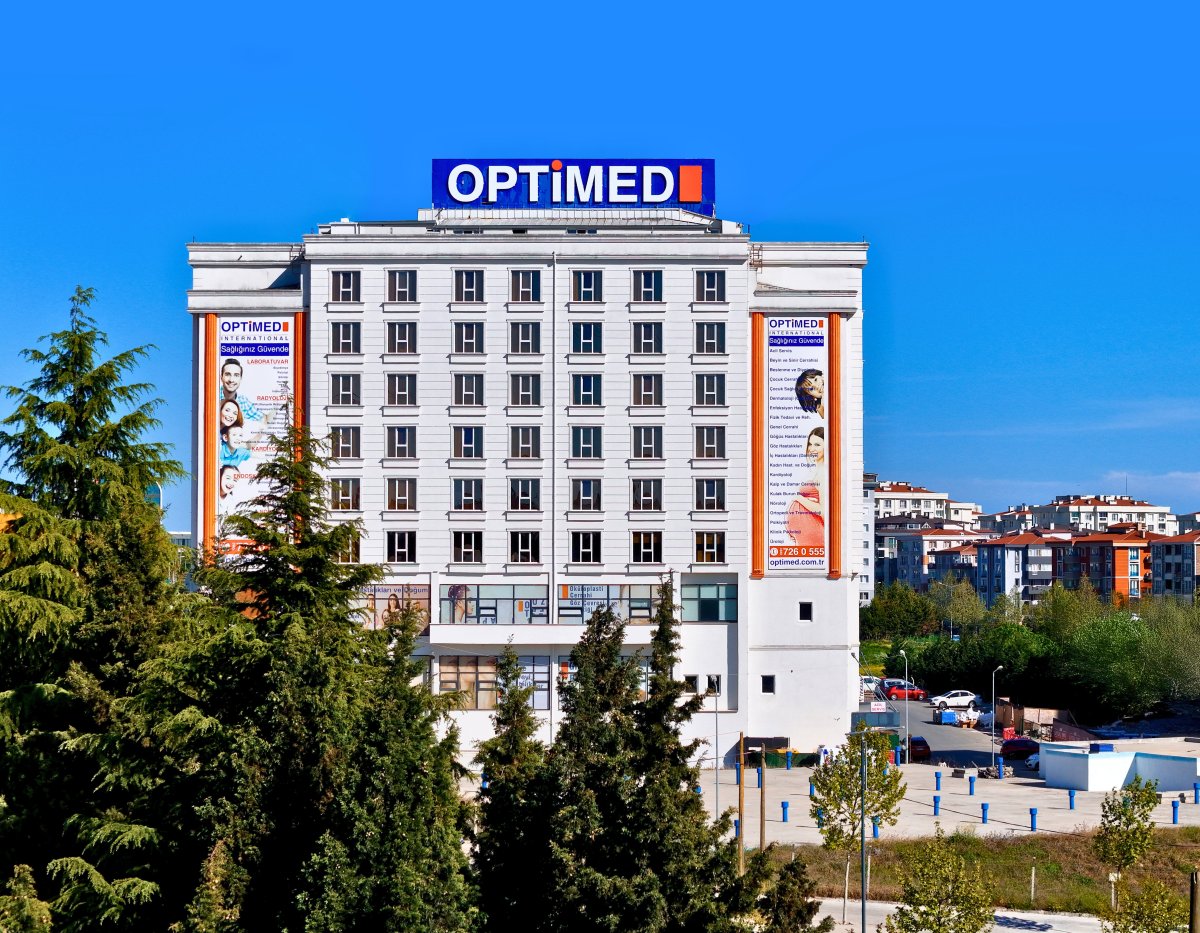
- Opciones regionales: Bursa y Tekirdag ofrecen hospitales de alta capacidad como Turan Turan y Optimed, acreditado por la AACI.
Opinión de expertos de Bookimed: Aunque Estambul es claramente el líder, los pacientes deben buscar clínicas que combinen la reparación de hernia de hiato con capacidades de diagnóstico integrales. Los datos muestran que los centros de primer nivel como Memorial Goztepe incluyen juntas multidisciplinarias e imágenes avanzadas. Elegir un cirujano especializado específicamente en cirugía gastrointestinal superior es más crítico que la elección de la c
¿Cuánto dura la estancia hospitalaria típica y la recuperación general después de una cirugía de hernia de hiato en Turquía?
Las clínicas turcas suelen requerir una estancia hospitalaria de 1 a 2 días para la cirugía laparoscópica de hernia de hiato. Los pacientes generalmente experimentan una recuperación completa dentro de 4 a 6 semanas. Las actividades ligeras a menudo se reanudan después de 7 a 14 días posteriores al procedimiento.
- Estancia hospitalaria: Espere de 1 a 2 noches de observación en los centros médicos turcos.
- Trabajo manual: Evite levantar objetos pesados y hacer ejercicio intenso durante al menos 4 a 6 semanas.
- Cronograma dietético: Transición de líquidos a alimentos blandos durante las primeras 2 semanas.
- Trabajo de oficina: La mayoría de los pacientes regresan a sus puestos de oficina dentro de 1 a 2 semanas.
Perspectiva del experto de Bookimed: Aunque muchos esperan una salida rápida, los centros de alto volumen como el Hospital Internacional Optimed priorizan la seguridad con una unidad de cuidados intensivos 24/7. Elegir a un cirujano como el Dr. Cengiz Dibekoglu, quien realizó la primera cirugía general robótica de Turquía, garantiza el acceso a técnicas avanzadas que a menudo minimizan el dolor postoperatorio.
Consenso de los pacientes: Los pacientes señalan que la primera semana suele ser desafiante debido a la incomodidad al tragar y la hinchazón. Muchos enfatizan que la dieta restrictiva es más difícil de ma
¿Qué restricciones dietéticas y de actividad seguiré después de la operación?
El cuidado postoperatorio en Turquía se centra en proteger la reparación quirúrgica mientras se asegura una nutrición adecuada. Los pacientes generalmente comienzan con una dieta líquida durante 2 semanas. Debe evitar levantar objetos de más de 10 libras (aprox. 4,5 kg) durante 6 semanas. Caminar temprano ayuda a prevenir coágulos y controlar el dolor por gases.
- Progresión dietética: Transición de líquidos claros a alimentos puré en 2 a 4 semanas.
- Hábitos alimenticios: Coma 5 a 6 comidas pequeñas y frecuentes en lugar de 3 grandes.
- Seguridad al tragar: Mastique bien los alimentos para evitar que se atasquen en el esófago.
- Alimentos prohibidos: Evite bebidas gaseosas, pan seco y carnes duras durante la recuperación inicial.
- Límites de actividad: Absténgase de ejercicios abdominales o deportes extenuantes durante al menos 6 semanas.
Perspectiva del experto de Bookimed: Especialistas turcos como el Dr. Halil Alis a menudo utilizan técnicas asistidas por robot para minimizar la cicatrización interna. Este enfoque generalmente permite un regreso más rápido a actividades ligeras. Aunque las pautas generales sugieren 64 onzas (aprox. 1,9 litros) de líquido, los pacientes deben beber a sorbos lentamente durante todo el día. Beber rápidamente puede causar molestias debido a la hinchazón postoperatoria temporal.
<
¿Cuándo es seguro tomar un vuelo después de una cirugía de hernia hiatal en Turquía?
La mayoría de los pacientes pueden volar dentro de las 48 a 72 horas posteriores a una cirugía laparoscópica de hernia hiatal en Turquía. Los vuelos de corta distancia suelen ser seguros una vez que disminuye el dolor por gases. Los cirujanos recomiendan esperar de 10 a 14 días para vuelos internacionales de larga distancia para gestionar los cambios de presión y los riesgos de coágulos.
- Tipo de procedimiento: Las técnicas laparoscópicas permiten una autorización de viaje más rápida que la cirugía abierta tradicional.
- Duración del vuelo: Espere 2 semanas para vuelos de más de 4 horas para prevenir la trombosis venosa profunda.
- Verificación de síntomas: Retrase el embarque si experimenta fiebre, disfagia severa o vómitos persistentes postoperatorios.
- Preparación para viajar: Caminar cómodamente y comer bocadillos ligeros son indicadores esenciales para un viaje seguro.
Perspectiva del experto de Bookimed: Los centros quirúrgicos turcos como Optimed International o Memorial Göztepe priorizan la velocidad de diagnóstico. Aunque la autorización básica tarda 2 días, busque especialistas como el Dr. Halil Alis o el Dr. Cengiz Dibekoglu. Estos expertos fueron pioneros en cirugía robótica en Turquía y a menudo proporcionan cartas específicas de aptitud para volar para el cumplimiento de las aerolíneas internacionales.
Consenso de
¿Cada hernia hiatal requiere cirugía o puede tratarse de forma conservadora?
No todas las hernias hiatales requieren cirugía. Las hernias por deslizamiento pequeñas a menudo permanecen asintomáticas y se manejan de forma conservadora mediante ajustes en el estilo de vida. La intervención médica se reserva para el reflujo grave que no responde a los medicamentos, dificultades para tragar o hernias paraesofágicas grandes con riesgo de estrangulamiento.
- Enfoque conservador: Para hernias pequeñas se utilizan medicamentos reductores de ácido, pérdida de peso y modificación de la dieta.
- Factores de cirugía: Los vómitos persistentes, la anemia o los tipos de hernia grandes generalmente requieren reparación quirúrgica.
- Opciones mínimamente invasivas: Los sistemas robóticos y laparoscópicos avanzados permiten una reparación precisa con una recuperación más rápida.
- Prevención de riesgos: La cirugía previene complicaciones como el vólvulo o el atrapamiento de órganos en casos complejos.
Perspectiva del experto de Bookimed: Especialistas turcos como el Dr. Cengiz Dibekoglu y el Dr. Halil Alis fueron pioneros en cirugía robótica en la región. Los datos de sus clínicas muestran una preferencia por los sistemas robóticos en reparaciones de hernia hiatal complejas. Esta tecnología ofrece una visualización superior en comparación con la laparoscopia estándar, lo cual es vital para pacientes con hernias recurrentes o tratamientos