Hernia de hiato en Austria: clínica verificada para su tratamiento


Revisado médicamente por
Fahad Mawlood
¿Cuál es el precio del diagnóstico y los tratamientos de Hernia de hiato en Austria? Descubra ahora
Sus beneficios y garantías con Bookimed
Precios directos
Bookimed no añade cargos extra a los precios de los tratamientos de Hernia de hiato. Las tarifas proceden de las listas de precios oficiales de las clínicas. Pagará directamente en la clínica por su tratamiento a su llegada al país.
Sólo clínicas y médicos verificados
Bookimed está comprometido con su seguridad. Solo trabajamos con las clínicas que mantienen altos estándares internacionales en el tratamiento de Hernia de hiato y cuentan con las licencias necesarias para atender a pacientes internacionales en todo el mundo.
Asistencia 24/7 gratuita
Bookimed ofrece asistencia experta gratuita. Un coordinador médico personal le apoya antes, durante y después de su tratamiento, resolviendo cualquier problema. Nunca estará solo en su viaje médico de tratamiento de Hernia de hiato.

Su coordinador médico personal de Bookimed
- Le apoya en cada etapa
- Ayuda a elegir la clínica y el médico adecuados
- Asegura un acceso rápido y conveniente a la información
Descubra las mejores clínicas de tratamiento de Hernia de hiato en Austria: 1 opciones verificadas y Precios
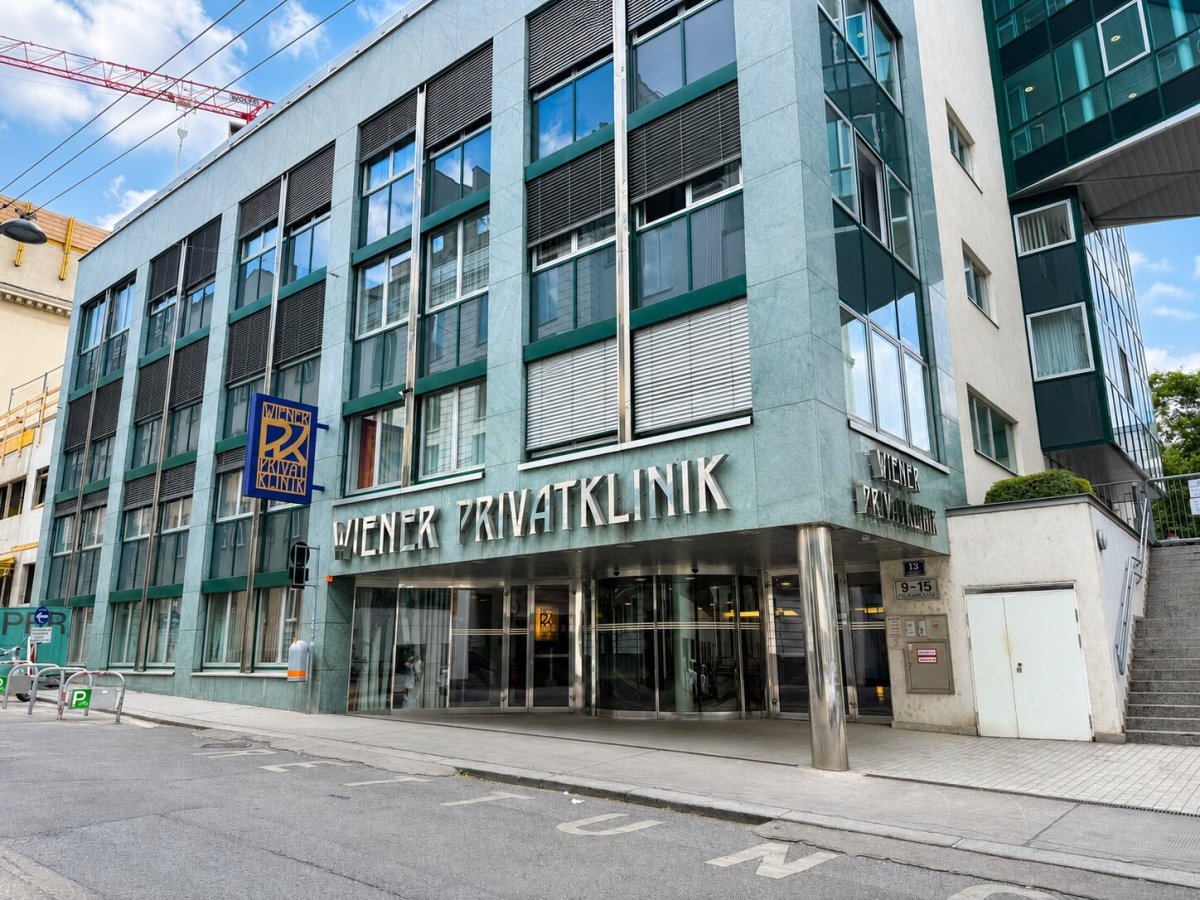




Obtenga una evaluación médica para Hernia de hiato en Austria: consulte con doctores experimentados ahora
Ver todos los médicos
Martin Schindl
El Prof. Martin Schindl se especializa en cirugías abdominales complejas, incluyendo la reparación de hernias de hiato, con décadas de experiencia en la Wiener Privatklinik.
- Experto en cirugía hepatopancreatobiliar y visceral
- Profesor de Cirugía en la Universidad Médica de Viena
- Se centra en técnicas de precisión para una mejor recuperación
- Ha publicado extensamente sobre resultados en oncología quirúrgica
Compartir contenido
Historias en video de pacientes de Bookimed
 Olena Sikoza
Preguntas frecuentes sobre el tratamiento de Hernia de hiato en Austria
¿En qué casos es necesaria la cirugía para una hernia de hiato?
La cirugía es necesaria cuando una hernia de hiato provoca reflujo severo que no responde al tratamiento médico. Los médicos también recomiendan la cirugía en casos de complicaciones potencialmente mortales, como torsión de órganos o insuficiencia circulatoria. Las hernias paraesofágicas grandes suelen requerir reparación quirúrgica para prevenir una obstrucción gástrica repentina o dificultades respiratorias graves.
- Resistencia al tratamiento: Los síntomas persisten a pesar del uso de dosis máximas de inhibidores de la bomba de protones que suprimen la producción de ácido.
- Problemas mecánicos: La dificultad crónica para tragar o la retención de alimentos indican una obstrucción estructural significativa.
- En casos avanzados, la cirugía trata complicaciones como la estenosis esofágica o el sangrado que causa anemia crónica.
- Situación de emergencia: La torsión o estrangulación gástrica requiere intervención quirúrgica inmediata.
Opinión de un experto de Bookimed: La calidad de vida suele ser un factor más determinante para la intervención quirúrgica que el tamaño de la hernia. Datos de la Clínica Privada Wiener muestran que cirujanos viscerales de renombre, como el Dr. Martin Schindl, suelen tratar a pacientes sintomáticos con hernias técnicamente más pequeñas. La experiencia del profesor es crucial cuando síntomas como el dolor torácico si
¿Puede una hernia de hiato curarse por sí sola?
Las hernias diafragmáticas no se curan por sí solas. Este defecto anatómico se produce cuando el estómago protruye a través del diafragma. Su corrección requiere cirugía. La mayoría de los pacientes logran controlar las hernias pequeñas con cambios en su estilo de vida. Las hernias más grandes o sintomáticas requieren atención médica especializada.
- Necesidad de tratamiento: Las hernias pequeñas y asintomáticas a menudo no requieren ningún tratamiento más allá de un seguimiento regular.
- Control de los síntomas: La pérdida de peso y los cambios en la dieta reducen eficazmente el reflujo y la presión interna.
- Indicaciones quirúrgicas: La cirugía es necesaria en caso de hemorragia crónica o dificultad para tragar.
- Experiencia: Centros austriacos como la Wiener Privatklinik ofrecen diagnósticos avanzados de defectos abdominales.
Opinión experta de Bookimed: Los datos de pacientes muestran que los cirujanos especialistas en Viena suelen priorizar la cirugía interna al tratar hernias. El Dr. Martin Schindl, de la Clínica Privada de Viena, es profesor especializado en cirugías abdominales complejas. Su formación académica en la Universidad Médica de Viena garantiza a los pacientes el diagnóstico más preciso posible incluso antes de la cirugía.
Comentarios de los pacientes: Los pacientes enfatizan que una mejoría en el bien
¿Cuáles son los principales tratamientos quirúrgicos disponibles en las clínicas austriacas?
Las clínicas austriacas se especializan en procedimientos laparoscópicos mínimamente invasivos para el tratamiento de hernias de hiato. Los cirujanos utilizan técnicas avanzadas, como las fundoplicaturas de Nissen y Toupet, para tratar el reflujo gástrico y los defectos diafragmáticos. Las clínicas de Viena mantienen altos estándares de seguridad, cuentan con la certificación ISO y están clasificadas entre los mejores centros médicos por Newsweek.
- Métodos quirúrgicos: La corrección laparoscópica con fundoplicatura sigue siendo el tratamiento estándar para los casos de enfermedad por reflujo.
- Procedimientos avanzados: Los cirujanos realizan la reparación de los pilares diafragmáticos con la opción de refuerzo con malla para hernias de mayor tamaño.
- Experiencia especializada: Profesores de la Universidad Médica de Viena brindan asistencia específica.
- Estándares de las instalaciones médicas: Centros como la Wiener Privatklinik cuentan con quirófanos modernos y unidades de cuidados intensivos.
Opinión experta de Bookimed: Los datos muestran que la experiencia quirúrgica austriaca se concentra principalmente en clínicas privadas afiliadas a universidades. Por ejemplo, el profesor Martin Schindl de la Wiener Privatklinik aporta rigor académico a la cirugía visceral. Los pacientes se benefician de cirujanos que combinan un trabajo oncológico com
¿En qué lugar de Austria puedo recibir tratamiento especializado para una hernia de hiato?
El tratamiento especializado para la hernia de hiato está disponible en centros certificados de Viena, Linz y Graz. Entre los centros líderes se encuentran el Hospital Privado de Viena (Wiener Privatklinik) y hospitales universitarios como el AKH de Viena. Estas instituciones se especializan en hiatoplastia laparoscópica y fundoplicatura robótica. Los cirujanos utilizan técnicas mínimamente invasivas para garantizar una recuperación más rápida.
- Centros especializados: Los Centros de Excelencia en Hernias certificados ofrecen servicios especializados para la reparación del diafragma.
- Técnicas quirúrgicas avanzadas: Los quirófanos modernos permiten realizar cirugías robóticas para corregir hernias de hiato utilizando el sistema Da Vinci.
- Cirujanos experimentados: Especialistas como el Dr. Martin Schindl ocupan puestos docentes de alto nivel en universidades.
- Áreas de diagnóstico: En las clínicas se realizan manometría de alta resolución y monitorización del pH para detectar el reflujo.
Reseña de expertos de Bookimed: La Clínica Privada de Viena utiliza un modelo único en el que más de 400 médicos son también profesores de la Universidad Médica de Viena. Esto garantiza que los pacientes reciban atención de investigadores que publican activamente resultados quirúrgicos. En casos complejos, elegir a un consultor experimentado como el Dr. Marti
¿Cuáles son los tratamientos de primera línea para los síntomas leves de una hernia de hiato?
El tratamiento de primera línea para los síntomas leves de la hernia de hiato se centra en aliviar el reflujo ácido. Los pacientes realizan cambios en su estilo de vida y toman medicamentos para controlar la acidez estomacal y la presión en el pecho. Entre las opciones farmacológicas más comunes se encuentran los inhibidores de la bomba de protones (IBP) y los antagonistas de los receptores H2. Estos medicamentos reducen eficazmente la producción de ácido estomacal.
- Hábitos alimenticios: Comer pequeñas porciones con frecuencia reduce la presión sobre el diafragma.
- Después de comer, debes mantenerte en posición vertical y evitar inclinarte durante 3 horas.
- Cabecero elevado: Elevar el cabecero de la cama puede prevenir la acidez estomacal durante la noche.
- Bloqueadores de ácido: Los inhibidores de la bomba de protones o los bloqueadores de los receptores H2 dan tiempo al tejido esofágico para sanar.
Opinión de expertos de Bookimed: Los pacientes en Austria suelen beneficiarse de una alta concentración de especialistas. La clínica privada Wiener Privatklinik cuenta con más de 400 médicos en un mismo centro. Cirujanos experimentados, como el profesor Martin Schindl, se especializan en cirugías abdominales complejas. Este entorno interdisciplinario garantiza que incluso los síntomas leves se diagnostiquen exhaustivamente antes de que empeoren.