Lupus eritematoso Tratamiento en Alemania — Costos 2026


Revisado médicamente por
Fahad Mawlood
¿Cuál es el precio del diagnóstico y los tratamientos de Lupus eritematoso en Alemania? Descubra ahora
El costo del tratamiento del lupus eritematoso en Alemania está determinado principalmente por la necesidad de atención hospitalaria y el uso de productos biológicos especializados. De $800. Los gastos totales dependen de la frecuencia de los brotes y la afectación de órganos, con ahorros del 20-40% en comparación con los EE. UU. Los mejores centros de tratamiento se encuentran en Berlín, Hamburgo y Fráncfort del Meno.
Costos típicos del tratamiento del lupus eritematoso en Alemania
- Pruebas de laboratorio para el lupus eritematoso sistémico: de $800
- Diagnóstico hospitalario para enfermedades reumatológicas: de $9,000
- Análisis extendido de sangre: de $150
- Ecografía Doppler de vasos: de $430
- ECG: $50 – $60
Perspectiva de los expertos de Bookimed: Para casos complejos que requieren experiencia multidisciplinaria, los hospitales universitarios como Charité Berlin o el Hospital Universitario de Essen ofrecen la atención más avanzada basada en la investigación. Los pacientes internacionales que buscan una logística eficiente deberían considerar el Hospital Asklepios Barmbek. Es reconocido por la Medical Travel Quality Alliance como una de las mejores opciones para viajeros extranjeros. Los pacientes con complicaciones cardiovasculares o neurológicas se benefician de la Clínica Schlosspark, que 2700 médicos recomiendan por su precisión diagnóstica especializada.
| Alemania | España | Turquía | |
|---|---|---|---|
| Plasmaféresis DFPP | ≈ $1,800 | ≈ $1,100 | ≈ $1,900 |
| Plasmaféresis | ≈ $2,200 | de $12,300 | de $3,200 |
| Intercambio de plasma | ≈ $3,800 | ≈ $2,400 | ≈ $3,900 |
| Aféresis selectiva | ≈ $2,800 | ≈ $1,800 | ≈ $1,600 |
Sus beneficios y garantías con Bookimed
Precios directos
Bookimed no añade cargos extra a los precios de los tratamientos de Lupus eritematoso. Las tarifas proceden de las listas de precios oficiales de las clínicas. Pagará directamente en la clínica por su tratamiento a su llegada al país.
Sólo clínicas y médicos verificados
Bookimed está comprometido con su seguridad. Solo trabajamos con las clínicas que mantienen altos estándares internacionales en el tratamiento de Lupus eritematoso y cuentan con las licencias necesarias para atender a pacientes internacionales en todo el mundo.
Asistencia 24/7 gratuita
Bookimed ofrece asistencia experta gratuita. Un coordinador médico personal le apoya antes, durante y después de su tratamiento, resolviendo cualquier problema. Nunca estará solo en su viaje médico de tratamiento de Lupus eritematoso.

Su coordinador médico personal de Bookimed
- Le apoya en cada etapa
- Ayuda a elegir la clínica y el médico adecuados
- Asegura un acceso rápido y conveniente a la información
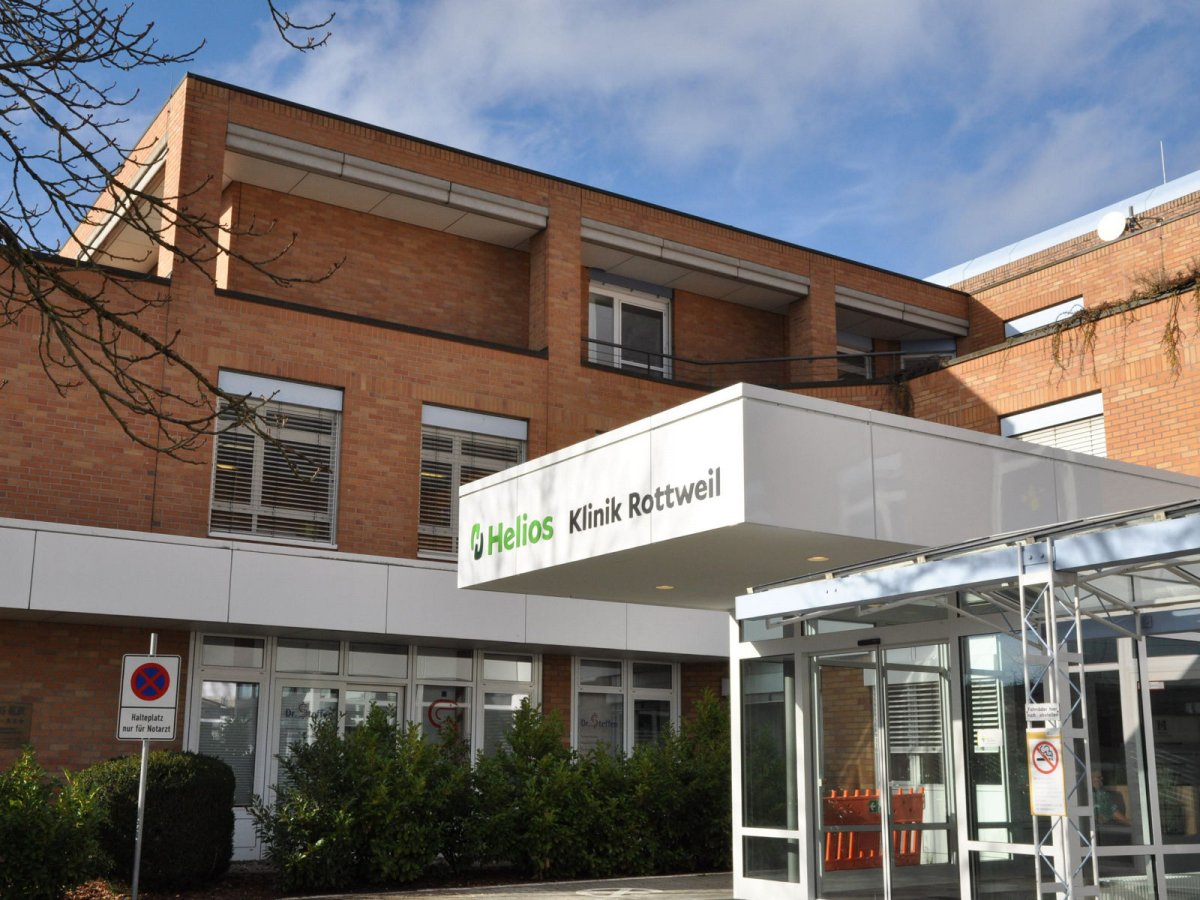
Descubra las mejores clínicas de tratamiento de Lupus eritematoso en Alemania: 4 opciones verificadas y Precios








Obtenga una evaluación médica para Lupus eritematoso en Alemania: consulte con doctores experimentados ahora
Ver todos los médicos
Peter Heering
El Profesor Dr. Peter Heering es especialista en nefrología, medicina interna e hipertensión. Dirige la Clínica de Nefrología y Medicina General del Hospital Académico de Solingen desde hace más de 20 años. El Dr. Heering supervisa el diagnóstico avanzado y el tratamiento de enfermedades renales, hipertensión y vasculitis sistémica, logrando excelentes resultados en insuficiencia renal aguda y crónica.
El Dr. Heering es miembro de destacadas sociedades médicas, incluidas las Sociedade
Compartir contenido
Historias en video de pacientes de Bookimed
 Olena Sikoza
Preguntas frecuentes sobre el tratamiento de Lupus eritematoso en Alemania
¿Es seguro el tratamiento del lupus en Alemania y es realizado por especialistas certificados?
El tratamiento del lupus en Alemania es seguro y está gestionado por especialistas certificados. Los reumatólogos alemanes completan 72 meses de formación de residencia para obtener su certificación. Centros como el Hospital Asklepios Barmbek mantienen certificaciones ISO y de la Medical Travel Quality Alliance. Estos estándares garantizan una gestión rigurosa de la seguridad y la calidad para el cuidado complejo de enfermedades autoinmunes.
- Formación de especialistas: Los reumatólogos deben completar una formación especializada en medicina interna y obtener licencias médicas oficiales alemanas.
- Supervisión clínica: Los análisis de laboratorio regulares cada 3 a 6 meses monitorean la función renal y los niveles de actividad del lupus.
- Estándares de acreditación: Hospitales como la Clínica Nordwest poseen certificaciones TÜV para inspecciones técnicas y médicas independientes.
- Enfoque multidisciplinario: Los centros académicos integran nefrólogos y neurólogos para manejar de forma segura las complicaciones del lupus específicas de cada órgano.
Perspectiva del experto de Bookimed: Aunque los hospitales universitarios como Charité o Essen ofrecen una inmensa profundidad de investigación, sirven principalmente a pacientes locales. Las clínicas privadas en Hamburgo o Frankfurt a menudo brindan un acceso más rápido para casos internacionales.
¿Qué opciones de terapia se ofrecen para el lupus sistémico en Alemania?
La terapia del lupus sistémico en Alemania utiliza protocolos personalizados que incluyen hidroxicloroquina, inmunosupresores y biológicos avanzados. Clínicas universitarias especializadas como la Charité de Berlín brindan atención multidisciplinaria. Los pacientes acceden a tratamientos innovadores como la terapia de células CAR-T y la plasmaféresis para casos graves y resistentes a los medicamentos dentro de instalaciones acreditadas por JCI o ISO.
- Terapia farmacológica: La hidroxicloroquina previene los brotes como tratamiento estándar de oro.
- Agentes biológicos: El belimumab y el anifrolumab se dirigen a señales inmunitarias específicas.
- Diagnóstico avanzado: La ecografía Doppler y los análisis de sangre extendidos garantizan una estadificación precisa.
- Medicina interna: Centros especializados gestionan la nefritis lúpica con voclosporina o micofenolato.
Perspectiva del experto de Bookimed: La infraestructura médica alemana favorece las redes hospitalarias masivas como Asklepios para el manejo complejo de enfermedades autoinmunes. Estas instalaciones, como el Hospital Asklepios Barmbek, tratan a más de 80.000 pacientes al año. A menudo proporcionan un acceso más ágil a equipos multidisciplinarios que las consultas privadas más pequeñas. Este volumen garantiza que incluso las complicaciones raras del lupus sean manejadas por especial
¿Cuánto tiempo necesitaré permanecer en Alemania para iniciar y monitorear el tratamiento del lupus?
Los pacientes suelen permanecer en Alemania de 14 a 30 días para iniciar y monitorear el tratamiento del lupus. Este período cubre el historial clínico, el trabajo de laboratorio y los ajustes iniciales de la medicación. Los casos avanzados que requieren terapias biológicas o terapia de células CAR-T a menudo requieren una estancia completa de 4 semanas para el monitoreo de seguridad.
- Estudio diagnóstico: El diagnóstico hospitalario incluye análisis de sangre extendidos, ECG y sonografía vascular.
- Fase de estabilización: Los especialistas monitorean la respuesta a la medicación durante 7 a 10 días.
- Monitoreo avanzado: La terapia de células CAR-T requiere permanecer cerca del centro durante 28 días.
- Intervalos de seguimiento: Los pacientes estables regresan cada 6 a 12 meses para evaluaciones en persona.
Perspectiva de expertos de Bookimed: Si bien los hospitales universitarios como Charité o Essen manejan los mayores volúmenes de pacientes, las redes especializadas como Asklepios a menudo brindan un acceso más rápido a equipos multidisciplinarios. Nuestros datos muestran que las clínicas en Hamburgo y Frankfurt frecuentemente agrupan las pruebas de diagnóstico en las primeras 72 horas. Esta eficiencia puede reducir la estancia total en hotel para pacientes internacionales en varios días en comparación con las citas públicas estándar.
¿Cuáles son los efectos adversos más comunes que debo vigilar mientras recibo terapia inmunosupresora en Alemania?
La terapia inmunosupresora para el lupus en Alemania causa comúnmente un mayor riesgo de infecciones, malestar gastrointestinal y cambios metabólicos. Los pacientes deben estar atentos a fiebres persistentes, fatiga inusual o presión arterial alta. El seguimiento especializado en centros como Charité – Universitätsmedizin Berlin o el Hospital Asklepios Barmbek garantiza la detección temprana de estos efectos secundarios.
- Riesgo de infección: Alta vulnerabilidad a infecciones bacterianas, virales y fúngicas como neumonía o bronquitis.
- Problemas gastrointestinales: Las náuseas, los vómitos y la diarrea son frecuentes, especialmente con medicamentos como metotrexato o micofenolato.
- Cambios metabólicos: Posibilidad de aparición de diabetes, aumento de peso e hipertensión debido al uso prolongado de corticosteroides.
- Cambios físicos: Adelgazamiento del cabello, acné o facilidad para sufrir hematomas ocurren a menudo con prednisona o azatioprina.
Perspectiva del experto de Bookimed: Los datos de centros alemanes líderes como la Clínica Nordwest muestran un fuerte enfoque en el monitoreo innovador. Si bien los análisis de sangre estándar son universales, los centros alemanes mejor calificados a menudo utilizan ultrasonido 3D y ecografía Doppler vascular avanzada. Estas herramientas ayudan a los médicos a distinguir entre los efectos secundario
¿Qué ciudades alemanas tienen más experiencia en el tratamiento de pacientes internacionales con lupus y cómo se coordina la atención?
Berlín, Hamburgo, Fráncfort y Múnich son los principales centros alemanes para el tratamiento internacional del lupus. Estas ciudades albergan hospitales universitarios y clínicas especializadas como el Hospital Asklepios Barmbek. La atención implica equipos multidisciplinarios de reumatólogos y nefrólogos. Departamentos internacionales dedicados gestionan la logística y el apoyo lingüístico.
- Centros especializados: Las clínicas de Hamburgo, como Asklepios Barmbek, atienden a más de 80.000 pacientes al año.
- Coordinación experta: Equipos multiespecializados abordan las complicaciones del lupus en riñones, pulmones y corazón.
- Estándares de acreditación: Las instalaciones líderes mantienen certificaciones ISO y el reconocimiento de la Medical Travel Quality Alliance.
- Precisión diagnóstica: Los programas incluyen ecografía Doppler, ECG y pruebas de laboratorio especializadas para el lupus sistémico.
Perspectiva del experto de Bookimed: Hamburgo destaca en la atención internacional del lupus debido al alto volumen en el Hospital Asklepios Barmbek. Está clasificado en primer lugar para pacientes extranjeros por la Medical Travel Quality Alliance. Si bien el Charité de Berlín es líder en investigación, Asklepios a menudo proporciona una coordinación más rápida para los no residentes. Esto hace que Hamburgo sea una opción más eficiente para qui
¿Soy candidato para una terapia biológica y qué pruebas previas se requieren en Alemania?
Los candidatos para la terapia biológica en Alemania suelen ser pacientes con lupus de moderado a grave que no responden a los tratamientos convencionales. La elegibilidad se centra en aquellos con enfermedad activa a pesar de tomar esteroides o hidroxicloroquina. Los protocolos alemanes estándar requieren exámenes obligatorios de tuberculosis y hepatitis B o C antes de comenzar el tratamiento.
- Elegibilidad médica: Reservado para pacientes en los que han fallado los fármacos antirreumáticos modificadores de la enfermedad (FARME) estándar.
- Prioridad clínica: Los médicos dan prioridad a los pacientes que muestran signos de afectación orgánica grave.
- Detección de infecciones: Los análisis de sangre QuantiFERON y las radiografías de tórax son obligatorios para descartar la tuberculosis.
- Base de laboratorio: Las pruebas requeridas incluyen un hemograma completo, enzimas hepáticas y función renal.
- Diagnóstico por imagen: Los especialistas pueden utilizar ecografía Doppler o ECG para evaluar el impacto sistémico.
Perspectiva de expertos de Bookimed: Los datos de instituciones alemanas de primer nivel como Charité Berlin y el Hospital Asklepios Barmbek sugieren un gran énfasis en el diagnóstico hospitalario. Si bien muchas clínicas ofrecen productos biológicos, los hospitales universitarios a menudo requieren pruebas e
¿Qué atención de seguimiento recibiré una vez que regrese a casa después del tratamiento contra el lupus en Alemania?
La atención de seguimiento después del tratamiento contra el lupus en Alemania incluye un plan de orientación detallado a largo plazo para su reumatólogo local. Las clínicas alemanas proporcionan informes médicos completos para garantizar la continuidad de la atención. Recibirá cronogramas específicos para monitorear la actividad de la enfermedad y gestionar la reducción gradual de la medicación para mantener la estabilidad de la remisión.
- Informes médicos: Las clínicas proporcionan resúmenes detallados para que los médicos locales los sigan.
- Frecuencia de seguimiento: Los chequeos ocurren cada 1 a 6 meses dependiendo de la gravedad.
- Actividad de la enfermedad: Los especialistas utilizan puntuaciones SLEDAI-2K para rastrear y prevenir brotes.
- Gestión de la medicación: Los planes incluyen una reducción gradual de esteroides para minimizar los efectos secundarios.
Perspectiva del experto de Bookimed: Los hospitales universitarios alemanes como Charité Berlin y Essen atienden a más de 300,000 pacientes al año. Este alto volumen les permite perfeccionar los protocolos EULAR estandarizados para casos complejos. Su enfoque basado en la investigación a menudo resulta en una fase post-terapia estructurada de 4 semanas. Este período asegura que su medicación sea estable antes de que viaje a casa.
Consenso de los pacientes:
¿Qué hospitales en Alemania tienen las calificaciones más altas en neurocirugía?
Alemania alberga algunos de los departamentos de neurocirugía más prestigiosos del mundo, liderados por la Charité – Universitätsmedizin Berlin y el Hospital Universitario de Heidelberg. Estos centros destacan en el tratamiento de tumores cerebrales complejos y enfermedades cerebrovasculares. Para maximizar la eficacia de sus procedimientos, utilizan tecnologías de vanguardia como la resonancia magnética intraoperatoria y la neuronavegación asistida por computadora.
- Charité Berlín: Realiza más de 5000 cirugías al año. La clínica está dirigida por el reconocido neurocirujano Dr. Peter Vaikoczy.
- Centro Médico Solingen: El Dr. Ralf Buhl ha realizado más de 4.000 cirugías, incluidas cirugías de columna mínimamente invasivas.
- Clínica Asklepios Nord: equipada con el único sistema de resonancia magnética intraoperatoria bilateral de Alemania para garantizar precisión quirúrgica en tiempo real durante la extirpación del tumor.
- Clínica Nordwest: reconocida por la revista Newsweek como un hospital líder por su innovación en tecnología de ultrasonido 3D.
Opinión experta de Bookimed: Los datos muestran que elegir centros con un alto volumen quirúrgico suele llevar a recomendaciones de tratamiento más conservadoras. En el Centro Médico Solingen, que atiende a más de 60.000 pacientes al año, los cirujanos suelen sugerir fisioterapia en lugar de cirugía
¿Cuáles son las tasas de éxito de los procedimientos neuroquirúrgicos complejos en Alemania?
En Alemania, los procedimientos neuroquirúrgicos de alta complejidad demuestran una seguridad excepcional. Las tasas de éxito en las fusiones espinales alcanzan el 99 %. La tasa de supervivencia en las resecciones de tumores cerebrales primarios es del 97 %. La independencia funcional es alta. Más del 82 % de los pacientes reciben el alta inmediatamente después del tratamiento. Los centros alemanes priorizan la preservación de la función neurológica mediante técnicas modernas de mapeo.
- Resección de tumores: los cirujanos logran una resección tumoral completa en el 87,2% de los casos de metástasis cerebrales.
- Éxito en el tratamiento de enfermedades vasculares: los hospitales alemanes informan de una tasa de supervivencia del 98,7% para aneurismas no rotos.
- Mejora del estado neurológico: casi el 43% de los pacientes experimentan una mejora de los parámetros funcionales después de resecciones complejas.
- Seguridad de las intervenciones quirúrgicas: En grandes centros quirúrgicos, las tasas de supervivencia de los pacientes después de la cirugía de columna son del 98-99%.
Opinión experta de Bookimed: Cirujanos experimentados como el Dr. Uwe Köhler, de la Clínica Asklepios Altona, realizan más de 2000 cirugías al año. Los datos muestran que estos especialistas mantienen tasas de éxito de hasta el 90 %, incluso en los tumores cerebrales más comp
¿Qué tecnologías avanzadas suelen estar disponibles en las clínicas neuroquirúrgicas alemanas?
Las clínicas neuroquirúrgicas alemanas incorporan regularmente instrumentos digitales de alta precisión y visualización en tiempo real a la práctica quirúrgica. Entre las tecnologías clave se encuentra la neuronavegación computarizada para cirugías de cerebro y médula espinal. Instituciones como la Clínica Asklepios Nord utilizan la resonancia magnética intraoperatoria para verificar la extirpación de tumores en tiempo real. Estos sistemas proporcionan a los cirujanos navegación GPS 3D.
- Neuronavegación: proporciona visualización 3D y seguimiento de instrumentos en tiempo real para lograr precisión quirúrgica hasta el nivel submilimétrico.
- Imágenes intraoperatorias: sistemas como iMRI y O-arm CT permiten la confirmación inmediata de una resección exitosa.
- Neuromonitorización: Monitorea las funciones motoras y sensoriales durante la cirugía para proteger el sistema nervioso.
- Diagnóstico de fluorescencia: se utiliza el colorante 5-ALA para resaltar los bordes del tumor para una eliminación más completa.
- Asistencia robótica: Sistemas como el Da Vinci mejoran la precisión en procedimientos complejos y mínimamente invasivos.
Opinión experta de Bookimed: Grandes centros como la Charité – Universitätsmedizin de Berlín realizan más de 4000 procedimientos neuroquirúrgicos al año, lo que crea un entorno rico en datos para p