Lupus eritematoso Tratamiento en India — Costos 2026


Revisado médicamente por
Fahad Mawlood
¿Cuál es el precio del diagnóstico y los tratamientos de Lupus eritematoso en India? Descubra ahora
| India | España | Turquía | |
|---|---|---|---|
| Plasmaféresis DFPP | ≈ $1,400 | ≈ $1,100 | ≈ $1,900 |
| Plasmaféresis | ≈ $1,100 | de $12,200 | de $3,200 |
| Intercambio de plasma | ≈ $1,800 | ≈ $2,400 | ≈ $3,900 |
| Aféresis selectiva | ≈ $900 | ≈ $1,800 | ≈ $1,600 |
Sus beneficios y garantías con Bookimed
Precios directos
Bookimed no añade cargos extra a los precios de los tratamientos de Lupus eritematoso. Las tarifas proceden de las listas de precios oficiales de las clínicas. Pagará directamente en la clínica por su tratamiento a su llegada al país.
Sólo clínicas y médicos verificados
Bookimed está comprometido con su seguridad. Solo trabajamos con las clínicas que mantienen altos estándares internacionales en el tratamiento de Lupus eritematoso y cuentan con las licencias necesarias para atender a pacientes internacionales en todo el mundo.
Asistencia 24/7 gratuita
Bookimed ofrece asistencia experta gratuita. Un coordinador médico personal le apoya antes, durante y después de su tratamiento, resolviendo cualquier problema. Nunca estará solo en su viaje médico de tratamiento de Lupus eritematoso.

Su coordinador médico personal de Bookimed
- Le apoya en cada etapa
- Ayuda a elegir la clínica y el médico adecuados
- Asegura un acceso rápido y conveniente a la información
Descubra las mejores clínicas de tratamiento de Lupus eritematoso en India: 7 opciones verificadas y Precios









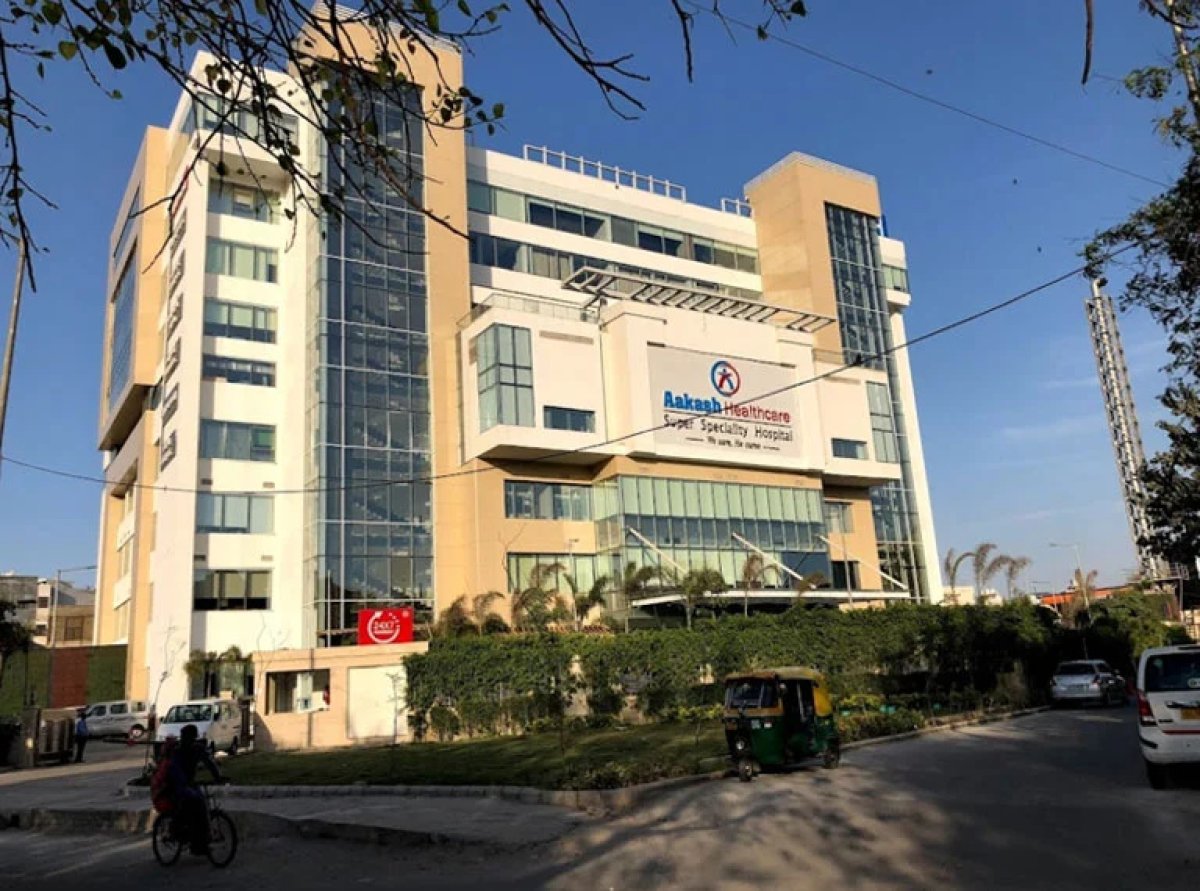
Helal Healthcare
Compartir contenido
Historias en video de pacientes de Bookimed
 Olena Sikoza
Preguntas frecuentes sobre el tratamiento de Lupus eritematoso en India
¿Qué tipo de médico debo consultar para el tratamiento del lupus en la India?
Para el tratamiento del lupus en la India, debe consultar a un reumatólogo. Estos especialistas manejan enfermedades autoinmunes y disfunciones del sistema inmunológico. Coordinan la atención con nefrólogos o dermatólogos si la enfermedad afecta órganos específicos. La India alberga más de 90 clínicas especializadas para el manejo de casos autoinmunes complejos.
- Especialista principal: Los reumatólogos dirigen el diagnóstico y crean planes de inmunosupresión a largo plazo.
- Inmunólogos clínicos: Estos expertos estudian la disfunción inmunológica para guiar terapias biológicas dirigidas.
- Apoyo multidisciplinario: Los nefrólogos tratan la afectación renal, mientras que los dermatólogos manejan los síntomas relacionados con la piel.
- Instalaciones acreditadas: Los mejores centros como Manipal Hospitals cuentan con acreditaciones NABH y NABL.
Perspectiva de expertos de Bookimed: Manipal Hospitals atiende a 2.000.000 de pacientes al año y mantiene 60 departamentos especializados. Esta escala es vital para el lupus porque la enfermedad requiere diversos especialistas. Las redes más grandes a menudo tienen laboratorios internos acreditados por NABL. Esto garantiza resultados más rápidos para las pruebas críticas de ANA y anti-dsDNA.
Consenso de los pacientes: Los pacientes enfatizan la importancia de ver a un reumatólogo
¿Cuáles son los mejores hospitales para el tratamiento integral del lupus en la India?
Los mejores hospitales indios para el tratamiento integral del lupus incluyen Manipal Hospitals y Max Super Speciality Hospital. Estos centros utilizan equipos multidisciplinarios de reumatólogos y nefrólogos. Muchas instalaciones cuentan con acreditaciones JCI y NABH. La atención especializada se centraliza en Bengaluru, Mumbai y Nueva Delhi.
- Manipal Hospitals: Atiende a 2.000.000 de pacientes al año con 60 departamentos clínicos especializados.
- Nanavati Max: Ofrece atención 24/7 utilizando inmunoterapia y diagnóstico por imagen PET-CT de precisión.
- SevenHills Hospital: Mantiene una doble acreditación JCI y NABH para altos estándares de seguridad.
- Continental Hospitals: Proporciona servicios especializados de neurología y terapia dentro de una instalación acreditada por la JCI.
Perspectiva del experto de Bookimed: El volumen de pacientes a menudo indica la profundidad clínica en la India. Manipal Hospitals gestiona 2.000.000 de pacientes al año en 15 ubicaciones. Esta escala permite contar con subunidades especializadas de las que carecen las clínicas más pequeñas. Las grandes redes suelen ofrecer un mejor acceso a la nefrología integrada para las complicaciones del lupus.
Consenso de los pacientes: Los pacientes señalan que es vital confirmar la reputación del reumatólogo antes de viajar. Muchos recomiendan bus
¿Está cubierto el tratamiento del lupus por el seguro médico indio?
El seguro médico indio suele cubrir el lupus eritematoso sistémico (LES) cuando conduce a una hospitalización o procedimientos de día. Las pólizas estándar ofrecen cobertura para el alquiler de habitaciones y cirugía. La cobertura para el manejo crónico y los productos biológicos avanzados varía según la póliza, a menudo implicando períodos de espera específicos para condiciones preexistentes.
- Cobertura de hospitalización: Los planes cubren los costos de hospitalización como alquiler de habitación, cirugía y estancias en cuidados intensivos.
- Procedimientos de día: Las infusiones especializadas o tratamientos cortos generalmente se cubren como servicios de día.
- Períodos de espera: Un diagnóstico de lupus preexistente generalmente requiere un período de espera de 2 a 4 años.
- Exclusiones de la póliza: Las visitas médicas ambulatorias de rutina y los medicamentos diarios a menudo requieren cláusulas adicionales de OPD.
Perspectiva de expertos de Bookimed: Mientras que las pólizas base se centran en la hospitalización, los hospitales Manipal y otras grandes redes atienden a más de 2,000,000 de pacientes anualmente con diversos estándares de acreditación como NABH y JCI. Los datos sugieren que los pacientes en estas instalaciones se benefician más del seguro grupal del empleador, que a menudo elimina los períodos de espera estándar para la at
¿Se puede utilizar el Ayurveda de forma segura junto con la medicina convencional para el LES?
El Ayurveda puede complementar de forma segura la medicina convencional para el LES, pero requiere una estricta supervisión médica. Los pacientes deben coordinarse con un reumatólogo para evitar la estimulación inmunitaria o la toxicidad hepática. Instituciones indias como Manipal Hospitals ofrecen atención integrada que estabiliza la calidad de vida mediante una dieta supervisada y el manejo del estrés.
- Monitoreo inmunológico: Hierbas como la Ashwagandha pueden sobreestimular el sistema inmunológico durante los brotes activos.
- Seguridad de los medicamentos: Ciertas formulaciones ayurvédicas podrían interactuar con corticosteroides o inmunosupresores como el metotrexato.
- Protección de órganos: Los suplementos no regulados se han relacionado con la inflamación renal y la nefritis lúpica.
- Terapias de apoyo: El Panchakarma o los masajes pueden ayudar a controlar el dolor articular crónico y la fatiga.
Perspectiva del experto de Bookimed: Los pacientes que buscan atención integrada en la India deben elegir centros multiespecializados como Manipal Hospitals o Aster Medcity. Estas instalaciones cuentan con acreditaciones JCI o NABH. Los grandes hospitales atienden a más de 2.000.000 de pacientes al año y proporcionan el monitoreo de laboratorio necesario. Esta infraestructura garantiza que las terapias tradicionales no comprometan la eficacia
¿Qué cambios en el estilo de vida se recomiendan para los pacientes indios con lupus?
El manejo del lupus en la India requiere una estricta protección contra los rayos UV y ajustes dietéticos antiinflamatorios. Los pacientes deben evitar la luz solar directa en las horas pico y aplicar protector solar de amplio espectro FPS 50+ cada hora. Los cambios dietéticos se centran en alimentos ricos en calcio y ácidos grasos omega-3. Estos hábitos ayudan a controlar la inflamación sistémica y a prevenir brotes que amenacen los órganos.
- Protección solar: Use ropa de manga larga y utilice sombrillas con protección UPF 50+ durante sus desplazamientos al aire libre.
- Enfoque dietético: Priorice el haldi doodh (leche con cúrcuma) y el jengibre, mientras evita los brotes de alfalfa y el ajo.
- Actividad física: Practique yoga o pranayama para mantener la flexibilidad articular sin sobreesfuerzos.
- Salud ósea: Controle los niveles de vitamina D y consuma productos lácteos bajos en grasa para contrarrestar los efectos secundarios de los esteroides.
Perspectiva de expertos de Bookimed: Instituciones importantes como Manipal Hospitals y Continental Hospitals enfatizan la atención integrada para las afecciones sistémicas. Los datos muestran que los pacientes indios sufren frecuentemente de deficiencia de vitamina D debido a la estricta evitación del sol. La coordinación entre los departamentos de reumatología y nutrición en centros acreditados