Osteoartritis en Alemania: las 14 mejores clínicas para su tratamiento


Revisado médicamente por
Fahad Mawlood
Cómo funciona
¿Cuál es el precio del diagnóstico y los tratamientos de Osteoartritis en Alemania? Descubra ahora
El costo total del tratamiento de la osteoartritis en Alemania varía según los servicios y procedimientos específicos requeridos. La cirugía de reemplazo de articulación de rodilla oscila entre 15.000 € y 17.000 €, con un costo adicional de 3.800 € para un programa de rehabilitación de dos semanas. Una consulta por videoconferencia, que incluye la preparación de documentos y la opinión de un experto, cuesta 850 €. El plan de tratamiento final y los costos asociados se determinan después de un proceso de diagnóstico y consulta integral adaptado a las necesidades individuales del paciente.
| Alemania | España | Turquía | |
|---|---|---|---|
| Tratamiento de la artrosis con células madre | ≈ $2,800 | ≈ $2,800 | ≈ $2,500 |
| Terapia intravenosa con curcumina | ≈ $1,300 | ≈ $450 | ≈ $900 |
| Terapia con células madre para las rodillas | ≈ $12,000 | de $35,000 | de $4,000 |
| Reemplazo total de rodilla | ≈ $13,500 | de $16,900 | de $14,900 |
| Reemplazo de rodilla | de $14,000 | de $25,700 | de $6,000 |
Descubra las mejores clínicas de tratamiento de Osteoartritis en Alemania: 14 opciones verificadas y Precios



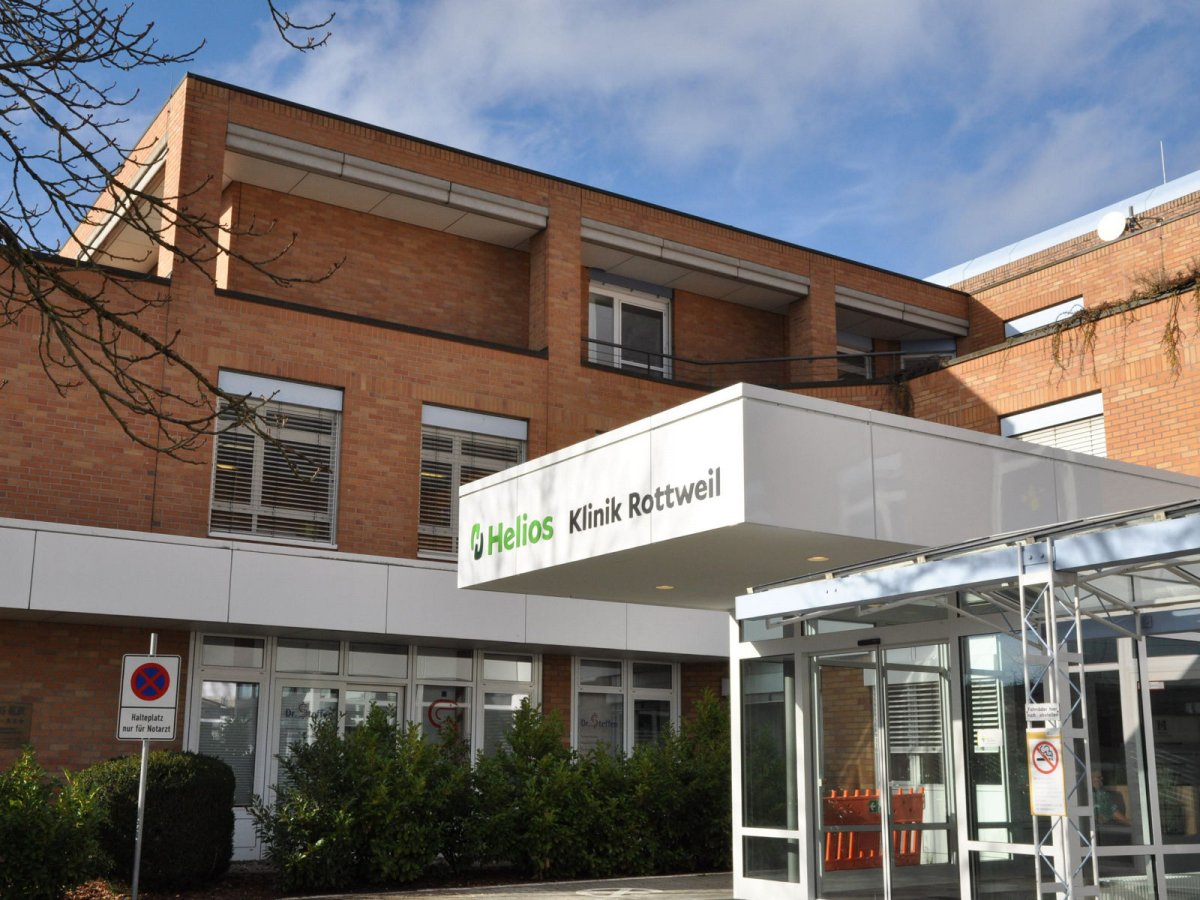


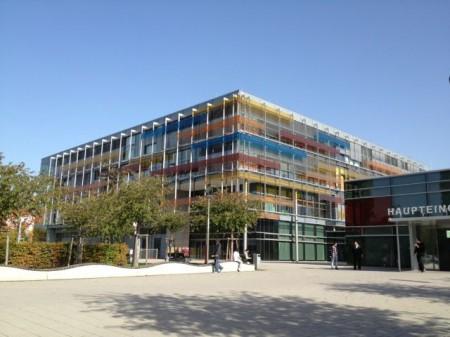
University Hospital in Haydelberge

Hannover Medical School







Lippe Detmold Clinic
Obtenga una evaluación médica de tratamiento de Osteoartritis en Alemania: haga una consulta con 7 médicos experimentados ahora
Ver todos los médicos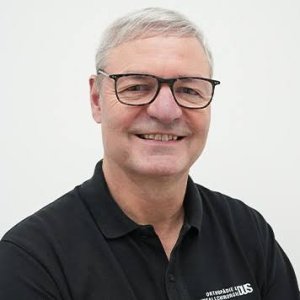
Markus Granrath
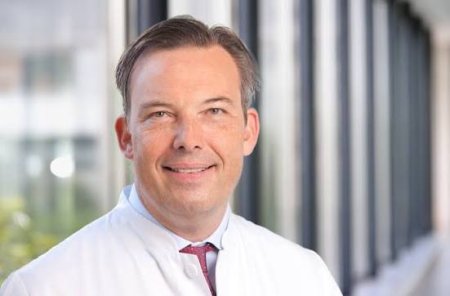
Markus Graf
Compartir contenido
Historias en video de pacientes de Bookimed
 Olena Sikoza
Preguntas frecuentes sobre el tratamiento de Osteoartritis en Alemania
¿Qué tratamientos no quirúrgicos innovadores para la artrosis están disponibles en Alemania?
Los tratamientos no quirúrgicos innovadores en Alemania se centran en la regeneración biológica utilizando células madre autólogas e hidrogeles bioactivos. Las clínicas priorizan terapias modificadoras de la enfermedad como inyecciones de secretoma/exosomas y concentrado de médula ósea. Estos métodos tienen como objetivo reparar el tejido articular y reducir la inflamación bajo estrictos estándares regulatorios europeos.
- Hidrogeles regenerativos: Matrices inyectables como Arthrosamid proporcionan lubricación articular a largo plazo por hasta 4 años.
- Terapia con exosomas: Las moléculas de señalización de células madre mesenquimales ayudan a reconstruir el cartílago sin cirugía invasiva.
- Reparación biológica: AMIC combina matrices de colágeno con microfractura para guiar el crecimiento natural de las células madre.
- Inyecciones guiadas: Los especialistas alemanes estandarizan el uso de ultrasonido o fluoroscopia para asegurar la administración precisa de agentes terapéuticos.
Perspectiva del experto de Bookimed: Las clínicas alemanas como Nordwest utilizan un enfoque multiinstitucional donde cirujanos ortopédicos e investigadores colaboran estrechamente. Esta sinergia permite la rápida adopción de terapias innovadoras como la curcumina IV o vacunas dirigidas contra la inflamación. Los pacientes deben buscar clínicas con más de 25 años de e
¿Qué hospitales en Alemania son más reputados para el tratamiento de la artrosis?
Alemania alberga centros de élite para la artrosis como Charité Berlín y el Hospital Asklepios Barmbek. Estas instalaciones ofrecen cirugías avanzadas de preservación articular y reemplazos mínimamente invasivos. Los hospitales de renombre mantienen certificaciones ISO y clasificaciones de la revista Focus. Los centros especializados se centran en terapias regenerativas y tecnología de implantes específica para el paciente.
- Excelencia universitaria: Charité Berlín lidera en reconstrucción articular compleja e investigación musculoesquelética.
- Alto volumen: El Hospital Universitario de Heidelberg realiza más de 1.000 reemplazos articulares al año.
- Atención quirúrgica experta: El Dr. med. Sven Rogmans en la Clínica Nordwest se especializa en artrosis.
- Diagnóstico avanzado: El Centro Médico de Solingen utiliza impresión 3D para una mayor precisión quirúrgica.
Perspectiva de expertos de Bookimed: Si bien los hospitales universitarios como Heidelberg manejan volúmenes masivos de pacientes, las clínicas privadas especializadas a menudo ofrecen un acceso más rápido a terapias conservadoras. Nuestros datos muestran que instalaciones como el Complejo Clínico de Renania del Norte-Westfalia brindan atención ortopédica altamente personalizada mientras mantienen altas tasas de éxito quirúrgico en 5 edificios especializados. Este equilibrio entre esc
¿Cómo es el cronograma típico de rehabilitación después de una reparación de cartílago o una cirugía de preservación articular en Alemania?
La rehabilitación alemana para la reparación de cartílago sigue un proceso de maduración biológica estructurado de 12 a 18 meses. Los pacientes se someten a fisioterapia intensiva dentro de las 24 horas posteriores a la cirugía. La mayoría de los protocolos de recuperación requieren 6 semanas sin carga de peso para proteger los tejidos en proceso de curación. El regreso completo a deportes de alto impacto ocurre generalmente después de 1 año.
- Movilidad temprana: Las máquinas de Movimiento Pasivo Continuo (CPM) comienzan durante los 1 a 3 días de estancia hospitalaria.
- Transición de carga de peso: Los pacientes aumentan gradualmente la carga en 10 kg por semana después de la protección inicial de 6 semanas.
- Hitos de actividad: El ciclismo ligero comienza alrededor de la semana 12 y el trote está permitido cerca de la semana 20.
- Especificidades del procedimiento: La microfractura permite el regreso al deporte en 9 meses, mientras que la MACI requiere 18 meses.
Perspectiva del experto de Bookimed: Las clínicas alemanas como Nordwest utilizan cirujanos altamente especializados como el Dr. Sven Rogmans, quienes se enfocan en métodos de preservación articular. Nuestros datos muestran una tendencia en la que las clínicas proporcionan aplicaciones para que los pacientes sigan su curación. Este monitoreo digital ayuda a detectar estancamientos a
¿Están cubiertas las terapias regenerativas para la artrosis por el seguro cuando viajo a Alemania?
Las terapias regenerativas para la artrosis en Alemania generalmente no están cubiertas por los planes de seguro internacionales. La mayoría de los proveedores clasifican la terapia con células madre y el PRP como experimentales o en fase de investigación. Los pacientes internacionales suelen pagar estos servicios de salud individuales de su propio bolsillo en el momento del tratamiento.
- Clasificación de la cobertura: La mayoría de las aseguradoras califican los procedimientos regenerativos como experimentales o electivos.
- Protocolo de pago: Las clínicas suelen exigir el pago total por adelantado para los pacientes no residentes.
- Potencial de reembolso: Las aseguradoras privadas internacionales pueden ofrecer una cobertura parcial si existe necesidad médica.
- Requisitos Schengen: El seguro de viaje obligatorio solo cubre la atención de emergencia, no las terapias regenerativas.
Perspectiva de expertos de Bookimed: Aunque muchos buscan terapia con células madre, nuestros datos muestran que los pacientes a menudo encuentran un mayor éxito al elegir centros multidisciplinarios como el Hospital Asklepios Barmbek o el Complejo Clínico de Renania del Norte-Westfalia. Estas instituciones tratan a más de 100.000 pacientes al año y combinan el diagnóstico con la ortopedia avanzada. Si necesita una facturación detallada para una posible reclamació
¿Cuánto tiempo debo permanecer en Alemania para la terapia de células de cartílago (ACI/MACI)?
Los pacientes deben planificar una estancia de 10 a 14 días en Alemania después de la segunda cirugía de implantación. Este período permite un control esencial de las heridas, fisioterapia temprana y la autorización médica para viajar en avión. La recolección inicial de células solo requiere una breve visita de 2 a 7 días.
- Fase de recolección: La artroscopia menor toma 1 día; la estancia total es de 2 a 7 días.
- Período de cultivo: Las células crecen en un laboratorio durante 3 a 6 semanas.
- Estancia hospitalaria: La implantación primaria requiere de 2 a 3 días de monitoreo hospitalario.
- Ventana de recuperación: Una estancia local de 7 a 10 días asegura una curación segura antes de volar.
Perspectiva de expertos de Bookimed: Los datos de los principales centros alemanes, como la Clínica Nordwest, muestran una preferencia por la atención integrada, con especialistas como el Dr. Sven Rogmans gestionando tanto la recolección como la implantación. Si bien algunos centros más pequeños pueden permitir el alta después de 7 días, los hospitales académicos con mayor volumen de pacientes, como los que atienden a más de 60,000 personas al año, aplican estrictamente la regla de los 10 días para minimizar los riesgos relacionados con los viajes, como la trombosis venosa profunda.
Consenso de los pacientes: Los pacientes señalan
¿Qué hospitales en Alemania tienen las calificaciones más altas en neurocirugía?
Alemania alberga algunos de los departamentos de neurocirugía más prestigiosos del mundo, liderados por la Charité – Universitätsmedizin Berlin y el Hospital Universitario de Heidelberg. Estos centros destacan en el tratamiento de tumores cerebrales complejos y enfermedades cerebrovasculares. Para maximizar la eficacia de sus procedimientos, utilizan tecnologías de vanguardia como la resonancia magnética intraoperatoria y la neuronavegación asistida por computadora.
- Charité Berlín: Realiza más de 5000 cirugías al año. La clínica está dirigida por el reconocido neurocirujano Dr. Peter Vaikoczy.
- Centro Médico Solingen: El Dr. Ralf Buhl ha realizado más de 4.000 cirugías, incluidas cirugías de columna mínimamente invasivas.
- Clínica Asklepios Nord: equipada con el único sistema de resonancia magnética intraoperatoria bilateral de Alemania para garantizar precisión quirúrgica en tiempo real durante la extirpación del tumor.
- Clínica Nordwest: reconocida por la revista Newsweek como un hospital líder por su innovación en tecnología de ultrasonido 3D.
Opinión experta de Bookimed: Los datos muestran que elegir centros con un alto volumen quirúrgico suele llevar a recomendaciones de tratamiento más conservadoras. En el Centro Médico Solingen, que atiende a más de 60.000 pacientes al año, los cirujanos suelen sugerir fisioterapia en lugar de cirugía
¿Cuáles son las tasas de éxito de los procedimientos neuroquirúrgicos complejos en Alemania?
En Alemania, los procedimientos neuroquirúrgicos de alta complejidad demuestran una seguridad excepcional. Las tasas de éxito en las fusiones espinales alcanzan el 99 %. La tasa de supervivencia en las resecciones de tumores cerebrales primarios es del 97 %. La independencia funcional es alta. Más del 82 % de los pacientes reciben el alta inmediatamente después del tratamiento. Los centros alemanes priorizan la preservación de la función neurológica mediante técnicas modernas de mapeo.
- Resección de tumores: los cirujanos logran una resección tumoral completa en el 87,2% de los casos de metástasis cerebrales.
- Éxito en el tratamiento de enfermedades vasculares: los hospitales alemanes informan de una tasa de supervivencia del 98,7% para aneurismas no rotos.
- Mejora del estado neurológico: casi el 43% de los pacientes experimentan una mejora de los parámetros funcionales después de resecciones complejas.
- Seguridad de las intervenciones quirúrgicas: En grandes centros quirúrgicos, las tasas de supervivencia de los pacientes después de la cirugía de columna son del 98-99%.
Opinión experta de Bookimed: Cirujanos experimentados como el Dr. Uwe Köhler, de la Clínica Asklepios Altona, realizan más de 2000 cirugías al año. Los datos muestran que estos especialistas mantienen tasas de éxito de hasta el 90 %, incluso en los tumores cerebrales más comp
¿Qué tecnologías avanzadas suelen estar disponibles en las clínicas neuroquirúrgicas alemanas?
Las clínicas neuroquirúrgicas alemanas incorporan regularmente instrumentos digitales de alta precisión y visualización en tiempo real a la práctica quirúrgica. Entre las tecnologías clave se encuentra la neuronavegación computarizada para cirugías de cerebro y médula espinal. Instituciones como la Clínica Asklepios Nord utilizan la resonancia magnética intraoperatoria para verificar la extirpación de tumores en tiempo real. Estos sistemas proporcionan a los cirujanos navegación GPS 3D.
- Neuronavegación: proporciona visualización 3D y seguimiento de instrumentos en tiempo real para lograr precisión quirúrgica hasta el nivel submilimétrico.
- Imágenes intraoperatorias: sistemas como iMRI y O-arm CT permiten la confirmación inmediata de una resección exitosa.
- Neuromonitorización: Monitorea las funciones motoras y sensoriales durante la cirugía para proteger el sistema nervioso.
- Diagnóstico de fluorescencia: se utiliza el colorante 5-ALA para resaltar los bordes del tumor para una eliminación más completa.
- Asistencia robótica: Sistemas como el Da Vinci mejoran la precisión en procedimientos complejos y mínimamente invasivos.
Opinión experta de Bookimed: Grandes centros como la Charité – Universitätsmedizin de Berlín realizan más de 4000 procedimientos neuroquirúrgicos al año, lo que crea un entorno rico en datos para p
¿Qué formación especializada reciben los neurocirujanos en ejercicio en Alemania?
En Alemania, los neurocirujanos deben completar una residencia especializada de seis años tras graduarse de la facultad de medicina. Este programa estructurado incluye cuidados intensivos, práctica clínica y una revista quirúrgica obligatoria. Posteriormente, los candidatos aprueban un examen estatal para obtener el título de residente (Facharzt für Neurochirurgie).
- Residencia clínica: requiere de 48 a 72 meses de práctica neuroquirúrgica especializada.
- Cuidados intensivos: incluye una pasantía obligatoria de 6 meses en una unidad de cuidados intensivos neuroquirúrgicos.
- Revista quirúrgica: los cirujanos documentan cientos de cirugías, incluidas craneotomías y cirugías de columna.
- Examen de licencia: Los solicitantes deben aprobar un examen médico oral y práctico administrado por el estado.
Opinión experta de Bookimed: La formación neuroquirúrgica alemana se centra en una amplia experiencia quirúrgica. Por ejemplo, el Dr. Ralf Buhl, del Centro Médico Solingen, ha realizado más de 4000 cirugías. El Dr. Jürgen Kiwit, del Hospital Meoklinik, cuenta con más de 25 años de experiencia. Este riguroso sistema garantiza que los especialistas de los principales centros aborden casos complejos con una precisión demostrada.
Comentarios de los pacientes: Los pacientes se sienten seguros al saber que sus médicos han recibido año
¿Qué requisitos de idioma y de licencia se exigen a los cirujanos extranjeros que deseen formarse u observar procedimientos neuroquirúrgicos en Alemania?
Los neurocirujanos extranjeros deben cumplir estrictos requisitos de idioma y licencia para realizar formación o prácticas en Alemania. La formación requiere una licencia médica válida o un permiso temporal. Los internos deben obtener la autorización de un hospital específico. Ambas opciones requieren un alto nivel de alemán para participar en debates clínicos y realizar procedimientos quirúrgicos complejos con seguridad.
- Conocimientos de idiomas: Para la formación clínica se requiere un nivel general de alemán B2 y un nivel de lenguaje médico C1 (Fachsprachprüfung).
- Licencia clínica: Los cirujanos necesitan un permiso para la práctica permanente (Approbation) o un permiso profesional (Berufserlaubnis) para prácticas supervisadas temporales.
- Estado de observación: La hospitalización permite la observación de procedimientos quirúrgicos sin responsabilidad médica ni licencia formal.
- Evaluación de la cualificación: Los graduados médicos no pertenecientes a la UE a menudo tienen que pasar por un proceso de validación del diploma en un plazo de 3 a 6 meses.
Opinión experta de Bookimed: Las clínicas alemanas con un alto volumen de pacientes, como Nordwest Clinic o Asklepios Nord, suelen priorizar a los candidatos que ya han pasado una evaluación preliminar de la documentación. Nuestros datos muestran que profesores como el Dr. Uwe Köhler y el D