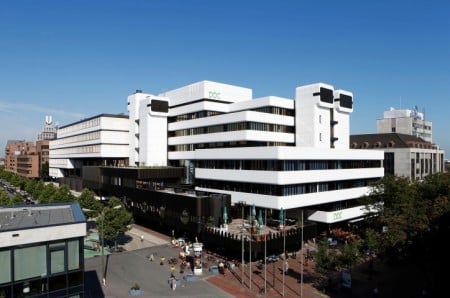
Ev.Wald Hospital
Alemania, Berlín


Revisado médicamente por
Fahad Mawlood
De $150. Los gastos totales están influenciados por el departamento clínico, la duración de la estancia y los protocolos terapéuticos específicos. Los pacientes a menudo encuentran atención especializada en centros médicos importantes como Berlín, Fráncfort del Meno y Bremen.
Costos típicos del tratamiento de la paranoia en Alemania
Perspectiva de los expertos de Bookimed: Para afecciones neuropsiquiátricas complejas, los centros multidisciplinarios afiliados a universidades ofrecen la mayor precisión diagnóstica. La Clínica Bremen-Mitte, una instalación clasificada en el TOP 10 por la revista Focus, es ideal para pacientes que requieren experiencia integrada en neurología y neurocirugía. Los pacientes que buscan rehabilitación avanzada se benefician del Zentrum der Rehabilitation Pforzheim, que utiliza programas restaurativos únicos basados en la neurociencia. Los centros de alto volumen, como el Hospital Universitario de Essen, brindan acceso a protocolos de investigación internacionales para casos resistentes al tratamiento.
Bookimed no añade cargos extra a los precios de los tratamientos de Paranoia. Las tarifas proceden de las listas de precios oficiales de las clínicas. Pagará directamente en la clínica por su tratamiento a su llegada al país.
Bookimed está comprometido con su seguridad. Solo trabajamos con las clínicas que mantienen altos estándares internacionales en el tratamiento de Paranoia y cuentan con las licencias necesarias para atender a pacientes internacionales en todo el mundo.
Bookimed ofrece asistencia experta gratuita. Un coordinador médico personal le apoya antes, durante y después de su tratamiento, resolviendo cualquier problema. Nunca estará solo en su viaje médico de tratamiento de Paranoia.

 Olena Sikoza
Alemania trata la paranoia mediante combinaciones estructuradas y basadas en evidencia de psicoterapia, antipsicóticos de segunda generación y rehabilitación psicosocial. Siguiendo las directrices de la DGPPN, las clínicas integran la Terapia Cognitivo-Conductual con entrenamiento metacognitivo. Los especialistas también brindan apoyo en hospitales de día y terapia ocupacional para reconstruir la confianza social y la seguridad funcional.
Perspectiva del experto de Bookimed: Alemania ofrece una atención psiquiátrica de capacidad excepcionalmente alta a través de complejos masivos como el Hospital Universitario de Giessen y Marburg, que atiende a 485,000 pacientes al año. Los grandes centros académicos ofrecen entornos más es
Las clínicas alemanas proporcionan medicación como parte estándar de un marco multimodal para la paranoia. Los médicos utilizan antipsicóticos o antidepresivos dependiendo de si los síntomas provienen de la esquizofrenia o de la ansiedad. El tratamiento implica un proceso de estabilización estructurado. Este enfoque integra la investigación universitaria con protocolos clínicos regulados.
Perspectiva del experto de Bookimed: La atención psiquiátrica alemana favorece un modelo de estabilización primero, razón por la cual centros como el Hospital Universitario de Erlangen o el Hospital Universitario de Giessen y Marburg operan a gran escala. Con capacidades que van desde 1.300 hasta más de 2.300 camas, estas instituciones priorizan el manejo rápido de los síntomas mediante medicación para preparar a los pacientes para una psicoterapia intensiva. Este enfoque basado en el volumen garanti
Priorice la seguridad evaluando los riesgos para usted y para los demás. Si existe un peligro inmediato, llame al 112 en Alemania e indique que se trata de una crisis de salud mental. Desescale la situación validando el miedo intenso de la persona sin confirmar sus delirios. Mantenga una distancia física y una vía de salida clara.
Perspectiva del experto de Bookimed: Los hospitales universitarios alemanes como los de Erlangen o Giessen y Marburg operan los complejos médicos más grandes de Europa. Estas instituciones manejan volúmenes masivos de pacientes, alcanzando hasta 485.000 al año. Para una crisis aguda, estos centros multidisciplinarios ofrecen departamentos psiquiátricos especializados integrados con diagnósticos modernos como el perfil hormonal en sangre. Elegir un gran hospital académico garantiza el acceso inmediato a equipos interdisciplinarios si la paranoia se debe a problemas neurológicos o endocrinos suby
La rehabilitación psicosomática es un modelo multidisciplinario que trata la conexión entre el malestar psicológico y la salud física. Ayuda con la paranoia al calmar el sistema nervioso y reducir la hipervigilancia. Las clínicas alemanas utilizan rituales terapéuticos estructurados para mejorar el sueño y reducir la intensidad de los pensamientos suspicaces.
Perspectiva del experto de Bookimed: Las clínicas alemanas como el Hospital Universitario de Giessen y Marburg atienden a casi 500.000 pacientes al año porque escalan este enfoque estructurado de manera efectiva. Un patrón clave en nuestros datos muestra que la rehabilitación exitosa se centra en gran medida en la planificación vocacional. Clínicas como Bavaria e
El seguro médico público alemán (GKV) no cubre el tratamiento de la paranoia para visitantes internacionales. Es un sistema basado en la residencia para empleados y estudiantes locales. La cobertura solo se aplica a visitantes de la UE con una tarjeta EHIC válida para emergencias psiquiátricas agudas que no pueden esperar.
Perspectiva de expertos de Bookimed: Alemania ocupa el tercer lugar a nivel mundial en solicitudes médicas, lo que refleja una alta demanda de su sistema de salud estructurado. Los pacientes que visitan la Meoclinic o el Hospital Universitario de Erlangen deben tener en cuenta que las evaluaciones psiquiátricas especializadas a menudo requieren pruebas de diagnóstico como perfiles hormonales o análisis de sangre. Aunque los grandes centros atienden a más de 485.000 pacientes
Los pacientes internacionales pueden recibir un tratamiento eficaz contra la paranoia en Alemania sin hablar alemán. Los principales hospitales universitarios y clínicas privadas en ciudades como Berlín o Múnich ofrecen atención en inglés. La mayoría de los psiquiatras hablan inglés con fluidez y proporcionan evaluaciones psiquiátricas especializadas y ajustes modernos de medicación.
Perspectiva del experto de Bookimed: Si bien las clínicas universitarias públicas manejan volúmenes masivos, como el Hospital Universitario de Giessen y Marburg con 485,000 pacientes anuales, los centros privados más pequeños como Meoclinic son más adecuados para quienes no hablan alemán. Estos hospitales privados mantienen una alta proporción de médicos por cama (54 médicos para solo 45 camas), lo que garanti
Alemania alberga algunos de los departamentos de neurocirugía más prestigiosos del mundo, liderados por la Charité – Universitätsmedizin Berlin y el Hospital Universitario de Heidelberg. Estos centros destacan en el tratamiento de tumores cerebrales complejos y enfermedades cerebrovasculares. Para maximizar la eficacia de sus procedimientos, utilizan tecnologías de vanguardia como la resonancia magnética intraoperatoria y la neuronavegación asistida por computadora.
Opinión experta de Bookimed: Los datos muestran que elegir centros con un alto volumen quirúrgico suele llevar a recomendaciones de tratamiento más conservadoras. En el Centro Médico Solingen, que atiende a más de 60.000 pacientes al año, los cirujanos suelen sugerir fisioterapia en lugar de cirugía
En Alemania, los procedimientos neuroquirúrgicos de alta complejidad demuestran una seguridad excepcional. Las tasas de éxito en las fusiones espinales alcanzan el 99 %. La tasa de supervivencia en las resecciones de tumores cerebrales primarios es del 97 %. La independencia funcional es alta. Más del 82 % de los pacientes reciben el alta inmediatamente después del tratamiento. Los centros alemanes priorizan la preservación de la función neurológica mediante técnicas modernas de mapeo.
Opinión experta de Bookimed: Cirujanos experimentados como el Dr. Uwe Köhler, de la Clínica Asklepios Altona, realizan más de 2000 cirugías al año. Los datos muestran que estos especialistas mantienen tasas de éxito de hasta el 90 %, incluso en los tumores cerebrales más comp
Las clínicas neuroquirúrgicas alemanas incorporan regularmente instrumentos digitales de alta precisión y visualización en tiempo real a la práctica quirúrgica. Entre las tecnologías clave se encuentra la neuronavegación computarizada para cirugías de cerebro y médula espinal. Instituciones como la Clínica Asklepios Nord utilizan la resonancia magnética intraoperatoria para verificar la extirpación de tumores en tiempo real. Estos sistemas proporcionan a los cirujanos navegación GPS 3D.
Opinión experta de Bookimed: Grandes centros como la Charité – Universitätsmedizin de Berlín realizan más de 4000 procedimientos neuroquirúrgicos al año, lo que crea un entorno rico en datos para p
En Alemania, los neurocirujanos deben completar una residencia especializada de seis años tras graduarse de la facultad de medicina. Este programa estructurado incluye cuidados intensivos, práctica clínica y una revista quirúrgica obligatoria. Posteriormente, los candidatos aprueban un examen estatal para obtener el título de residente (Facharzt für Neurochirurgie).
Opinión experta de Bookimed: La formación neuroquirúrgica alemana se centra en una amplia experiencia quirúrgica. Por ejemplo, el Dr. Ralf Buhl, del Centro Médico Solingen, ha realizado más de 4000 cirugías. El Dr. Jürgen Kiwit, del Hospital Meoklinik, cuenta con más de 25 años de experiencia. Este riguroso sistema garantiza que los especialistas de los principales centros aborden casos complejos con una precisión demostrada.
Comentarios de los pacientes: Los pacientes se sienten seguros al saber que sus médicos han recibido año