Tratamiento de Paranoia en Turquía — obtenga 3 coincidencias personalizadas de clínicas


Revisado médicamente por
Fahad Mawlood
Cómo funciona
¿Cuál es el precio del diagnóstico y los tratamientos de Paranoia en Turquía? Descubra ahora
El costo total del tratamiento de la paranoia en Turquía varía según el plan de tratamiento. Un paquete de tratamiento integral, que incluye servicios del programa de recuperación, monitoreo terapéutico de medicamentos, EEG, ECG y psicoterapia personal, tiene un precio de alrededor de 12.600 €. Las consultas con un psiquiatra cuestan entre 190 € y 470 €. El programa de tratamiento se adapta a las necesidades y condiciones específicas del paciente, según lo evaluado por los profesionales médicos a cargo.
Descubra las mejores clínicas de tratamiento de Paranoia en Turquía: 20 opciones verificadas y Precios






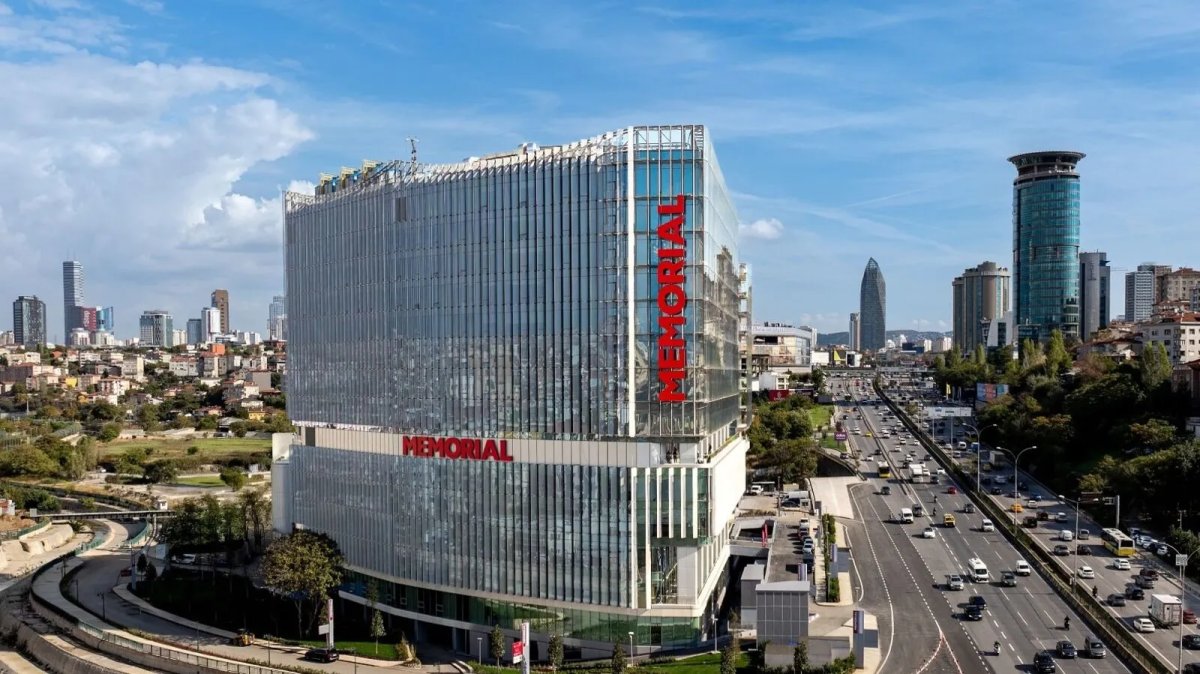
Memorial Göztepe Hospital




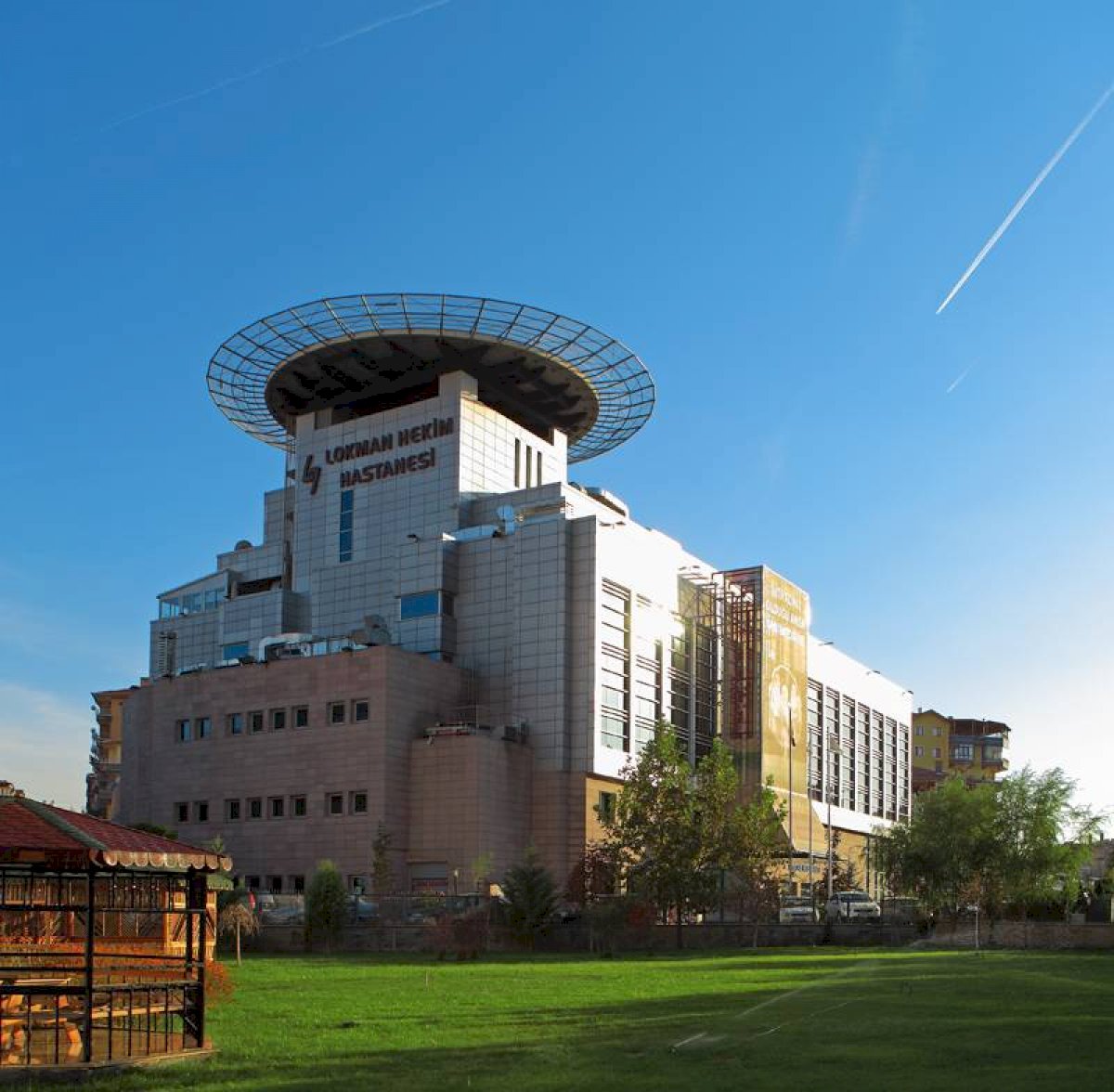

Memorial Ankara Hospital



Obtenga una evaluación médica de tratamiento de Paranoia en Turquía: haga una consulta con 35 médicos experimentados ahora
Ver todos los médicos
Pelin Tas Durmus
Yusuf
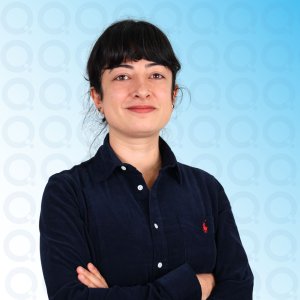
Ozge Yukselay
La Dra. Özge Yükselay es psiquiatra. Obtuvo el título de médica en la Facultad de Medicina de la Universidad de Erciyes. Completó la residencia en el Hospital de Enfermedades Mentales y Nerviosas de Erenköy. Ha trabajado en el Hospital Regional de Formación e Investigación de Van, en el Hospital de Enfermedades Mentales y Nerviosas de Erenköy y en el Hospital de Neuropsiquiatría Moodist. Aporta una amplia experiencia clínica.
Combina la psicoterapia con el tratamiento médico. También u
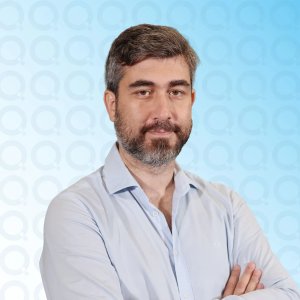
Cagdas Yokusoglu
El Dr. Cagdas Yokusoglu es psiquiatra consultor con más de 12 años de experiencia clínica. Está especializado en psiquiatría de adultos y psicoterapia basada en la evidencia. Se graduó del Programa de Medicina en Inglés de la Facultad de Medicina de Cerrahpaşa, Universidad de Estambul. Completó la residencia en psiquiatría en la Facultad de Medicina de Estambul.
Ha trabajado en ámbitos públicos y privados. Actualmente ofrece evaluación psiquiátrica y psicoterapia en consulta privada. S
Compartir contenido
Historias en video de pacientes de Bookimed
 Olena Sikoza
Preguntas frecuentes sobre el tratamiento de Paranoia en Turquía
¿Qué tan efectivo es el tratamiento de la paranoia en Turquía?
El tratamiento de la paranoia en Turquía es altamente efectivo para el manejo de la esquizofrenia y los trastornos de la personalidad. Los hospitales psiquiátricos especializados utilizan antipsicóticos de segunda generación y la Terapia de Aceptación y Compromiso (ACT). Centros como el NP Istanbul Brain Hospital ofrecen análisis de la función cerebral basados en mediciones para personalizar los protocolos médicos y mejorar los resultados de los pacientes.
- Técnicas especializadas: Las clínicas utilizan estimulación magnética transcraneal (TMS) y terapia electroconvulsiva (ECT).
- Credenciales de expertos: El Prof. Dr. Nevzat Tarhan de NP Istanbul ha escrito más de 150 artículos de investigación.
- Diagnóstico avanzado: La medición de las funciones cerebrales garantiza un diagnóstico preciso de los trastornos psicóticos subyacentes.
- Instalaciones integrales: El NP Istanbul Brain Hospital cuenta con 20 policlínicas y 7 laboratorios especializados.
Opinión de experto de Bookimed: Enfóquese en clínicas con neurotecnologías integradas en lugar de departamentos de psiquiatría general. Hospitales como el NP Istanbul Brain Hospital o Moodist ofrecen mapeo cerebral funcional y estimulación magnética transcraneal profunda (Deep TMS). Estas tecnologías permiten a los médicos ajustar las dosis de los medicamentos basándose en datos neurológicos reales.
¿Cuáles son los mejores hospitales o clínicas en Turquía para la paranoia?
Las principales instalaciones psiquiátricas turcas, como el NP Istanbul Brain Hospital y el Moodist Psychiatry and Neurology Hospital, se especializan en el tratamiento de la paranoia. Estos centros acreditados por la JCI utilizan neuroimagen avanzada y terapias. La mayoría de las instituciones líderes se encuentran en Estambul y Ankara, ofreciendo atención especializada para trastornos neuropsiquiátricos complejos.
- Infraestructura especializada: NP Istanbul es el primer hospital neuropsiquiátrico privado de Turquía y el segundo en Europa.
- Tecnología de diagnóstico: El hospital Moodist utiliza ECT, TMS y EEG avanzados para la evaluación neurológica.
- Personal experto: Los centros emplean a profesores como el Dr. Nevzat Tarhan, con más de 45 años de experiencia.
- Apoyo multidisciplinario: Los principales hospitales universitarios brindan atención integrada en departamentos de psiquiatría y neurocirugía.
Perspectiva del experto de Bookimed: Los datos clínicos muestran que el NP Istanbul Brain Hospital gestiona un alto volumen de 4,000 pacientes anualmente. Aunque los hospitales multiespecializados como Medipol tratan a más pacientes en general, los hospitales especializados en el cerebro ofrecen herramientas de diagnóstico enfocadas, como la medición de la función cerebral. Esta especificidad es a menudo crucial para diferenciar con precisi
¿Qué tipos de terapias existen para la paranoia?
El tratamiento efectivo para la paranoia en Turquía combina la terapia cognitivo-conductual (TCC), la psicofarmacología intensiva y la neurotecnología. Los centros especializados utilizan los estándares de la Joint Commission International (JCI) para abordar los trastornos psicóticos subyacentes o los traumas. Las instalaciones acreditadas ofrecen atención hospitalaria, gestión de medicamentos e imágenes cerebrales avanzadas para garantizar una estadificación diagnóstica precisa.
- Terapia cognitiva: Los psiquiatras utilizan la TCC para desafiar los pensamientos distorsionados y reducir los comportamientos de comprobación.
- Tecnologías de neuromodulación: Las clínicas utilizan TMS y ECT para la paranoia resistente al tratamiento o la inestabilidad grave del estado de ánimo.
- Psicodrama y grupo: Especialistas como la Dra. Firdevs Seyfe Sen integran la psicoterapia de grupo orientada al psicoanálisis.
- Neuroimagen funcional: Las mediciones avanzadas de la función cerebral ayudan a los médicos a adaptar los protocolos de medicación para obtener la máxima eficacia.
Perspectiva del experto de Bookimed: Los datos muestran que el NP Istanbul Brain Hospital, la primera instalación neuropsiquiátrica privada de Turquía, mantiene una alta proporción de personal por paciente con 110 médicos. Esto permite una colaboración cruzada especializada entre la p
¿Está disponible el tratamiento hospitalario y cuánto tiempo lleva?
El tratamiento hospitalario para la paranoia está disponible en instalaciones neuropsiquiátricas especializadas de Turquía. Los pacientes suelen permanecer entre 3 y 21 días para la estabilización de crisis y el ajuste de medicamentos. El tratamiento se centra en el manejo de antipsicóticos y el monitoreo de la función cerebral en entornos seguros y acreditados por la JCI, como el NP Istanbul Brain Hospital.
- Estancia hospitalaria: La mayoría de los pacientes pasan de 1 a 3 semanas en atención residencial.
- Enfoque clínico: Los centros priorizan la titulación de medicamentos y el monitoreo de seguridad intensivo para la psicosis aguda.
- Diagnóstico avanzado: Las clínicas utilizan mediciones de la función cerebral y sistemas de gestión de casos psicológicos.
- Supervisión de expertos: Profesores especializados como el Dr. Nevzat Tarhan manejan casos neuropsiquiátricos complejos.
Perspectiva del experto de Bookimed: Si bien muchos hospitales generales en Turquía tienen departamentos de psiquiatría, los hospitales especializados en el cerebro como el NP Istanbul Brain Hospital ofrecen mayores capacidades de camas y tecnologías específicas como TMS. Estas instalaciones a menudo están mejor equipadas para la paranoia, ya que brindan psiquiatría de emergencia dedicada y enfoques de medicina centrados en el pensamiento que no se encuentran en las c
¿Me enfrentaré a barreras idiomáticas en la atención psiquiátrica en Turquía?
La atención psiquiátrica en inglés está disponible en los principales hospitales privados de Turquía, aunque las barreras idiomáticas siguen siendo un riesgo en instalaciones más pequeñas. Los centros especializados en Estambul priorizan a los pacientes internacionales. Emplean personal bilingüe para evitar diagnósticos erróneos o retrasos en el tratamiento durante evaluaciones complejas de paranoia y evaluaciones psiquiátricas.
- Instalaciones acreditadas: Los centros acreditados por la JCI, como el NP Istanbul Brain Hospital, ofrecen servicios internacionales dedicados.
- Experiencia especializada: El Dr. Elvin Guliyev en el NP Istanbul Brain Hospital habla inglés y ruso con fluidez.
- Diagnóstico avanzado: Las clínicas utilizan escaneos de EEG y PET-CT para respaldar las evaluaciones clínicas y el seguimiento de los síntomas.
- Rango de tratamiento: Los proveedores de habla inglesa ofrecen TMS profunda, terapia cognitivo-conductual e innovaciones en psicofarmacología.
Perspectiva del experto de Bookimed: El soporte lingüístico se correlaciona con el volumen de la clínica. El NP Istanbul Brain Hospital trata a 4,000 pacientes al año y mantiene un gran equipo multidisciplinario. Este alto volumen garantiza un acceso más constante a especialistas bilingües en comparación con clínicas más pequeñas centradas en neurología. Elegir instalaciones má