Cirugía de cataratas con implante de lente multifocal en Alemania — obtén 3 clínicas con costos


Revisado médicamente por
Fahad Mawlood
¿Cuál es el precio de Cirugía de cataratas con implante de lente multifocal en Alemania? Descubra ahora
Beneficios clave
¿Por qué elegir Alemania para la cirugía de cataratas con implante de lente multifocal?
- Clínicas acreditadas: Las clínicas en Alemania son conocidas por sus altos estándares. Muchas cuentan con certificaciones de KTQ, lo que garantiza atención de calidad y seguridad para los pacientes.
- Últimas tecnologías: Las clínicas utilizan técnicas como la cirugía de cataratas asistida por láser de femtosegundo. Ofrecen lentes multifocales premium como Alcon PanOptix y Zeiss AT LISA tri, que proporcionan resultados visuales superiores.
- Altas tasas de éxito: Las cirugías de cataratas con implantes de lentes multifocales en Alemania tienen una tasa de eficacia impresionante del 95%. Esto mejora significativamente la visión de los pacientes con diversas condiciones.
- Cirujanos expertos: Oftalmólogos reconocidos, como el Profesor Dr. Ulrich Schaudig en Asklepios Klinik Barmbek, tienen amplia experiencia. Han realizado miles de procedimientos exitosos y están reconocidos en los principales rankings médicos.
Acceda a soluciones avanzadas de cirugía de cataratas con implante de lente multifocal en clínicas de confianza de $4,200.
| Alemania | España | Turquía | |
|---|---|---|---|
| Cirugía de cataratas con implante de lente multifocal | de $4,200 | de $6,700 | de $1,500 |
| Cirugía de cataratas (un ojo) | de $2,200 | de $3,500 | de $1,200 |
| Cirugía de cataratas (ambos ojos) | ≈ $3,600 | de $10,000 | de $2,300 |
Sus beneficios y garantías con Bookimed
Precios directos
Bookimed no añade cargos adicionales a los precios de Cirugía de cataratas con implante de lente multifocal. Las tarifas proceden de las listas de precios oficiales de las clínicas. Pagará directamente en la clínica por su Cirugía de cataratas con implante de lente multifocal a su llegada al país.
Sólo clínicas y médicos verificados
Bookimed está comprometido con su seguridad. Solo trabajamos con las clínicas que mantienen altos estándares internacionales en Cirugía de cataratas con implante de lente multifocal y tienen las licencias necesarias para atender a pacientes internacionales en todo el mundo.
Asistencia 24/7 gratuita
Bookimed ofrece asistencia experta gratuita. Un coordinador médico personal le apoya antes, durante y después del tratamiento, resolviendo cualquier problema. Nunca estará solo en su viaje médico de Cirugía de cataratas con implante de lente multifocal.

Su coordinador médico personal de Bookimed
- Le apoya en cada etapa
- Ayuda a elegir la clínica y el médico adecuados
- Asegura un acceso rápido y conveniente a la información
Descubra las mejores clínicas de Cirugía de cataratas con implante de lente multifocal en Alemania: 6 opciones verificadas y Precios





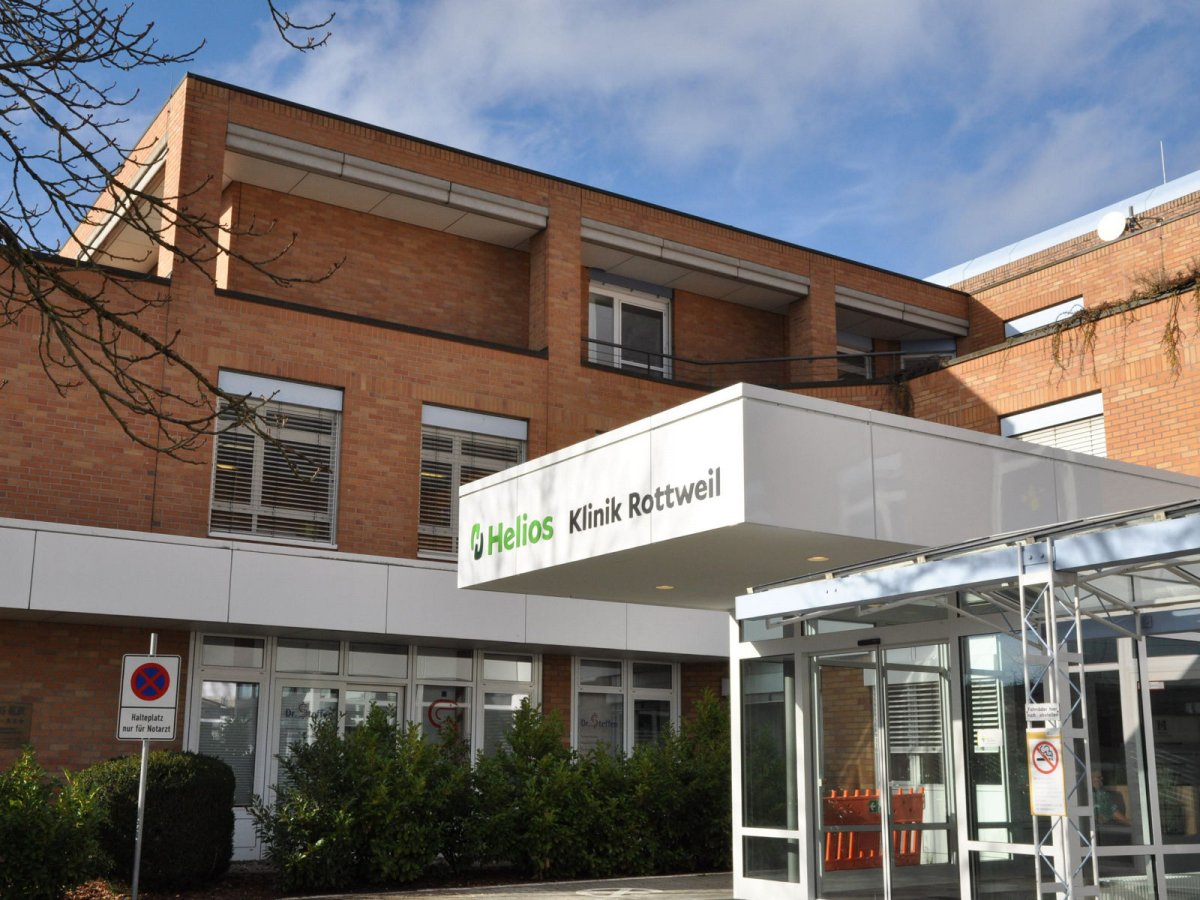



Práctica oftalmológica privada del Prof. Schaller en la Clínica de Herzog Carl Theodor-Munich






Descripción general de Cirugía de cataratas con implante de lente multifocal en Alemania
- Cirugía de cataratas (un ojo) - de $2,200El procedimiento elimina un cristalino opaco en un ojo, reemplazándolo con uno artificial para restaurar la visión.
- Cirugía de cataratas (ambos ojos) - de $3,600Esta operación de doble ojo elimina los lentes nublados, reemplazándolos con lentes artificiales, mejorando la claridad y la calidad de la visión.
- Cirugía de cataratas con implante de lente multifocal - de $4,200La operación reemplaza el cristalino nublado con implantes multifocales, mejorando la claridad de la visión y el enfoque en múltiples distancias.
Día 1 - Llegada
- Llegar al país donde se realizará la cirugía.
- Regístrese en el hotel de 4* proporcionado en el paquete.
Día 2 - Preoperatorio
- Conoce al oftalmólogo para la consulta.
- Someterse a prueba de autorrefractometría.
- Realice cualquier prueba adicional si así lo prescribe el especialista.
Día 3 - Cirugía de Cataratas con Implante de Lente Multifocal
- Llegada a la clínica para la cirugía.
- El procedimiento toma alrededor de 1-2 horas.
- Se utiliza anestesia local durante el procedimiento.
- Después de la cirugía, permanecerá en la clínica para observación.
Día 4 - Postoperatorio
- Permanezca en la clínica para seguimiento y recuperación.
- Recibir el alta si el especialista lo aprueba.
Semana 1 - Rehabilitación
- Descansa y recupérate después de la cirugía.
- Use gotas para los ojos recetadas para prevenir infecciones e inflamaciones.
Semana 2 - Seguimiento
- Visite al oftalmólogo para un chequeo de seguimiento.
- Reanudar las actividades diarias ligeras si lo aprueba el especialista.
Semana 3-4 - Resultado final
- Experimente una visión mejorada a medida que los ojos sanan.
- Reanudar actividades laborales y deportivas con aprobación de especialista.
Tenga en cuenta que este es un plan general y el proceso real puede variar según las necesidades individuales y las condiciones médicas.
- Depósito de Bookimed: 200 $ o 200 €.
- Depósito de la clínica: Pague un porcentaje fijo por adelantado.
Como plataforma líder mundial de turismo médico, tenemos una gran responsabilidad ante nuestros clientes, tanto pacientes como centros médicos. Toda la información proporcionada en Bookimed.com relacionada con la cirugía de cataratas con implante de lente multifocal en Alemania se basa en la investigación, la previsión y la experiencia y satisface un gran interés.
Sistema inteligente de clasificación automática
Formamos nuestros listados de clínicas y médicos con estrictas regulaciones de nuestro sistema inteligente de clasificación automática. El sistema se basa en tarifas de pacientes reales de Bookimed para proporcionar la información más objetiva y transparente sobre clínicas y servicios médicos para cirugía de cataratas con implante de lente multifocal en Alemania.
Nuestro experimentado científico de datos recopila datos a diario, supervisa y optimiza el sistema de clasificación mediante el aprendizaje automático y la inteligencia artificial para garantizar que el sistema de clasificación esté actualizado y proporcione resultados precisos.
Solo la experiencia de personas reales
Recopilamos las opiniones de los clientes de Bookimed solo después de obtener experiencia médica con la clínica, para que todos en la plataforma puedan confiar en el centro que eligen para la cirugía de cataratas con implante de lente multifocal en Alemania. Nos esforzamos por hacer que el contenido de nuestra plataforma sea lo más útil posible y garantizamos la libertad de expresar opiniones críticas. Así, publicamos críticas positivas y negativas, con el objetivo de ser una fuente para la toma de decisiones informadas para nuestros futuros clientes.
Temas con altos niveles de experiencia, autoridad y confiabilidad
En Bookimed.com puede encontrar opciones y conveniencia para encontrar las mejores soluciones médicas de los principales proveedores de servicios médicos en Alemania en un solo lugar y, a menudo, a precios competitivos. Asegurándose de brindar la información más actualizada, los representantes de la clínica actualizan los CV de los médicos, las capacidades de las clínicas, las fotos de antes y después, los precios, los paquetes y las ofertas especiales en breve. Puede reunirse con el representante de la clínica y verificar la fecha del contenido actualizado en la página de cada clínica para asegurarse de su confiabilidad.
Nuestro blog y artículos de apoyo son creados por autores profesionales con al menos 3 años de experiencia en redacción médica y editados por especialistas médicos con experiencia clínica y de investigación relevante, todos reclutados cuidadosamente para el equipo. Nos esforzamos por mejorar el acceso de los pacientes a la información de salud, haciéndola experta pero fácil de entender. Todas las piezas siguen las Directrices Editoriales de Bookimed.
Valores reservados
Estamos hechos de personas y para personas, y ese es nuestro valor fundamental. Es por eso que todos los datos presentados en la plataforma son recopilados, editados, revisados y actualizados regularmente por nuestros pacientes, nuestras clínicas asociadas y nuestro equipo, incluido el Consejo Asesor Médico de Bookimed, que consta de médicos de renombre mundial con experiencia valiosa sobre 20 años de práctica y una reputación positiva. Conozca más sobre nosotros y nuestra misión .
En caso de que encuentre algún error o tenga alguna pregunta sobre la información presentada en Bookimed.com relacionada con la cirugía de cataratas con implante de lente multifocal en Alemania, no dude en contactarnos en marketing@bookimed.com .
Obtenga una evaluación médica para Cirugía de cataratas con implante de lente multifocal en Alemania: Elija su especialista entre los mejores en el campo
Ver todos los médicos
André Rosentreter Chief Of Ophthalmology

Randolf Widder

Gernot Rößler

Ansgar Neußer
Historias en video de pacientes de Bookimed
Reseñas
Todas las reseñasCompartir contenido
 Olena Sikoza
Preguntas frecuentes sobre Cirugía de cataratas con implante de lente multifocal en Alemania
¿Cuál es la tasa de éxito de la cirugía de cataratas con implante de lente multifocal?
La cirugía de cataratas con implantes de lentes multifocales en Alemania logra una tasa de éxito médico del 99,8 % en centros especializados. Aproximadamente entre el 80 % y el 90 % de los pacientes logran una independencia total de las gafas. La alta satisfacción se debe a una mejor agudeza visual en distancias cercanas, intermedias y lejanas dentro de instalaciones acreditadas por la JCI.
- Satisfacción del paciente: Entre el 84 % y el 90 % de los pacientes informan estar satisfechos con su visión a largo plazo.
- Tasa de éxito: Las clínicas especializadas de Múnich reportan tasas de éxito que alcanzan el 99,8 % para los tratamientos modernos de cataratas.
- Agudeza visual: Más del 96 % de los pacientes alcanzan una visión lejana sin corregir de 20/40 después de la cirugía.
- Independencia de gafas: Hasta el 90 % de los pacientes realizan sus actividades diarias sin necesidad de gafas.
Perspectiva de expertos de Bookimed: Las clínicas alemanas como la red EuroEyes realizan 20 000 cirugías de cataratas al año, lo que genera una brecha de experiencia de alto volumen. Los datos muestran que cirujanos como el Dr. Johannes Gonnermann han realizado personalmente 30 000 procedimientos. Este nivel masivo de experiencia es la razón por la que los centros alemanes a menudo reportan tasas de éxito clínico más altas que el promedio mundial.
¿Seguiré necesitando gafas después de la cirugía?
Los implantes de lentes multifocales en Alemania reducen significativamente la dependencia de las gafas. Entre el 60% y el 88% de los pacientes logran una independencia total de las gafas. Aunque las actividades diarias como conducir y leer suelen ser claras, es posible que aún necesite gafas para letra pequeña, conducir de noche o en condiciones de poca luz.
- Tasa de éxito: Las clínicas especializadas de Múnich reportan una tasa de éxito del 99,8% en tratamientos de cataratas.
- Funcionalidad de la lente: Las LIO multifocales proporcionan múltiples puntos de enfoque para la visión cercana, intermedia y lejana.
- Impacto del astigmatismo: Los resultados dependen en gran medida de la corrección del astigmatismo residual junto con la eliminación de la catarata.
- Tiempo de recuperación: La estabilización suele tardar de 4 a 8 semanas antes de que se confirme la visión final.
Perspectiva del experto de Bookimed: La calidad a menudo depende del volumen quirúrgico y de las certificaciones avanzadas. El Dr. Johannes Gonnermann, del AugenCentrum am Rothenbaum, ha realizado más de 30.000 procedimientos. Las clínicas con estándares internacionales ISO y credenciales FEBO (Fellow of the European Board of Ophthalmology) a menudo proporcionan una orientación más precisa de la potencia de la lente.
Consenso de los pacientes: Muchas
¿Son permanentes los resultados de los implantes de lentes multifocales?
Los implantes de lentes multifocales son dispositivos médicos permanentes diseñados para durar toda la vida. Estas lentes artificiales de alta calidad no se degradan ni pierden potencia óptica. Debido a que se extrae el cristalino natural, las cataratas no pueden reaparecer. Sin embargo, la opacidad secundaria o la adaptación neuronal pueden afectar su experiencia visual con el tiempo.
- Durabilidad de la lente: Los materiales de grado médico nunca se desgastan ni requieren reemplazo.
- Cataratas secundarias: Unas películas delgadas pueden nublar la visión, pero se eliminan con láser YAG.
- Adaptación cerebral: La mayoría de los pacientes se adaptan a la división de la luz en un plazo de 3 a 6 meses.
- Variables de salud: Afecciones como el glaucoma o la degeneración macular aún pueden afectar la claridad.
Perspectiva del experto de Bookimed: Las clínicas alemanas como Herzog Carl Theodor-Munich reportan tasas de éxito de hasta el 99,8 % en tratamientos de cataratas. Los datos muestran que la satisfacción a largo plazo depende en gran medida de la fase de diagnóstico inicial. Elegir cirujanos como el Dr. Johannes Gonnermann, quien ha realizado 30.000 procedimientos, garantiza que la lente se adapte a su anatomía ocular específica para minimizar los halos.
Consenso de los pacientes: Muchos pacientes logran independencia d
¿Cuánto tiempo dura la recuperación después de una cirugía de cataratas con implante de lente multifocal?
La recuperación de la cirugía de cataratas con implantes de lentes multifocales implica 2 fases distintas. Mientras que las incisiones quirúrgicas suelen sanar en un plazo de 4 a 8 semanas, la neuroadaptación (el proceso en el que el cerebro se ajusta a las señales multifocales) lleva de 3 a 6 meses. La mayoría de los pacientes reanudan sus actividades básicas en 1 a 2 días.
- Curación física: Las incisiones quirúrgicas y el enrojecimiento suelen desaparecer por completo en un plazo de 4 a 8 semanas.
- Periodo de neuroadaptación: El cerebro requiere de 3 a 6 meses para procesar los puntos focales simultáneos.
- Reanudación de actividades: Las actividades ligeras como leer o ver la televisión son seguras en 48 horas.
- Efectos secundarios visuales: Los halos y el deslumbramiento son comunes, pero generalmente desaparecen en el sexto mes.
Perspectiva del experto de Bookimed: Clínicas alemanas como EuroEyes y Eye Surgeries Professor Schaller reportan altas tasas de éxito en cataratas. Los datos muestran que la satisfacción con las lentes multifocales alcanza su punto máximo solo después de que ambos ojos han sido tratados. Muchos pacientes experimentan una visión fluctuante o visión borrosa por la mañana hasta que el segundo procedimiento equilibra su entrada visual.
Consenso de los pacientes: Los pacientes mencionan con fr
¿Cubre el seguro médico legal alemán un implante de lente multifocal durante la cirugía de cataratas?
El seguro médico legal alemán (GKV) cubre solo la necesidad médica de la cirugía de cataratas y una lente monofocal estándar. Si elige un implante de lente multifocal, debe pagar de su bolsillo la diferencia de precio del material de la lente y los diagnósticos especializados.
- Costo de la mejora: Los pacientes suelen pagar entre 700 y 2500 euros por ojo por el material de la lente multifocal.
- Servicios incluidos: El seguro cubre el 100% del procedimiento quirúrgico y los costos básicos de la lente monofocal.
- Diagnóstico: Las mediciones avanzadas, como la biometría óptica, se facturan por separado como servicios de salud individuales (IGeL).
- Sistema de pago: La regla de la «Mehrkostenregelung» garantiza que su aseguradora pague directamente la tarifa base de la cirugía.
Perspectiva del experto de Bookimed: La experiencia profesional demuestra que elegir clínicas especializadas como la Eye Clinic of Herzog Carl Theodor-Munich puede proporcionar una tasa de éxito del 99,8%. Aunque los costos básicos están cubiertos por el seguro, estas prácticas privadas de primer nivel a menudo incorporan tecnologías de alta precisión y cirujanos como el profesor Ulrich Schaller. Esto garantiza una seguridad y unos resultados superiores para los resultados de lentes premium que los hospitales públicos estándar podrían no enfatizar.
Consenso
¿Qué marcas de lentes multifocales utilizan habitualmente las clínicas?
Las clínicas en Alemania utilizan habitualmente marcas de lentes multifocales de primera calidad como Alcon y Johnson & Johnson para la cirugía de cataratas. Los cirujanos líderes a menudo implantan la trifocal Alcon Clareon PanOptix para la claridad de lectura o la AcrySof Vivity EDOF para una visión superior durante la conducción nocturna y en condiciones de poca luz.
- Alcon: Cuenta con modelos trifocales PanOptix y Vivity de profundidad de campo extendida (EDOF).
- Johnson & Johnson: Se centra en TECNIS Synergy y Odyssey para rangos de visión continuos.
- Bausch + Lomb: Proporciona la lente híbrida enVista Envy para maximizar la sensibilidad al contraste.
- Lentes especializadas: Las clínicas suelen combinar estas marcas con variantes tóricas para corregir el astigmatismo.
Perspectiva del experto de Bookimed: Los centros de oftalmología alemanes muestran una clara preferencia por los cirujanos de alto volumen, como el Dr. Johannes Gonnermann, quien ha realizado 30.000 procedimientos. Las clínicas con altas tasas de éxito, como el récord del 99,8% en Múnich, suelen ceñirse a 1 o 2 marcas de lentes específicas para dominar sus resultados refractivos únicos.
Consenso de los pacientes: Los pacientes a menudo recomiendan solicitar nombres de modelos específicos como Symfony o PanOptix en lugar del término general
¿Qué tasas de seguridad y éxito visual reportan las principales clínicas alemanas para la cirugía de cataratas multifocal?
Las principales clínicas alemanas reportan tasas de éxito quirúrgico de entre el 95 % y el 99,8 % para la cirugía de cataratas multifocal. Los centros especializados logran hasta un 97 % de independencia de gafas utilizando ópticas trifocales avanzadas. Estas instalaciones mantienen rigurosos estándares de seguridad a través de las certificaciones TÜV NORD DIN EN ISO y KTQ (Cooperación para la Transparencia y la Calidad en el Servicio de Salud).
- Independencia visual: La clínica EuroEyes reporta que el 97 % de los pacientes ya no necesita gafas después de la cirugía.
- Calidad de visión: Aproximadamente entre el 92 % y el 96 % de los pacientes logran una visión lejana sin corrección de 20/40.
- Seguridad quirúrgica: Las complicaciones intraoperatorias como la ruptura de la cápsula ocurren en menos del 1 % de los casos.
- Efectos secundarios: Alrededor del 19 % de los pacientes notan halos o deslumbramientos temporales durante la neuroadaptación inicial.
Perspectiva del experto de Bookimed: Las clínicas alemanas se diferencian por su alto volumen quirúrgico y especialización. Por ejemplo, la consulta privada del profesor Schaller en la Clínica Oftalmológica Herzog Carl Theodor de Múnich atiende a 13.314 pacientes al año con una tasa de éxito del 99,8 %. Elegir clínicas de alto volumen a menudo garantiza el acceso a técnicas avanzadas asistidas
¿Cuáles son los posibles efectos secundarios y las exclusiones de candidatura para las lentes intraoculares multifocales?
Las lentes intraoculares multifocales reducen la dependencia de las gafas, pero pueden causar alteraciones en la visión nocturna, como halos o deslumbramientos. Los cirujanos excluyen a pacientes con afecciones oculares preexistentes, como degeneración macular, glaucoma o sequedad ocular grave. Los conductores profesionales nocturnos suelen ser malos candidatos debido a la posible pérdida de sensibilidad al contraste.
- Alteraciones visuales: Los pacientes suelen informar de halos, destellos y deslumbramientos alrededor de las fuentes de luz nocturnas.
- Sensibilidad al contraste: Las imágenes pueden parecer deslavadas con poca luz, lo que complica las tareas detalladas.
- Exclusiones médicas: La enfermedad macular, las cicatrices corneales y el glaucoma avanzado descalifican a la mayoría de los candidatos potenciales.
- Historial quirúrgico: Los procedimientos refractivos previos, como el LASIK, pueden inducir aberraciones incompatibles con la óptica multifocal.
Perspectiva del experto de Bookimed: El éxito en Alemania a menudo depende del alto volumen de cirugías del cirujano y de la tecnología especializada. El Dr. Johannes Gonnermann en EuroEyes ha realizado más de 30.000 procedimientos, proporcionando la precisión necesaria para estos implantes complejos. Algunas clínicas, como la consulta privada del profesor Schaller, reportan tasas de é
¿Puedo esperar dejar de usar gafas por completo después de la implantación de lentes multifocales?
La implantación de lentes multifocales reduce significativamente la dependencia de las gafas, y entre el 80% y el 90% de los pacientes logran una independencia total de las gafas para las tareas diarias. Aunque la mayoría ve con claridad a todas las distancias, aproximadamente el 10% todavía necesita gafas para letra pequeña, lectura con poca luz o actividades especializadas.
- Tasa de éxito: Clínicas alemanas como Herzog Carl Theodor-Munich reportan un 99,8% de éxito en tratamientos de cataratas.
- Independencia diaria: La mayoría de los pacientes conducen, ven televisión y usan computadoras sin gafas correctoras.
- Requisitos de lectura: Pueden ser necesarias gafas de lectura de baja potencia para frascos de medicamentos o trabajos manuales prolongados.
- Visión nocturna: Muchos experimentan halos o destellos alrededor de los faros, que generalmente desaparecen en unos meses.
Perspectiva del experto de Bookimed: Las clínicas alemanas se distinguen por su gran experiencia quirúrgica, lo que reduce los errores postoperatorios. El Dr. Johannes Gonnermann en Hamburgo ha realizado más de 30.000 cirugías oculares, lo cual es crítico porque la precisión en la corrección del astigmatismo secundario a menudo determina si ese 10% final de pacientes necesita gafas.
Consenso de los pacientes: Los pacientes informan una reducción e
¿En qué se diferencia la cirugía de cataratas asistida por láser de la facoemulsificación tradicional para implantes multifocales?
La cirugía de cataratas asistida por láser sustituye las herramientas manuales por un láser de femtosegundo guiado por ordenador para un posicionamiento de la lente de alta precisión. Esta tecnología automatiza la apertura capsular y prefragmenta la catarata. Tal precisión es fundamental para los implantes multifocales, que requieren un centrado casi perfecto para evitar distorsiones visuales como halos o visión borrosa.
- Apertura capsular: El láser crea una apertura perfectamente circular para un centrado consistente de la lente multifocal.
- Energía ultrasónica: La prefragmentación láser reduce el uso de ultrasonidos entre un 33 % y un 70 % durante la extracción.
- Precisión corneal: La imagen integrada permite una corrección precisa del astigmatismo mediante incisiones corneales mapeadas.
- Recuperación técnica: El uso reducido de energía suele provocar menos hinchazón corneal inmediatamente después de la cirugía.
Opinión de expertos de Bookimed: Aunque la precisión del láser ayuda, el volumen de operaciones del cirujano sigue siendo el predictor de éxito más fuerte en Alemania. Por ejemplo, el Dr. Johannes Gonnermann, en el AugenCentrum am Rothenbaum, ha realizado más de 30.000 procedimientos. Los especialistas con un alto volumen de casos a menudo alcanzan tasas de éxito del 99,8 % al perfeccionar los pasos manuales que el láser suele aut