Colocación de implante coclear en Alemania: las 3 mejores clínicas y sus precios


Revisado médicamente por
Fahad Mawlood
¿Cuál es el precio de Colocación de implante coclear en Alemania? Descubra ahora
De $18,500. El precio final depende de la marca del dispositivo, el nivel de la clínica y los diagnósticos preoperatorios necesarios, como la resonancia magnética y la audiometría. Este promedio generalmente incluye el implante interno, el procedimiento quirúrgico y una estancia hospitalaria de varios días.
- Estapedectomía: $4,800 a $7,800 por cirugía de los huesos del oído medio.
- Fase diagnóstica: Las resonancias magnéticas prequirúrgicas y los exámenes de otorrinolaringología pueden añadir aproximadamente un 5% al total.
- Entorno clínico: Los precios en hospitales universitarios como Charité Berlin suelen ser entre un 15 y un 20% más altos que en centros más pequeños.
- Centros regionales: La mayor parte de la atención especializada en otorrinolaringología se concentra en centros médicos como Hamburgo, Berlín y Duisburg.
Perspectiva del experto de Bookimed: Elegir una red multidisciplinaria como Asklepios Kliniken brinda acceso a instalaciones de primer nivel. El Hospital Asklepios Barmbek está notablemente clasificado como el n.º 1 para pacientes extranjeros por MTQUA. Esto garantiza un soporte administrativo de alto nivel para casos internacionales. Clínicas como el Hospital Asklepios St. Georg cuentan con premios de la revista Focus por su excelencia en el tratamiento de oído y cuello. El mayor valor se encuentra en su atención integral para pacientes hospitalizados, que a menudo incluye una estancia de 3 a 5 días. Esto permite un seguimiento postoperatorio inmediato y la calibración inicial del dispositivo por parte de equipos especializados en otorrinolaringología.
| Alemania | España | Turquía | |
|---|---|---|---|
| Colocación de implante coclear | de $18,500 | de $22,000 | de $14,000 |
| Estapedectomía | ≈ $4,800 | ≈ $3,200 | de $6,200 |
Sus beneficios y garantías con Bookimed
Precios directos
Bookimed no añade cargos adicionales a los precios de Colocación de implante coclear. Las tarifas proceden de las listas de precios oficiales de las clínicas. Pagará directamente en la clínica por su Colocación de implante coclear a su llegada al país.
Sólo clínicas y médicos verificados
Bookimed está comprometido con su seguridad. Solo trabajamos con las clínicas que mantienen altos estándares internacionales en Colocación de implante coclear y tienen las licencias necesarias para atender a pacientes internacionales en todo el mundo.
Asistencia 24/7 gratuita
Bookimed ofrece asistencia experta gratuita. Un coordinador médico personal le apoya antes, durante y después del tratamiento, resolviendo cualquier problema. Nunca estará solo en su viaje médico de Colocación de implante coclear.

Su coordinador médico personal de Bookimed
- Le apoya en cada etapa
- Ayuda a elegir la clínica y el médico adecuados
- Asegura un acceso rápido y conveniente a la información
Descubra las mejores clínicas de Colocación de implante coclear en Alemania: 3 opciones verificadas y Precios
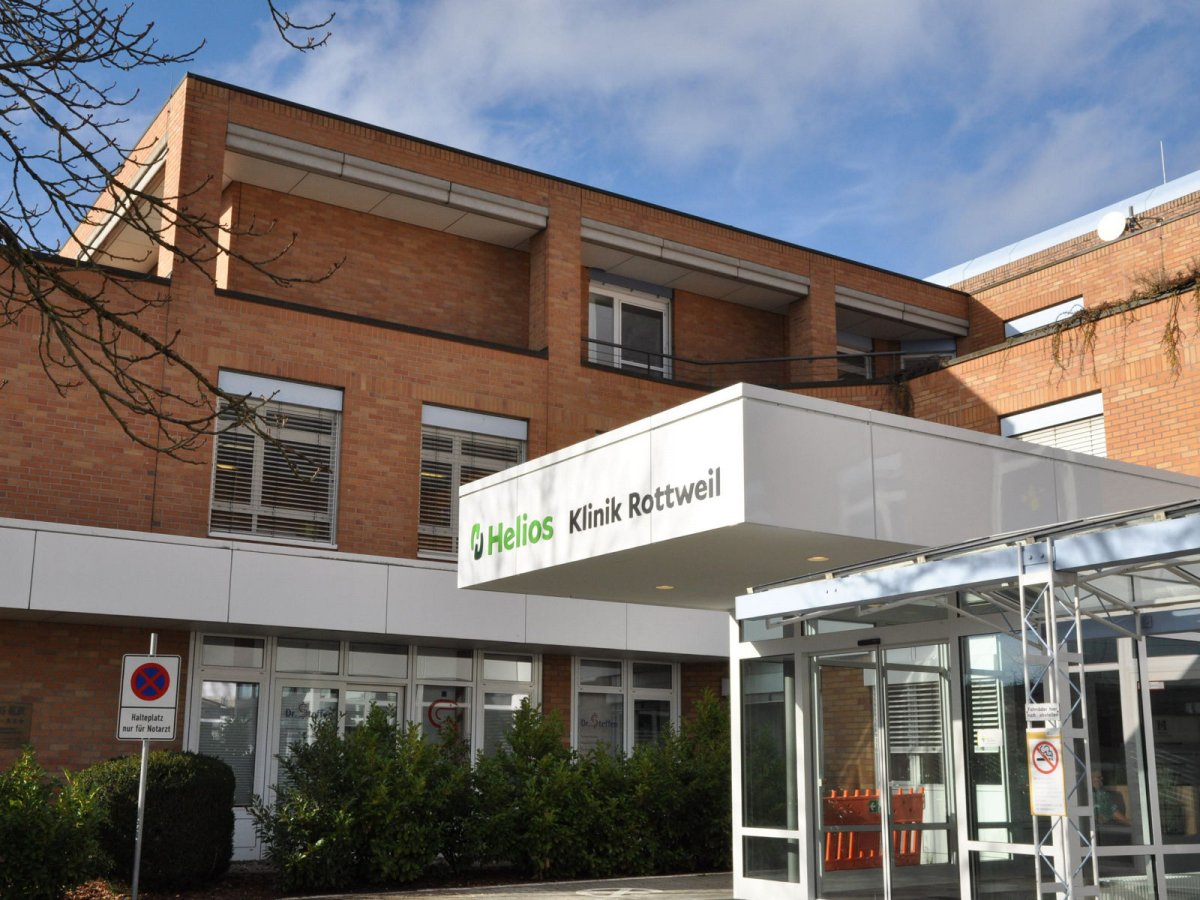





Descripción general de Colocación de implante coclear en Alemania
- Colocación de implante coclear - de $18,500La operación inserta un dispositivo electrónico para estimular las terminaciones nerviosas, ayudando a las personas con pérdida auditiva severa.
- Estapedectomía - de $4,800Esta operación ayuda a restaurar la audición al reemplazar un pequeño hueso en el oído con una prótesis.
Día 1
- Llegada al aeropuerto del país.
- Traslado al hotel para descansar.
Dia 2
- Traslado del hotel a la clínica.
- Consulta con el otorrinolaringólogo.
- Someterse a las pruebas médicas necesarias.
Día 3
- Preparación para la colocación del implante coclear.
- Someterse a una cirugía de implante coclear que dura de 2 a 4 horas.
- Recuperación en la clínica post-cirugía.
Día 4
- Control postoperatorio por el cirujano.
- Inicio de las etapas iniciales de rehabilitación en la clínica.
Semana 1
- Continuación de la rehabilitación y ajuste del implante.
- Seguimientos periódicos con el cirujano y el audiólogo.
Semana 2-4
- Regreso gradual a las actividades normales.
- Ajustes continuos y rehabilitación.
Semana 5
- Regreso al trabajo y actividades deportivas.
- Seguimientos continuos y ajustes según sea necesario.
Semana 6 en adelante
- Ajustes finales realizados al implante coclear.
- Viendo el resultado final y mejoras en la audición.
Tenga en cuenta que la experiencia de cada paciente puede variar, y el cronograma proporcionado es una estimación basada en casos típicos.
Lo que les gusta a los pacientes:
- Precio. El costo de la colocación del implante coclear en Alemania oscila entre $20,000 y $40,000. Este es un precio razonable en comparación con los costos más altos en los EE. UU., que pueden oscilar entre $ 30,000 y $ 50,000.
- Profesionalidad del médico. Los pacientes aprecian la alta competencia y experiencia de los médicos. A menudo son miembros de organizaciones médicas reconocidas y cuentan con numerosos procedimientos exitosos en su haber.
- Nivel de servicio. La atención personalizada, las instalaciones avanzadas y los servicios integrales son beneficios significativos. Los pacientes reciben estadías en el hospital con pensión completa, incluidas las comidas y los artículos de higiene.
- Eficacia de la colocación de implantes cocleares. Los pacientes reportan excelentes resultados de la cirugía. Las técnicas modernas utilizadas aseguran resultados efectivos.
- Logística. Los pacientes valoran la logística organizada, incluida la emisión de una carta de invitación para cruzar la frontera para recibir tratamiento.
Lo que no les gusta a los pacientes:
- Tiempo de espera. Algunos pacientes encuentran que el tiempo de espera para la cirugía es largo, especialmente los que vienen del extranjero.
- Visitas postoperatorias. La necesidad de una nueva visita para ajustar el dispositivo puede ser un inconveniente para algunos, en particular para los pacientes internacionales.
- Barrera del idioma. Los que no hablan alemán pueden enfrentar desafíos de comunicación, aunque la mayoría del personal es multilingüe.
- Depósito de Bookimed: 200 $ o 200 €.
- Depósito de la clínica: Pague un porcentaje fijo por adelantado.
Como plataforma líder mundial de turismo médico, tenemos una gran responsabilidad con nuestros clientes en Alemania, tanto pacientes como centros médicos. Toda la información proporcionada en Bookimed.com se basa en la investigación, la previsión y la experiencia y cumple con un alto interés relacionado con el producto y sigue:
Sistema inteligente de clasificación automática
Formamos nuestras listas de clínicas y médicos con regulaciones estrictas de nuestro sistema inteligente de clasificación automática para la colocación de implantes cocleares en Alemania. El sistema se basa en tarifas de pacientes reales de Bookimed para proporcionar la información más objetiva y transparente sobre las clínicas y los servicios médicos allí.
Nuestro experimentado científico de datos para la colocación de implantes cocleares en Alemania recopila datos a diario, supervisa y optimiza el sistema de clasificación mediante aprendizaje automático e inteligencia artificial para garantizar que el sistema de clasificación esté actualizado y proporcione resultados precisos.
Solo la experiencia de personas reales
Recopilamos las opiniones de los clientes de Bookimed solo después de obtener experiencia médica con la clínica para la colocación de implantes cocleares en Alemania, para que todos en la plataforma puedan confiar en el centro que elijan. Nos esforzamos por hacer que el contenido de nuestra plataforma sea lo más útil posible y garantizamos la libertad de expresar opiniones críticas. Así, publicamos críticas positivas y negativas, con el objetivo de ser una fuente para la toma de decisiones informadas para nuestros futuros clientes.
Temas con altos niveles de experiencia, autoridad y confiabilidad
En Bookimed.com puede encontrar opciones y comodidad para encontrar las mejores soluciones médicas de los principales proveedores de servicios médicos para la colocación de implantes cocleares en Alemania en un solo lugar y, a menudo, a precios competitivos. Asegurándose de brindar la información más actualizada, los representantes de la clínica actualizan los CV de los médicos, las capacidades de las clínicas, las fotos de antes y después, los precios, los paquetes y las ofertas especiales en breve. Puede reunirse con el representante de la clínica y verificar la fecha del contenido actualizado en la página de cada clínica para asegurarse de su confiabilidad.
Nuestro blog y artículos de apoyo son creados por autores profesionales con al menos 3 años de experiencia en redacción médica y editados por especialistas médicos con experiencia clínica y de investigación relevante para la colocación de implantes cocleares en Alemania, todos reclutados cuidadosamente para el equipo. Nos esforzamos por mejorar el acceso de los pacientes a la información de salud, haciéndola experta pero fácil de entender. Todas las piezas siguen las Directrices Editoriales de Bookimed.
Valores reservados
Estamos hechos de personas y para personas, y ese es nuestro valor fundamental. Es por eso que todos los datos presentados en la plataforma son recopilados, editados, revisados y actualizados regularmente por nuestros pacientes, nuestras clínicas asociadas y nuestro equipo, incluido el Consejo Asesor Médico de Bookimed, que consta de médicos de renombre mundial con experiencia valiosa sobre 20 años de práctica y una reputación positiva. Conozca más sobre nosotros y nuestra misión .
En caso de que encuentre algún error o tenga alguna pregunta sobre la información presentada en Bookimed.com, no dude en contactarnos en marketing@bookimed.com .
Obtenga una evaluación médica para Colocación de implante coclear en Alemania: Elija su especialista entre los mejores en el campo
Ver todos los médicos
Ralf Buhl
El profesor Buhl es un neurocirujano líder especializado en cirugías complejas de cerebro y médula espinal, incluida la colocación de implantes cocleares.
- Doctor en Ciencias Médicas con una extensa investigación en neurocirugía
- Realiza cirugías utilizando neuronavegación computarizada para mayor precisión
- Activo en investigación con más de 47 artículos científicos publicados
- Fundador de un fondo dedicado al estudio de los tumores cerebrales

Andreas Sesterhenn
El Prof. Sesterhenn es médico jefe de Otorrinolaringología y Cirugía de Cabeza y Cuello en la Clínica de Solingen, con más de _doctor_315_ años de experiencia quirúrgica.
- Especializado en intervenciones endoscópicas y robóticas para tumores de cabeza y cuello
- Realiza cirugías mínimamente invasivas con incisiones de tan solo 1 cm
- Autor de 78 publicaciones científicas en otorrinolaringología
- Jefe del departamento de ORL en el Hospital de Solingen desde 2012
Historias en video de pacientes de Bookimed
Reseñas
Todas las reseñasCompartir contenido
 Olena Sikoza
Preguntas frecuentes sobre Colocación de implante coclear en Alemania
¿Cubre el seguro médico legal alemán (SHI) la cirugía de implante coclear?
El seguro médico legal alemán cubre totalmente la cirugía de implante coclear cuando es médicamente necesaria. Esta clasificación como restauración funcional garantiza la cobertura de los diagnósticos preoperatorios, el dispositivo interno, los costos quirúrgicos y el mantenimiento de por vida. La facturación directa entre hospitales y aseguradoras como Techniker Krankenkasse o AOK elimina los gastos médicos de bolsillo.
- Necesidad médica: Los especialistas en otorrinolaringología deben demostrar que los audífonos de alta calidad no proporcionan un beneficio suficiente.
- Ciclo de vida completo: La cobertura incluye el procesador de sonido externo, la terapia del habla y las reparaciones.
- Centros certificados: La cirugía debe realizarse en clínicas especializadas como la Charité - Universitätsmedizin Berlin.
- Tarifas legales: Los pacientes solo pagan 10 € por noche por la estancia hospitalaria.
Opinión del experto de Bookimed: Aunque el seguro cubre el estándar clínico, elegir un hospital universitario como la Charité de Berlín proporciona acceso a protocolos de investigación avanzados. Estos centros gestionan un gran volumen de pacientes y manejan el papeleo complejo directamente con las aseguradoras. Esta experiencia a menudo evita retrasos en la recepción de las últimas actualizaciones de procesadores o rehabilitación pediátrica especial
¿Cuáles son los criterios de elegibilidad médica para el implante coclear en Alemania?
La elegibilidad médica para el implante coclear en Alemania requiere una pérdida auditiva neurosensorial de severa a profunda en la que los audífonos optimizados no son suficientes. Los candidatos deben mostrar una puntuación de reconocimiento de palabras monosilábicas del 60% o menos a 65 dB SPL durante la prueba de lenguaje estandarizada de Friburgo.
- Percepción del habla: Requiere un reconocimiento de monosílabos del 60% o menos mientras se utilizan audífonos ajustados profesionalmente.
- Aptitud anatómica: Las imágenes deben confirmar un nervio auditivo funcional y una estructura coclear insertable.
- Ventana pediátrica: Los bebés son elegibles a partir de los 6 meses para maximizar las fases críticas del desarrollo del lenguaje.
- Criterios bilaterales: La implantación secuencial o simultánea está aprobada para la sordera profunda bilateral o la sordera unilateral (SSD).
Perspectiva de expertos de Bookimed: Las clínicas universitarias alemanas como Charité Berlin priorizan las puntuaciones de habla funcional sobre la simple pérdida de decibelios. Nuestros datos muestran que los mejores especialistas en otorrinolaringología, como el Dr. Andreas Sesterhenn en Solingen, se centran en los déficits de comunicación del mundo real. Este enfoque a menudo califica a pacientes que técnicamente tienen algo de audición residual pero no pueden entende
¿Cómo se comparan las técnicas quirúrgicas y la elección de dispositivos en Alemania con las normas mundiales?
Las técnicas quirúrgicas alemanas para implantes cocleares enfatizan la durabilidad y la preservación anatómica a través de un modelo de aprendizaje dirigido por la clínica. Mientras que las normas mundiales a menudo se inclinan hacia la rápida adopción tecnológica, Alemania se centra en la seguridad a largo plazo, técnicas especializadas de preservación auditiva y estrictos volúmenes mínimos legales para garantizar una competencia superior del operador.
- Estándares de certificación: Instituciones como Charité - Universitätsmedizin Berlin mantienen rigurosos puntos de referencia de calidad.
- Enfoque quirúrgico: Los cirujanos priorizan las técnicas de cirugía blanda (soft-surgery) para preservar la audición residual para futuras tecnologías.
- Experiencia del operador: Especialistas como el profesor Andreas Sesterhenn a menudo poseen certificaciones de juntas en múltiples países.
- Requisitos legales: La ley alemana exige altos volúmenes anuales de casos para mantener el estatus de permiso quirúrgico.
Perspectiva del experto de Bookimed: Las clínicas alemanas se diferencian al centrarse en el ecosistema del implante en lugar del marketing de marca. Por ejemplo, los cirujanos del Centro Médico de Solingen a menudo seleccionan dispositivos basados en la experiencia de mapeo específica del equipo y la compatibilidad a largo plazo con resonancia m
¿Cómo son la recuperación y la activación del dispositivo después de la cirugía?
La recuperación del implante coclear en Alemania implica un proceso de dos etapas. La curación quirúrgica suele tardar de 2 a 4 semanas antes de la activación inicial del dispositivo. Los centros universitarios alemanes como Charité Berlin siguen protocolos estrictos para garantizar que las incisiones estén completamente cerradas antes de colocar el procesador de sonido externo.
- Estancia quirúrgica: La mayoría de los pacientes pasan la noche en el hospital o regresan a casa dentro de las 24 horas posteriores a la operación.
- Curación de heridas: Las incisiones deben permanecer secas durante varios días para evitar infecciones en el sitio.
- Recuperación física: El desequilibrio, la presión en la cabeza y la fatiga son más comunes que el dolor agudo.
- Activación del dispositivo: Un audiólogo programa el procesador una vez que la inflamación quirúrgica desaparece por completo.
- Mapeo a largo plazo: Múltiples sesiones de seguimiento en Alemania garantizan que la configuración del dispositivo coincida con la adaptación cerebral.
Perspectiva del experto de Bookimed: Si bien las clínicas alemanas a menudo utilizan asistencia robótica avanzada para incisiones de 1 cm, el verdadero diferenciador es el programa de mapeo estructurado. Los centros líderes como los de Solingen o Duisburg proporcionan controles de diagnóstico al
¿Qué rehabilitación y terapia de seguimiento se proporcionan en Alemania?
La rehabilitación tras un implante coclear en Alemania es un proceso estructurado y multidisciplinario conocido como Medizinische Rehabilitation. Se centra en la terapia auditivo-verbal y el mapeo técnico del procesador para restaurar la comunicación. Los pacientes pasan de los cuidados postoperatorios inmediatos a sesiones ambulatorias a largo plazo especializadas en logopedia y ajustes técnicos auditivos.
- Activación del procesador: El ajuste inicial y la activación del sonido suelen ocurrir de 4 a 6 semanas después de la cirugía.
- Sesiones de mapeo: Los ajustes recurrentes optimizan la configuración técnica de la audición basándose en la adaptación neuronal auditiva gradual.
- Seguimiento alemán: Los programas de seguimiento (Nachsorge) ofrecen entrenamiento auditivo especializado a través de centros hospitalarios o ambulatorios.
- Apoyo pediátrico: Los niños reciben entrenamiento familiar intensivo, logopedia y programas educativos de intervención temprana.
Perspectiva del experto de Bookimed: Aunque los hospitales universitarios como Charité Berlin manejan cirugías complejas, la intensidad de la rehabilitación especializada varía según la ciudad. Los datos muestran que los centros en Duisburg o Solingen a menudo se coordinan con especialistas locales en Hörtraining para el cuidado a largo plazo. Para los pacientes internacionales adultos
¿Cómo se regulan y garantizan la calidad de las clínicas de implantes cocleares en Alemania?
Alemania regula las clínicas de implantes cocleares mediante estrictas directrices clínicas de la AWMF y el programa de certificación CIVE. La calidad se garantiza mediante la notificación obligatoria al Registro Alemán de Implantes Cocleares y auditorías rigurosas realizadas por organismos independientes como ClarCert para verificar el equipo técnico especializado y el personal experto.
- Directrices nacionales: El registro AWMF 017-071 estandariza el diagnóstico, los protocolos quirúrgicos y el seguimiento de por vida del paciente.
- Certificación CIVE: ClarCert audita las instalaciones para otorgar el sello oficial de Institución Proveedora de Implantes Cocleares.
- Requisito hospitalario: Solo los departamentos de otorrinolaringología especializados dentro de hospitales cualificados pueden realizar estos procedimientos complejos.
- Transparencia de datos: El Registro Alemán de Implantes Cocleares realiza un seguimiento del rendimiento del dispositivo y de los resultados de la rehabilitación durante toda la vida.
Opinión de expertos de Bookimed: Si bien los hospitales universitarios como el Charité de Berlín ofrecen enormes recursos académicos, los centros especializados como el complejo clínico de Renania del Norte-Westfalia brindan una experiencia de alta densidad con más de 145.000 pacientes anuales. Los datos de Bookimed muestran que los
¿Qué hospitales en Alemania tienen las calificaciones más altas en neurocirugía?
Alemania alberga algunos de los departamentos de neurocirugía más prestigiosos del mundo, liderados por la Charité – Universitätsmedizin Berlin y el Hospital Universitario de Heidelberg. Estos centros destacan en el tratamiento de tumores cerebrales complejos y enfermedades cerebrovasculares. Para maximizar la eficacia de sus procedimientos, utilizan tecnologías de vanguardia como la resonancia magnética intraoperatoria y la neuronavegación asistida por computadora.
- Charité Berlín: Realiza más de 5000 cirugías al año. La clínica está dirigida por el reconocido neurocirujano Dr. Peter Vaikoczy.
- Centro Médico Solingen: El Dr. Ralf Buhl ha realizado más de 4.000 cirugías, incluidas cirugías de columna mínimamente invasivas.
- Clínica Asklepios Nord: equipada con el único sistema de resonancia magnética intraoperatoria bilateral de Alemania para garantizar precisión quirúrgica en tiempo real durante la extirpación del tumor.
- Clínica Nordwest: reconocida por la revista Newsweek como un hospital líder por su innovación en tecnología de ultrasonido 3D.
Opinión experta de Bookimed: Los datos muestran que elegir centros con un alto volumen quirúrgico suele llevar a recomendaciones de tratamiento más conservadoras. En el Centro Médico Solingen, que atiende a más de 60.000 pacientes al año, los cirujanos suelen sugerir fisioterapia en lugar de cirugía
¿Cuáles son las tasas de éxito de los procedimientos neuroquirúrgicos complejos en Alemania?
En Alemania, los procedimientos neuroquirúrgicos de alta complejidad demuestran una seguridad excepcional. Las tasas de éxito en las fusiones espinales alcanzan el 99 %. La tasa de supervivencia en las resecciones de tumores cerebrales primarios es del 97 %. La independencia funcional es alta. Más del 82 % de los pacientes reciben el alta inmediatamente después del tratamiento. Los centros alemanes priorizan la preservación de la función neurológica mediante técnicas modernas de mapeo.
- Resección de tumores: los cirujanos logran una resección tumoral completa en el 87,2% de los casos de metástasis cerebrales.
- Éxito en el tratamiento de enfermedades vasculares: los hospitales alemanes informan de una tasa de supervivencia del 98,7% para aneurismas no rotos.
- Mejora del estado neurológico: casi el 43% de los pacientes experimentan una mejora de los parámetros funcionales después de resecciones complejas.
- Seguridad de las intervenciones quirúrgicas: En grandes centros quirúrgicos, las tasas de supervivencia de los pacientes después de la cirugía de columna son del 98-99%.
Opinión experta de Bookimed: Cirujanos experimentados como el Dr. Uwe Köhler, de la Clínica Asklepios Altona, realizan más de 2000 cirugías al año. Los datos muestran que estos especialistas mantienen tasas de éxito de hasta el 90 %, incluso en los tumores cerebrales más comp
¿Qué tecnologías avanzadas suelen estar disponibles en las clínicas neuroquirúrgicas alemanas?
Las clínicas neuroquirúrgicas alemanas incorporan regularmente instrumentos digitales de alta precisión y visualización en tiempo real a la práctica quirúrgica. Entre las tecnologías clave se encuentra la neuronavegación computarizada para cirugías de cerebro y médula espinal. Instituciones como la Clínica Asklepios Nord utilizan la resonancia magnética intraoperatoria para verificar la extirpación de tumores en tiempo real. Estos sistemas proporcionan a los cirujanos navegación GPS 3D.
- Neuronavegación: proporciona visualización 3D y seguimiento de instrumentos en tiempo real para lograr precisión quirúrgica hasta el nivel submilimétrico.
- Imágenes intraoperatorias: sistemas como iMRI y O-arm CT permiten la confirmación inmediata de una resección exitosa.
- Neuromonitorización: Monitorea las funciones motoras y sensoriales durante la cirugía para proteger el sistema nervioso.
- Diagnóstico de fluorescencia: se utiliza el colorante 5-ALA para resaltar los bordes del tumor para una eliminación más completa.
- Asistencia robótica: Sistemas como el Da Vinci mejoran la precisión en procedimientos complejos y mínimamente invasivos.
Opinión experta de Bookimed: Grandes centros como la Charité – Universitätsmedizin de Berlín realizan más de 4000 procedimientos neuroquirúrgicos al año, lo que crea un entorno rico en datos para p
¿Qué formación especializada reciben los neurocirujanos en ejercicio en Alemania?
En Alemania, los neurocirujanos deben completar una residencia especializada de seis años tras graduarse de la facultad de medicina. Este programa estructurado incluye cuidados intensivos, práctica clínica y una revista quirúrgica obligatoria. Posteriormente, los candidatos aprueban un examen estatal para obtener el título de residente (Facharzt für Neurochirurgie).
- Residencia clínica: requiere de 48 a 72 meses de práctica neuroquirúrgica especializada.
- Cuidados intensivos: incluye una pasantía obligatoria de 6 meses en una unidad de cuidados intensivos neuroquirúrgicos.
- Revista quirúrgica: los cirujanos documentan cientos de cirugías, incluidas craneotomías y cirugías de columna.
- Examen de licencia: Los solicitantes deben aprobar un examen médico oral y práctico administrado por el estado.
Opinión experta de Bookimed: La formación neuroquirúrgica alemana se centra en una amplia experiencia quirúrgica. Por ejemplo, el Dr. Ralf Buhl, del Centro Médico Solingen, ha realizado más de 4000 cirugías. El Dr. Jürgen Kiwit, del Hospital Meoklinik, cuenta con más de 25 años de experiencia. Este riguroso sistema garantiza que los especialistas de los principales centros aborden casos complejos con una precisión demostrada.
Comentarios de los pacientes: Los pacientes se sienten seguros al saber que sus médicos han recibido año