Ir a inicio

Cómo funciona

Hemos transformado el proceso de búsqueda de clínicas, haciéndolo simple, rápido y personalizado.
Responda algunas preguntasRealice un breve cuestionario para compartir sus objetivos de Colocación de implante coclear.
Obtenga ofertas personalizadas3 clínicas seleccionadas especialmente según sus respuestas le proporcionan planes de tratamiento personalizados y presupuestos.
Elija la mejor opciónCompare ofertas y elija la clínica que más le convenga.
También puede consultar las 6 clínicas a continuación.
820К+ pacientes han recibido asistencia desde 2014
50 países
1,500 clínicas
6K+ reseñas
3K+ médicos calificados

¿Cuál es el precio de Colocación de implante coclear en Turquía? Descubra ahora

El costo de la colocación de un implante coclear en Turquía suele oscilar entre $21,600 y $30,000. Los precios varían según la marca del implante (como Cochlear, MED-EL o Advanced Bionics), la clínica, la experiencia del cirujano y si el procedimiento es para uno o ambos oídos. En Estados Unidos, el costo promedio es de $60,000 (según la AAO-HNS). La cirugía de implante coclear en Turquía puede costar aproximadamente un 57% menos que en EE. UU.

Los hospitales turcos suelen ofrecer paquetes que incluyen evaluación preoperatoria, dispositivos de implante de alta calidad, anestesia general, cirugía, estancia hospitalaria, medicamentos y la programación o activación inicial. En EE. UU., el precio anunciado suele cubrir solo los honorarios del cirujano, con cargos adicionales por el dispositivo, la anestesia, la estancia hospitalaria y la programación de seguimiento. Siempre confirmar qué servicios y marcas de dispositivos están incluidos en la clínica elegida.

Beneficios clave

¿Por qué eligen los pacientes Turquía para la colocación de implantes cocleares?

  • Clínicas acreditadas: Hospitales certificados por JCI y centros acreditados por el Ministerio de Salud de Turquía ofrecen atención de alta calidad.
  • Últimas tecnologías: Se utilizan dispositivos como COCHLEAR & MEDEL (Nucleus, Rondo, Kanso, Sonnet, Baha), asegurando opciones de tratamiento modernas.
  • Altas tasas de éxito: La colocación de implantes cocleares muestra una tasa de eficacia del 95%. Esto mejora significativamente la audición en pacientes con pérdida auditiva severa.
  • Cirujanos expertos: Otorrinolaringólogos líderes, certificados en procedimientos de implantes cocleares, han realizado miles de cirugías exitosas. Ellos aseguran una atención experimentada.

Acceda a soluciones avanzadas de colocación de implantes cocleares en clínicas de confianza de $21,642.

EspañaTurquíaMéxico
Colocación de implante coclearde $19,956de $21,642de $25,000
Estapedectomíade $3,200de $2,300de $2,500
Datos verificados por Bookimed a partir de April 2026, basados en solicitudes de pacientes y cotizaciones oficiales de 112 clínicas en todo el mundo. Los costos medianos se basan en facturas reales (2025–2026) y se actualizan mensualmente. Los precios reales pueden variar.

Descubra las mejores clínicas de Colocación de implante coclear en Turquía: 6 opciones verificadas y Precios

Tipo de procedimiento
Implante coclear con el procesador Kanso 2 500 — Traslado e intérprete incluidos

Turquía, Estambul

Yavuz Selim Yildirim

19 años de experiencia
Clínica certificada por

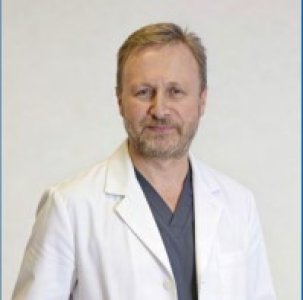
El Prof. Yavuz Selim Yildirim ha realizado más de 900 cirugías de implantes cocleares durante 18 años y se formó en Johns Hopkins y Harvard. El costo del procedimiento para un oído puede ascender a alrededor de 21.890 $ – cubriendo típicamente el dispositivo de implante, el procesador de sonido, una estancia de 2 noches, las pruebas de imagen y los traslados. El Hospital Hisar cuenta con la acreditación JCI y tiene una calificación de 4,5/5 por parte de los pacientes. El Prof. Yildirim ofrece técnicas avanzadas de cirugía blanda (soft surgery) y estimulación electroacústica, dando al paciente la opción de elegir entre procesadores Cochlear o Nucleus.

Cirugía de implante coclear con formación avanzada en EE. UU. — Pensión completa y traslados incluidos

Turquía, Ankara

Celil Göçer

30 años de experiencia

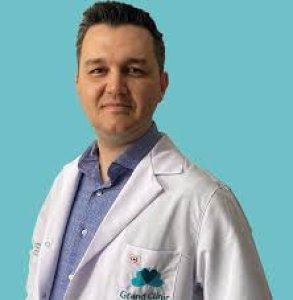
El Prof. Dr. Celil Göçer ha realizado más de 900 procedimientos de implante coclear, contando con formación avanzada en el House Ear Institute de EE. UU. El paquete tiene un coste aproximado de 19.000 €, que suele cubrir la cirugía, 3 días de hospitalización con acompañante, 7 días de estancia en hotel, tomografías computarizadas/resonancias magnéticas, traslados y servicios de interpretación. Es autor de más de 30 artículos científicos y coautor de textos de referencia en cirugía otorrinolaringológica. El hospital mantiene una tasa de recomendación de pacientes del 98 % y cuenta con quirófanos de última generación.

Ha visto 2 de 6 ofertas

Descripción general de Colocación de implante coclear en Turquía

Conclusiones
Procedimientos relacionados y Precios
Cómo funciona
Qué debe esperar
Pros y Contras
Ventajas
Pago
pacientes lo recomiendan -
85%
Tiempo de la cirugía - 4 horas
Quedarse en el país - 7 días
Rehabilitación - 30 días
Anestesia - Anestesia general
Solicitudes en curso - 4449
Comisiones de Bookimed - $0

Obtenga una evaluación médica de Colocación de implante coclear en Turquía: haga una consulta con 38 médicos experimentados ahora

Ver todos los médicos
verificado

Yavuz Selim Yildirim

19 años de experiencia

El Dr. Yildirim se formó en las mejores instituciones de EE. UU., incluidas Johns Hopkins y Harvard, especializándose en implantes cocleares en el Hospital Hisar Intercontinental.

  • Experiencia en otorrinolaringología con un enfoque en la restauración auditiva
  • Múltiples premios de investigación en ORL y rinología
  • Profesor asociado en la Bezmialem Vakif University
  • Realiza cirugías avanzadas de implantes cocleares
verificado

Serkan Orhan

23 años de experiencia

Formado en instituciones prestigiosas como la Universidad de Radboud y el Royal National ENT Hospital de Londres, el Dr. Orhan aporta experiencia internacional a la colocación de implantes cocleares.

  • Especializado en otorrinolaringología con más de 15 años de experiencia
  • Formación avanzada en cirugía plástica facial y rinoplastia
  • Trabaja en el Hospital Memorial Bahçelievler, un centro médico líder
verificado

Yasin Kulaksiz

9 años de experiencia

Especialista en colocación de implantes cocleares con experiencia en cirugías otorrinolaringológicas en el Hospital de Distrito Medipol Acibadem.

  • Doctorado en Otorrinolaringología (ORL) por la Universidad Bezmialem Vakıf
  • Experiencia en técnicas quirúrgicas y manejo postoperatorio
  • Especialista en evaluación y cuidado del paciente
verificado

Ziya Ilgin

30 años de experiencia

Se especializa en procedimientos avanzados de ORL, incluida la colocación de implantes cocleares, en los Hospitales Büyük Anadolu.

  • Más de 25 años de experiencia en cirugía ORL
  • Experto en técnicas de rinoplastia y septoplastia
  • Formado en la Facultad de Medicina de la Universidad de Mármara
  • Especialista en los Hospitales Büyük Anadolu desde 2005

Historias en video de pacientes de Bookimed

Andre
Bookimed me ayudó a comparar ofertas de clínicas. Aunque la experiencia no fue del todo sencilla, en general fue excelente.
Procedimiento: Terapia con células madre
Valentina
Viajar desde España a Estambul para una liposucción fue una experiencia que cambió mi vida.
Procedimiento: Liposucción
Randolph
Mantente fuerte, bien informado y nunca subestimes el poder de los tratamientos de vanguardia y un buen sistema de apoyo.
Procedimiento: Radioembolización para el cáncer de hígado

Compartir contenido

Escrito por
Olena Sikoza
Olena Sikoza
Сopywriter en español
Copywriter médica certificada responsable del contenido en español de Bookimed. Más de 7 años de experiencia en redacción sobre salud y turismo médico, con formación académica en edición científica y desarrollo de contenidos.
Fahad Mawlood
Editor médico y Científico de datos
Médico general. Ganador de 4 premios científicos. Sirvió en Asia Occidental. Es el ex jefe del equipo médico que soporta a pacientes de habla árabe. Ahora es responsable del procesamiento de datos y la precisión del contenido médico.
Fahad Mawlood Linkedin
Esta página puede incluir información relacionada con diversas afecciones médicas, tratamientos y servicios de salud disponibles en diferentes países. Tenga en cuenta que el contenido se proporciona sólo con fines informativos y no debe interpretarse como asesoramiento médico o orientación. Por favor consulte con su médico o con un profesional médico calificado antes de comenzar o cambiar el tratamiento médico.

Preguntas frecuentes sobre Colocación de implante coclear en Turquía

Estas preguntas frecuentes provienen de pacientes reales que buscan atención médica a través de Bookimed. Las respuestas son proporcionadas por coordinadores médicos experimentados y representantes autorizados de las clínicas.

What are the proven success rates for cochlear implants performed in Turkey?

Cochlear implants in Turkey maintain a 95% overall efficacy rate, with pediatric success reaching 95% when performed before age 3. Adult success ranges from 70% to 85%, supported by a 99% device reliability rate and low revision rates of approximately 6.3%.

  • Pediatric outcomes: Success rates of 90%–95% optimize early speech and language development for children.
  • Revision frequency: Clinical studies show a low 4.9% revision rate for pediatric patients in Turkey.
  • Device reliability: Leading clinics utilize Cochlear and MED-EL brands with 99% cumulative survival rates.
  • Functional improvement: Patients achieve mean post-operative speech perception scores of approximately 75.7% after rehabilitation.

Bookimed Expert Insight: The data shows a significant correlation between high patient volume and success. Surgeons like Prof. Celil Göçer and Prof. Yavuz Selim Yildirim have performed over 900 procedures each. Choosing such high-volume experts often ensures access to advanced mapping protocols that are more critical for hearing outcomes than the surgery itself.

Patient Consensus: Patients emphasize the importance of long-term commitment, noting that full auditory adjustment requires 6–12 months of rehabilitation. Many report high satisfaction with the organized international logistics and professional translator support provided during the two-week stay.

What qualifications should I look for in a Turkish surgeon who performs cochlear implants?

Qualified Turkish surgeons for cochlear implants must be board-certified otolaryngologists with sub-specialization in Otology and Neurotology. Prioritize surgeons holding FEBORL-HNS or FACS credentials who have performed over 200–400 successful implantations. Top specialists often have fellowships from prestigious US institutions like Johns Hopkins or Harvard.

  • Medical board certification: Must hold Turkish Board of Otorhinolaryngology or European Board (FEBORL-HNS) certification.
  • Specialized clinical training: Look for Otology Neurootology School graduates or US-based fellowship experience.
  • High procedure volume: Select surgeons with 200 to 900+ documented cochlear implant procedures.
  • Multi-disciplinary approach: Ensure the surgeon collaborates with audiologists and speech-language pathologists for rehabilitation.

Bookimed Expert Insight: Bookimed data shows that elite Turkish surgeons like Prof. Dr. Yavuz Selim Yildirim at Hisar Hospital often combine local expertise with multiple US fellowships. Choosing a professor-level surgeon who has trained at institutions like Johns Hopkins provides an additional layer of safety for complex bilateral cases. These specialists typically work within JCI-accredited hospitals that handle over 500,000 patients annually, ensuring robust perioperative support systems.

Patient Consensus: Patients emphasize that direct WhatsApp communication and the presence of dedicated international translators are vital for post-operative device tuning and peace of mind. Many report successful outcomes when choosing surgeons who provide comprehensive pre-operative imaging and 3D insertion planning.

How safe is cochlear implant surgery in Turkey?

Cochlear implant surgery in Turkey is highly safe with success rates reaching 95%. Procedures are performed by European Board-certified surgeons in JCI-accredited facilities such as Hisar Hospital Intercontinental and Liv Hospital. These centers utilize advanced Kanso 2 and Cochlear Series 600 devices under strict international safety protocols.

  • Surgeon expertise: Specialists like Prof. Dr. Yavuz Selim Yildirim have performed over 900 successful procedures.
  • Clinical standards: Top-tier hospitals maintain JCI accreditation, ensuring safety benchmarks equivalent to US facilities.
  • Advanced technology: Clinics utilize robotic-assisted systems and the latest 500 and 600 series implant devices.
  • Comprehensive monitoring: Most safety packages include 1–3 days of inpatient hospitalization and 24-hour nursing care.

Bookimed Expert Insight: High-volume surgeons in Turkey typically possess dual international certifications, such as FEBORL-HNS and FACS. Prof. Dr. Yavuz Selim Yildirim at Hisar Hospital, for example, combines US training from Johns Hopkins and Harvard with over 900 cases. This level of elite credentialing suggests that patient safety in Turkish private centers often exceeds standard international requirements.

Patient Consensus: Patients emphasize that the organized international departments and professional translators eliminate communication risks. Many report a seamless experience where the initial agreed price remains fixed, covering all pre-operative screenings and post-operative follow-ups without complications.

How long does the surgery take and what is the typical recovery period?

Cochlear implant surgery in Turkey typically takes 2 to 4 hours per ear under general anesthesia. Most patients require 1 to 3 days of hospital stay for monitoring. Initial physical recovery takes 3 to 7 days, while full hearing benefits develop over 3 to 6 months.

  • Surgery duration: Procedure lasts 2 to 4 hours depending on unilateral or bilateral placement.
  • Hospital stay: Expect 1 to 3 days of inpatient care for stabilization and monitoring.
  • Initial recovery: Patients usually require 3 to 7 days of bed rest to manage dizziness.
  • Device activation: The external sound processor is typically turned on 2 to 4 weeks post-op.
  • Long-term rehabilitation: Full auditory integration and speech therapy benefits peak at 3 to 6 months.

Bookimed Expert Insight: Data shows a significant discrepancy in clinical stay protocols between high-volume centers. While some facilities like Liv Hospital Ulus offer a 1-day stay, others like Hisar Hospital Intercontinental or Lokman Hekim Akay Hospital standardize 2 to 3 days of hospitalization. This extra time is often used for immediate post-operative nurse services and early-stage mapping preparation, which can be crucial for patients traveling from abroad.

Patient Consensus: Patients report that while the first week involves managing lightheadedness and sensitivity, the process is streamlined for international travelers. Many emphasize the importance of having a translator present during the initial post-op checks and follow-up appointments scheduled within the first two weeks.

What are the established risks of cochlear implant surgery?

Cochlear implant surgery is a safe, routine outpatient procedure with a complication rate between 10% and 20%. Most risks are minor and temporary, such as dizziness or taste changes. Major complications like infection or device failure are rare, occurring in fewer than 5% of cases.

  • Vestibular issues: Temporary dizziness or vertigo affects 9% to 30% of patients post-surgery.
  • Taste disturbances: Metallic sensations occur if the chorda tympani nerve is irritated during placement.
  • Minor side effects: Patients typically experience localized numbness, swelling, or bruising around the incision.
  • Device complications: Risk of internal component failure or migration may necessitate future revision surgery.
  • Residual hearing: The implantation process may lead to the loss of remaining natural hearing.

Bookimed Expert Insight: While major risks are low, surgeon volume is the strongest safety signal in Turkey. Prof. Dr. Yavuz Selim Yildirim at Hisar Hospital has performed over 900 procedures, and Dr. Serkan Orhan has completed over 5,500 ENT treatments. Choosing high-volume experts significantly reduces the 0.5% risk of facial nerve injury common in complex cases.

Patient Consensus: Patients often find the technical surgery fast and smooth but emphasize that post-op tinnitus and balance issues can be more persistent than expected. They recommend confirming if local audiologic mapping is available in your home country before booking.

What happens during the actual cochlear implant operation?

Cochlear implant surgery in Turkey is a routine 1.5 to 2.5-hour procedure performed under general anesthesia. Surgeons create a small incision behind the ear to place an internal receiver and thread an electrode array into the cochlea, restoring sound signals to the hearing nerve.

  • Surgical access: Surgeons make a 2-inch incision to reach the mastoid bone behind the ear.
  • Internal placement: The receiver stimulator is secured in a pocket between the skull bone and muscle.
  • Electrode insertion: A thin wire enters the cochlea via the round-window or a small cochleostomy.
  • Intraoperative testing: Teams use neural response telemetry to confirm the device communicates with the nerve.
  • Nerve safety: Specialists use live facial-nerve monitoring to protect nearby facial muscles during drilling.

Bookimed Expert Insight: While many global clinics offer outpatient surgery, top-tier Turkish centers like Hisar Hospital or Memorial Sisli standardly include 2 days of hospitalization. This extra night allows surgeons to perform a follow-up CT scan to show patients the exact placement of the electrode array before discharge, providing a higher level of immediate post-op reassurance.

Patient Consensus: Patients report that while the surgery feels fast and painless, the true wait begins after discharge. The device remains inactive for 3–4 weeks to allow swelling to subside before the final fitting and sound activation.

Can patients choose the cochlear implant brand and model?

Patients in Turkey can generally choose their cochlear implant brand and model, especially when opting for private healthcare. Surgeons frequently work with global leaders like Cochlear and Med-El. While medical anatomy or surgical familiarity may influence recommendations, self-paying patients often have the flexibility to select specific technology features.

  • Available brands: Clinics offer advanced models like the Kanso 2 500 and Series 600.
  • Clinical guidance: Surgeons often recommend specific electrode arrays based on your unique cochlear anatomy.
  • Lifestyle features: Patients can prioritize options such as water resistance or Bluetooth smartphone connectivity.
  • System compatibility: Choices may depend on existing hearing aid brands for seamless bimodal hearing integration.

Bookimed Expert Insight: Choosing a clinic like Hisar Hospital Intercontinental provides access to surgeons with 900+ procedures performed. These high-volume centers typically maintain broader contracts with multiple manufacturers. This allows more flexible access to specific models compared to smaller facilities that might only stock one brand.

Patient Consensus: Patients report that while surgeons have preferred brands, self-paying allows for more negotiating power. They emphasize clarifying all package inclusions upfront to ensure the chosen device and all follow-up mappings are covered.

Am I a good candidate for cochlear implants in Turkey?

Candidacy for cochlear implants in Turkey requires severe to profound sensorineural hearing loss and insufficient benefit from high-power hearing aids. Eligible patients must have a functional auditory nerve, confirmed via MRI or CT scans, and high motivation for long-term postoperative auditory rehabilitation and speech therapy.

  • Hearing threshold: Severe-to-profound hearing loss in one or both ears is the primary requirement.
  • Aid trial: Documentation must show limited functional speech understanding despite consistent hearing aid use.
  • Anatomical readiness: Imaging confirms the cochlea can physically house the electrode array without obstruction.
  • Surgical health: Patients must be fit for general anesthesia during the 1 to 3-day hospital stay.

Bookimed Expert Insight: Surgeon experience in Turkey is exceptionally high, with specialists like Dr. Yavuz Selim Yildirim at Hisar Hospital having performed over 900 implants. While the surgery itself is routine for these experts, the real differentiator is the device technology provided; top Turkish clinics utilize advanced systems like the Kanso 2 500 Series, which offers a discreet, off-the-ear design often unavailable at lower price points elsewhere.

Patient Consensus: Patients emphasize the importance of organizing a local audiologist for device mapping before traveling. While the surgical outcome is often described as life-changing and professional, the long-term success of the implant depends heavily on your local rehabilitation support.

What results can I realistically expect after a cochlear implant in Turkey?

Most patients achieve a 95% success rate for cochlear implantation in Turkey, with children seeing 90% to 95% success when implanted before age 3. Adults typically reach 70% to 85% success, experiencing a 6 to 7 times improvement in speech perception within 3 to 12 months post-surgery.

  • Speech restoration: Patients often regain conversational-level speech recognition after 6 to 12 months of rehabilitation.
  • Environmental sound perception: Approximately 80% of adults and 90% of children improve awareness of environmental sounds.
  • Device activation: Turkish clinics typically activate the internal device 2 to 4 weeks after surgery.
  • Rehabilitation timeline: Brain adaptation and optimal hearing results require 6 to 18 months of mapping sessions.

Bookimed Expert Insight: Data shows Turkey offers faster device activation than Western standards, often only 2 weeks post-op. Prof. Dr. Yavuz Selim Yildirim at Hisar Hospital has performed over 900 procedures, contributing to high success rates. Patients choosing all-inclusive packages at Lokman Hekim Akay Hospital benefit from 21 days of full-board stay for recovery.

Patient Consensus: Travelers feel guided like VIPs through airport transfers and multilingual support, though they emphasize that success depends 80% on post-op rehab. Many recommend securing a local speech therapist at home before traveling to ensure seamless long-term care after returning.

How long is the stay required for cochlear implant surgery in Turkey?

Patients typically stay in Turkey for 10 to 14 days for cochlear implant surgery. This timeframe includes 1 to 3 days of hospitalization for monitoring and a post-operative period of 7 to 10 days at a hotel for wound healing and initial device mapping.

  • Hospital stay: Most adults stay 1 night, while children often require 2 nights for observation.
  • Initial recovery: Patients remain in-country for 7 days until the first follow-up and suture check.
  • Device activation: Initial mapping usually occurs 7 to 10 days post-surgery before the patient flies home.
  • Travel restrictions: Surgeons often advise waiting 14 days before flying to manage ear pressure and dizziness.

Bookimed Expert Insight: While many sources suggest waiting 3 to 6 weeks for activation, Bookimed data shows Turkish clinics like Lokman Hekim Akay provide packages with 21-day stays that include early-stage mapping. This extended stay, often with full board included, ensures the incision is stable before the patient leaves the surgeon's immediate care.

Patient Consensus: Patients emphasize that while the surgery itself is quick, the 10-day window is vital for peace of mind. Many travelers from as far as Mexico appreciate the seamless airport-to-hotel transfers that minimize physical strain during the peak swelling period on days 3 to 5.

Which cities in Turkey host the most reputable cochlear implant centers?

Istanbul and Ankara are the primary hubs for reputable cochlear implant centers in Turkey. These cities host Joint Commission International (JCI) accredited hospitals featuring surgeons with elite international training from Johns Hopkins and Harvard. Istanbul offers the highest concentration of specialized ENT facilities for international patients.

  • Istanbul prominence: Centers like Hisar Intercontinental and Memorial Bahçelievler perform hundreds of implants annually.
  • Ankara expertise: The capital hosts specialists like Dr. Celil Göçer at Lokman Hekim Akay.
  • Surgeon volume: Leading experts like Dr. Yavuz Selim Yildirim have performed over 900 successful procedures.
  • Advanced technology: Top clinics utilize the Da Vinci robotic system and Cochlear Series 600 devices.

Bookimed Expert Insight: While many seek out large hospital brands, individual surgeon volume is the true quality signal in Turkey. Specialists in Istanbul, such as Dr. Abdulkadir Ozgur, have performed over 400 implants personally. This high frequency often leads to faster scheduling, with some private clinics booking surgeries within 14 days.

Patient Consensus: Patients value the seamless coordination in Istanbul, specifically noting that all-inclusive packages covering hospital stays, VIP transfers, and translation services eliminate the stress of navigating a foreign medical system.

Pedir una consulta gratis

Seleccione la mejor manera de contactarle