Cirugía de fractura de clavícula desplazada en Alemania: clínica verificada y sus precios


Revisado médicamente por
Fahad Mawlood
¿Cuál es el precio de Cirugía de fractura de clavícula desplazada en Alemania? Descubra ahora
El costo de la cirugía por fractura desplazada de clavícula en Alemania suele oscilar de $6,200 a $9,500. Los precios varían según el hospital, la experiencia del cirujano, la complejidad de la fractura y el tipo de dispositivo de fijación (como placas o tornillos de titanio). UU.
Los hospitales alemanes suelen incluir en el precio los diagnósticos preoperatorios, la cirugía, implantes de alta calidad, anestesia, estancia hospitalaria, radiografías postoperatorias y visitas de seguimiento. En EE. UU., el precio base suele cubrir solo los honorarios del cirujano, mientras que la anestesia, los implantes y el cuidado posterior se facturan por separado. Siempre confirmar exactamente qué está incluido en la clínica elegida.
| Alemania | España | Turquía | |
|---|---|---|---|
| Cirugía de fractura de clavícula desplazada | ≈ $6,200 | ≈ $4,800 | ≈ $3,200 |
Sus beneficios y garantías con Bookimed
Precios directos
Bookimed no añade cargos adicionales a los precios de Cirugía de fractura de clavícula desplazada. Las tarifas proceden de las listas de precios oficiales de las clínicas. Pagará directamente en la clínica por su Cirugía de fractura de clavícula desplazada a su llegada al país.
Sólo clínicas y médicos verificados
Bookimed está comprometido con su seguridad. Solo trabajamos con las clínicas que mantienen altos estándares internacionales en Cirugía de fractura de clavícula desplazada y tienen las licencias necesarias para atender a pacientes internacionales en todo el mundo.
Asistencia 24/7 gratuita
Bookimed ofrece asistencia experta gratuita. Un coordinador médico personal le apoya antes, durante y después del tratamiento, resolviendo cualquier problema. Nunca estará solo en su viaje médico de Cirugía de fractura de clavícula desplazada.

Su coordinador médico personal de Bookimed
- Le apoya en cada etapa
- Ayuda a elegir la clínica y el médico adecuados
- Asegura un acceso rápido y conveniente a la información
Descubra las mejores clínicas de Cirugía de fractura de clavícula desplazada en Alemania: 1 opciones verificadas y Precios
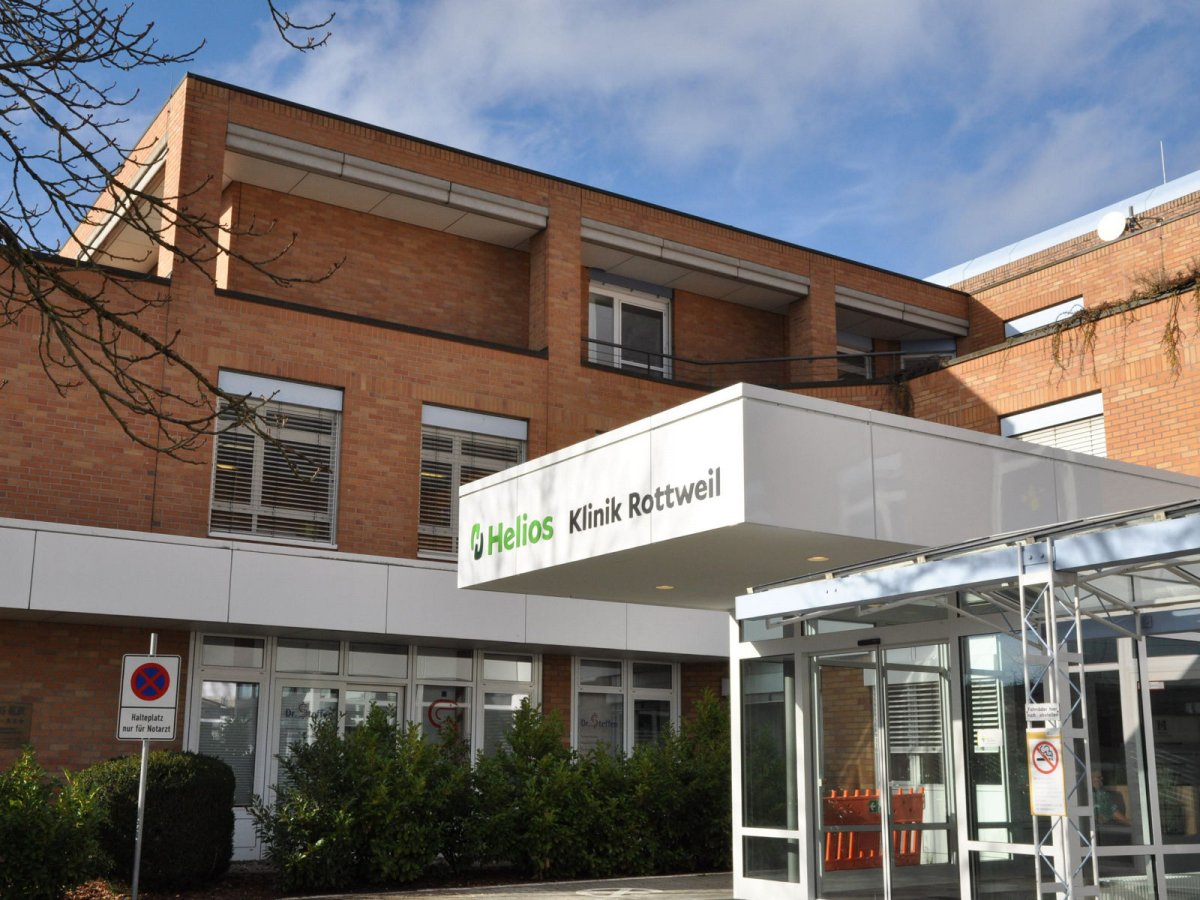




Descripción general de Cirugía de fractura de clavícula desplazada en Alemania
- Depósito de Bookimed: 200 $ o 200 €.
- Depósito de la clínica: Pague un porcentaje fijo por adelantado.
Obtenga una evaluación médica para Cirugía de fractura de clavícula desplazada en Alemania: Elija su especialista entre los mejores en el campo
Ver todos los médicos
Markus Graf
Reseñas
Todas las reseñas
Compartir contenido
Historias en video de pacientes de Bookimed
 Olena Sikoza
Preguntas frecuentes sobre Cirugía de fractura de clavícula desplazada en Alemania
¿Cuándo es necesaria una cirugía para una fractura de clavícula desplazada en Alemania?
En Alemania, la cirugía para una fractura de clavícula desplazada es necesaria si los fragmentos óseos se superponen más de 2 cm o si la piel está en riesgo de perforación. Los centros de trauma alemanes priorizan la fijación quirúrgica mediante osteosíntesis con placa cuando ocurren lesiones neurovasculares o cuando las fracturas abiertas requieren estabilización inmediata.
- Desplazamiento grave: Se requiere cirugía cuando el acortamiento de la clavícula supera los 1,5 a 2 cm.
- Protección de la piel: La intervención es vital si los fragmentos óseos causan una protrusión visible o perforación de la piel.
- Seguridad nerviosa: Se realiza cirugía inmediata si el plexo braquial o los vasos sanguíneos están dañados.
- Riesgos de curación: Las fracturas complejas con múltiples fragmentos a menudo requieren placas para evitar la falta de unión (pseudoartrosis).
Perspectiva del experto de Bookimed: Los hospitales universitarios alemanes como Helios Wuppertal aprovechan la experiencia multidisciplinaria en oncología y ortopedia para traumas complejos. Los datos muestran que estos centros atienden a 150.000 pacientes anualmente. A menudo sugieren cirugía para pacientes jóvenes y activos específicamente para preservar la mecánica completa del hombro. Este enfoque en la recuperación funcional distingue su enfoque de la atención conservadora estándar.
¿Cuál es el tiempo de recuperación esperado después de una cirugía de clavícula?
La recuperación de una cirugía de clavícula requiere de 3 a 5 meses para la curación completa del hueso. Los pacientes suelen recuperar la movilidad funcional entre las semanas 6 y 12. La mayoría de los cirujanos recomiendan el uso de un cabestrillo para mayor comodidad durante las primeras 3 a 4 semanas mientras la fractura se estabiliza.
- Etapa inicial: Use un cabestrillo para mayor comodidad durante las primeras 2 semanas.
- Fase de movilidad: Retire el cabestrillo en la semana 6 para comenzar los ejercicios de rango de movimiento.
- Fase de fortalecimiento: Comience con levantamiento de peso ligero y ejercicios del manguito rotador después de la semana 6.
- Actividad completa: Reanude los deportes de alto impacto o el levantamiento de peso pesado después de 3 meses.
Opinión experta de Bookimed: Los hospitales universitarios alemanes como Helios Wuppertal tratan a 150 000 pacientes al año. Su alto volumen sugiere que los cirujanos manejan fijaciones de clavícula complejas con frecuencia. Esta experiencia es vital para garantizar una colocación precisa de la placa. Una alineación adecuada reduce el riesgo de irritación por el hardware durante los meses de recuperación.
Consenso de los pacientes: Muchos pacientes consideran que la confirmación mediante rayos X a las 6 semanas es el hito más importante. A menudo informa
¿Qué tan pronto después de la lesión debe realizarse la cirugía?
La cirugía de una fractura de clavícula desplazada se realiza generalmente dentro de 1 a 2 semanas después de la lesión inicial. Si bien los casos de emergencia con perforaciones óseas o daño vascular requieren atención inmediata, los cirujanos a menudo esperan varios días a que disminuya la inflamación aguda para garantizar condiciones quirúrgicas óptimas y una alineación ósea correcta.
- Criterios de emergencia: Se requiere cirugía inmediata si los fragmentos óseos atraviesan la piel.
- Ventana electiva: La mayoría de los procedimientos ocurren de 7 a 14 días después de la fractura.
- Recuperación funcional: Los pacientes a menudo regresan a deportes de bajo impacto dentro de las 6 semanas posteriores a la cirugía.
- Observación clínica: Los cirujanos utilizan el período de espera para monitorear la inflamación mediante radiografías repetidas.
- Curación ósea: La fijación temprana evita que los huesos sanen en una posición mal alineada.
Perspectiva de expertos de Bookimed: Los datos de grandes centros alemanes como el Hospital Universitario Helios de Wuppertal muestran un alto volumen de casos ortopédicos. La experiencia con 150,000 pacientes anuales permite una programación precisa. Es fundamental programar la cirugía dentro de los primeros 14 días. Después de esto, comienza a formarse el callo óseo temprano, lo que h
¿Cuál es la técnica quirúrgica estándar utilizada?
La técnica quirúrgica estándar para una fractura de clavícula desplazada en Alemania es la reducción abierta y fijación interna (ORIF). Los cirujanos utilizan placas y tornillos especializados de titanio o acero inoxidable para realinear los fragmentos óseos y proporcionar estabilidad estructural inmediata para la curación.
- Método de fijación: Los cirujanos utilizan reducción abierta y fijación interna con placas y tornillos de grado médico.
- Enfoque quirúrgico: El procedimiento implica una incisión directa para visualizar y alinear con precisión los fragmentos desplazados.
- Objetivo de estabilización: Los implantes evitan la consolidación viciosa y permiten una movilización funcional más temprana del hombro.
- Opciones alternativas: La inmovilización no quirúrgica con cabestrillo o vendaje en ocho sigue siendo una opción conservadora común.
Perspectiva del experto de Bookimed: Los hospitales universitarios alemanes, como Helios Wuppertal, tratan a 150.000 pacientes anualmente utilizando criterios quirúrgicos selectivos. Los datos muestran que los cirujanos priorizan la ORIF principalmente cuando la integridad de la piel está en riesgo o el desplazamiento supera umbrales funcionales específicos. Este enfoque, que prioriza el tratamiento conservador, garantiza que la cirugía solo se realice cuando ofrece una clara ventaja mecánica sobre la c
¿Cuál es la tasa de éxito de la fijación quirúrgica para fracturas de clavícula desplazadas?
La fijación quirúrgica para fracturas de clavícula desplazadas es altamente exitosa. Las tasas de unión ósea suelen oscilar entre el 97% y el 99% utilizando reducción abierta con fijación interna (ORIF). Este procedimiento reduce significativamente los riesgos de falta de unión (pseudoartrosis) al 0–3%, mucho más bajo que las tasas del 15–34% observadas en el tratamiento no quirúrgico.
- Éxito de la unión: La curación ósea ocurre en el 97% al 99% de los casos de fijación quirúrgica.
- Prevención de la falta de unión: La cirugía reduce los riesgos de fracaso permanente de la curación ósea a menos del 3% en fracturas desplazadas.
- Estándar de fijación: Los sistemas de placas bloqueadas se utilizan en el 87% de las cirugías para una estabilización firme.
- Criterios clínicos: Los cirujanos recomiendan la cirugía cuando el desplazamiento de la fractura supera los 2 cm o implica múltiples fragmentos.
Opinión experta de Bookimed: Los hospitales universitarios alemanes como Helios Wuppertal tratan a 150,000 pacientes anualmente. Los centros ortopédicos de gran escala ofrecen una ventaja de seguridad. Su alto volumen se correlaciona con tasas más bajas de complicaciones relacionadas con el hardware. Los pacientes a menudo obtienen mejores resultados cosméticos en estos departamentos especializados.
Consenso de pacientes: La may
¿Cuánto dura la estancia hospitalaria típica en Alemania?
Una estancia hospitalaria típica en Alemania para una cirugía de fractura de clavícula desplazada oscila entre 3 y 10 días. Los hospitales alemanes siguen un enfoque de supervisión cauteloso. Aseguran un manejo estable del dolor y movilidad antes del alta. Los casos complejos pueden requerir hasta 1 semana de atención hospitalaria.
- Estancia preoperatoria: Los pacientes a menudo pasan 3 noches bajo observación antes de que comience el procedimiento.
- Supervisión post-quirúrgica: Permanecer de 7 a 9 días después de la cirugía permite un cuidado de heridas experto.
- Manejo del dolor: La supervisión intensiva continúa durante 24 a 48 horas mientras los niveles de dolor alcanzan su punto máximo.
- Criterios de alta: Los pacientes salen una vez que pueden cuidarse de forma independiente y segura en casa.
Opinión de expertos de Bookimed: Las clínicas alemanas como el Hospital Universitario Helios de Wuppertal priorizan la recuperación a largo plazo sobre el alta rápida. Mientras que los centros estadounidenses a menudo prefieren la atención ambulatoria el mismo día, las instalaciones alemanas utilizan su capacidad de 1,000 camas para proporcionar supervisión hospitalaria prolongada. Esto reduce el riesgo de complicaciones postoperatorias tempranas para fracturas complejas desplazadas.
Consenso de los pacientes: Muchos pacie
¿Es necesario retirar las placas y tornillos alguna vez?
Las placas y tornillos para fracturas de clavícula desplazadas están diseñados para ser permanentes, pero los cirujanos los retiran si causan irritación o dolor. El retiro del material ocurre en el 1% al 2% de los casos a nivel mundial, aunque las prácticas clínicas alemanas a menudo estandarizan el retiro para pacientes más jóvenes después de la curación.
- Retiro de rutina: Los cirujanos alemanes a menudo recomiendan el retiro en pacientes jóvenes para prevenir futuras irritaciones óseas.
- Material sintomático: El dolor persistente o la prominencia bajo la piel son las razones principales para el retiro electivo.
- Tiempo clínico: Los cirujanos suelen esperar 1 año hasta que la fractura sane por completo antes del retiro.
- Período de recuperación: Los pacientes generalmente regresan a la actividad física completa aproximadamente 6 semanas después de la extracción del material.
Opinión de expertos de Bookimed: Los hospitales universitarios alemanes como Helios Wuppertal aprovechan un gran volumen de 150,000 pacientes anuales para refinar los protocolos de hardware. Los datos sugieren que, aunque el retiro es electivo, los especialistas alemanes le dan prioridad con mayor frecuencia que los cirujanos estadounidenses para garantizar la comodidad a largo plazo durante las actividades físicas.
Consenso de los pacientes: M
¿Qué hospitales en Alemania tienen las calificaciones más altas en neurocirugía?
Alemania alberga algunos de los departamentos de neurocirugía más prestigiosos del mundo, liderados por la Charité – Universitätsmedizin Berlin y el Hospital Universitario de Heidelberg. Estos centros destacan en el tratamiento de tumores cerebrales complejos y enfermedades cerebrovasculares. Para maximizar la eficacia de sus procedimientos, utilizan tecnologías de vanguardia como la resonancia magnética intraoperatoria y la neuronavegación asistida por computadora.
- Charité Berlín: Realiza más de 5000 cirugías al año. La clínica está dirigida por el reconocido neurocirujano Dr. Peter Vaikoczy.
- Centro Médico Solingen: El Dr. Ralf Buhl ha realizado más de 4.000 cirugías, incluidas cirugías de columna mínimamente invasivas.
- Clínica Asklepios Nord: equipada con el único sistema de resonancia magnética intraoperatoria bilateral de Alemania para garantizar precisión quirúrgica en tiempo real durante la extirpación del tumor.
- Clínica Nordwest: reconocida por la revista Newsweek como un hospital líder por su innovación en tecnología de ultrasonido 3D.
Opinión experta de Bookimed: Los datos muestran que elegir centros con un alto volumen quirúrgico suele llevar a recomendaciones de tratamiento más conservadoras. En el Centro Médico Solingen, que atiende a más de 60.000 pacientes al año, los cirujanos suelen sugerir fisioterapia en lugar de cirugía
¿Cuáles son las tasas de éxito de los procedimientos neuroquirúrgicos complejos en Alemania?
En Alemania, los procedimientos neuroquirúrgicos de alta complejidad demuestran una seguridad excepcional. Las tasas de éxito en las fusiones espinales alcanzan el 99 %. La tasa de supervivencia en las resecciones de tumores cerebrales primarios es del 97 %. La independencia funcional es alta. Más del 82 % de los pacientes reciben el alta inmediatamente después del tratamiento. Los centros alemanes priorizan la preservación de la función neurológica mediante técnicas modernas de mapeo.
- Resección de tumores: los cirujanos logran una resección tumoral completa en el 87,2% de los casos de metástasis cerebrales.
- Éxito en el tratamiento de enfermedades vasculares: los hospitales alemanes informan de una tasa de supervivencia del 98,7% para aneurismas no rotos.
- Mejora del estado neurológico: casi el 43% de los pacientes experimentan una mejora de los parámetros funcionales después de resecciones complejas.
- Seguridad de las intervenciones quirúrgicas: En grandes centros quirúrgicos, las tasas de supervivencia de los pacientes después de la cirugía de columna son del 98-99%.
Opinión experta de Bookimed: Cirujanos experimentados como el Dr. Uwe Köhler, de la Clínica Asklepios Altona, realizan más de 2000 cirugías al año. Los datos muestran que estos especialistas mantienen tasas de éxito de hasta el 90 %, incluso en los tumores cerebrales más comp
¿Qué tecnologías avanzadas suelen estar disponibles en las clínicas neuroquirúrgicas alemanas?
Las clínicas neuroquirúrgicas alemanas incorporan regularmente instrumentos digitales de alta precisión y visualización en tiempo real a la práctica quirúrgica. Entre las tecnologías clave se encuentra la neuronavegación computarizada para cirugías de cerebro y médula espinal. Instituciones como la Clínica Asklepios Nord utilizan la resonancia magnética intraoperatoria para verificar la extirpación de tumores en tiempo real. Estos sistemas proporcionan a los cirujanos navegación GPS 3D.
- Neuronavegación: proporciona visualización 3D y seguimiento de instrumentos en tiempo real para lograr precisión quirúrgica hasta el nivel submilimétrico.
- Imágenes intraoperatorias: sistemas como iMRI y O-arm CT permiten la confirmación inmediata de una resección exitosa.
- Neuromonitorización: Monitorea las funciones motoras y sensoriales durante la cirugía para proteger el sistema nervioso.
- Diagnóstico de fluorescencia: se utiliza el colorante 5-ALA para resaltar los bordes del tumor para una eliminación más completa.
- Asistencia robótica: Sistemas como el Da Vinci mejoran la precisión en procedimientos complejos y mínimamente invasivos.
Opinión experta de Bookimed: Grandes centros como la Charité – Universitätsmedizin de Berlín realizan más de 4000 procedimientos neuroquirúrgicos al año, lo que crea un entorno rico en datos para p