Reparación laparoscópica de hernia inguinal en Alemania: clínica verificada y sus precios


Revisado médicamente por
Fahad Mawlood
¿Cuál es el precio de Reparación laparoscópica de hernia inguinal en Alemania? Descubra ahora
La reparación laparoscópica de hernia inguinal en Alemania suele costar desde _price_from_ hasta _price_to_. Los precios varían según la clínica, la experiencia del cirujano, la complejidad de la hernia y si la reparación es unilateral o bilateral. UU.
Las clínicas alemanas suelen incluir la consulta inicial, análisis de sangre preoperatorios, medicamentos postoperatorios, visitas de seguimiento, personal que habla inglés y atención al paciente las 24 horas. Las comidas durante la estancia en la clínica y los planes de atención personalizados suelen formar parte del paquete. En EE. UU., las tarifas suelen cubrir solo la cirugía, mientras que la anestesia, los medicamentos y los seguimientos se facturan por separado. Siempre confirmar qué incluye cada clínica en su precio.
Sus beneficios y garantías con Bookimed
Precios directos
Bookimed no añade cargos adicionales a los precios de Reparación laparoscópica de hernia inguinal. Las tarifas proceden de las listas de precios oficiales de las clínicas. Pagará directamente en la clínica por su Reparación laparoscópica de hernia inguinal a su llegada al país.
Sólo clínicas y médicos verificados
Bookimed está comprometido con su seguridad. Solo trabajamos con las clínicas que mantienen altos estándares internacionales en Reparación laparoscópica de hernia inguinal y tienen las licencias necesarias para atender a pacientes internacionales en todo el mundo.
Asistencia 24/7 gratuita
Bookimed ofrece asistencia experta gratuita. Un coordinador médico personal le apoya antes, durante y después del tratamiento, resolviendo cualquier problema. Nunca estará solo en su viaje médico de Reparación laparoscópica de hernia inguinal.

Su coordinador médico personal de Bookimed
- Le apoya en cada etapa
- Ayuda a elegir la clínica y el médico adecuados
- Asegura un acceso rápido y conveniente a la información
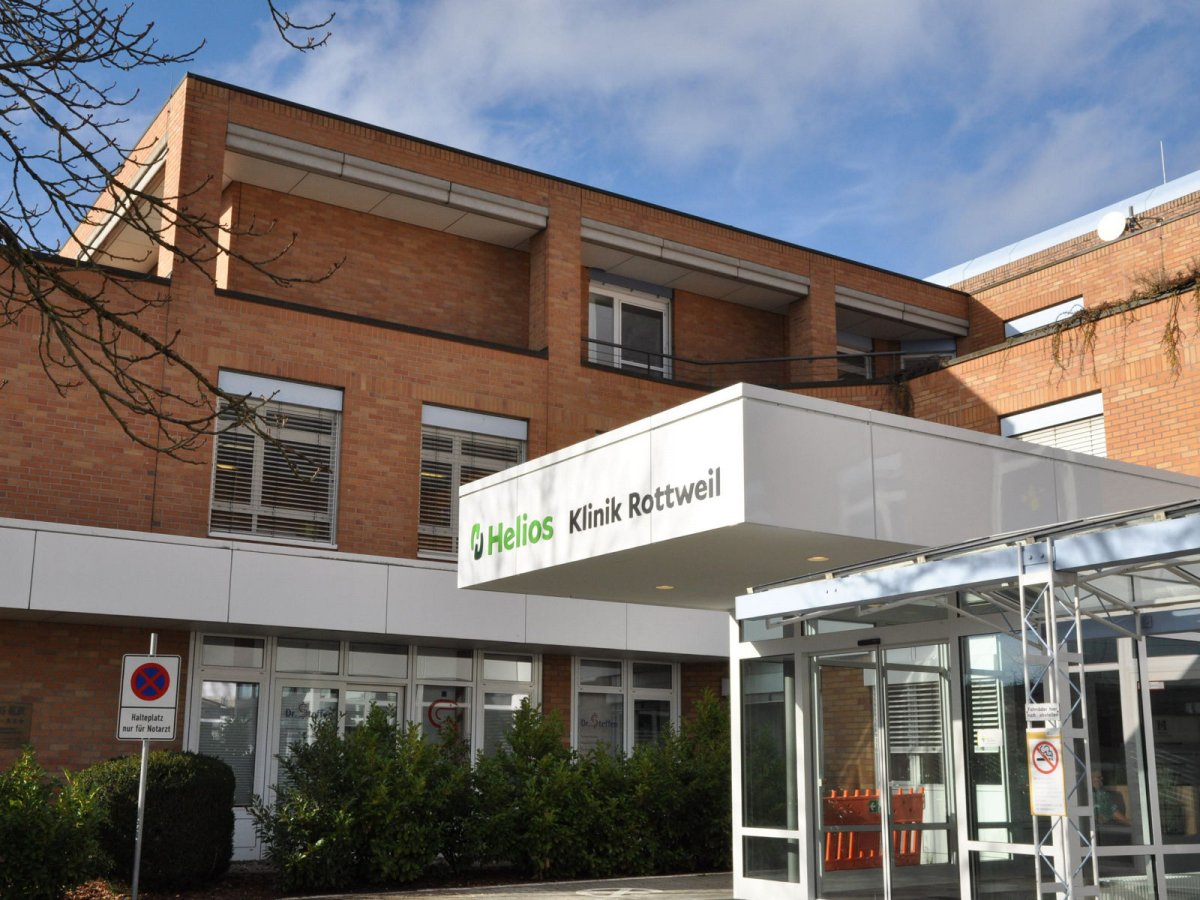
Descubra las mejores clínicas de Reparación laparoscópica de hernia inguinal en Alemania: 1 opciones verificadas y Precios

Descripción general de Reparación laparoscópica de hernia inguinal en Alemania
- Reparación de hernia umbilical - de $5,500La operación corrige un bulto cerca del ombligo, lo que reduce la incomodidad y previene complicaciones peligrosas.
- Resección de estómago - de $19,000El procedimiento consiste en extirpar parte del estómago para tratar afecciones como el cáncer, lo que brinda resultados potencialmente curativos.
- Amputación - de $25,000El procedimiento consiste en extirpar una parte del cuerpo para salvar vidas, aliviar el dolor o abordar el progreso de la enfermedad.
- Cirugía de hernia inguinal - de $7,300El procedimiento trata un bulto en el área de la ingle empujándolo hacia atrás y fortaleciendo la pared abdominal.
- Reparación de hernia de hiato - de $7,200El procedimiento repara las protuberancias del tejido abdominal a través del diafragma, mejorando la digestión y reduciendo las molestias.
- Colecistectomía - de $8,500La operación extirpa la vesícula biliar para tratar cálculos biliares, inflamación o cáncer con menos cicatrices y una recuperación más rápida.
- Cirugía - de $4,500El procedimiento consiste en corregir defectos corporales o enfermedades mediante operaciones manuales, generalmente bajo anestesia.
- Aterectomía - de $9,500El procedimiento elimina la placa en las arterias, mejora el flujo sanguíneo y reduce el riesgo de enfermedades cardíacas con una cirugía mínimamente invasiva.
- Depósito de Bookimed: 200 $ o 200 €.
- Depósito de la clínica: Pague un porcentaje fijo por adelantado.
Obtenga una evaluación médica para Reparación laparoscópica de hernia inguinal en Alemania: Elija su especialista entre los mejores en el campo
Ver todos los médicos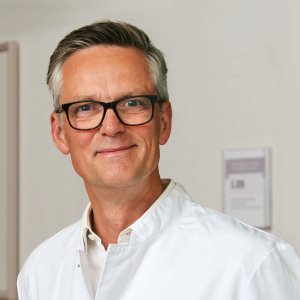
Wolfgang Schröder
Historias en video de pacientes de Bookimed
Compartir contenido
 Olena Sikoza
Preguntas frecuentes sobre Reparación laparoscópica de hernia inguinal en Alemania
¿Cuáles son los riesgos y complicaciones potenciales de la reparación laparoscópica de hernia inguinal?
La reparación laparoscópica de hernia inguinal es un procedimiento mínimamente invasivo seguro con bajas tasas de complicaciones. Los riesgos principales incluyen seromas, hematomas y dolor nervioso crónico. Las técnicas avanzadas como las reparaciones TAPP y la cirugía asistida por robot en hospitales universitarios alemanes minimizan aún más los riesgos de recurrencia y lesiones en el tejido circundante.
- Irritación nerviosa: El dolor crónico puede afectar la rama femoral o los nervios cutáneos laterales.
- Sensación de malla: Los pacientes pueden sentir una sensación de cuerpo extraño durante ejercicios de core o estiramientos.
- Lesión quirúrgica: Los riesgos raros incluyen obstrucción de la vejiga, vasos sanguíneos o intestino delgado debido a adherencias.
- Riesgo de recurrencia: Una cobertura inadecuada de la malla o problemas técnicos pueden requerir un procedimiento de reparación secundaria.
Perspectiva del experto de Bookimed: Los centros alemanes como el Helios University Hospital Wuppertal tratan a 150,000 pacientes anualmente utilizando una fijación especializada. Los datos muestran que el dolor crónico suele derivar de los métodos de fijación de la malla más que de la malla en sí. Optar por enfoques de fijación más suaves en lugar de grapas estándar puede reducir significativamente las molestias nerviosas a largo plazo.
¿Quién es un candidato adecuado para la reparación laparoscópica (TEP o TAPP) de hernia en Alemania?
Los candidatos adecuados para la reparación laparoscópica TEP o TAPP de hernia en Alemania incluyen pacientes con hernias bilaterales, casos recurrentes después de cirugía abierta y mujeres. Estas técnicas mínimamente invasivas implican pequeñas incisiones para asegurar una recuperación más rápida, reducción del dolor crónico y retorno temprano a la actividad física.
- Hernias bilaterales: Los cirujanos reparan ambos lados simultáneamente utilizando las mismas tres pequeñas incisiones.
- Casos recurrentes: La laparoscopia evita el tejido cicatricial existente de reparaciones abiertas previas de Lichtenstein.
- Pacientes mujeres: Estos métodos identifican y tratan mejor los riesgos comunes de hernia femoral.
- Estilos de vida activos: El riesgo reducido de hematomas ayuda a los pacientes más jóvenes a volver al trabajo más rápido.
- Salud general: Los candidatos deben estar lo suficientemente sanos para una anestesia general (Clase ASA I-III).
Perspectiva del experto de Bookimed: Los centros universitarios alemanes como el Helios University Hospital Wuppertal tratan a 150,000 pacientes anualmente. Este alto volumen permite que cirujanos como el Dr. Wolfgang Schröder mantengan una competencia excepcional en TEP y TAPP. Los datos muestran que los especialistas de alto volumen ofrecen mejores resultados que los cirujanos gen
¿En qué se diferencia la reparación de hernia laparoscópica de la cirugía abierta en términos de recuperación?
La reparación de hernia por laparoscopia ofrece una recuperación significativamente más rápida y un menor dolor posoperatorio que la cirugía abierta. Los pacientes suelen volver a realizar actividades ligeras en 8 días, en comparación con los 14 días de la reparación abierta. El enfoque mínimamente invasivo utiliza pequeñas incisiones, reduciendo el trauma tisular y la formación de cicatrices.
- Manejo del dolor: Los pacientes utilizan un 42 % menos de analgésicos en las primeras 48 horas que los pacientes de cirugía abierta.
- Regreso al trabajo: Los trabajadores de oficina a menudo regresan en 4–7 días, mientras que la cirugía abierta requiere 2–3 semanas.
- Estancia hospitalaria: La mayoría de las intervenciones laparoscópicas duran 1–2 días, mientras que la cirugía abierta a menudo requiere 2–4 días.
- Complicaciones de la herida: Las incisiones pequeñas de 0,5–1 cm conducen a tasas de infección más bajas a pesar de un riesgo menor de seroma.
Perspectiva del experto de Bookimed: Los hospitales universitarios alemanes como Helios Wuppertal utilizan departamentos de cirugía general avanzados para tratar a 150.000 pacientes al año. Nuestros datos muestran que los centros de alto volumen priorizan la laparoscopia para hernias bilaterales o recurrentes. Este enfoque trata ambos lados a través de las mismas incisiones diminutas, evitando traumas
¿Se utiliza malla sintética en la reparación laparoscópica de hernias y es segura?
La malla sintética es el material estándar y seguro para la reparación laparoscópica de hernias. Los organismos médicos y la FDA la clasifican como eficaz para reforzar las paredes abdominales. Reduce significativamente las tasas de recurrencia en comparación con las cirugías sin malla al permitir que el tejido crezca dentro de estructuras ligeras de polipropileno durante el proceso de curación.
- Baja recurrencia: La malla sintética proporciona un refuerzo duradero, superando a las alternativas biológicas y reduciendo la reaparición de la hernia.
- Materiales avanzados: Los cirujanos utilizan mallas de polipropileno macroporoso ligeras, como las opciones 3DMax o las autoajustables ProGrip.
- Colocación segura: Las técnicas laparoscópicas como TAPP/TEP aseguran que la malla permanezca detrás del peritoneo, protegiendo los órganos internos.
- Molestias minimizadas: Los métodos de fijación modernos, mediante pegamento médico o mallas autoajustables, ayudan a reducir la irritación nerviosa.
Perspectiva de expertos de Bookimed: Los hospitales universitarios alemanes como Helios Wuppertal aprovechan la gran experiencia de sus cirujanos, con más de 500 médicos gestionando 150,000 pacientes anualmente. Los datos sugieren que las clínicas con altos volúmenes quirúrgicos suelen hacer la transición hacia técnicas de fijación más ligeras. Estos métodos pr
¿Qué son las técnicas laparoscópicas TEP y TAPP, y cuál es la preferida?
TEP y TAPP son técnicas laparoscópicas mínimamente invasivas utilizadas para reparar hernias inguinales con malla. TEP se realiza fuera de la cavidad abdominal, mientras que TAPP implica ingresar al peritoneo. Ambas ofrecen resultados equivalentes, aunque a menudo se prefiere TAPP para casos complejos o por cirujanos en formación debido a una mejor visibilidad.
- Enfoque TEP: Opera en el espacio extraperitoneal, evitando el contacto con los órganos internos y los intestinos.
- Método TAPP: Accede al sitio a través del abdomen, proporcionando una visión más amplia de la anatomía.
- Requisito de habilidad: TEP es técnicamente exigente y a menudo requiere 250 procedimientos para alcanzar la maestría.
- Opciones asistidas por robot: Los nuevos enfoques TAPP asistidos por robot pueden reducir aún más el dolor posoperatorio y acelerar la recuperación.
Perspectiva del experto de Bookimed: Aunque TAPP es más común debido a la visibilidad, grandes centros universitarios como Helios Wuppertal tratan a 150,000 pacientes anualmente utilizando ambos métodos. Las clínicas alemanas utilizan cada vez más mallas autoadherentes avanzadas ProGrip para minimizar las suturas internas. Para las hernias bilaterales, ambas técnicas permiten a los cirujanos reparar ambos lados a través de las mismas incisiones diminutas.
Consenso de los pacientes:
¿Por qué Alemania se considera un destino principal para la reparación laparoscópica de hernias inguinales?
Alemania es un destino de primer nivel para la reparación laparoscópica de hernia inguinal debido a sus centros especializados de alto volumen y cirujanos viscerales certificados. Instalaciones como el Hospital Universitario Helios de Wuppertal utilizan técnicas TEP y TAPP, asegurando tasas de eficacia del 95%, un trauma tisular mínimo y tiempos de recuperación del paciente significativamente más rápidos.
- Certificación especializada: Los centros se someten a un estricto control por parte del Centro Alemán de Cirugía Visceral General.
- Enfoque mínimamente invasivo: Los cirujanos priorizan los enfoques laparoscópicos TEP/TAPP sobre los métodos robóticos para obtener mejores resultados.
- Alto volumen de procedimientos: Los hospitales académicos como Helios Wuppertal tratan a 150.000 pacientes anualmente con precisión experta.
- Tecnología de malla avanzada: Las clínicas utilizan materiales de alta calidad como ProGrip para reducir el riesgo de recurrencia.
Opinión del experto de Bookimed: Las clínicas alemanas ofrecen un valor superior para casos complejos en comparación con los EE. UU. Mientras que una reparación estándar en EE. UU. cuesta en promedio _price_compare_US_average_, los especialistas alemanes las realizan entre Precio a consultar y Precio a consultar. Esta diferencia de precio proporciona ahorros del _price_percent_discount_% m
¿Qué hospitales en Alemania tienen las calificaciones más altas en neurocirugía?
Alemania alberga algunos de los departamentos de neurocirugía más prestigiosos del mundo, liderados por la Charité – Universitätsmedizin Berlin y el Hospital Universitario de Heidelberg. Estos centros destacan en el tratamiento de tumores cerebrales complejos y enfermedades cerebrovasculares. Para maximizar la eficacia de sus procedimientos, utilizan tecnologías de vanguardia como la resonancia magnética intraoperatoria y la neuronavegación asistida por computadora.
- Charité Berlín: Realiza más de 5000 cirugías al año. La clínica está dirigida por el reconocido neurocirujano Dr. Peter Vaikoczy.
- Centro Médico Solingen: El Dr. Ralf Buhl ha realizado más de 4.000 cirugías, incluidas cirugías de columna mínimamente invasivas.
- Clínica Asklepios Nord: equipada con el único sistema de resonancia magnética intraoperatoria bilateral de Alemania para garantizar precisión quirúrgica en tiempo real durante la extirpación del tumor.
- Clínica Nordwest: reconocida por la revista Newsweek como un hospital líder por su innovación en tecnología de ultrasonido 3D.
Opinión experta de Bookimed: Los datos muestran que elegir centros con un alto volumen quirúrgico suele llevar a recomendaciones de tratamiento más conservadoras. En el Centro Médico Solingen, que atiende a más de 60.000 pacientes al año, los cirujanos suelen sugerir fisioterapia en lugar de cirugía
¿Cuáles son las tasas de éxito de los procedimientos neuroquirúrgicos complejos en Alemania?
En Alemania, los procedimientos neuroquirúrgicos de alta complejidad demuestran una seguridad excepcional. Las tasas de éxito en las fusiones espinales alcanzan el 99 %. La tasa de supervivencia en las resecciones de tumores cerebrales primarios es del 97 %. La independencia funcional es alta. Más del 82 % de los pacientes reciben el alta inmediatamente después del tratamiento. Los centros alemanes priorizan la preservación de la función neurológica mediante técnicas modernas de mapeo.
- Resección de tumores: los cirujanos logran una resección tumoral completa en el 87,2% de los casos de metástasis cerebrales.
- Éxito en el tratamiento de enfermedades vasculares: los hospitales alemanes informan de una tasa de supervivencia del 98,7% para aneurismas no rotos.
- Mejora del estado neurológico: casi el 43% de los pacientes experimentan una mejora de los parámetros funcionales después de resecciones complejas.
- Seguridad de las intervenciones quirúrgicas: En grandes centros quirúrgicos, las tasas de supervivencia de los pacientes después de la cirugía de columna son del 98-99%.
Opinión experta de Bookimed: Cirujanos experimentados como el Dr. Uwe Köhler, de la Clínica Asklepios Altona, realizan más de 2000 cirugías al año. Los datos muestran que estos especialistas mantienen tasas de éxito de hasta el 90 %, incluso en los tumores cerebrales más comp
¿Qué tecnologías avanzadas suelen estar disponibles en las clínicas neuroquirúrgicas alemanas?
Las clínicas neuroquirúrgicas alemanas incorporan regularmente instrumentos digitales de alta precisión y visualización en tiempo real a la práctica quirúrgica. Entre las tecnologías clave se encuentra la neuronavegación computarizada para cirugías de cerebro y médula espinal. Instituciones como la Clínica Asklepios Nord utilizan la resonancia magnética intraoperatoria para verificar la extirpación de tumores en tiempo real. Estos sistemas proporcionan a los cirujanos navegación GPS 3D.
- Neuronavegación: proporciona visualización 3D y seguimiento de instrumentos en tiempo real para lograr precisión quirúrgica hasta el nivel submilimétrico.
- Imágenes intraoperatorias: sistemas como iMRI y O-arm CT permiten la confirmación inmediata de una resección exitosa.
- Neuromonitorización: Monitorea las funciones motoras y sensoriales durante la cirugía para proteger el sistema nervioso.
- Diagnóstico de fluorescencia: se utiliza el colorante 5-ALA para resaltar los bordes del tumor para una eliminación más completa.
- Asistencia robótica: Sistemas como el Da Vinci mejoran la precisión en procedimientos complejos y mínimamente invasivos.
Opinión experta de Bookimed: Grandes centros como la Charité – Universitätsmedizin de Berlín realizan más de 4000 procedimientos neuroquirúrgicos al año, lo que crea un entorno rico en datos para p
¿Qué formación especializada reciben los neurocirujanos en ejercicio en Alemania?
En Alemania, los neurocirujanos deben completar una residencia especializada de seis años tras graduarse de la facultad de medicina. Este programa estructurado incluye cuidados intensivos, práctica clínica y una revista quirúrgica obligatoria. Posteriormente, los candidatos aprueban un examen estatal para obtener el título de residente (Facharzt für Neurochirurgie).
- Residencia clínica: requiere de 48 a 72 meses de práctica neuroquirúrgica especializada.
- Cuidados intensivos: incluye una pasantía obligatoria de 6 meses en una unidad de cuidados intensivos neuroquirúrgicos.
- Revista quirúrgica: los cirujanos documentan cientos de cirugías, incluidas craneotomías y cirugías de columna.
- Examen de licencia: Los solicitantes deben aprobar un examen médico oral y práctico administrado por el estado.
Opinión experta de Bookimed: La formación neuroquirúrgica alemana se centra en una amplia experiencia quirúrgica. Por ejemplo, el Dr. Ralf Buhl, del Centro Médico Solingen, ha realizado más de 4000 cirugías. El Dr. Jürgen Kiwit, del Hospital Meoklinik, cuenta con más de 25 años de experiencia. Este riguroso sistema garantiza que los especialistas de los principales centros aborden casos complejos con una precisión demostrada.
Comentarios de los pacientes: Los pacientes se sienten seguros al saber que sus médicos han recibido año