Ir a inicio

Cómo funciona

Hemos transformado el proceso de búsqueda de clínicas, haciéndolo simple, rápido y personalizado.
Responda algunas preguntasRealice un breve cuestionario para compartir sus objetivos de Reparación laparoscópica de hernia inguinal.
Obtenga ofertas personalizadas3 clínicas seleccionadas especialmente según sus respuestas le proporcionan planes de tratamiento personalizados y presupuestos.
Elija la mejor opciónCompare ofertas y elija la clínica que más le convenga.
También puede consultar las 2 clínicas a continuación.
820К+ pacientes han recibido asistencia desde 2014
50 países
1,500 clínicas
6K+ reseñas
3K+ médicos calificados

¿Cuál es el precio de Reparación laparoscópica de hernia inguinal en Corea del Sur? Descubra ahora

El precio promedio de Reparación laparoscópica de hernia inguinal en Corea del Sur es de $6,000, el precio mínimo es de $5,000, y el precio máximo es de $7,000.
Datos verificados por Bookimed a partir de August 2026, basados en solicitudes de pacientes y cotizaciones oficiales de 19 clínicas en todo el mundo. Los costos medianos se basan en facturas reales (2025–2026) y se actualizan mensualmente. Los precios reales pueden variar.

Descubra las mejores clínicas de Reparación laparoscópica de hernia inguinal en Corea del Sur: 2 opciones verificadas y Precios
El ranking de clínicas de Bookimed se basa en algoritmos de data science, ofreciendo una comparación confiable, transparente y objetiva. Tiene en cuenta la demanda de pacientes, las puntuaciones de reseñas (positivas y negativas), la frecuencia de actualización de opciones de tratamiento y precios, la rapidez de respuesta y las certificaciones de las clínicas.

Descripción general de Reparación laparoscópica de hernia inguinal en Corea del Sur

Conclusiones
Procedimientos relacionados y Precios
Cómo funciona
Ventajas
Pago
pacientes lo recomiendan -
85%
Solicitudes en curso - 7852
Comisiones de Bookimed - $0

Obtenga una evaluación médica para Reparación laparoscópica de hernia inguinal en Corea del Sur: Elija su especialista entre los mejores en el campo

Ver todos los médicos
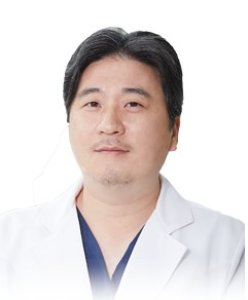
verificado

Park Sundo

26 años de experiencia

El Dr. Park Sundo es especialista en cirugía general y del aparato digestivo en el Hospital Naeun. Su experiencia abarca cirugía colorrectal, proctológica, mamaria, tiroidea, laparoscópica, biliar, pancreática y pediátrica.

Sus tratamientos clave incluyen cirugía proctológica, como la hemorroidectomía y el tratamiento de las hemorroides y la fístula anal. Realiza cirugía laparoscópica para cálculos biliares (colelitiasis) y apendicitis. Su atención oncológica abarca el cáncer gástrico y colorrectal. También realiza reparación de hernias. En mama y tiroides trata tumores y efectúa biopsia con Mammotome. Trata várices y quemaduras graves. La cirugía pediátrica incluye reparación de hernias y procedimientos pediátricos generales.

Historias en video de pacientes de Bookimed

Valentina
Viajar desde España a Estambul para una liposucción fue una experiencia que cambió mi vida.
Procedimiento: Liposucción
Randolph
Mantente fuerte, bien informado y nunca subestimes el poder de los tratamientos de vanguardia y un buen sistema de apoyo.
Procedimiento: Radioembolización para el cáncer de hígado
Reseña anónima • Lifting facial
Nueva Zelanda
2 jun 2026
Reseña verificada.
Un sitio estupendo
Un sitio estupendo. El personal es amable y servicial. El personal médico es profesional y rápido. El ambiente es agradable y el mobiliario, cómodo.

Compartir contenido

Actualizado: 06/02/2026
Escrito por
Olena Sikoza
Olena Sikoza
Сopywriter en español
Copywriter médica certificada responsable del contenido en español de Bookimed. Más de 7 años de experiencia en redacción sobre salud y turismo médico, con formación académica en edición científica y desarrollo de contenidos.
Fahad Mawlood
Editor médico y Científico de datos
Médico general. Ganador de 4 premios científicos. Sirvió en Asia Occidental. Es el ex jefe del equipo médico que soporta a pacientes de habla árabe. Ahora es responsable del procesamiento de datos y la precisión del contenido médico.
Fahad Mawlood Linkedin
Esta página puede incluir información relacionada con diversas afecciones médicas, tratamientos y servicios de salud disponibles en diferentes países. Tenga en cuenta que el contenido se proporciona sólo con fines informativos y no debe interpretarse como asesoramiento médico o orientación. Por favor consulte con su médico o con un profesional médico calificado antes de comenzar o cambiar el tratamiento médico.

Preguntas frecuentes sobre Reparación laparoscópica de hernia inguinal en Corea del Sur

Estas preguntas frecuentes provienen de pacientes reales que buscan atención médica a través de Bookimed. Las respuestas son proporcionadas por coordinadores médicos experimentados y representantes autorizados de las clínicas.

What is the recurrence rate for laparoscopic inguinal hernia repair in Republic of Korea?

Laparoscopic inguinal hernia repair in the Republic of Korea has a low recurrence rate. Nationwide data shows an overall recurrence rate of 5.5% for all techniques. Specialist laparoscopic TEP cases often reach 0.7%. Paediatric repairs show a minimal recurrence rate of 0.2%.

  • Nationwide average: Overall hernia recurrence across all surgical techniques is roughly 5.5%.
  • Technique specific: Minimal recurrence of 0.7% achieved in targeted laparoscopic TEP adult cases.
  • Paediatric safety: Children undergoing laparoscopic repair show exceptionally low recurrence rates of 0.2%.
  • Surgical volume: NAEUN Hospital in Incheon treats 500,000 patients annually across 27 departments.

Bookimed Expert Insight: Surgeon experience is the primary factor limiting recurrence in Korea. Data shows laparoscopic adoption jumped from 3% to 79% for complex cases. Doctors like Dr Park Sundo at NAEUN Hospital perform thousands of procedures annually. This high volume directly contributes to the lower recurrence rates seen in Korean surgical centres.

Patient Consensus: Patients find the 1% to 2% long-term recurrence rate in Korea provides significant peace of mind. Most note that early post-op swelling often resolves naturally without needing further surgery.

When is laparoscopic inguinal hernia repair in Republic of Korea preferred over open surgery?

Laparoscopic inguinal hernia repair in Republic of Korea is preferred for bilateral cases and recurrent hernias. It is also preferred for active patients who want a fast recovery. Specialists use small incisions to reduce post-operative discomfort. This approach lets surgeons like Dr Park Sundo at NAEUN HOSPITAL assess both groins at once. It avoids large abdominal cuts.

  • Bilateral hernias: Repairs both sides through three small ports in a single operation.
  • Recurrent cases: Accesses the hernia from behind, avoiding previous surgical scar tissue.
  • Recovery speed: Patients typically return to normal daily routines 7 days sooner.
  • Paediatric benefits: Reduces the risk of future hernias on the opposite side in children.

Bookimed Expert Insight: Laparoscopic repair is standard. However, some Korean surgeons specialise in non-mesh tissue repairs. They also use TEP and TAPP techniques. With NAEUN HOSPITAL serving 500,000 patients annually, high-volume centres provide significant experience. Patients should always ask which technique is used. This makes sure the mesh stays clear of the spermatic cord.

Patient Consensus: Patients in Republic of Korea find the early recovery much easier with less pain. They suggest preparing for temporary gas discomfort for two days after the laparoscopic procedure.

What are the TAPP and TEP techniques for laparoscopic inguinal hernia repair in Republic of Korea?

Surgeons in Republic of Korea perform laparoscopic inguinal hernia repair using TAPP and TEP techniques. These are often integrated with robotic-assisted technology. TAPP accesses the hernia through the abdominal cavity. TEP works entirely outside the peritoneum. This minimises the risk of internal adhesions.

  • TAPP procedure: Surgeons enter the peritoneal cavity to place mesh over the hernia defect.
  • TEP procedure: Specialists create a working space above the peritoneum through a navel incision.
  • LA-TAPP modification: Advanced articulating instruments like Artisential allow bilateral repairs through left-side only trocars.
  • Fixation methods: Fibrin glue is frequently used instead of tacks to reduce post-operative pain.

Bookimed Expert Insight: While TAPP and TEP are standard, Korean clinics like NAEUN HOSPITAL provide niche alternatives like non-mesh tissue reconstruction. Data shows these custom repairs appeal to patients avoiding foreign materials. Confirming the technique upfront is vital as costs range from $5,000 to $7,000.

Patient Consensus: Recovery in Korea often feels like it comes in waves. Peak discomfort occurs during days 2–4. Many found long-acting bupivacaine injections helpful for early numbness. Patients suggest trusting the surgeon’s preferred technique over choosing the acronym themselves.

Is robotic laparoscopic inguinal hernia repair available in Republic of Korea?

Robotic-assisted laparoscopic inguinal hernia repair is widely available. Major surgical centres across the Republic of Korea offer it. Specialists use systems like the da Vinci Xi. This approach provides 3D visualisation and wristed instruments. It allows precise R-TAPP reconstructions in complex cases.

  • Robotic availability: High-volume hospitals in Incheon and Seoul offer robotic-assisted transabdominal preperitoneal repairs.
  • Technology: Surgeons use da Vinci Xi systems for enhanced dexterity during mesh placement.
  • Clinical performance: Major centres like NAEUN HOSPITAL treat 500,000 patients annually across 27 specialised departments.
  • Specialist expertise: Experts like Dr Park Sundo specialise in laparoscopic and oncologic general surgery.

Bookimed Expert Insight: Korea stands out because clinics often provide both robotic mesh repairs and specialised tissue-only techniques. While robots assist with complex anatomy, surgeon volume remains the primary success indicator. Leading Korean clinics often staff 90+ doctors to maintain high-frequency robotic theatre sessions.

Patient Consensus: Recovery after robotic repairs in Korea is smooth. Many find the 3D vision helps surgeons work precisely. Patients suggest asking for a surgeon's annual hernia volume before booking. Confirming mesh preferences early helps the chosen surgical approach match personal recovery goals.

How long is the recovery time after laparoscopic inguinal hernia repair in Republic of Korea?

Patients typically return to light activities and desk work within 7 to 14 days. This recovery timeline applies after laparoscopic inguinal hernia repair in Korea. Most individuals achieve full functional recovery by 4 to 6 weeks. Specialists use minimally invasive keyhole techniques to reduce tissue trauma and speed up hospital discharge.

  • Immediate mobility: Walking is encouraged within hours to prevent blood clots and aid bowel function.
  • Hospital stay: Most patients are discharged within 24 hours at facilities like NAEUN Hospital.
  • Work timeline: Office-based roles resume in 4–10 days if pain is managed with mild analgesics.
  • Physical limits: Weight lifting over 10kg is usually restricted for at least 4–6 weeks.
  • Complete healing: Internal tissue repair continues for months after surface incisions have fully healed.

Bookimed Expert Insight: Korean surgical hubs like NAEUN Hospital serve 500,000+ patients annually across 27 specialised departments. This high patient volume often leads to streamlined recovery tracks. Specialist surgeons such as Dr Park Sundo use laparoscopic techniques to achieve faster discharge than traditional open surgery.

Patient Consensus: The first 3 days are often the most uncomfortable before significant improvement occurs. Patients in Korea report feeling substantially more mobile after 1 week. They also report comfortably driving again within 4 days.

What are the common side effects of laparoscopic inguinal hernia repair in Republic of Korea?

Laparoscopic inguinal hernia repair in Republic of Korea typically involves minor side effects. These include fluid collection (seroma), temporary bruising, and shoulder pain from CO2 gas. Studies in Korean centres show low recurrence rates of 0.2%. Chronic pain occurs in under 4.6% of cases.

  • Gas pain: CO2 used during surgery causes bloating and referred pain in the shoulders.
  • Seroma and swelling: Fluid collection occurs in 14–16% of TEP and TAPP approach cases.
  • Urinary retention: Difficulty passing urine is more frequent in elderly patients with pre-existing conditions.
  • Groin discomfort: Temporary bruising or swelling of the scrotum typically resolves within weeks.

Bookimed Expert Insight: Korea’s large-scale hospitals, like Naeun Hospital, often favour the Totally Extraperitoneal (TEP) technique. Naeun Hospital serves 500,000 patients annually. Data indicates TEP reduces surgical time and post-operative pain compared to other methods. This helps patients mobilise faster after their procedure.

Patient Consensus: Bloating and trapped gas pain in the shoulders often feel more noticeable than groin soreness. Most patients find that scrotal swelling and bladder sluggishness clear up quickly with light walking.

What is laparoscopic inguinal hernia repair in Republic of Korea?

Laparoscopic inguinal hernia repair in the Republic of Korea is a minimally invasive surgery. It uses small incisions and a camera. Over 40% of adult groin hernia operations there now use this approach. Specialists like Dr Park Sundo at NAEUN HOSPITAL perform these repairs for faster recovery.

  • Specialised techniques: Surgeons use Transabdominal Preperitoneal (TAPP) or Totally Extraperitoneal (TEP) methods with mesh.
  • Clinical volume: Centres like NAEUN HOSPITAL treat 500,000 patients annually across 27 departments.
  • Recovery timeline: Most patients return to light activity within 1 week after laparoscopic surgery.
  • Lifting restrictions: Specialists recommend avoiding heavy lifting for 6 weeks so the repair heals.

Bookimed Expert Insight: Laparoscopic repair is standard in Incheon and Seoul. However, some Korean clinics also specialise in high-precision non-mesh open repairs. Patients should confirm if their surgeon recommends a mesh-based laparoscopic approach or a suture-only technique. Recovery times for each differ slightly.

Patient Consensus: Recovery in the Republic of Korea is usually smooth. Patients suggest preparing ice packs and managing constipation for the first 3 days. Most feel fully healed after 3 months. Restraint during exercise is vital for the first few weeks.

Pedir una consulta gratis

Seleccione la mejor manera de contactarle