Lumpectomía en Alemania — obtén 3 clínicas con costos


Revisado médicamente por
Fahad Mawlood
¿Cuál es el precio de Lumpectomía en Alemania? Descubra ahora
De $8,000. Los precios varían según el hospital, la experiencia del cirujano, la complejidad del tumor y si se utilizan técnicas avanzadas como la imagen intraoperatoria o la biopsia del ganglio centinela. UU.
Los hospitales alemanes generalmente incluyen en el precio las consultas preoperatorias, las imágenes (mamografía, ecografía), el procedimiento quirúrgico, la anestesia, la estancia hospitalaria, la patología y las visitas de seguimiento iniciales. En EE. UU., el precio indicado suele cubrir solo la cirugía, y las imágenes, la anestesia, la patología y el seguimiento se facturan por separado. Siempre confirmar exactamente qué está incluido con la clínica elegida.
Beneficios clave
¿Por qué eligen los pacientes Alemania para una tumorectomía?
- Clínicas acreditadas: Las clínicas alemanas son conocidas por brindar atención de calidad. A menudo cuentan con certificaciones de KTQ, lo que garantiza que cumplen con altos estándares médicos.
- Últimas tecnologías: Técnicas como la radioterapia intraoperatoria (IORT) y dispositivos como el sistema MarginProbe mejoran la precisión y los resultados en los procedimientos de tumorectomía.
- Altas tasas de éxito: Los procedimientos de tumorectomía en Alemania tienen una notable eficacia del 90% en pacientes con cáncer de mama en etapa temprana. También presentan bajas tasas de recurrencia.
- Cirujanos expertos: Alemania alberga a cirujanos líderes reconocidos por su experiencia en cirugía mamaria mínimamente invasiva. Muchos de ellos han realizado más de 500 tumorectomías y poseen certificaciones prestigiosas.
Acceda a soluciones avanzadas de tumorectomía en clínicas de confianza de $8,000.
| Alemania | España | Turquía | |
|---|---|---|---|
| Lumpectomía | de $8,000 | de $13,400 | de $3,600 |
Sus beneficios y garantías con Bookimed
Precios directos
Bookimed no añade cargos adicionales a los precios de Lumpectomía. Las tarifas proceden de las listas de precios oficiales de las clínicas. Pagará directamente en la clínica por su Lumpectomía a su llegada al país.
Sólo clínicas y médicos verificados
Bookimed está comprometido con su seguridad. Solo trabajamos con las clínicas que mantienen altos estándares internacionales en Lumpectomía y tienen las licencias necesarias para atender a pacientes internacionales en todo el mundo.
Asistencia 24/7 gratuita
Bookimed ofrece asistencia experta gratuita. Un coordinador médico personal le apoya antes, durante y después del tratamiento, resolviendo cualquier problema. Nunca estará solo en su viaje médico de Lumpectomía.

Su coordinador médico personal de Bookimed
- Le apoya en cada etapa
- Ayuda a elegir la clínica y el médico adecuados
- Asegura un acceso rápido y conveniente a la información
Descubra las mejores clínicas de Lumpectomía en Alemania: 7 opciones verificadas y Precios







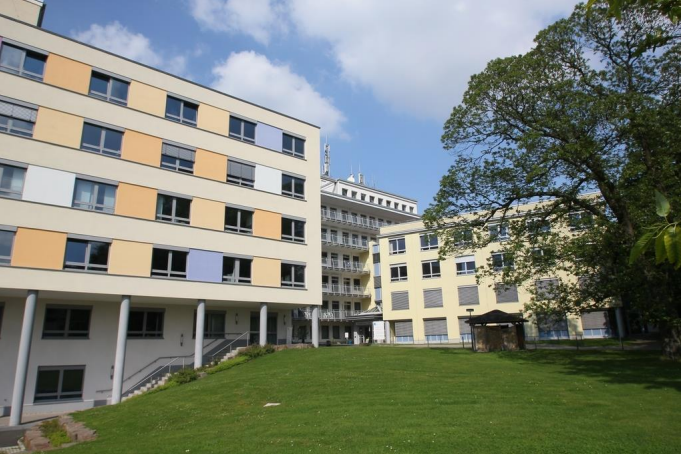
Bethanien Clinic



Descripción general de Lumpectomía en Alemania
- Mastectomía - de $9,000El procedimiento elimina todo o parte de un seno para tratar o prevenir el cáncer de seno, lo que mejora la supervivencia del paciente.
- Cirugía de cáncer de mama - de $8,000Esta operación elimina los tejidos cancerosos del seno, lo que ayuda a detener el crecimiento de la enfermedad y ayuda al tratamiento general.
- Lumpectomía - de $8,000El procedimiento elimina solo el tejido mamario canceroso, preservando la parte sana restante, lo que garantiza una recuperación más rápida.
Día 1: Llegada
- Traslado al hospital desde el aeropuerto.
- Regístrese en su sala de dos camas.
- Consulta inicial con su cirujano.
Día 2: Preoperatorio
- Consulta con un anestesiólogo.
- Someterse a las pruebas médicas necesarias.
- Finalizar los detalles del procedimiento de lumpectomía.
Día 3: Lumpectomía
- Ayuno desde la medianoche anterior a la cirugía.
- Administracion de anestesia general.
- El procedimiento de lumpectomía, por lo general, dura de 1 a 2 horas.
- Recuperación de la anestesia en una sala de postoperatorio.
Día 4-7: Postoperatorio
- Seguimiento de signos vitales y proceso de cicatrización.
- Manejo del dolor con medicación según sea necesario.
- Alta del hospital, generalmente dentro de una semana después de la cirugía.
Semana 1-4: Rehabilitación
- Citas de seguimiento con el cirujano.
- Regreso gradual a las actividades diarias.
- Abstenerse de la actividad física extenuante.
- Resultado final visible a fin de mes.
Tenga en cuenta que el cronograma de recuperación de cada paciente puede variar según las circunstancias individuales y la salud general.
- Depósito de Bookimed: 200 $ o 200 €.
- Depósito de la clínica: Pague un porcentaje fijo por adelantado.
Como plataforma líder mundial de turismo médico, Bookimed tiene una gran responsabilidad ante sus clientes, incluidos pacientes y centros médicos en Alemania. Toda la información proporcionada en Bookimed.com se basa en la investigación, la previsión y la experiencia y cumple con un alto interés relacionado con el producto y sigue:
Sistema inteligente de clasificación automática
Formamos nuestros listados de clínicas y médicos en Alemania con estrictas regulaciones de nuestro sistema inteligente de clasificación automática. El sistema se basa en tarifas de pacientes reales de Bookimed para proporcionar la información más objetiva y transparente sobre las clínicas y los servicios médicos allí.
Nuestro experimentado científico de datos en Alemania recopila datos diariamente, monitorea y optimiza el sistema de clasificación utilizando aprendizaje automático e inteligencia artificial para garantizar que el sistema de clasificación esté actualizado y brinde resultados precisos.
Solo la experiencia de personas reales
Recopilamos las opiniones de los clientes de Bookimed en Alemania solo después de obtener experiencia médica con la clínica, para que todos en la plataforma puedan confiar en el centro que elijan. Nos esforzamos por hacer que el contenido de nuestra plataforma sea lo más útil posible y garantizamos la libertad de expresar opiniones críticas. Así, publicamos críticas positivas y negativas, con el objetivo de ser una fuente para la toma de decisiones informadas para nuestros futuros clientes.
Temas con altos niveles de experiencia, autoridad y confiabilidad
En Bookimed.com en Alemania, puede encontrar opciones y conveniencia para encontrar las mejores soluciones médicas de los principales proveedores de servicios médicos en un solo lugar y, a menudo, a precios competitivos. Asegurándose de brindar la información más actualizada, los representantes de la clínica actualizan los CV de los médicos, las capacidades de las clínicas, las fotos de antes y después, los precios, los paquetes y las ofertas especiales en breve. Puede reunirse con el representante de la clínica y verificar la fecha del contenido actualizado en la página de cada clínica para asegurarse de su confiabilidad.
Nuestro blog y artículos de apoyo en Alemania son creados por autores profesionales con al menos 3 años de experiencia en redacción médica y editados por especialistas médicos con experiencia clínica y de investigación relevante, todos reclutados cuidadosamente para el equipo. Nos esforzamos por mejorar el acceso de los pacientes a la información de salud, haciéndola experta pero fácil de entender. Todas las piezas siguen las Directrices Editoriales de Bookimed.
Valores reservados
Estamos hechos de personas y para personas, y ese es nuestro valor fundamental. Es por eso que todos los datos presentados en la plataforma son recopilados, editados, revisados y actualizados regularmente por nuestros pacientes, nuestras clínicas asociadas y nuestro equipo, incluido el Consejo Asesor Médico de Bookimed, que consta de médicos de renombre mundial en Alemania con valor. Experiencia de más de 20 años de práctica y una reputación positiva. Conozca más sobre nosotros y nuestra misión .
En caso de que encuentre algún error o tenga alguna pregunta sobre la información presentada en Bookimed.com en Alemania, no dude en contactarnos en marketing@bookimed.com .
Obtenga una evaluación médica de Lumpectomía en Alemania: haga una consulta con 7 médicos experimentados ahora
Ver todos los médicos
Manuela Seifert
La Dra. Manuela Seifert dirige el Centro de Cáncer de Mama en la Clínica Solingen, especializándose en lumpectomías conservadoras de mama con más de _doctor_1132_ años de experiencia.
- Experta en técnicas de conservación mamaria para resultados estéticos óptimos
- Combina precisión quirúrgica con habilidades de reconstrucción plástica
- Jefa del Centro de Cáncer de Mama en la Clínica Solingen
- Proporciona atención integral que incluye apoyo psicológico

Séverine Iborra
La Dra. Séverine Iborra dirige el Departamento de Ginecología y Obstetricia del Städtisches Klinikum Solingen con un enfoque en oncología mamaria.
- Especializada en oncología ginecológica con certificaciones en diagnóstico oncológico
- Experta en técnicas mínimamente invasivas, incluyendo laparoscopia y el sistema robótico da Vinci
- Miembro activo de las principales sociedades ginecológicas alemanas
- Investigadora publicada en oncología molecular con presentaciones en congresos

Peter Schenker
Cirujano jefe en el Hospital Académico de Solingen – introdujo métodos quirúrgicos modernos y mejoró la recuperación postoperatoria.
- Especializado en cirugía mínimamente invasiva y oncológica
- Coordinador del Centro de Cáncer de Páncreas (Oncocert)
- Cirujano jefe del primer centro certificado de cáncer colorrectal en Alemania
- Investigador y conferenciante activo en técnicas quirúrgicas
Wolfgang Schröder
Historias en video de pacientes de Bookimed
Reseñas
Todas las reseñasCompartir contenido
 Olena Sikoza
Datos сlave sobre Lumpectomía

Tumorectomía
La cirugía conservadora de la mama consiste en extirpar un tumor mamario y un pequeño margen de tejido circundante para tratar el cáncer de mama.
Preguntas frecuentes sobre Lumpectomía en Alemania
¿Se incluyen técnicas de reconstrucción o cosméticas en el procedimiento de tumorectomía?
La tumorectomía estándar se centra en la extirpación del tumor y los márgenes limpios en lugar de la apariencia. Sin embargo, la tumorectomía oncoplástica integra técnicas cosméticas para preservar la forma del seno. Centros alemanes como el Medical Center en Solingen utilizan métodos de conservación mamaria donde cirujanos certificados como la Dra. Manuela Seifert combinan la oncología con la cirugía plástica electiva en un solo procedimiento.
- Cirugía oncoplástica: Combina la extirpación del tumor con la reorganización inmediata del tejido para evitar hendiduras o defectos visibles.
- Integración de nivel 1: Los cirujanos desplazan el tejido mamario local para rellenar los espacios vacíos durante la cirugía primaria de cáncer.
- Reducción de nivel 2: La extirpación de tumores más grandes se combina con una reducción o levantamiento de senos para un contorno óptimo.
- Ajuste de simetría: Los cirujanos pueden realizar una reducción en el seno sano para asegurar una apariencia equilibrada.
Perspectiva de expertos de Bookimed: Los centros alemanes de cáncer de mama a menudo cuentan con jefes con doble especialización que son tanto ginecólogos como cirujanos plásticos. Por ejemplo, el Dr. Mahdi Rezai en el Hospital Universitario de Düsseldorf ha tratado a más de 21,000 pacientes utilizando técnicas mínimamente invasivas de conservación mamaria. E
¿Cuáles son las tasas de éxito y supervivencia de las tumorectomías en Alemania?
Las tasas de éxito de las tumorectomías en Alemania son excepcionales, con una supervivencia a 5 años que alcanza del 95% al 97% en el cáncer de mama en estadio temprano. Las clínicas alemanas mantienen estos altos estándares mediante radioterapia postoperatoria obligatoria y atención multidisciplinaria en centros de mama especializados certificados por la Sociedad Alemana del Cáncer.
- Supervivencia general: La tasa de supervivencia a 10 años para tumores localizados oscila entre el 83% y el 90%.
- Éxito quirúrgico: Los cirujanos priorizan márgenes quirúrgicos limpios para minimizar el riesgo de recurrencia local del 5%.
- Infraestructura clínica: Centros como el Medical Center Solingen utilizan mamografía 3D para una escisión precisa del tumor.
- Experiencia especializada: Los centros de primer nivel ofrecen cirugía plástica integrada para la reconstrucción estética después de la extirpación del tumor.
Perspectiva del experto de Bookimed: Las tasas de supervivencia alemanas se mantienen altas porque el tratamiento se realiza en centros certificados dirigidos por expertos con gran volumen de casos. El Dr. Mahdi Rezai, del Hospital Universitario de Düsseldorf, ha tratado a más de 21.000 pacientes. Esta enorme experiencia garantiza una limpieza precisa de los márgenes en el primer intento, que es el factor más crítico para el éxito a largo plazo
¿Cuál es la duración típica de la estancia y cuánto tiempo deben planear permanecer en Alemania los pacientes internacionales?
Una tumorectomía típica en Alemania requiere una estancia hospitalaria de una noche o de 1 a 2 noches para su seguimiento. Los pacientes internacionales deben planear permanecer en Alemania de 7 a 10 días para asistir a las revisiones de heridas y obtener el certificado de aptitud para volar (Fit to Fly) necesario antes de regresar a casa.
- Estancia hospitalaria: La mayoría de las cirugías de conservación mamaria requieren solo 1 o 2 noches para una observación postoperatoria profesional.
- Movilidad: Los pacientes suelen estar móviles dentro de las 24 a 48 horas posteriores a una tumorectomía mínimamente invasiva.
- Seguimiento: Se requiere al menos una revisión esencial antes del alta médica en Alemania.
- Viajes internacionales: Planifique un margen de 3 días después del alta hospitalaria antes de reservar vuelos de larga distancia.
Opinión de expertos de Bookimed: Los centros oncológicos alemanes como el Centro Médico de Solingen o el Hospital Universitario de Düsseldorf favorecen las técnicas de conservación mamaria. El Dr. Mahdi Rezai ha realizado más de 21.000 procedimientos, enfatizando que los centros especializados priorizan una recuperación rápida. Alojarse cerca de Frankfurt o Düsseldorf garantiza un fácil acceso a los principales centros de conexión para vuelos internacionales después de recibir el alta.
Consenso de
¿Cuál es el enfoque estándar para las tumorectomías en las clínicas alemanas?
La tumorectomía estándar en Alemania sigue las guías de práctica S3 basadas en evidencia para priorizar la terapia de conservación mamaria a través de comités de tumores multidisciplinarios. Clínicas como el Medical Center en Solingen y la Clínica Nordwest utilizan una localización precisa sin cables y reconstrucción oncoplástica para garantizar márgenes negativos mientras mantienen la estética natural del seno dentro de centros oncológicos certificados.
- Revisión del comité de tumores: La colaboración interdisciplinaria obligatoria confirma la elegibilidad para la cirugía en cada caso de paciente.
- Precisión de los márgenes: Los protocolos requieren una resección R0, lo que significa que ninguna célula cancerosa toca los bordes del tejido.
- Estadificación axilar: La biopsia del ganglio centinela es estándar para minimizar los riesgos de linfedema.
- Reconstrucción integrada: Las técnicas oncoplásticas se realizan durante la cirugía inicial para lograr simetría.
Perspectiva del experto de Bookimed: El enfoque alemán se distingue por sus centros de mama especializados certificados por la Sociedad Alemana del Cáncer (DKG). Cirujanos altamente experimentados, como el Dr. Mahdi Rezai en el Hospital Universitario de Düsseldorf, quien ha tratado a más de 21.000 pacientes, operan dentro de un sistema donde la radiación es casi siempre obligatoria d
¿Cuáles son los tiempos de espera típicos para una tumorectomía en Alemania?
Los tiempos de espera típicos para una tumorectomía en Alemania oscilan entre 28 y 36 días después de un diagnóstico confirmado de cáncer de mama. El sistema de salud alemán prioriza los casos oncológicos, asegurando que la mayoría de las pacientes se sometan a una cirugía de conservación de mama en un plazo de 4 a 5 semanas para cumplir con las directrices internacionales de seguridad para el tratamiento del cáncer.
- Cronología del diagnóstico: El proceso desde el cribado hasta la biopsia suele llevar 14 días, con resultados en 7 días.
- Estrategia de priorización: Los centros oncológicos priorizan la cirugía de conservación de mama por ser sensible al tiempo, minimizando los retrasos administrativos no médicos.
- Impacto del seguro: Los pacientes privados o que pagan por cuenta propia suelen obtener citas de consulta e imagenología 1 o 2 semanas más rápido.
- Influencia de la terapia: Los tratamientos neoadyuvantes como la quimioterapia posponen intencionalmente las fechas de cirugía por varios meses.
Perspectiva del experto de Bookimed: La espera para la cirugía rara vez es el cuello de botella; más bien, el tiempo dedicado a recopilar los resultados de la biopsia y los escaneos preoperatorios define el cronograma. Para acelerar el proceso, elija un centro integral como el Medical Center en Solingen o el Hospital Universitario de Düsseldorf
¿Se requerirán tratamientos adicionales después de la tumorectomía?
Los tratamientos postoperatorios son estándar después de una tumorectomía para eliminar las células cancerosas microscópicas restantes. La mayoría de los pacientes requieren radioterapia, mientras que la terapia hormonal, la quimioterapia o los tratamientos dirigidos dependen de los resultados de la patología y las recomendaciones del Tumorboard en instalaciones certificadas por la Sociedad Alemana del Cáncer, como el Medical Center Solingen.
- Radioterapia: El seguimiento estándar comienza de 4 a 12 semanas después de la cirugía para garantizar el control local.
- Revisión patológica: Los Tumorboards analizan los márgenes, el estado de los receptores y las proteínas HER2 para adaptar la terapia.
- Tratamientos sistémicos: La terapia hormonal o la quimioterapia se prescriben para etapas o tipos de cáncer específicos.
- Seguimiento quirúrgico: Aproximadamente el 20% de los pacientes requieren una re-escisión si la patología muestra márgenes positivos.
Perspectiva del experto de Bookimed: Las clínicas alemanas como el Hospital Universitario de Düsseldorf utilizan Tumorboards multidisciplinarios donde especialistas, incluido el Dr. Mahdi Rezai, revisan cada caso. Este enfoque colectivo es la razón por la cual los centros oncológicos alemanes mantienen altas tasas de éxito. Los pacientes deben tener en cuenta que cirujanos de primer nivel como la D
¿Qué tecnologías avanzadas se utilizan durante una tumorectomía en Alemania?
La tumorectomía avanzada en Alemania utiliza herramientas de evaluación de márgenes en tiempo real y localización inalámbrica para garantizar márgenes libres de tumor mientras se preserva la estética mamaria. Los centros de mama alemanes priorizan las técnicas de conservación mamaria utilizando radioterapia intraoperatoria (IORT) y bisturíes armónicos para reducir el daño tisular y prevenir cirugías secundarias.
- Evaluación de márgenes: La espectroscopia de radiofrecuencia y la microscopía láser confocal analizan los bordes del tejido dentro del quirófano.
- Localización inalámbrica: Los marcadores magnéticos o clips RFID reemplazan los cables tradicionales para un mapeo preciso del tumor.
- Radiación intraoperatoria: El sistema Zeiss INTRABEAM administra radiación dirigida inmediatamente después de la extirpación del tumor.
- Reconstrucción estética: Los cirujanos utilizan técnicas oncoplásticas y sistemas robóticos para mantener la forma natural del seno.
Perspectiva del experto de Bookimed: Los Centros de Cáncer de Mama alemanes certificados por la Sociedad Alemana del Cáncer ofrecen una ventaja distintiva a través de su experiencia basada en el volumen. Por ejemplo, el Dr. Mahdi Rezai en el Hospital Universitario de Düsseldorf ha tratado a más de 21,000 pacientes. Este alto volumen permite a estos centros integrar tecnologías especializada
¿Se extirpan siempre los ganglios linfáticos durante el procedimiento?
Los ganglios linfáticos no siempre se extirpan durante una tumorectomía en Alemania. Los centros de mama alemanes priorizan la terapia de conservación de mama y la estadificación selectiva. Los cirujanos realizan con frecuencia una biopsia del ganglio centinela, extirpando de 1 a 3 ganglios solo si es necesario para la estadificación, en lugar de una disección axilar completa.
- Extirpación selectiva: Los cirujanos utilizan la biopsia del ganglio centinela para estadificar los casos de cáncer de mama en etapa temprana.
- Criterios de diagnóstico: La mamografía 3D preoperatoria y la ecografía determinan si es necesaria la extirpación de ganglios.
- Enfoque conservador: La disección completa se reserva para casos confirmados de propagación del cáncer a los ganglios regionales.
- Atención especializada: Los centros certificados por la Sociedad Alemana del Cáncer priorizan la preservación del sistema linfático.
Perspectiva de expertos de Bookimed: Los hospitales universitarios alemanes, como los de Düsseldorf y Wuppertal, combinan con frecuencia la tumorectomía con pruebas de ganglios intraoperatorias. Esto permite a cirujanos como el Dr. Mahdi Rezai, quien ha tratado a 21.000 pacientes, determinar inmediatamente si es necesaria una mayor extirpación. Esta práctica a menudo evita una segunda cirugía mientras asegura la vía de tratamiento más conser
¿Cuánto dura la estancia hospitalaria y el tiempo de recuperación?
La recuperación de una tumorectomía en Alemania generalmente implica el alta el mismo día o una breve estancia hospitalaria de 1 a 2 noches para observación. La mayoría de los pacientes retoman actividades ligeras y trabajo de oficina en un plazo de 3 a 7 días, mientras que la recuperación física completa suele ocurrir en 1 a 3 semanas, dependiendo de si se realizó una extirpación adicional de ganglios linfáticos.
- Estancia hospitalaria: A menudo se realiza como cirugía ambulatoria con alta el mismo día o 1 noche de hospitalización.
- Recuperación inicial: Las primeras 48 a 72 horas implican fatiga, aturdimiento y dolor localizado en el hombro o el brazo.
- Restricciones de actividad: Los pacientes deben evitar levantar objetos pesados y realizar ejercicio vigoroso durante 1 a 3 semanas.
- Curación a largo plazo: La cicatrización completa de los tejidos y los ciclos de radiación pueden extender el cronograma durante varios meses.
Perspectiva de expertos de Bookimed: Clínicas alemanas como el Hospital Universitario de Düsseldorf y el Centro Médico de Solingen enfatizan técnicas de conservación mamaria que evitan largas hospitalizaciones. Los datos muestran que cirujanos como el Dr. Mahdi Rezai han realizado más de 21,000 procedimientos, centrándose en métodos mínimamente invasivos. Este alto volumen a menudo resulta en protocolos de recuperació
¿Cómo pueden los pacientes asegurarse de elegir una clínica de primer nivel en Alemania?
Para identificar clínicas alemanas de primer nivel, los pacientes deben verificar las certificaciones específicas de las instalaciones otorgadas por la Sociedad Alemana del Cáncer (DKG) y revisar los volúmenes anuales de procedimientos a través de informes de calidad oficiales. Priorice los hospitales universitarios o los centros especializados en mama que utilicen comités de tumores multidisciplinarios y cuenten con acreditación internacional ISO 9001 o KTQ.
- Verificación de certificación: Busque los sellos de la Sociedad Alemana del Cáncer (DKG) que garantizan estándares de atención oncológica especializada.
- Volumen de procedimientos: Los centros de alto volumen que realizan más de 400 cirugías al año muestran estadísticamente tasas de complicaciones más bajas.
- Credenciales académicas: Los especialistas con títulos de profesor o PD lideran activamente la investigación y los ensayos clínicos.
- Tipo de centro: Los hospitales universitarios ofrecen una infraestructura multidisciplinaria esencial para casos complejos o raros.
Perspectiva del experto de Bookimed: La calidad en Alemania es específica de cada departamento más que de todo el hospital. Por ejemplo, el Centro Médico de Solingen y la Clínica Nordwest atienden a más de 60.000 pacientes al año, pero su fortaleza radica en los centros especializados certificados. El Dr. Mahdi Rezai e