Lumpectomía en España: las 5 mejores clínicas y sus precios


Revisado médicamente por
Fahad Mawlood
Cómo funciona
¿Cuál es el precio de Lumpectomía en España? Descubra ahora
De $11,200. Los precios pueden variar según el hospital, la experiencia del cirujano, si se realiza biopsia del ganglio centinela y la complejidad del caso. UU.
Los hospitales españoles suelen incluir en sus paquetes las pruebas preoperatorias, el procedimiento quirúrgico, la anestesia, la estancia hospitalaria, el análisis patológico y las visitas de seguimiento. En EE. UU., los honorarios del cirujano, la anestesia, los cargos de la instalación y la patología suelen facturarse por separado. Siempre confirmar exactamente qué está incluido en el precio cotizado en cada clínica.
| España | Turquía | México | |
|---|---|---|---|
| Lumpectomía | de $11,200 | de $4,000 | de $10,000 |
Descubra las mejores clínicas de Lumpectomía en España: 5 opciones verificadas y Precios









Descripción general de Lumpectomía en España
- Mastectomía - de $14,500El procedimiento elimina todo o parte de un seno para tratar o prevenir el cáncer de seno, lo que mejora la supervivencia del paciente.
- Cirugía de cáncer de mama - de $12,000Esta operación elimina los tejidos cancerosos del seno, lo que ayuda a detener el crecimiento de la enfermedad y ayuda al tratamiento general.
- Lumpectomía - de $11,200El procedimiento elimina solo el tejido mamario canceroso, preservando la parte sana restante, lo que garantiza una recuperación más rápida.
Día 1: Llegada
- Traslado al hospital desde el aeropuerto.
- Regístrese en su sala de dos camas.
- Consulta inicial con su cirujano.
Día 2: Preoperatorio
- Consulta con un anestesiólogo.
- Someterse a las pruebas médicas necesarias.
- Finalizar los detalles del procedimiento de lumpectomía.
Día 3: Lumpectomía
- Ayuno desde la medianoche anterior a la cirugía.
- Administracion de anestesia general.
- El procedimiento de lumpectomía, por lo general, dura de 1 a 2 horas.
- Recuperación de la anestesia en una sala de postoperatorio.
Día 4-7: Postoperatorio
- Seguimiento de signos vitales y proceso de cicatrización.
- Manejo del dolor con medicación según sea necesario.
- Alta del hospital, generalmente dentro de una semana después de la cirugía.
Semana 1-4: Rehabilitación
- Citas de seguimiento con el cirujano.
- Regreso gradual a las actividades diarias.
- Abstenerse de la actividad física extenuante.
- Resultado final visible a fin de mes.
Tenga en cuenta que el cronograma de recuperación de cada paciente puede variar según las circunstancias individuales y la salud general.
- Depósito de Bookimed: 200 $ o 200 €.
- Depósito de la clínica: Pague un porcentaje fijo por adelantado.
Obtenga una evaluación médica para Lumpectomía en España: Elija su especialista entre los mejores en el campo
Ver todos los médicos
Xavier Centeno Fornies
El Dr. Xavier Centeno Fornies se formó en la prestigiosa Mayo Clinic en cirugía colorrectal y ha sido un especialista líder en el Centro Médico Teknon desde 1993.
- Especializado en Cirugía General y Gastrointestinal
- Completó formación avanzada en cirugía colorrectal laparoscópica
- Acreditado por la Sociedad ERAS para la recuperación mejorada después de la cirugía
- Miembro de la Sociedad Americana de Cirujanos de Colon y Recto
Cesar Canales Bedoya
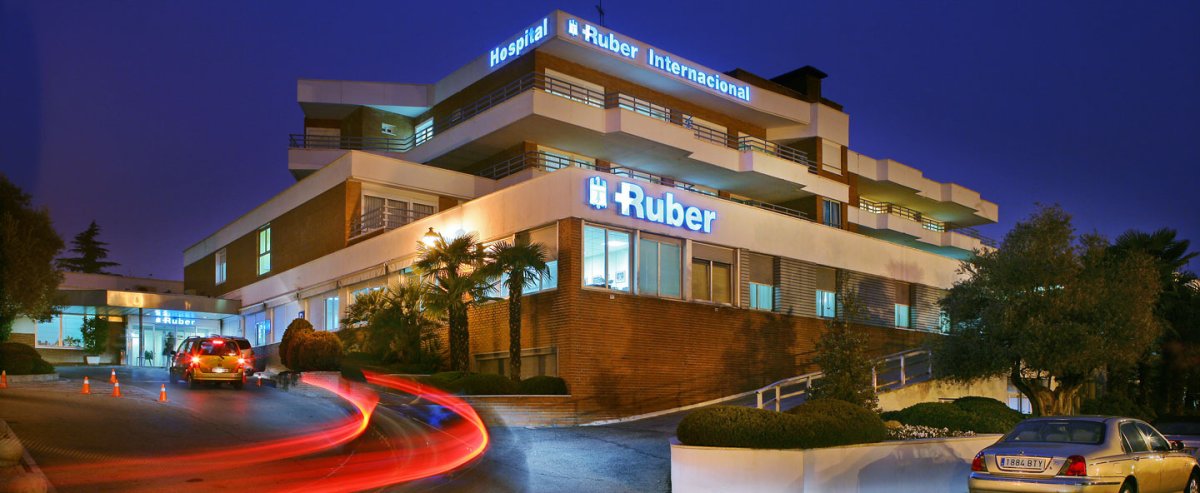
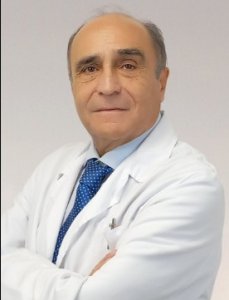
Reconocido entre los mejores cirujanos de España, el Dr. Canales se especializa en técnicas mínimamente invasivas, incluida la cirugía robótica, en el Hospital Ruber Internacional.
- Jefe de Cirugía General y Digestiva con más de 30 años de experiencia
- Experto en cirugía laparoscópica y robótica utilizando el sistema Da Vinci
- Autor de más de 70 publicaciones científicas y un manual de cirugía ampliamente utilizado
- Nombrado uno de los 100 mejores médicos de España por la revista Forbes
Historias en video de pacientes de Bookimed
Reseñas
Todas las reseñas


Compartir contenido
 Olena Sikoza
Datos сlave sobre Lumpectomía

Tumorectomía
La cirugía conservadora de la mama consiste en extirpar un tumor mamario y un pequeño margen de tejido circundante para tratar el cáncer de mama.
Preguntas frecuentes sobre Lumpectomía en España
¿Puedo acceder a la sanidad pública para una tumorectomía en España?
Los residentes elegibles pueden acceder a la atención médica pública para una tumorectomía en España a través del Sistema Nacional de Salud. Esta cobertura se aplica a ciudadanos y residentes legales registrados en la Seguridad Social. El proceso requiere una derivación de un médico de atención primaria a una unidad de mama de un hospital público especializado.
- Requisitos de elegibilidad: Debe ser un residente que pague la seguridad social o reciba prestaciones aprobadas por el estado.
- Vía de acceso: La consulta inicial en un centro de salud local es obligatoria para las derivaciones a cirugía especializada.
- Costes directos: Los procedimientos quirúrgicos básicos y los diagnósticos están totalmente cubiertos sin tarifas directas para el paciente.
- Alternativa privada: Centros como el Centro Médico Teknon ofrecen un acceso más rápido fuera del sistema público.
Perspectiva del experto de Bookimed: Aunque España ocupa el 4º lugar a nivel mundial en solicitudes de pacientes en Bookimed, muchos pacientes internacionales eligen centros privados como el Hospital Ruber Internacional por la tecnología robótica Da Vinci. Los hospitales públicos suelen utilizar protocolos ambulatorios en los que los pacientes son dados de alta el mismo día sin drenajes quirúrgicos. Este enfoque simplificado refleja la alta eficiencia de los estándares españoles en
¿Están los cirujanos españoles especializados en técnicas oncoplásticas para la tumorectomía?
Los cirujanos españoles destacan en la tumorectomía oncoplástica, combinando oncología y cirugía plástica para extirpar tumores mamarios preservando al mismo tiempo la forma estética. Los centros en Madrid y Barcelona utilizan unidades de mama multidisciplinarias donde los cirujanos oncólogos aplican técnicas de desplazamiento y sustitución de volumen para un control óptimo del cáncer y la simetría.
- Enfoques especializados: Los cirujanos utilizan técnicas de mastopexia o reducción mamaria para gestionar los defectos tisulares.
- Gestión de la simetría: La cirugía contralateral a menudo se realiza simultáneamente para asegurar que ambos senos coincidan perfectamente.
- Certificaciones clínicas: Los centros de primer nivel poseen certificaciones de calidad de la Joint Commission International (JCI) y la norma ISO 9001.
- Estándares de las instalaciones: Centros como el Hospital Ruber Internacional están clasificados entre los mejores proveedores médicos de España.
Perspectiva del experto de Bookimed: Aunque muchos cirujanos realizan tumorectomías, los especialistas españoles de primer nivel, como el Prof. Dr. César Canales Bedoya en el Hospital Ruber Internacional, utilizan sistemas robóticos avanzados. Los datos muestran que los centros en Barcelona y Madrid atienden el mayor volumen de pacientes internacionales que buscan estas complejas reco
¿Cuánto dura la cirugía de tumorectomía?
La cirugía de tumorectomía en España suele durar entre 60 y 90 minutos. La duración del procedimiento depende del tamaño del tumor y del enfoque quirúrgico. Las técnicas oncoplásticas utilizadas para remodelar el seno o la extirpación de múltiples ganglios linfáticos pueden prolongar el tiempo. La mayoría de los pacientes regresan a casa el mismo día.
- Extirpación simple: La escisión estándar de un solo tumor suele terminar en 60 minutos.
- Enfoque oncoplástico: Remodelar el tejido mamario durante la extirpación del tumor añade un tiempo quirúrgico significativo.
- Biopsia de ganglios linfáticos: Añadir el mapeo de ganglios linfáticos centinela extiende el procedimiento a 2-3 horas.
- Herramientas de localización: El uso de semillas o alambres para tumores no palpables ayuda a los cirujanos a navegar rápidamente.
Perspectiva del experto de Bookimed: Los principales centros oncológicos de España, como el Centro Médico Teknon, realizan más de 23,500 operaciones al año. Este alto volumen a menudo conduce a tiempos de quirófano más eficientes. Las tumorectomías estándar son rápidas. Sin embargo, los procedimientos combinados que incluyen reducción de senos o biopsias múltiples pueden durar hasta 5 horas.
Consenso de los pacientes: Espere que la experiencia hospitalaria completa dure aproximadamente 4 horas. Esto incluye la
¿Necesitaré un procedimiento de localización antes de la cirugía?
La localización es necesaria para una tumorectomía en España cuando una anomalía mamaria no se puede palpar durante un examen físico. Los radiólogos utilizan imágenes para colocar una guía, como un alambre o un clip de localización, que marca el tejido exacto que se debe extirpar. Esto garantiza la precisión quirúrgica mientras se preserva el tejido mamario sano.
- Requisito del procedimiento: Obligatorio para lesiones no palpables, calcificaciones pequeñas o tumores reducidos por quimioterapia.
- Momento: Generalmente se realiza en radiología entre 10 y 30 minutos antes de la cirugía el mismo día.
- Método: La guía implica anestesia local seguida de la colocación de un alambre, una semilla radiactiva o un clip de radar.
- Impacto en la recuperación: Proceso mínimamente invasivo que suele describirse como similar a una biopsia rápida con aguja.
Perspectiva del experto de Bookimed: Los datos de centros españoles de primer nivel como Centro Médico Teknon y Hospital Ruber Internacional muestran una preferencia por marcadores avanzados como Savi Scout o clips de titanio. Estos marcadores a menudo se dejan en el lecho tumoral de forma permanente. Esto ayuda a los radioncólogos a apuntar al sitio exacto más adelante y asegura un seguimiento constante durante sus futuras mamografías anuales en España o en su país de origen.
Consenso de
¿Cuál es el tiempo de recuperación típico después de una tumorectomía?
La recuperación típica después de una tumorectomía en España permite que la mayoría de los pacientes regresen a sus rutinas diarias en un plazo de 3 a 7 días. Si bien la curación inicial del sitio quirúrgico toma de 4 a 6 semanas, las molestias físicas generalmente disminuyen dentro de las 48 horas para quienes reciben bloqueos nerviosos avanzados.
- Actividad inicial: Reanude las caminatas suaves 3 días después de la cirugía para mantener la circulación sanguínea y la movilidad.
- Regreso al trabajo: La mayoría de los pacientes retoman el trabajo de oficina o tareas remotas a tiempo parcial en un plazo de 2 a 3 días.
- Restricciones físicas: Evite levantar objetos pesados y ejercicios extenuantes de la parte superior del cuerpo durante 2 a 4 semanas.
- Sensaciones a largo plazo: Puede persistir una leve firmeza en el seno o sensaciones de tirantez durante 3 a 6 meses.
Perspectiva del experto de Bookimed: España se sitúa entre los 5 principales destinos mundiales para la atención oncológica con centros como el Hospital Ruber Internacional y el Centro Médico Teknon. Los pacientes aquí suelen experimentar estancias hospitalarias más cortas en comparación con los promedios de EE. UU. Muchos centros oncológicos españoles priorizan el manejo avanzado del dolor, como los bloqueos nerviosos de acción prolongada. Esto puede eliminar el dolor quirúrgico
¿Qué documentos necesito llevar conmigo para reservar una cirugía en España?
Para reservar una cirugía en España, debe presentar un pasaporte válido, un informe médico oficial que confirme el diagnóstico y la confirmación de la reserva de la cirugía. Los ciudadanos de países fuera de la Unión Europea pueden necesitar una visa médica tipo C (Schengen). La mayoría de las clínicas privadas también requieren pólizas de seguro médico o documentos de autorización previa.
- Documentos de viaje: Original del pasaporte válido del paciente o del tutor legal si el paciente es menor de edad.
- Registros clínicos: Resultados de biopsias/patología, así como mamografías o ecografías realizadas en los últimos 3 meses.
- Autorización médica: Referencia oficial de su oncólogo o formulario de autorización previa de la compañía de seguros de la clínica.
- Permisos de entrada: Visa Schengen médica válida para pacientes que llegan de países fuera de la Unión Europea.
Opinión de expertos de Bookimed: Clínicas como el Hospital Ruber Internacional o el Centro Médico Teknon a menudo requieren un procedimiento de localización con alambre (wire localization). Esto debe programarse entre 24 y 48 horas antes de la lumpectomía. Asegúrese de que su documentación cubra esta etapa preoperatoria específica para evitar retrasos el día del procedimiento.
Opinión de los pacientes: Los pacientes recomiendan traer copias impresas de to
¿Qué asistencia lingüística está disponible para pacientes internacionales?
Los pacientes internacionales en España reciben asistencia lingüística a través de departamentos internacionales dedicados, intérpretes médicos profesionales y coordinadores médicos multilingües. Los centros de primer nivel en Madrid y Barcelona utilizan personal especializado para gestionar las citas y la documentación en inglés, asegurando una comunicación clara durante todo el proceso quirúrgico.
- Departamentos internacionales: Las clínicas ofrecen personal de apoyo dedicado para la logística y coordinadores médicos multilingües.
- Intérpretes médicos: Los traductores profesionales manejan conversaciones médicas complejas en lugar de depender de familiares.
- Apoyo con la documentación: Los servicios de traducción proporcionan historiales médicos y planes de recuperación en su idioma nativo.
- Herramientas digitales: Algunos centros utilizan dispositivos de traducción compatibles con HIPAA para una comunicación rápida y precisa junto a la cama del paciente.
Opinión de expertos de Bookimed: Aunque muchos cirujanos en centros acreditados por la JCI como el Hospital Ruber Internacional o el Centro Médico Teknon dominan el inglés, el personal de enfermería y los equipos administrativos pueden hablar principalmente español. Estandarizar su comunicación a través de un coordinador internacional dedicado en estas clínicas garantiza que sus instrucc