Cirugía de manga gástrica (Gastrectomía en manga) en Alemania — encuentre las 3 mejores clínicas con costos


Revisado médicamente por
Fahad Mawlood
Cómo funciona
¿Cuál es el precio de Cirugía de manga gástrica (Gastrectomía en manga) en Alemania? Descubra ahora
La cirugía de manga gástrica (gastrectomía en manga) en Alemania suele costar entre $8,800 y $12,800. El precio final depende de la ubicación de la clínica, la experiencia del cirujano y el uso de tecnología robótica. En los EE. UU., procedimientos similares cuestan alrededor de $18,300 en promedio. Los pacientes en Alemania ahorran alrededor de un 41% en comparación con los EE. UU. La mayoría de los presupuestos alemanes incluyen consultas preoperatorias, pruebas de laboratorio, anestesia y una estancia hospitalaria de 2 a 7 días.
- Cirugía de manga gástrica Da Vinci: $9,800 a $13,800 para una precisión asistida por robot.
- Enfoque asistido por robot: Añade aproximadamente un 20-30% sobre las técnicas laparoscópicas estándar.
- Variaciones regionales: Los paquetes en Düsseldorf y Hamburgo suelen costar más que en Heidelberg.
- Precios específicos por ciudad: Los principales centros quirúrgicos incluyen Düsseldorf, Hamburgo, Solingen y Duisburg.
Perspectiva del experto de Bookimed: Elegir centros especializados como el St. Martinus-Krankenhaus Düsseldorf ofrece un valor único. Es una de las dos únicas clínicas alemanas acreditadas por la Federación Internacional para la Cirugía de la Obesidad y Trastornos Metabólicos (IFSO). Si bien existen opciones robóticas premium en la Clínica Asklepios Altona, los centros de obesidad certificados brindan experiencia de alto volumen. Esto garantiza una atención especializada por parte de médicos clasificados por Focus, como Viktor Alexander Krol, a tarifas competitivas en Alemania.
| Alemania | España | Estados Unidos | |
|---|---|---|---|
| Cirugía de manga gástrica (Gastrectomía en manga) | ≈ $8,800 | de $15,100 | ≈ $14,500 |
| Cirugía de Manga Gástrica Da Vinci | ≈ $9,800 | ≈ $8,200 | ≈ $24,000 |
Descubra las mejores clínicas de Cirugía de manga gástrica (Gastrectomía en manga) en Alemania: 3 opciones verificadas y Precios



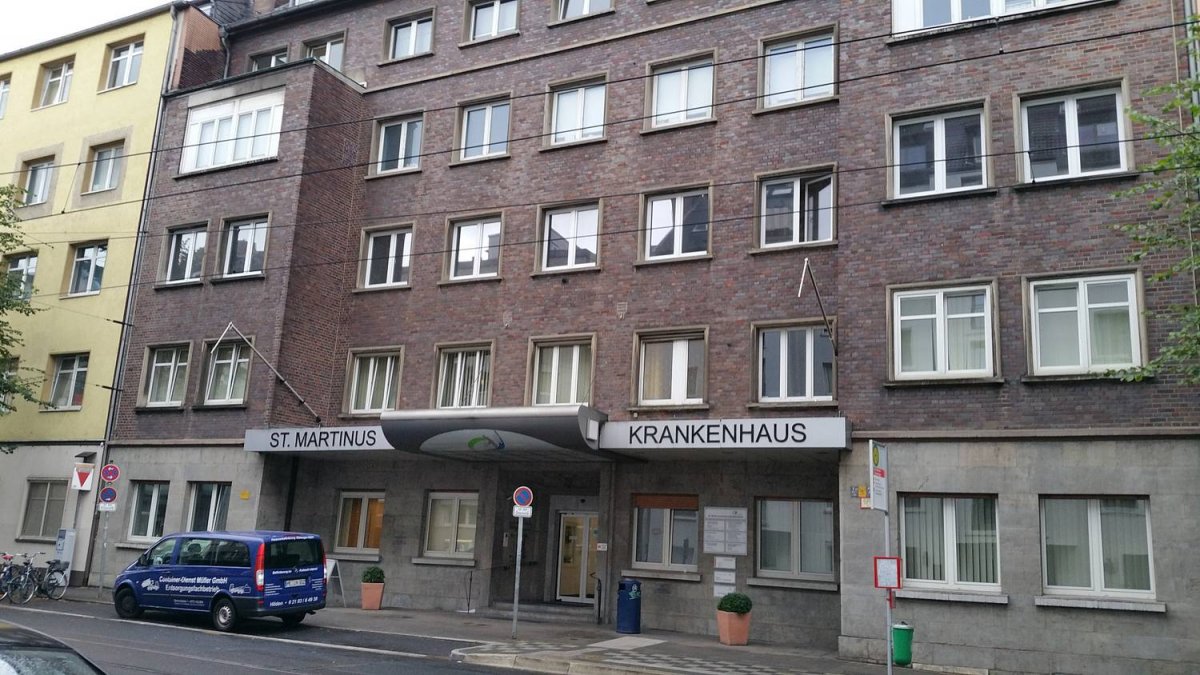
St. Martinus-Krankenhaus Düsseldorf

Cirugía de manga gástrica (Gastrectomía en manga) en Alemania: cronología día a día
Día 1: Llegada a Alemania
- Deberá llegar a Alemania y dirigirse a su alojamiento previamente acordado. Asegúrese de tener todos los documentos necesarios, incluida la carta de invitación para el tratamiento, para facilitar el cruce de fronteras.
- Descanse y aclimátese a la zona horaria local para prepararse para las próximas evaluaciones médicas y la cirugía.
- Evite consumir comidas pesadas o alcohol la noche anterior a su primera visita a la clínica.
Día 2: Consulta preoperatoria y diagnóstico
- Deberá acudir a la clínica para las consultas iniciales. Esto incluye una sesión de anamnesis en la que se revisará su historial médico.
- Presente cualquier material de diagnóstico obtenido previamente para su evaluación.
- Someterse a un examen físico y a diagnósticos de laboratorio para evaluar su estado de salud actual.
- Participar en diagnósticos de visualización, como una ecografía o una tomografía computarizada, para obtener imágenes detalladas de la zona abdominal.
- Pueden realizarse diagnósticos funcionales para evaluar el funcionamiento general de su organismo.
- Comente los resultados con un profesor o cirujano jefe para finalizar el plan de tratamiento y confirmar la programación de la cirugía de manga gástrica (gastrectomía en manga).
Día 3: Día de la cirugía
- Deberá llegar a la clínica a la hora indicada para su cirugía de manga gástrica (gastrectomía en manga).
- Realice los preparativos preoperatorios, incluido el ayuno y la firma de los formularios de consentimiento.
- La cirugía se realizará bajo anestesia general. La intervención consiste en extirpar una porción del estómago para crear una forma similar a una manga, reduciendo la capacidad de ingesta de alimentos.
- Después de la cirugía, se le controlará en una sala de recuperación para asegurar la estabilidad de las constantes vitales y la recuperación inicial de la anestesia.
Días 4-5: Observación postoperatoria
- Permanezca en el hospital para observación postoperatoria. Este periodo es crucial para supervisar su recuperación y tratar cualquier complicación inmediata.
- Reciba orientación sobre los cuidados postoperatorios, la dieta y los cambios de estilo de vida necesarios para una recuperación óptima y el éxito a largo plazo.
- Asista a las consultas de seguimiento con el equipo quirúrgico para evaluar el progreso de su recuperación.
- Realice las actividades físicas ligeras que le recomiende el equipo médico para favorecer la circulación y la cicatrización.
Día 6: Alta y preparación para la salida
- Tras una recuperación satisfactoria y el visto bueno del equipo médico, recibirá el alta hospitalaria.
- Recibirá instrucciones detalladas sobre los cuidados postoperatorios, incluidas pautas dietéticas y limitaciones de la actividad física.
- Asegúrese de que dispone de los datos de contacto de la clínica en caso de que necesite ponerse en contacto con ella por cualquier duda o emergencia postoperatoria una vez que regrese a casa.
Día 7: Salida de Alemania
- Deberá dejar su alojamiento y dirigirse al aeropuerto para tomar su vuelo de regreso a casa.
- Durante el viaje, dé prioridad a la comodidad y asegúrese de tener acceso a cualquier medicamento o prenda de soporte recomendados por su profesional sanitario.
- Continúe siguiendo todas las instrucciones de cuidados postoperatorios y programe una cita de seguimiento con su proveedor sanitario local para controlar su recuperación.
Como plataforma líder mundial de turismo médico, tenemos una gran responsabilidad ante nuestros clientes, tanto pacientes como centros médicos. Toda la información proporcionada en Bookimed.com se basa en la investigación, la previsión y la experiencia y cumple con un alto interés relacionado con el producto y sigue:
Sistema inteligente de clasificación automática
Formamos nuestros listados de clínicas y médicos con estrictas regulaciones de nuestro sistema inteligente de clasificación automática. El sistema se basa en tarifas de pacientes reales de Bookimed para proporcionar la información más objetiva y transparente sobre las clínicas y los servicios médicos de gastrectomía en manga en Alemania.
Nuestro experimentado científico de datos recopila datos a diario, supervisa y optimiza el sistema de clasificación mediante el aprendizaje automático y la inteligencia artificial para garantizar que el sistema de clasificación esté actualizado y proporcione resultados precisos.
Solo la experiencia de personas reales
Recopilamos las opiniones de los clientes de Bookimed solo después de obtener experiencia médica con la clínica de gastrectomía en manga en Alemania, para que todos en la plataforma puedan confiar en la instalación que elijan. Nos esforzamos por hacer que el contenido de nuestra plataforma sea lo más útil posible y garantizamos la libertad de expresar opiniones críticas. Así, publicamos críticas positivas y negativas, con el objetivo de ser una fuente para la toma de decisiones informadas para nuestros futuros clientes.
Temas con altos niveles de experiencia, autoridad y confiabilidad
En Bookimed.com puede encontrar opciones y conveniencia para encontrar las mejores soluciones médicas de gastrectomía en manga de los principales proveedores de servicios médicos en Alemania en un solo lugar y, a menudo, a precios competitivos. Asegurándose de brindar la información más actualizada, los representantes de la clínica actualizan los CV de los médicos, las capacidades de las clínicas, las fotos de antes y después, los precios, los paquetes y las ofertas especiales en breve. Puede reunirse con el representante de la clínica y verificar la fecha del contenido actualizado en la página de cada clínica para asegurarse de su confiabilidad.
Nuestro blog y artículos de apoyo son creados por autores profesionales con al menos 3 años de experiencia en redacción médica y editados por especialistas médicos con experiencia clínica y de investigación relevante, todos reclutados cuidadosamente para el equipo. Nos esforzamos por mejorar el acceso de los pacientes a la información de salud, haciéndola experta pero fácil de entender. Todas las piezas siguen las Directrices Editoriales de Bookimed.
Valores reservados
Estamos hechos de personas y para personas, y ese es nuestro valor fundamental. Es por eso que todos los datos presentados en la plataforma son recopilados, editados, revisados y actualizados periódicamente por nuestros pacientes, nuestras clínicas asociadas y nuestro equipo, incluida la Junta Asesora Médica de Bookimed, que consta de médicos de renombre mundial con una valiosa experiencia de más de 20 años. años de práctica y una reputación positiva. Conozca más sobre nosotros y nuestra misión .
En caso de que encuentre algún error o tenga alguna pregunta sobre la información presentada en Bookimed.com, no dude en contactarnos en marketing@bookimed.com .
Obtenga una evaluación médica para Cirugía de manga gástrica (Gastrectomía en manga) en Alemania: Elija su especialista entre los mejores en el campo
Ver todos los médicos
Viktor Alexander Krol
El Dr. Viktor Alexander Krol dirige el Centro de Tratamiento de la Obesidad certificado en el St. Martinus-Krankenhaus, especializándose en procedimientos bariátricos avanzados.
- Jefe de Gastroenterología y Medicina Interna con amplia experiencia
- Ofrece tratamientos de pérdida de peso tanto quirúrgicos como endoscópicos
- Utiliza las últimas tecnologías de diagnóstico y tratamiento
- Proporciona atención individualizada para cada paciente

Walid Eljabu
Certificado en Cirugía Plástica y Estética, Cirugía de Mano y Cirugía de Trauma – El Dr. Eljabu combina precisión con una amplia experiencia anatómica en Esthétique du Nord.
- Especializado en procedimientos de contorno corporal, incluyendo cirugía de manga gástrica
- Formado en el Reino Unido y Alemania con formación estética adicional en Suecia y Turquía
- Miembro de la Sociedad Americana de Cirujanos Plásticos y la Sociedad Europea de Rinoplastia
- CEO y Cirujano Jefe en Esthétique du Nord en Hamburgo
Reseñas
Todas las reseñasArtículos relacionados

Cirugía de manga gástrica: cómo nuestro paciente se volvió más delgado y saludable
Escrito por Anna Leonova

Dónde obtener una cirugía de manga gástrica barata: los 5 países principales
Escrito por Anna Leonova

-100 kg a costo accesible de manga gástrica
Escrito por Ana Hurevska
Compartir contenido
Historias en video de pacientes de Bookimed
 Olena Sikoza
Preguntas frecuentes sobre Cirugía de manga gástrica (Gastrectomía en manga) en Alemania
¿Cuáles son los criterios médicos para calificar para una cirugía de manga gástrica en Alemania?
Para calificar para una cirugía de manga gástrica en Alemania, los pacientes adultos deben tener un IMC de al menos 40 o un IMC de 35-39.9 con comorbilidades significativas. Las clínicas certificadas como el St. Martinus-Krankenhaus de Düsseldorf requieren una prueba clínica documentada de tratamientos conservadores fallidos, incluyendo asesoramiento nutricional y ejercicio.
- Umbrales de IMC: Los pacientes con un IMC de 40+ califican automáticamente sin necesidad de enfermedades secundarias relacionadas con la obesidad.
- Requisitos de comorbilidad: Un IMC de 35–39.9 requiere diabetes tipo 2, apnea del sueño o degeneración articular severa.
- Terapia conservadora: La mayoría de las aseguradoras exigen de 6 a 12 meses de terapia nutricional, de ejercicio y conductual documentada.
- Exclusiones médicas: La cirugía está contraindicada para trastornos psiquiátricos inestables, abuso activo de sustancias o bulimia.
- Evaluación preoperatoria: La gastroscopia es obligatoria para descartar un ERGE severo, lo cual favorecería una cirugía de bypass.
Perspectiva del experto de Bookimed: Aunque el IMC de 40 es el estándar, los centros especializados en obesidad como el St. Martinus-Krankenhaus de Düsseldorf utilizan su acreditación de la Federación Internacional de Cirugía de la Obesidad y Trastornos Metabólicos para acelerar el p
¿Cubre el seguro médico legal alemán la gastrectomía en manga?
El seguro médico legal alemán (GKV) cubre la gastrectomía en manga solo como último recurso y caso por caso. Para calificar, debe tener un IMC de 40 o más, o un IMC superior a 35 con comorbilidades graves como diabetes tipo 2 o apnea del sueño.
- Terapia conservadora: Debe documentar de 6 a 12 meses de dieta supervisada, ejercicio y terapia conductual.
- Necesidad médica: La obesidad no debe ser resultado de trastornos endocrinos subyacentes como el hipotiroidismo.
- Autorización psicológica: Requiere una evaluación oficial que descarte trastornos alimentarios inestables o adicciones.
- Revisión independiente: El Servicio Médico de las Cajas de Seguro Médico (MDK) debe aprobar su solicitud.
Perspectiva del experto de Bookimed: El éxito depende en gran medida de elegir un centro acreditado. El St. Martinus-Krankenhaus de Düsseldorf es una de las dos únicas clínicas alemanas reconocidas por la Federación Internacional de Cirugía de la Obesidad y Enfermedades Metabólicas. Las clínicas con esta acreditación específica tienen protocolos establecidos para el proceso de solicitud de la GKV. A menudo proporcionan los registros nutricionales especializados y la autorización psicológica necesarios para evitar los rechazos comunes de las aseguradoras.
Consenso de los pacientes: Los pacientes informan que el proceso de solicitud es
¿Qué porcentaje de exceso de peso pierden los pacientes normalmente después del procedimiento?
Los pacientes suelen perder entre el 50% y el 70% de su exceso de peso corporal en un plazo de 12 a 24 meses tras una cirugía de manga gástrica. La mayoría de las personas alcanzan hitos importantes rápidamente, logrando una pérdida del 25% al 35% al tercer mes y aproximadamente del 60% al primer año después del procedimiento.
- Hito de los tres meses: Los pacientes generalmente pierden del 25% al 35% del exceso de peso durante este período.
- Progreso a los seis meses: La pérdida de peso suele alcanzar del 45% al 55% a medida que el cuerpo se ajusta.
- Referencia al año: La mayoría de los pacientes logran una pérdida del 60% al 70% del exceso de peso después de 12 meses.
- Mantenimiento a largo plazo: La pérdida de peso promedio se estabiliza en el 50% del exceso de peso después de 5 años.
Perspectiva de expertos de Bookimed: Alemania ofrece un nivel poco común de supervisión clínica para la salud metabólica. El St. Martinus-Krankenhaus de Düsseldorf es una de las dos únicas clínicas alemanas acreditadas por la Federación Internacional de Cirugía de la Obesidad y Enfermedades Metabólicas. Este enfoque especializado ayuda a los pacientes a mantener los resultados, ya que la pérdida de peso suele alcanzar su punto máximo entre los 9 y los 18 meses.
Consenso de los pacientes: El éxito depende de cambiar el enfoque de los k
¿Cómo reduce el apetito la gastrectomía en manga y es duradero el efecto?
La gastrectomía en manga reduce el apetito al extirpar el fundus gástrico, lo que elimina el sitio principal de producción de la hormona del hambre, la grelina. Este cambio estructural permanente también acelera la señalización de saciedad al inducir al intestino delgado a liberar hormonas como el GLP-1 y el PYY mucho más rápido después de comer.
- Supresión hormonal: La extirpación de hasta el 80% del tejido estomacal provoca una caída drástica e inmediata de la grelina.
- Señalización de saciedad: El paso rápido de los alimentos a los intestinos desencadena una liberación más temprana de hormonas que señalan la plenitud.
- Restricción mecánica: Una capacidad de bolsa significativamente menor asegura la plenitud física después de consumir porciones muy pequeñas.
- Durabilidad del efecto: La supresión hormonal es más fuerte durante 12 meses antes de que el cuerpo se adapte parcialmente.
Perspectiva de expertos de Bookimed: Si bien muchos se centran en el volumen, los centros de primer nivel de Alemania, como el St. Martinus-Krankenhaus de Düsseldorf, enfatizan que el éxito metabólico depende de la fase de «luna de miel» hormonal. Este período de hambre suprimida suele durar de 12 a 24 meses. Los centros altamente especializados utilizan esta ventana para integrar técnicas asistidas por robot Da Vinci, que pueden mejorar la precisión quirúrgica
¿Qué cambios dietéticos y de estilo de vida son obligatorios de por vida después de la cirugía?
Los mandatos de por vida después de una cirugía de manga gástrica incluyen un control estricto de las porciones, una prioridad dietética basada en proteínas y una suplementación vitamínica diaria para prevenir deficiencias. Los pacientes deben separar permanentemente la comida de la bebida y evitar las calorías líquidas o el picoteo para mantener la pérdida de peso y prevenir molestias gastrointestinales.
- Prioridad nutricional: Se debe consumir proteína magra primero en cada comida para preservar el músculo.
- Momento de la hidratación: Los líquidos están prohibidos 30 minutos antes y después de las comidas para evitar el vaciado rápido.
- Adherencia a las vitaminas: Los multivitamínicos diarios, la B12 y el calcio son obligatorios para evitar problemas graves de malabsorción.
- Abstinencia estricta: El alcohol y los medicamentos AINE como el ibuprofeno están restringidos para prevenir úlceras estomacales.
Perspectiva del experto de Bookimed: Alemania alberga algunas de las pocas instalaciones del mundo acreditadas por la Federación Internacional de Cirugía de la Obesidad y Trastornos Metabólicos, como el St. Martinus-Krankenhaus de Düsseldorf. Esta certificación de alto nivel significa que estas clínicas brindan capacitación especializada en dietética de por vida que muchos hospitales estándar omiten. Elegir un Centro de Obesidad alemán acre
¿Cómo se realiza realmente la gastrectomía en manga?
La gastrectomía en manga es una resección gástrica vertical estandarizada que elimina permanentemente del 75% al 80% del órgano. Los cirujanos remodelan la porción restante en un tubo estrecho utilizando un enfoque laparoscópico mínimamente invasivo. Este procedimiento limita la ingesta de alimentos mientras preserva la digestión intestinal normal y las vías de absorción de nutrientes.
- Acceso quirúrgico: Los cirujanos realizan de 4 a 5 pequeñas incisiones abdominales para insertar los trocares.
- Opciones técnicas: Los procedimientos utilizan herramientas laparoscópicas estándar o asistencia robótica avanzada Da Vinci.
- Resección estomacal: Un tubo flexible (bujía) guía el grapado vertical para asegurar un tamaño de manga consistente.
- Protocolo de seguridad: Las pruebas de fugas integradas utilizan aire o colorante para verificar la integridad de la línea de grapado.
Perspectiva del experto de Bookimed: Los centros bariátricos alemanes como el St. Martinus-Krankenhaus de Düsseldorf a menudo se centran en la estabilidad metabólica a largo plazo en lugar de solo en la reducción de volumen. Son una de las pocas instalaciones acreditadas internacionalmente que implementan estrictamente la educación preoperatoria y el monitoreo hospitalario estandarizado. Elegir un centro con estas certificaciones específicas a menudo resulta en una progresión
¿Cuánto dura la estancia hospitalaria y el periodo de recuperación recomendado en el país?
La cirugía de manga gástrica en Alemania requiere normalmente una estancia hospitalaria de 1 a 3 días. Los pacientes deben planificar un periodo total de recuperación en el país de 7 a 14 días antes de volar a casa para garantizar la estabilización, el cierre de la herida y una hidratación adecuada tras el procedimiento.
- Estancia hospitalaria: La mayoría de los pacientes permanecen hospitalizados de 1 a 2 noches para su observación.
- Criterios de alta: Los pacientes deben demostrar control del dolor y capacidad para tolerar líquidos orales.
- Seguridad en los vuelos: Los expertos médicos recomiendan esperar al menos 10 días antes de realizar viajes aéreos de larga distancia.
- Enfoque quirúrgico: Los métodos laparoscópicos y endoscópicos en Alemania facilitan una movilización y un alta más rápidos.
Perspectiva del experto de Bookimed: Alemania ofrece una ventaja única para los pacientes bariátricos, ya que clínicas como el St. Martinus-Krankenhaus Düsseldorf cuentan con la acreditación de la Federación Internacional para la Cirugía de la Obesidad y Enfermedades Metabólicas. Este alto nivel de especialización suele dar lugar a protocolos de recuperación optimizados que priorizan la deambulación temprana, lo cual es fundamental para prevenir complicaciones tras una cirugía abdominal.
Consenso de los pacientes: Muchos se
¿Qué hospitales en Alemania tienen las calificaciones más altas en neurocirugía?
Alemania alberga algunos de los departamentos de neurocirugía más prestigiosos del mundo, liderados por la Charité – Universitätsmedizin Berlin y el Hospital Universitario de Heidelberg. Estos centros destacan en el tratamiento de tumores cerebrales complejos y enfermedades cerebrovasculares. Para maximizar la eficacia de sus procedimientos, utilizan tecnologías de vanguardia como la resonancia magnética intraoperatoria y la neuronavegación asistida por computadora.
- Charité Berlín: Realiza más de 5000 cirugías al año. La clínica está dirigida por el reconocido neurocirujano Dr. Peter Vaikoczy.
- Centro Médico Solingen: El Dr. Ralf Buhl ha realizado más de 4.000 cirugías, incluidas cirugías de columna mínimamente invasivas.
- Clínica Asklepios Nord: equipada con el único sistema de resonancia magnética intraoperatoria bilateral de Alemania para garantizar precisión quirúrgica en tiempo real durante la extirpación del tumor.
- Clínica Nordwest: reconocida por la revista Newsweek como un hospital líder por su innovación en tecnología de ultrasonido 3D.
Opinión experta de Bookimed: Los datos muestran que elegir centros con un alto volumen quirúrgico suele llevar a recomendaciones de tratamiento más conservadoras. En el Centro Médico Solingen, que atiende a más de 60.000 pacientes al año, los cirujanos suelen sugerir fisioterapia en lugar de cirugía
¿Cuáles son las tasas de éxito de los procedimientos neuroquirúrgicos complejos en Alemania?
En Alemania, los procedimientos neuroquirúrgicos de alta complejidad demuestran una seguridad excepcional. Las tasas de éxito en las fusiones espinales alcanzan el 99 %. La tasa de supervivencia en las resecciones de tumores cerebrales primarios es del 97 %. La independencia funcional es alta. Más del 82 % de los pacientes reciben el alta inmediatamente después del tratamiento. Los centros alemanes priorizan la preservación de la función neurológica mediante técnicas modernas de mapeo.
- Resección de tumores: los cirujanos logran una resección tumoral completa en el 87,2% de los casos de metástasis cerebrales.
- Éxito en el tratamiento de enfermedades vasculares: los hospitales alemanes informan de una tasa de supervivencia del 98,7% para aneurismas no rotos.
- Mejora del estado neurológico: casi el 43% de los pacientes experimentan una mejora de los parámetros funcionales después de resecciones complejas.
- Seguridad de las intervenciones quirúrgicas: En grandes centros quirúrgicos, las tasas de supervivencia de los pacientes después de la cirugía de columna son del 98-99%.
Opinión experta de Bookimed: Cirujanos experimentados como el Dr. Uwe Köhler, de la Clínica Asklepios Altona, realizan más de 2000 cirugías al año. Los datos muestran que estos especialistas mantienen tasas de éxito de hasta el 90 %, incluso en los tumores cerebrales más comp
¿Qué tecnologías avanzadas suelen estar disponibles en las clínicas neuroquirúrgicas alemanas?
Las clínicas neuroquirúrgicas alemanas incorporan regularmente instrumentos digitales de alta precisión y visualización en tiempo real a la práctica quirúrgica. Entre las tecnologías clave se encuentra la neuronavegación computarizada para cirugías de cerebro y médula espinal. Instituciones como la Clínica Asklepios Nord utilizan la resonancia magnética intraoperatoria para verificar la extirpación de tumores en tiempo real. Estos sistemas proporcionan a los cirujanos navegación GPS 3D.
- Neuronavegación: proporciona visualización 3D y seguimiento de instrumentos en tiempo real para lograr precisión quirúrgica hasta el nivel submilimétrico.
- Imágenes intraoperatorias: sistemas como iMRI y O-arm CT permiten la confirmación inmediata de una resección exitosa.
- Neuromonitorización: Monitorea las funciones motoras y sensoriales durante la cirugía para proteger el sistema nervioso.
- Diagnóstico de fluorescencia: se utiliza el colorante 5-ALA para resaltar los bordes del tumor para una eliminación más completa.
- Asistencia robótica: Sistemas como el Da Vinci mejoran la precisión en procedimientos complejos y mínimamente invasivos.
Opinión experta de Bookimed: Grandes centros como la Charité – Universitätsmedizin de Berlín realizan más de 4000 procedimientos neuroquirúrgicos al año, lo que crea un entorno rico en datos para p