Cirugía de manga gástrica (Gastrectomía en manga) en Corea del Sur — obtén 3 clínicas con costos


Revisado médicamente por
Fahad Mawlood
¿Cuál es el precio de Cirugía de manga gástrica (Gastrectomía en manga) en Corea del Sur? Descubra ahora
La cirugía de manga gástrica (gastrectomía en manga) en la República de Corea suele costar entre $7,500 y $11,500. El precio final depende de la técnica quirúrgica, como los métodos laparoscópicos estándar o robóticos, y del centro médico específico en Seúl o Incheon. En los EE. UU., procedimientos similares cuestan alrededor de $18,300 en promedio. Los pacientes pueden encontrar ahorros de alrededor del 48% en comparación con los precios de EE. UU. Los paquetes hospitalarios estándar en Corea del Sur suelen incluir pruebas preoperatorias, la cirugía, la anestesia y una breve estancia hospitalaria.
- Cirugía de manga gástrica Da Vinci: de $15,000 para una precisión avanzada asistida por robot.
- Enfoque asistido por robot: Por lo general, añade un 20-30% sobre las técnicas laparoscópicas estándar debido a la tecnología especializada.
- Variaciones por ciudad: Los principales centros médicos incluyen Seúl, Incheon y Seongnam.
- Nivel del hospital: Los precios en hospitales universitarios con acreditación internacional pueden ser entre un 15 y un 20% más altos.
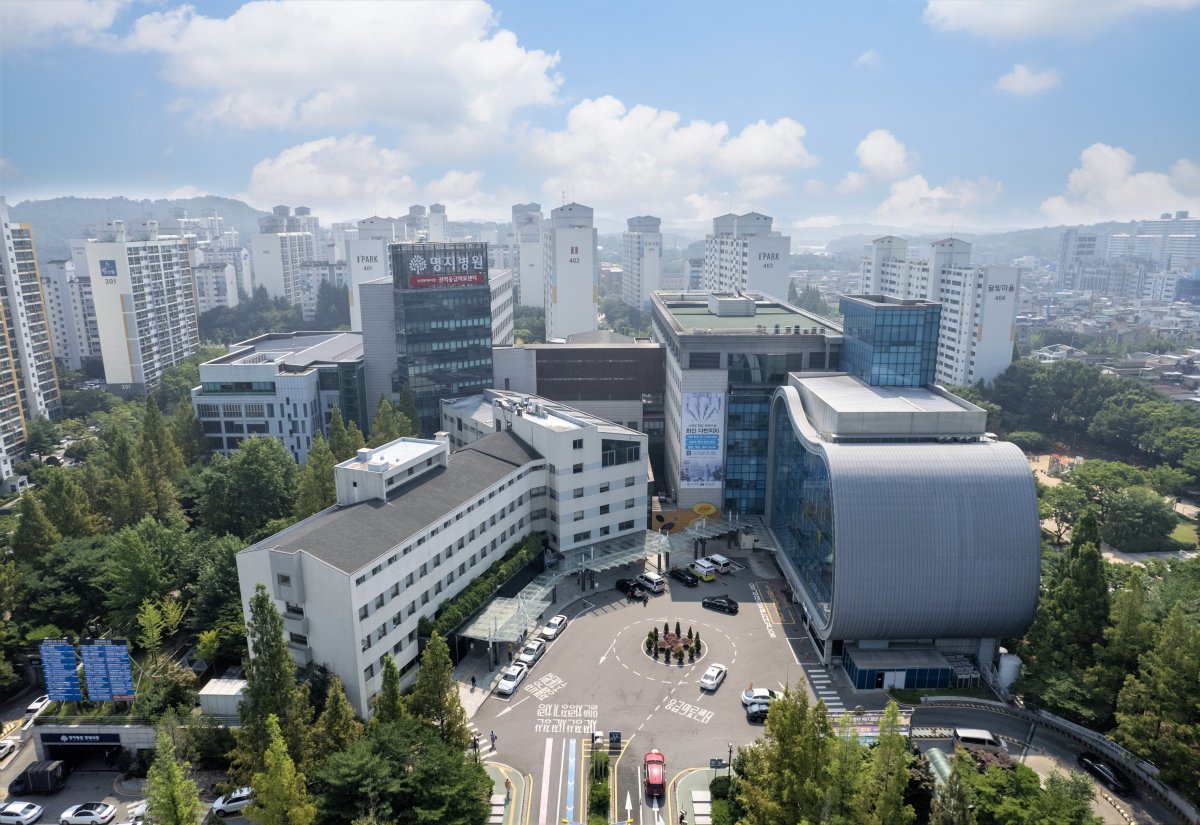
Perspectiva del experto de Bookimed: Elegir un centro con enfoque digital como el Hospital Bundang de la Universidad Nacional de Seúl o el Centro Médico Asan ofrece un valor inmenso. Estos centros están clasificados constantemente entre los mejores hospitales del mundo por Newsweek. Si bien la cirugía asistida por robot cuesta más, es una especialidad en Corea con altas tasas de éxito. Por ejemplo, algunos hospitales de primer nivel en Seúl cobran aproximadamente entre $11,300 y $12,900 por procedimientos estándar. Esto proporciona tecnología de clase mundial a una fracción de los costos de EE. UU.
| Corea del Sur | España | Estados Unidos | |
|---|---|---|---|
| Cirugía de manga gástrica (Gastrectomía en manga) | ≈ $7,500 | de $15,100 | ≈ $14,500 |
| Cirugía de Manga Gástrica Da Vinci | de $15,000 | ≈ $8,200 | ≈ $24,000 |
Sus beneficios y garantías con Bookimed
Precios directos
Bookimed no añade cargos adicionales a los precios de Cirugía de manga gástrica (Gastrectomía en manga). Las tarifas proceden de las listas de precios oficiales de las clínicas. Pagará directamente en la clínica por su Cirugía de manga gástrica (Gastrectomía en manga) a su llegada al país.
Sólo clínicas y médicos verificados
Bookimed está comprometido con su seguridad. Solo trabajamos con las clínicas que mantienen altos estándares internacionales en Cirugía de manga gástrica (Gastrectomía en manga) y tienen las licencias necesarias para atender a pacientes internacionales en todo el mundo.
Asistencia 24/7 gratuita
Bookimed ofrece asistencia experta gratuita. Un coordinador médico personal le apoya antes, durante y después del tratamiento, resolviendo cualquier problema. Nunca estará solo en su viaje médico de Cirugía de manga gástrica (Gastrectomía en manga).

Su coordinador médico personal de Bookimed
- Le apoya en cada etapa
- Ayuda a elegir la clínica y el médico adecuados
- Asegura un acceso rápido y conveniente a la información
Descubra las mejores clínicas de Cirugía de manga gástrica (Gastrectomía en manga) en Corea del Sur: 9 opciones verificadas y Precios














Descripción general de Cirugía de manga gástrica (Gastrectomía en manga) en Corea del Sur
- Cirugía de manga gástrica (Gastrectomía en manga) - de $7,500La operación reduce el tamaño del estómago, controlando la ingesta de alimentos para la pérdida de peso. Es menos invasivo con períodos de recuperación más rápidos.
- Cirugía de Manga Gástrica Da Vinci - de $15,000El procedimiento implica el uso de un sistema robótico para una cirugía de pérdida de peso precisa, menos invasiva y con una recuperación más rápida.
Día 1
- Llegada al aeropuerto.
- Traslado VIP a la clínica.
- Check-in en el hotel de 4 estrellas.
Dia 2
- Consulta con un nutricionista.
- Consulta con un cirujano bariátrico.
- Pruebas e investigaciones preoperatorias.
Día 3
- Cirugía de gastrectomía en manga bajo anestesia general.
- Duración de la cirugía: 1-2 horas.
Día 4-7
- Atención postoperatoria en la clínica.
- Revisiones periódicas por parte del equipo médico.
- Inicio de una dieta líquida.
Semana 2-4
- La rehabilitación comienza con caminatas regulares.
- Transición gradual a una dieta blanda.
Semana 5
- Vuelta a las actividades laborales ligeras.
Semana 6
- Vuelta a las actividades físicas moderadas.
semana 12
- Transición a una dieta normal.
- Vuelta a las actividades físicas completas.
6 meses después de la operación
- Resultado final esperado de pérdida de peso.
Tenga en cuenta que este es un cronograma general y que la recuperación de cada individuo puede variar.
Lo que les gusta a los pacientes:
- Precio. El costo de la gastrectomía en manga en la República de Corea oscila entre $ 10,000 y $ 12,000. Esto es significativamente más bajo que el costo promedio en los EE. UU., que es de aproximadamente $ 20,000.
- Profesionalidad de los médicos . Los médicos coreanos están altamente calificados con certificaciones relevantes y membresías en organizaciones médicas internacionales. Han realizado numerosos procedimientos de gastrectomía en manga con resultados exitosos.
- Nivel de servicio. Los pacientes aprecian el alto nivel de atención, desde la consulta previa a la cirugía hasta el seguimiento posoperatorio. El personal de apoyo y la comunicación fluida hacen que el proceso sea fluido y tranquilizador.
- Eficacia de la gastrectomía en manga. Los pacientes informan una pérdida de peso significativa y mejores resultados de salud después de la cirugía. Las técnicas modernas utilizadas en Corea aseguran complicaciones mínimas y una recuperación rápida.
- Logística. Los pacientes aprecian el arreglo sin complicaciones que incluye la recogida en el aeropuerto, el alojamiento y el transporte local.
Lo que no les gusta a los pacientes:
- Barrera del idioma. Algunos pacientes enfrentan desafíos en la comunicación debido a la barrera del idioma. Sin embargo, esto puede ser mitigado por los servicios de traducción.
- Distancia. Para los pacientes internacionales, la larga distancia a Corea puede ser un desafío, especialmente para los seguimientos posoperatorios.
- Tiempo de espera. Algunos pacientes mencionaron tiempos de espera más largos debido a la gran demanda de estos procedimientos en Corea.
- Depósito de Bookimed: 200 $ o 200 €.
- Depósito de la clínica: Pague un porcentaje fijo por adelantado.
Reseñas
Todas las reseñasArtículos relacionados

Cirugía de manga gástrica: cómo nuestro paciente se volvió más delgado y saludable
Escrito por Anna Leonova

Dónde obtener una cirugía de manga gástrica barata: los 5 países principales
Escrito por Anna Leonova

-100 kg a costo accesible de manga gástrica
Escrito por Ana Hurevska
Compartir contenido
Historias en video de pacientes de Bookimed
 Olena Sikoza
Preguntas frecuentes sobre Cirugía de manga gástrica (Gastrectomía en manga) en Corea del Sur
¿Quién es elegible para la cirugía de manga gástrica en Corea?
Los pacientes en Corea del Sur son elegibles para la cirugía de manga gástrica si tienen un Índice de Masa Corporal (IMC) de 35 o superior. Aquellos con un IMC de 30 o más califican si tienen condiciones relacionadas con la obesidad como diabetes tipo 2, hipertensión o apnea del sueño.
- Umbral básico de IMC: La elegibilidad comienza en un IMC de 35 para pacientes sin otras complicaciones de salud.
- Comorbilidades médicas: Los pacientes con un IMC de 30 califican si tienen hipertensión o colesterol alto.
- Cirugía metabólica: Las personas con diabetes tipo 2 refractaria pueden calificar con un IMC más bajo de 27.5.
- Evaluaciones clínicas: Los candidatos deben proporcionar documentación de intentos fallidos de pérdida de peso mediante dieta y ejercicio.
- Requisitos de edad: La cirugía es principalmente para adultos mayores de 18 años después de evaluaciones nutricionales y psicológicas.
Perspectiva del experto de Bookimed: Los pacientes extranjeros a menudo experimentan un proceso significativamente más rápido que los residentes locales en Seúl. Mientras que los locales deben navegar por las estrictas aprobaciones del Servicio Nacional de Seguro de Salud (NHIS), los pacientes internacionales en centros acreditados por la JCI como el Hospital Severance a menudo pueden completar consultas y cirugía en 1 semana. Esta vía
¿Cuál es el cronograma típico de recuperación y la duración requerida de la estancia?
La recuperación de una manga gástrica en Corea del Sur generalmente requiere una estancia hospitalaria de 3 a 5 días para su monitoreo. La mayoría de los pacientes regresan a actividades ligeras dentro de 2 a 4 semanas, mientras que la recuperación física completa y el ejercicio extenuante generalmente requieren de 4 a 6 semanas de curación.
- Estancia hospitalaria: Espere de 3 a 5 días de observación en instalaciones acreditadas por la Joint Commission International (JCI).
- Regreso al trabajo: La mayoría de los pacientes regresan a trabajos de oficina dentro de las 2 a 3 semanas posteriores a la cirugía.
- Actividad física: La caminata ligera comienza de inmediato, pero espere de 4 a 6 semanas para levantar objetos pesados.
- Preparación para viajar: Los cirujanos recomiendan permanecer en Corea de 5 a 7 días antes de volar a casa.
Perspectiva del experto de Bookimed: Mientras que los hospitales de EE. UU. a menudo favorecen el alta rápida, los centros líderes de Corea del Sur, como el Asan Medical Center o el Severance Hospital, priorizan estancias más largas de 3 a 5 días. Este tiempo adicional permite a los equipos clínicos controlar las náuseas postoperatorias tempranas y la hidratación antes del viaje internacional. La inclusión de sistemas de monitoreo digital, como BESTcare en el Hospital Bundang de la Universidad Nacional de Seúl, mej
¿Qué hospitales o centros tienen más experiencia en gastrectomía en manga para pacientes internacionales?
Los mejores centros de Corea del Sur para la gastrectomía en manga incluyen centros acreditados por la JCI como el Severance Hospital y el Ewha Womans University Medical Center. Estas instituciones con sede en Seúl se especializan en técnicas laparoscópicas mínimamente invasivas y robóticas Da Vinci, ofreciendo a los pacientes internacionales una infraestructura quirúrgica avanzada y altas tasas de éxito.
- Centros acreditados: El Severance Hospital y el Ewha Womans Medical Center cuentan con la acreditación de la Joint Commission International (JCI).
- Gama tecnológica: Los centros ofrecen tanto la gastrectomía en manga laparoscópica estándar como opciones avanzadas de cirugía asistida por robot.
- Alto volumen: El Asan Medical Center trata a más de 11,800 pacientes ambulatorios al día, lo que garantiza una amplia experiencia del equipo quirúrgico.
- Seguridad digital: El Seoul National University Bundang Hospital utiliza sistemas digitales BESTcare para prevenir errores médicos.
Perspectiva del experto de Bookimed: Aunque muchos se centran en el precio, el verdadero valor en Corea reside en la experiencia en cirugía `sin cicatrices`. El Ewha Womans University Medical Center se centra específicamente en los resultados estéticos para minimizar las cicatrices visibles. Este enfoque en la recuperación cosmética es un estándar cultural único en la
¿Está la operación cubierta por el seguro en Corea?
La cirugía de manga gástrica en Corea del Sur está cubierta por el Servicio Nacional de Seguro de Salud (NHIS) solo para casos médicamente necesarios. La elegibilidad requiere un IMC superior a 35 o un IMC superior a 30 con comorbilidades relacionadas con la obesidad, como diabetes tipo 2 o hipertensión. Los procedimientos de pérdida de peso puramente cosméticos no están cubiertos.
- Criterios de elegibilidad: La cobertura se aplica si el IMC supera los 35 o 30 con comorbilidades de salud graves.
- Inscripción de extranjeros: Los residentes que permanezcan más de 6 meses deben inscribirse en el programa obligatorio del NHIS.
- Sistema de copago: Los costos de bolsillo del paciente suelen oscilar entre el 20% y el 30% para las cirugías aprobadas.
- Estatus de turista: Los turistas médicos con visas de corta duración no son elegibles y deben pagar el precio total en efectivo.
Perspectiva de expertos de Bookimed: Si bien el NHIS puede cubrir una parte importante del costo, el proceso de aprobación a menudo requiere de 3 a 6 meses de tratamiento conservador documentado. Para un acceso más rápido, muchos pacientes eligen instalaciones de primer nivel como el Hospital Severance o el Centro Médico Asan. Estos centros manejan grandes volúmenes, con Asan realizando más de 65,000 operaciones al año, lo que a menudo resulta en una programación quirúrgica
¿Qué progresión dietética se requiere después de la cirugía?
La progresión dietética después de una manga gástrica en Corea del Sur requiere una transición estructurada de cuatro fases, desde líquidos claros hasta alimentos sólidos durante 8 semanas. Este enfoque por etapas protege la línea de grapas y permite que la bolsa estomacal reducida sane, mientras se prioriza una alta ingesta de proteínas y una hidratación constante.
- Fase 1 (Días 1–7): Los líquidos claros incluyen caldo, gelatina sin azúcar y batidos de proteínas saborizados proporcionados por la clínica coreana.
- Fase 2 (Semanas 2–3): Los líquidos completos y purés incluyen yogur, sopas coladas y alimentos blandos licuados.
- Fase 3 (Semanas 4–6): Los sólidos blandos incluyen huevos, pescado y verduras machacadas; el arroz se evita estrictamente.
- Alimento de transición (Juk): Los protocolos coreanos utilizan gachas de arroz (juk) como una transición específica hacia los sólidos.
Perspectiva de expertos de Bookimed: Los centros bariátricos de Corea del Sur, como el Hospital de la Universidad Nacional de Seúl y el Severance, integran aplicaciones de seguimiento patentadas para el control diario obligatorio de la ingesta. Esta supervisión digital garantiza que los pacientes alcancen el objetivo de 60–80 g de proteína desde el principio. Los datos muestran que este estricto cumplimiento reduce significativamente el riesgo de recuperar peso del
¿Qué tan pronto puedo volar a casa después de la cirugía?
La mayoría de los pacientes pueden volar de forma segura de 3 a 7 días después de una cirugía de manga gástrica en Corea del Sur. Los vuelos de corta distancia de menos de 6 horas suelen estar permitidos a partir del tercer día, mientras que los viajes de larga distancia a EE. UU. o Europa generalmente requieren esperar de 7 a 10 días para minimizar los riesgos de trombosis venosa profunda.
- Estancia hospitalaria: Espere de 2 a 3 noches de observación clínica obligatoria antes del alta en las clínicas de Seúl.
- Autorización clínica: Obtenga un certificado médico de aptitud para volar y una receta de anticoagulantes antes de abordar.
- Prevención de TVP: Use medias de compresión y camine por el pasillo del avión cada hora durante el tránsito.
- Cuidado durante el vuelo: Priorice una hidratación abundante y controle si siente náuseas durante los cambios de presión en la cabina.
Perspectiva del experto de Bookimed: Aunque la mayoría de los centros de Seúl, como el Hospital Severance o el SNUBH, permiten el alta después de 48 horas, el primer hospital digital, el SNUBH, utiliza una monitorización especializada para prevenir errores. Los datos muestran que los pacientes que vuelan a EE. UU. se benefician de 2 noches de hotel adicionales en Seúl. Este pequeño margen reduce significativamente el riesgo de complicaciones en vuelo debido a la hinchazó
¿Qué servicios de apoyo lingüístico y de conserjería están disponibles para pacientes extranjeros?
Las clínicas internacionales en la República de Corea ofrecen una coordinación médica integral, que incluye asistencia bilingüe 24/7 y ayuda con el visado. Instalaciones como el Severance Hospital y el Asan Medical Center emplean departamentos internacionales dedicados para gestionar traslados al aeropuerto, alojamiento local e interpretación médica en tiempo real para pacientes de manga gástrica.
- Interpretación médica: Intérpretes certificados brindan asistencia presencial o por video remoto durante consultas clínicas y cirugías.
- Coordinación logística: El personal gestiona servicios de recepción en el aeropuerto, traslados en coches de lujo y reservas de hotel con descuento.
- Integración digital: Las clínicas utilizan la aplicación Papago y los sistemas BESTcare para una comunicación fluida entre paciente y médico.
- Apoyo administrativo: Enlaces dedicados manejan la documentación de visas médicas, la consolidación de facturación y la coordinación de seguros internacionales.
Perspectiva del experto de Bookimed: Si bien los grandes centros como el Hospital de la Universidad Nacional de Seúl ofrecen un soporte digital de alto nivel, el valor real reside en la proporción de coordinador por paciente. En las instalaciones mejor calificadas, los departamentos de pacientes globales atienden a más de 10,000 pacientes ambulatorios al día, lo que