Insuficiencia de la válvula aórtica Tratamiento en India — Costos 2026


Revisado médicamente por
Fahad Mawlood
¿Cuál es el precio del diagnóstico y los tratamientos de Insuficiencia de la válvula aórtica en India? Descubra ahora
| India | España | Turquía | |
|---|---|---|---|
| Valvuloplastia | ≈ $4,800 | ≈ $16,500 | de $8,000 |
| Reemplazo de válvula cardíaca | de $6,000 | de $44,900 | de $15,000 |
| Reemplazo de válvula aórtica en niños | ≈ $8,000 | ≈ $38,000 | de $12,000 |
| Reemplazo de la válvula aórtica | de $7,000 | de $33,700 | de $13,100 |
| Implante transcatéter de válvula aórtica (TAVI) | de $18,000 | de $50,500 | de $19,000 |
Sus beneficios y garantías con Bookimed
Precios directos
Bookimed no añade cargos extra a los precios de los tratamientos de Insuficiencia de la válvula aórtica. Las tarifas proceden de las listas de precios oficiales de las clínicas. Pagará directamente en la clínica por su tratamiento a su llegada al país.
Sólo clínicas y médicos verificados
Bookimed está comprometido con su seguridad. Solo trabajamos con las clínicas que mantienen altos estándares internacionales en el tratamiento de Insuficiencia de la válvula aórtica y cuentan con las licencias necesarias para atender a pacientes internacionales en todo el mundo.
Asistencia 24/7 gratuita
Bookimed ofrece asistencia experta gratuita. Un coordinador médico personal le apoya antes, durante y después de su tratamiento, resolviendo cualquier problema. Nunca estará solo en su viaje médico de tratamiento de Insuficiencia de la válvula aórtica.

Su coordinador médico personal de Bookimed
- Le apoya en cada etapa
- Ayuda a elegir la clínica y el médico adecuados
- Asegura un acceso rápido y conveniente a la información
Descubra las mejores clínicas de tratamiento de Insuficiencia de la válvula aórtica en India: 14 opciones verificadas y Precios











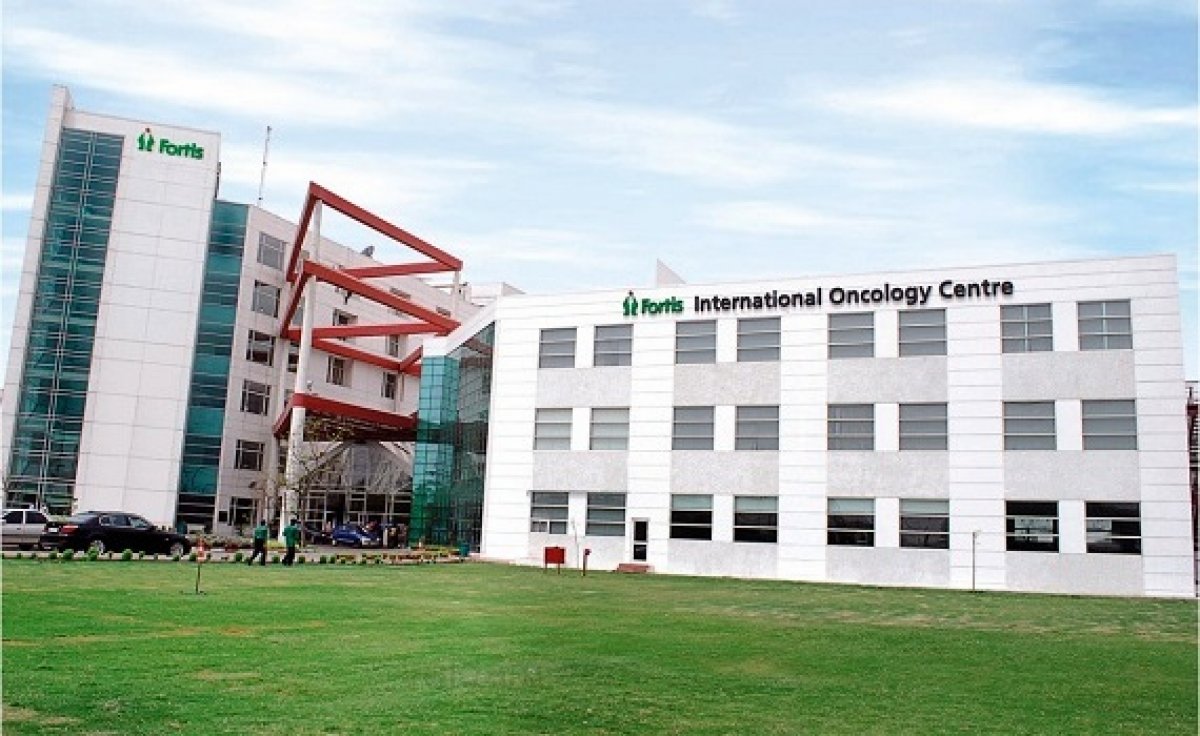
Hospital Fortis

Instituto de Investigación Fortis Memorial

Hospital Medanta Gurgaon

Hospital Indraprastha Apollo
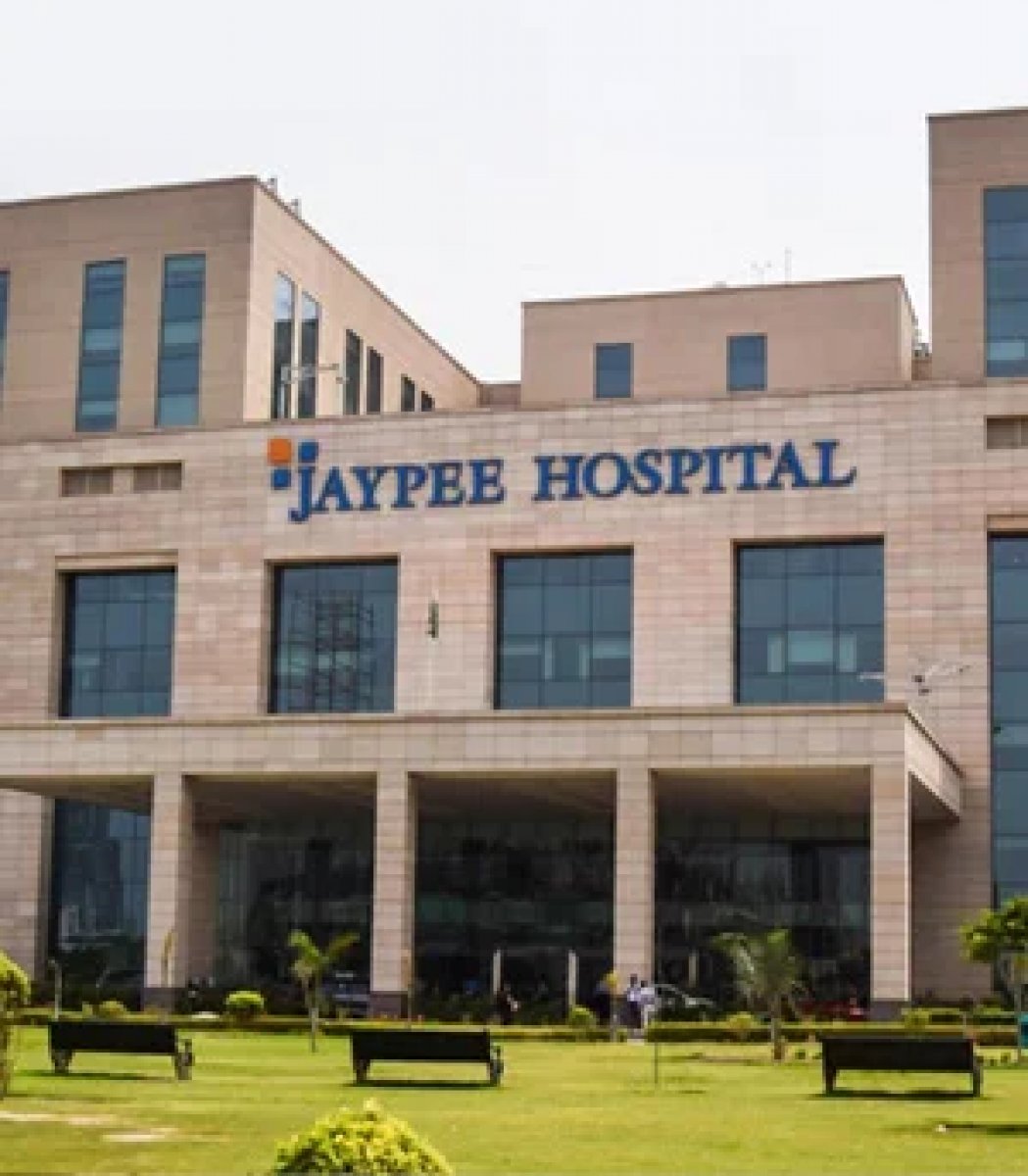
Jaypee Hospital
Obtenga una evaluación médica para Insuficiencia de la válvula aórtica en India: consulte con doctores experimentados ahora
Ver todos los médicos
Shridar Padagatti

Z S Meharwal
Compartir contenido
Historias en video de pacientes de Bookimed
 Olena Sikoza
Preguntas frecuentes sobre el tratamiento de Insuficiencia de la válvula aórtica en India
¿Se puede tratar la insuficiencia de la válvula aórtica sin cirugía a corazón abierto en la India?
La insuficiencia de la válvula aórtica puede tratarse en la India sin cirugía a corazón abierto mediante el implante de válvula aórtica transcatéter (TAVI). Centros cardíacos avanzados en Delhi, Mumbai y Gurgaon realizan este procedimiento mínimamente invasivo. Permite el reemplazo de la válvula a través de una pequeña incisión en la pierna sin abrir el tórax.
- Enfoque de tratamiento: TAVI proporciona un reemplazo no quirúrgico para pacientes de alto riesgo con válvulas con fugas.
- Acceso tecnológico: Instituciones importantes como el Apollo Hospital Indraprastha utilizan sistemas de administración basados en catéteres.
- Instalaciones acreditadas: Los mejores centros cuentan con certificaciones JCI y del National Accreditation Board for Hospitals (NABH).
- Tiempo de recuperación: Las estancias hospitalarias suelen oscilar entre 48 y 72 horas después del procedimiento.
Opinión de expertos de Bookimed: Aunque la India alberga importantes redes médicas como Apollo, que trata a 1.000.000 de pacientes al año, la candidatura a TAVI para fugas es altamente especializada. Nuestros datos muestran que los centros de gran volumen como el Global Hospital Chennai priorizan las técnicas mínimamente invasivas. Los pacientes deben verificar si una clínica tiene experiencia específica con regurgitación pura en lugar de solo estenosis.
Consenso
¿Cuáles son los mejores hospitales en la India para el tratamiento de la válvula aórtica?
Los mejores hospitales en la India para el tratamiento de la válvula aórtica incluyen Medanta The Medicity, Apollo Hospital Indraprastha y Fortis Escorts Heart Institute. Estos centros acreditados por la JCI se especializan en el reemplazo de válvula aórtica transcatéter (TAVR) y cirugía mínimamente invasiva. Reportan altas tasas de éxito en reparaciones y reemplazos valvulares complejos.
- Medanta The Medicity: Fundado por el cirujano cardíaco de renombre mundial Dr. Naresh Trehan en Gurgaon.
- Apollo Hospital Indraprastha: Mantiene una tasa de éxito del 95% en cirugías de reemplazo de válvula cardíaca.
- Global Hospital Chennai: El primero en la India en realizar trasplantes de corazón-riñón mínimamente invasivos.
- Artemis Hospitals: Reconocido por Newsweek como uno de los mejores hospitales del mundo en 2021.
Perspectiva del experto de Bookimed: Aunque las grandes redes como Apollo y Medanta dominan el panorama, busque centros con clínicas dedicadas a válvulas. Por ejemplo, el Global Hospital Chennai destaca porque aprovecha la IA y la cirugía robótica específicamente para intervenciones cardíacas complejas. Este enfoque tecnológico a menudo conduce a estancias hospitalarias más cortas en comparación con los enfoques quirúrgicos tradicionales.
Consenso de los pacientes: Los pacientes enfatizan elegir a un cirujano ba
¿Es mejor someterse a una reparación o a un reemplazo de la válvula aórtica?
La reparación de la válvula aórtica es mejor para preservar el tejido nativo y evitar el uso de anticoagulantes de por vida. Es ideal para válvulas con fugas, pero técnicamente exigente. El reemplazo sigue siendo el estándar para válvulas calcificadas o rígidas. Los centros indios como Apollo y Medanta ofrecen opciones tanto quirúrgicas como de TAVI mínimamente invasivas.
- Beneficios de la reparación: Mantiene el tejido nativo. Reduce el riesgo de infección. Elimina la necesidad de anticoagulantes de por vida.
- Necesidad de reemplazo: Requerido para válvulas severamente calcificadas. A menudo la única opción para la estenosis aórtica.
- Durabilidad del dispositivo: Las válvulas mecánicas duran décadas. Las válvulas de tejido biológico generalmente requieren reemplazo cada 10 a 20 años.
- Experiencia clínica: India alberga centros de alto volumen. Apollo Hospitals atiende a más de 1.000.000 de pacientes al año con atención cardíaca avanzada.
Perspectiva del experto de Bookimed: Concéntrese en el volumen quirúrgico en lugar de solo en la fama de la clínica. El Hospital Medanta fue fundado por un cirujano cardíaco de fama mundial y opera un enorme campus de 2,1 millones de pies cuadrados. Esta alta concentración de infraestructura especializada significa que sus equipos manejan reconstrucciones complejas con más frecuencia que los hospitales gen
¿Cuál es la diferencia entre un reemplazo de válvula mecánica y uno de tejido?
Las válvulas mecánicas son sintéticas y ofrecen una durabilidad de por vida, pero requieren anticoagulantes diarios para prevenir coágulos. Las válvulas de tejido son biológicas y no necesitan anticoagulación de por vida. Sin embargo, las válvulas de tejido suelen desgastarse en un plazo de 10 a 20 años. Los pacientes más jóvenes suelen elegir opciones mecánicas.
- Material: Las válvulas mecánicas utilizan carbono o aleaciones metálicas. Las válvulas de tejido utilizan tejido animal.
- Medicamentos: Los receptores de válvulas mecánicas deben tomar warfarina diariamente. Las válvulas de tejido no requieren anticoagulantes a largo plazo.
- Vida útil: Las válvulas sintéticas rara vez se desgastan. Las válvulas biológicas se calcifican y degradan naturalmente con el tiempo.
- Edad del paciente: Se prefiere la mecánica en menores de 50 años. La de tejido es común para mayores de 70 años.
Perspectiva de expertos de Bookimed: India alberga enormes centros especializados como el Apollo Hospital Indraprastha y el Global Hospital Chennai, que atienden a más de 800,000 pacientes al año. Los grandes centros a menudo ofrecen la implantación de válvula aórtica transcatéter (TAVI) como procedimiento secundario. Esta es una alternativa vital para los pacientes con válvulas de tejido que desean evitar futuras reoperaciones a corazón abierto.
Cons
¿Qué cualificaciones debo buscar en un cirujano cardíaco indio?
Los cirujanos cardíacos indios cualificados deben poseer un M.Ch. o DNB en cirugía cardiotorácica. Deben estar registrados en la Comisión Médica Nacional (NMC). Priorice a los cirujanos en hospitales acreditados por la JCI o NABH. Los especialistas líderes a menudo completan becas avanzadas en los EE. UU. o el Reino Unido.
- Títulos académicos: Deben poseer un M.Ch. o DNB en cirugía cardiotorácica y cardiovascular.
- Experiencia clínica: Verifique al menos 10 años de experiencia como consultor principal.
- Volumen quirúrgico: Seleccione expertos que realicen de 100 a 150 procedimientos cardíacos al año.
- Formación internacional: Busque credenciales FRCS o becas de instituciones médicas globales de primer nivel.
Perspectiva del experto de Bookimed: El éxito en los procedimientos aórticos depende tanto de la infraestructura hospitalaria como de la habilidad del cirujano. Instalaciones como el Global Hospital Chennai y el Apollo Indraprastha integran cirugía robótica e imágenes digitales avanzadas. Estas tecnologías respaldan los reemplazos de válvulas complejos y ayudan a garantizar una monitorización intensiva las 24 horas del día, los 7 días de la semana, para una recuperación óptima.
Consenso de los pacientes: Los pacientes enfatizan la importancia de encontrar un cirujano que explique la elección entre la reparación y
¿Cuánto tiempo debo permanecer en la India para todo el tratamiento?
El tratamiento de la insuficiencia de la válvula aórtica en la India requiere generalmente una estancia total de 21 a 28 días. Esta duración cubre el diagnóstico preoperatorio, el procedimiento quirúrgico y el tiempo de recuperación crucial. Los pacientes deben permanecer en el país hasta que los cirujanos proporcionen una autorización para volar.
- Fase de diagnóstico: Espere 2-3 días para análisis de sangre, ecocardiogramas y consultas cardíacas.
- Hospitalización: La cirugía cardíaca mayor suele requerir de 7 a 10 días de seguimiento hospitalario.
- Observación tras el alta: Los cirujanos recomiendan permanecer de 10 a 14 días adicionales para el cuidado de las heridas.
- Recuperación de TAVI: Los procedimientos transcatéter mínimamente invasivos pueden reducir el tiempo total a 14 días.
Perspectiva del experto de Bookimed: La coordinación de la atención cardíaca en la India es altamente eficiente en centros como Gurgaon y Delhi. El Hospital Medanta y los Hospitales Artemis operan campus masivos con más de 350 médicos cada uno. Esta escala permite realizar pruebas preoperatorias más rápidas que en instalaciones más pequeñas. Los pacientes deben elegir clínicas en estas ciudades para minimizar el tiempo de viaje entre su hotel y las citas de seguimiento.
Consenso de los pacientes: Los pacientes enfatizan la importancia
¿Cuál es el pronóstico de recuperación a largo plazo después de regresar a casa?
La recuperación a largo plazo después de un tratamiento de válvula aórtica en la India es un viaje progresivo que requiere varios meses. Los pacientes generalmente experimentan mejoras significativas en la resistencia y la falta de aliento. Los centros cardíacos indios especializados en reemplazo valvular reportan altas tasas de éxito en la independencia funcional después del alta.
- Recuperación física: La recuperación funcional completa generalmente requiere varios meses de actividad gradual.
- Aumento de la resistencia: Las ganancias de energía significativas a menudo surgen meses después de regresar del hospital.
- Enfoque en la movilidad: Caminar con frecuencia sirve como la herramienta principal para la rehabilitación a largo plazo.
- Monitoreo de síntomas: Los pacientes deben realizar un seguimiento de las palpitaciones, la hinchazón o la fiebre para una intervención temprana.
Perspectiva de expertos de Bookimed: La India alberga una de las redes médicas más grandes del mundo, con los hospitales Apollo atendiendo a más de 1,000,000 de pacientes al año. Los datos muestran que clínicas como el Global Hospital Chennai fueron pioneras en trasplantes de corazón-riñón mínimamente invasivos. Este alto volumen de procedimientos sugiere que los cirujanos indios a menudo manejan casos valvulares más complejos, lo que puede conducir a resultados a