Tratamiento de Desorden afectivo bipolar en Israel — obtenga 3 coincidencias personalizadas de clínicas


Revisado médicamente por
Fahad Mawlood
Cómo funciona
¿Cuál es el precio del diagnóstico y los tratamientos de Desorden afectivo bipolar en Israel? Descubra ahora
Descubra las mejores clínicas de tratamiento de Desorden afectivo bipolar en Israel: 3 opciones verificadas y Precios
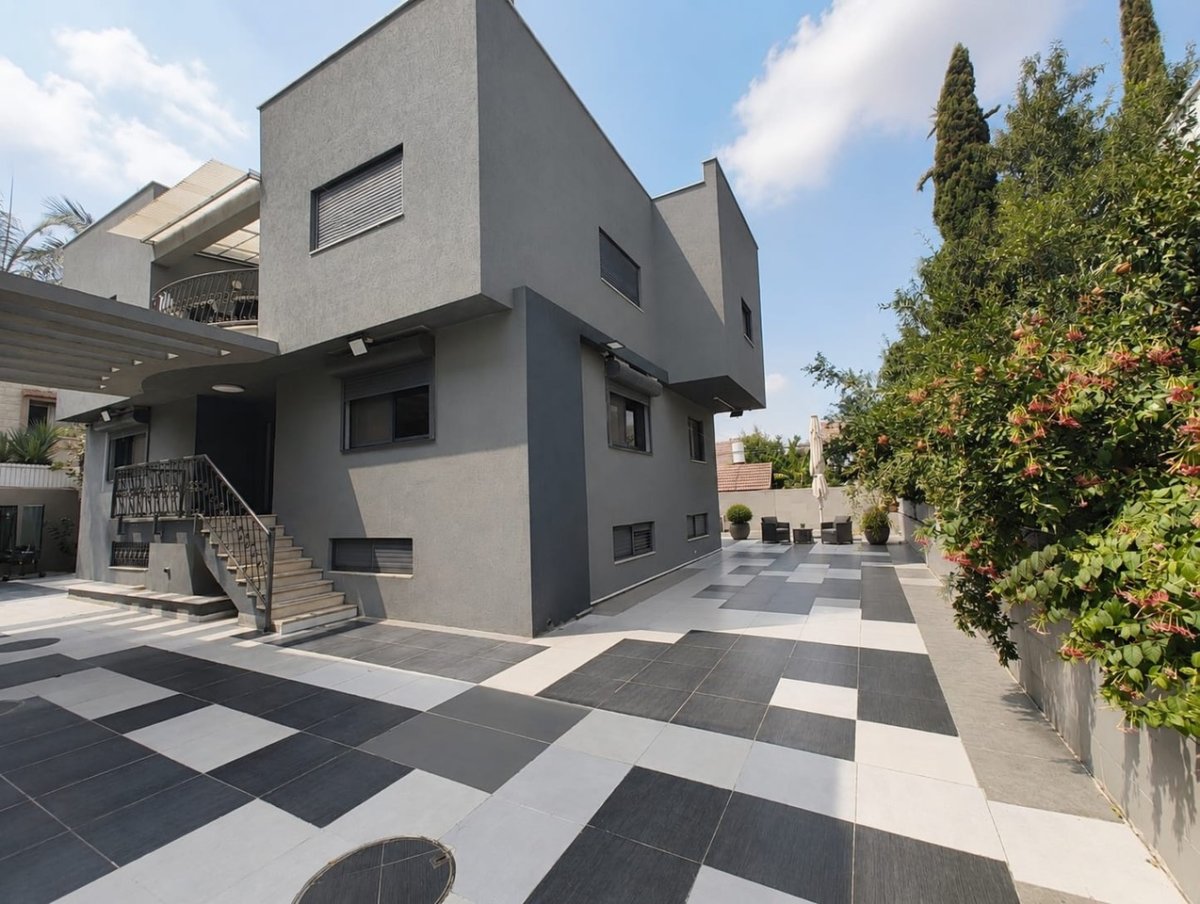


Centro médico Sourasky
Michael Krasnoshtein






IsraClinic
Obtenga una evaluación médica para Desorden afectivo bipolar en Israel: consulte con doctores experimentados ahora
Ver todos los médicos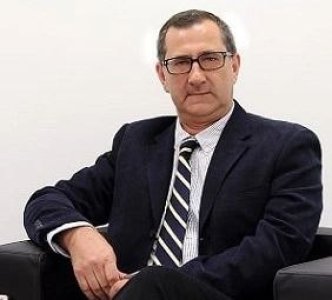
Semienov Mark
El Dr. Mark Semenov, MD, es psiquiatra especialista acreditado, con licencia del Ministerio de Salud de Israel desde 2002. Se graduó en la Facultad de Medicina Sackler de la Universidad de Tel Aviv y completó la residencia en psiquiatría.
Cuenta con formación de posgrado en medicina de las adicciones, gestión sanitaria y medicina de urgencias. Su práctica se centra en las adicciones y la patología dual (trastornos por consumo de sustancias con trastornos psiquiátricos concomitantes). B

Bella Gamliel
El psicoterapeuta se especializa en el tratamiento de adicciones, trastornos emocionales, traumas y dificultades conductuales. Con una Maestría en Ciencias en Psicoterapia Cognitivo-Conductual de la Universidad de Derby, el médico utiliza modalidades basadas en evidencia, incluyendo TCC, terapia de esquemas, DBT e intervenciones centradas en el trauma. La experiencia clínica abarca trastornos por consumo de sustancias, adicciones conductuales, ansiedad, depresión y diagnóstico dual.
Con
Michael Krasnoshtein
El Dr. Michael Krasnoshtein es un psiquiatra senior con más de _doctor_1878_ años de experiencia en el Centro Médico Sourasky. Dirige la unidad especializada de Estimulación Magnética Transcraneal Profunda (dTMS) de la clínica.
- Trata trastornos afectivos como el trastorno bipolar con dTMS, una técnica de estimulación cerebral no invasiva
- Ocupa cargos directivos tanto en el Centro Médico Sourasky como en los Servicios de Salud Maccabi
- Colabora en la docencia en la clínica médica de la Universidad de Tel Aviv
- Miembro de las asociaciones de psiquiatría y psiquiatría forense de Israel
- También trata la ansiedad, el TEPT, el TDAH y las afecciones relacionadas con el estrés
Compartir contenido
Historias en video de pacientes de Bookimed
 Olena Sikoza
Preguntas frecuentes sobre el tratamiento de Desorden afectivo bipolar en Israel
¿Es seguro y cuenta con acreditación internacional el tratamiento del trastorno afectivo bipolar en Israel?
El tratamiento del trastorno bipolar en Israel es seguro y cumple con los estándares psiquiátricos internacionales. Se mantienen altos niveles de seguridad mediante la licencia del Ministerio de Salud de Israel y la acreditación JCI en los principales centros. Instalaciones como el Sourasky Medical Center utilizan protocolos avanzados basados en evidencia y unidades especializadas para trastornos del estado de ánimo.
- Acreditación internacional: El Sourasky Medical Center cuenta con la acreditación JCI, el estándar de oro mundial.
- Tecnología especializada: Los centros ofrecen estimulación magnética transcraneal profunda (dTMS) y estudios de diagnóstico basados en EEG.
- Liderazgo experto: El Dr. Michael Krasnoshtein dirige unidades especializadas en estimulación magnética y hospitalización.
- Puntos de referencia de calidad: Los programas nacionales reportan más del 90% de cumplimiento con los estándares de velocidad de detección psiquiátrica.
Perspectiva del experto de Bookimed: Mientras que los grandes hospitales públicos como Sourasky atienden a más de 400,000 pacientes al año, las instalaciones privadas como IsraClinic ofrecen una alternativa más rápida. Nuestros datos muestran que las clínicas privadas especializadas a menudo logran resultados medibles en un plazo de 1 a 1.5 meses. Esto es particularmente valioso, ya que el sistema públ
¿Qué medicamentos y terapias basadas en evidencia se ofrecen para el trastorno bipolar en Israel?
Israel ofrece una gama completa de tratamientos basados en evidencia para el trastorno bipolar. Estos incluyen estabilizadores del estado de ánimo como el litio y la lamotrigina. Centros especializados ofrecen intervenciones avanzadas como la estimulación magnética transcraneal profunda (dTMS) y la terapia electroconvulsiva (ECT). Clínicas especializadas brindan estas terapias bajo las directrices del Ministerio de Salud.
- Estabilizadores del estado de ánimo: El litio, el valproato y la carbamazepina son estándar para prevenir la manía y la depresión.
- Antipsicóticos atípicos: La quetiapina y la olanzapina tratan episodios agudos y proporcionan mantenimiento a largo plazo.
- Neuromodulación: La estimulación magnética transcraneal profunda (dTMS) está disponible en unidades especializadas como Sourasky.
- Terapia psicosocial: La terapia cognitivo-conductual (TCC) y la terapia EMDR abordan los desencadenantes psicológicos subyacentes.
Perspectiva del experto de Bookimed: La psiquiatría israelí enfatiza la estabilización rápida a través de unidades especializadas. El Dr. Michael Krasnoshtein en el Sourasky Medical Center dirige una unidad dedicada tanto a dTMS como a ECT. Esto permite a los pacientes transicionar entre la medicación y las terapias de estimulación avanzadas dentro de la misma instalación. Este enfoque integrado a menudo conduce a
¿Cuánto tiempo necesitaré permanecer en Israel para la estabilización inicial del trastorno bipolar y el seguimiento?
La estabilización inicial del trastorno bipolar en Israel generalmente requiere de 4 a 6 semanas para obtener resultados óptimos. Los pacientes suelen someterse a una fase hospitalaria intensiva de 7 a 21 días para el ajuste de la medicación. La mayoría de los programas especializados recomiendan una estancia total de 1 a 1,5 meses para garantizar la estabilidad a largo plazo antes de regresar a casa.
- Fase de estabilización: Clínicas como IsraClinic suelen lograr la remisión inicial de los síntomas en un plazo de 4 a 6 semanas.
- Estancia hospitalaria: Los centros psiquiátricos generales en Israel informan de estancias medias de estabilización de 34 a 35 días.
- Pruebas de medicación: Evaluar la eficacia de los fármacos suele requerir 3 semanas para la manía y 6 para la depresión.
- Atención de seguimiento: Los protocolos de mantenimiento generalmente continúan de 6 meses a 2 años después de la remisión inicial.
Perspectiva del experto de Bookimed: Los datos de centros líderes como el Sourasky Medical Center muestran un cambio hacia la neuromodulación avanzada para acelerar la estabilización. El Dr. Michael Krasnoshtein dirige una unidad especializada que utiliza la Estimulación Magnética Transcraneal Profunda (dTMS) para los trastornos afectivos. Esta tecnología a menudo puede complementar los ensayos de medicación tradicionales. Proporciona
¿Debo traer mis registros médicos anteriores y se involucrará a mi psiquiatra de cabecera?
Los pacientes deben proporcionar registros médicos completos a las instalaciones israelíes para garantizar la seguridad y la continuidad del tratamiento. Su psiquiatra de cabecera generalmente gestiona la transición proporcionando un traspaso clínico. Compartir el historial ayuda a los especialistas en centros como el Sourasky Medical Center a evitar pruebas redundantes y perfeccionar los protocolos de medicación.
- Documentación requerida: Traiga resúmenes de alta, resultados de laboratorio e historiales detallados de medicación para su revisión.
- Protocolo de transferencia: Pida a su proveedor actual que envíe los registros a través de un correo electrónico cifrado y seguro.
- Resumen de traspaso: Su médico de cabecera debe describir su historial y sus objetivos de tratamiento específicos.
- Atención posterior al tratamiento: La mayoría de los pacientes regresan con su psiquiatra de cabecera para el control de síntomas a largo plazo.
Perspectiva del experto de Bookimed: La psiquiatría israelí enfatiza la estabilización rápida, con clínicas como IsraClinic apuntando a resultados en 1,5 meses. Nuestros datos muestran que los mejores especialistas, incluido el Dr. Michael Krasnoshtein, a menudo dirigen unidades especializadas para terapias avanzadas como la estimulación magnética transcraneal profunda (Deep TMS). Este alto nivel de especializac
¿Qué efectos secundarios o controles médicos debo esperar mientras tomo litio en Israel?
Los pacientes que toman litio en Israel se someten a controles sanguíneos regulares para gestionar el estrecho margen terapéutico. Los controles estándar incluyen los niveles séricos de litio, la función renal y el rendimiento de la tiroides. Estas pruebas aseguran que el medicamento siga siendo eficaz mientras se previene la toxicidad y el daño orgánico a largo plazo en entornos clínicos.
- Niveles séricos de litio: Las pruebas se realizan cada 5–7 días inicialmente hasta que los niveles alcanzan 0,6–1,2 mmol/L.
- Monitoreo de la función renal: Los médicos realizan un seguimiento de la creatinina y la TFGe cada 3–6 meses para proteger los riñones.
- Examen de tiroides: Las pruebas periódicas de TSH identifican el hipotiroidismo, que afecta al 20–40% de los usuarios a largo plazo.
- Seguimiento metabólico: Los proveedores de atención médica monitorean el aumento de peso y los niveles de calcio al menos una vez al año.
Perspectiva del experto de Bookimed: Aunque muchos se centran solo en los niveles sanguíneos, especialistas israelíes líderes como el Dr. Michael Krasnoshtein enfatizan los exámenes de referencia. Los datos del Sourasky Medical Center muestran que los ECG y los paneles renales previos al tratamiento son estándar. Este enfoque proactivo en centros acreditados por la JCI ayuda a identificar riesgos preexistentes antes de administrar
¿Afectarán las barreras lingüísticas o culturales a mi tratamiento en Israel?
Las barreras lingüísticas y culturales rara vez afectan la calidad del tratamiento en Israel porque el sistema de salud está diseñado para pacientes internacionales. Los grandes centros como el Sourasky Medical Center (Ichilov) emplean personal multilingüe y ofrecen servicios de traducción oficiales. La mayoría de los especialistas en psiquiatría hablan inglés con fluidez y a menudo poseen credenciales médicas occidentales.
- Fluidez del personal médico: Muchos médicos, como el Dr. Michael Krasnoshtein, se formaron en instituciones occidentales.
- Apoyo oficial: Los grandes hospitales cuentan con departamentos internacionales dedicados a gestionar toda la comunicación.
- Estándares regulatorios: Israel exige competencia cultural, obligando a las instalaciones a respetar las diversas necesidades religiosas.
- Recursos digitales: Los fondos de salud proporcionan documentación, sitios web y aplicaciones móviles en inglés.
Perspectiva del experto de Bookimed: Los datos muestran que las clínicas privadas especializadas como IsraClinic en Tel Aviv son más adecuadas para pacientes occidentales. Estas instalaciones se centran exclusivamente en la psiquiatría y la psicoterapia basadas en la psicoergonomía. Aunque los grandes hospitales públicos son excelentes, las clínicas privadas a menudo eliminan el estilo de comunicación directo típico de la medicin
¿Puedo recibir TEC (terapia electroconvulsiva) como turista médico y cuál es el protocolo de seguridad?
Los turistas médicos pueden recibir terapia electroconvulsiva en Israel bajo estrictos protocolos de seguridad. Los pacientes se someten a una evaluación cardíaca, un examen neurológico y deben dar su consentimiento informado. El tratamiento implica anestesia general y relajantes musculares. Centros especializados como el Sourasky Medical Center ofrecen observación post-procedimiento de 24 horas para monitorear la recuperación cognitiva y la estabilidad de los signos vitales.
- Examen previo al tratamiento: Los pacientes deben completar electrocardiogramas y análisis de sangre antes de las sesiones.
- Protocolo de anestesia: Los psiquiatras y anestesiólogos utilizan medicamentos de acción corta para la comodidad del paciente.
- Monitoreo de convulsiones: Los médicos utilizan un electroencefalograma (EEG) para rastrear la actividad cerebral durante el tratamiento.
- Opciones de electrodos: Los especialistas ofrecen colocación unilateral o bilateral para equilibrar la eficacia y la memoria.
Perspectiva de expertos de Bookimed: Los protocolos psiquiátricos israelíes a menudo superan los requisitos internacionales estándar al exigir una observación hospitalaria de 24 horas después de cada sesión. Esto es estándar en instalaciones multidisciplinarias como el Sourasky Medical Center, que atiende a más de 400,000 pacientes al año. Elegir un hospital g
¿Por qué Israel es uno de los principales destinos para la neurocirugía?
Israel es un centro líder en neurocirugía gracias a su combinación de avances médicos de alta tecnología y una experiencia quirúrgica de primer nivel. Instalaciones avanzadas como el Centro Médico Sheba utilizan sistemas de navegación basados en IA y resonancia magnética intraoperatoria en tiempo real. Centros especializados reportan una tasa de éxito del 98% en procedimientos complejos, como la craneotomía con el paciente despierto y el tratamiento de trastornos del movimiento.
- Tecnología avanzada: Las clínicas utilizan ultrasonido enfocado guiado por resonancia magnética (MRgFUS) y sistemas robóticos para realizar incisiones.
- Experiencia quirúrgica: Cirujanos como el Dr. Zvi Ram lideran asociaciones internacionales con más de 25 años de experiencia.
- Acceso rápido: Los pacientes internacionales generalmente pueden programar cirugías complejas de cerebro o columna en un plazo de 2 a 4 semanas.
- Atención médica acreditada: Grandes centros como Sourasky (Ichilov) y Assuta están acreditados por la JCI, lo que confirma su seguridad.
Opinión experta de Bookimed: Los datos muestran una clara diferencia entre las opciones de tratamiento públicas y privadas en Israel. Centros privados, como el Centro Médico Assuta, realizan más de 92.000 cirugías al año y permiten a los pacientes elegir a un cirujano líder específico. Esto supone una ventaja signi
¿Qué tipos de enfermedades neuroquirúrgicas se tratan en Israel?
Los neurocirujanos israelíes tratan una amplia gama de afecciones, desde tumores cerebrales y de médula espinal hasta trastornos funcionales complejos. Los centros especializados utilizan tecnologías de vanguardia, como el bisturí de rayos gamma, la estimulación cerebral profunda y la resonancia magnética intraoperatoria, para un diagnóstico altamente preciso de la epilepsia, la enfermedad de Parkinson y las patologías cerebrovasculares.
- Enfermedades oncológicas: tratamiento de gliomas, meningiomas y tumores hipofisarios mediante resección de la base del cráneo.
- Trastornos funcionales: tratamiento de la enfermedad de Parkinson y del temblor esencial mediante estimulación cerebral profunda.
- Patologías de columna: corrección de escoliosis, hernias discales y tumores espinales mediante sistemas robóticos.
- Tratamiento de las enfermedades cerebrovasculares: tratamiento quirúrgico de aneurismas cerebrales y malformaciones arteriovenosas mediante intervenciones endovasculares.
- Neurocirugía pediátrica: atención especializada en hidrocefalia y anomalías congénitas en centros pediátricos especializados.
Opinión experta de Bookimed: Los hospitales israelíes suelen combinar diversas especialidades para abordar casos complejos. En el Centro Médico Sourasky, neurocirujanos como el Dr. Zvi Lidar combinan neurocirugía y ortopedi
¿Qué hospitales en Israel son más conocidos por sus departamentos de neurocirugía?
Israel alberga centros neuroquirúrgicos de renombre mundial, como el Centro Médico Sourasky, el Centro Médico Sheba y el Centro Médico Hadassah. Estas instituciones son líderes mundiales en el tratamiento de tumores cerebrales complejos, enfermedades de la columna vertebral y trastornos del movimiento. Utilizan tecnologías de vanguardia como el bisturí de rayos gamma, sistemas robóticos y resonancia magnética intraoperatoria.
- Suraski (Ichilov): realiza más de 2.500 operaciones neuroquirúrgicas al año en Tel Aviv con una tasa de éxito del 98%.
- Centro Médico Sheba: clasificado entre los diez mejores hospitales del mundo, trata a 1,9 millones de pacientes al año.
- Centro Médico Hadassah: Nominado al Premio Nobel de la Paz. Líder en neurocirugía pediátrica y terapia génica.
- Centro Médico Assuta: el centro médico privado más grande de Israel. Especializado en cirugías mínimamente invasivas de columna y cerebro.
- Hospital Infantil Schneider: un centro líder en neurocirugía pediátrica que trata a 275.000 niños al año.
Opinión experta de Bookimed: Nuestros datos muestran que, si bien la mayoría de los pacientes buscan tratamiento en Tel Aviv, el Centro Médico Rambam en Haifa ofrece una atención única para neurotraumatismos. Cuenta con una unidad especializada en cuidados neurocríticos que atiende a aproximadamente un milló