
Centro médico Sourasky
Israel, Tel Aviv
Ofer Merimsky
41 años de experiencia

acreditaciones : 
Clínica certificada por : 




Revisado médicamente por
Fahad Mawlood
Experto líder en sarcomas óseos y de tejidos blandos: el Prof. Merimsky dirige el departamento de sarcomas en el Centro Médico Sourasky.
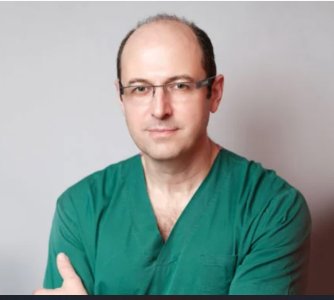
El Dr. Yuri Goldes es cirujano general con más de 20 años de experiencia clínica. Se especializa en cirugía gastrointestinal alta y oncológica. Es subdirector del Departamento de Cirugía General y Trasplante del Centro Médico Sheba en Tel Aviv y dirige la Unidad de Cirugía Gastrointestinal Alta. En 2025 fue incluido en la lista de los Mejores Médicos de Forbes Israel. Está entre los mejores cirujanos gastrointestinales de Israel según Forbes. En 2019 recibió el premio “Médico del Año” del Min

Dirige el Departamento de Lesiones Óseas Metastásicas en el Centro Médico Ichilov, centrándose específicamente en cánceres óseos complejos como el cordoma.
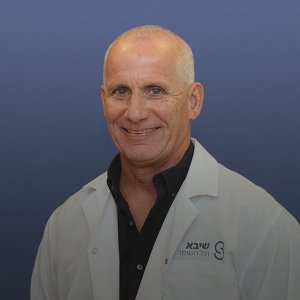
El profesor Raanan Berger, MD, PhD, es oncólogo médico y radioterapeuta. Es director del Centro Oncológico del Sheba Medical Center y dirige su unidad de investigación clínica. Fue incluido en la lista “Best Doctors” de Forbes Israel (2025). Lidera el programa de oncología genitourinaria, con enfoque en el cáncer de próstata. Su práctica incluye terapia sistémica y radioterapia en un modelo multidisciplinario centrado en el paciente.
Es especialista en oncología. Obtuvo los títulos de
 Olena Sikoza
La cirugía de cordoma en Israel conlleva riesgos neurológicos que dependen de la ubicación del tumor y su proximidad a los nervios. Los procedimientos en la base del cráneo pueden causar tasas de déficit neurológico del 15%, mientras que las resecciones sacras provocan disfunción urinaria o intestinal en hasta el 81,5% de los casos. La navegación de precisión y los equipos multidisciplinarios ayudan a preservar las funciones críticas.
Perspectiva del experto de Bookimed: Los centros de oncología israelíes como el Sourasky Medical Center reportan una tasa de éxito del 90% en el tratamiento de tumores complejos. Este alto rendimiento se debe al enorme volumen quirúrgico, con Sourasky y Assuta realizando juntos más de 125.000 operaciones al año. Los pacientes deben tener en cuenta que estos centros de alto volumen a
Los cirujanos israelíes realizan un gran volumen de resecciones de cordoma en centros especializados como el Sourasky Medical Center. Los equipos se especializan en la resección en bloque y en abordajes transorbitales mínimamente invasivos. Entre los principales expertos se encuentran el Dr. Ofer Merimsky y el Dr. Jakov Bikels. Las instalaciones combinan plataformas robóticas con navegación 3D en tiempo real para preservar la función neurológica.
Perspectiva del experto de Bookimed: Los centros oncológicos israelíes demuestran una gran experiencia en tumores óseos raros. Solo el Sourasky Medical Center trata a más de 1.800.000 pacientes al año y reporta una tasa de éxito promedio del 90% en oncología. Este volumen permite a cirujanos como el Dr. Jakov Bikels especializarse profundamente
La recuperación después de una cirugía de cordoma sacro en Israel se centra en una rehabilitación intensiva para restaurar la movilidad y gestionar los cambios neurológicos. Los pacientes suelen pasar de 6 a 12 meses en terapia especializada. Los equipos multidisciplinarios priorizan la preservación de los nervios y la estabilidad pélvica mediante fisioterapia y terapia ocupacional en centros acreditados por la JCI.
Perspectiva del experto de Bookimed: Los centros médicos israelíes como Sourasky, que realiza más de 34 000 operaciones al año, integran la oncología y la rehabilitación en una sola instalación. Esta estructura permite a cirujanos como el Dr. Jakov Bikels coordinarse directamente con especialistas en rehabilitación. Los datos sugieren que los pacientes se benefi
El tratamiento completo del cordoma en Israel suele requerir una estancia de 21 a 30 días. Este cronograma cubre la estadificación preoperatoria, la neurocirugía especializada y el seguimiento inicial crítico. La mayoría de los pacientes pasan de 7 a 10 días hospitalizados. Debe permanecer en el país durante 14 días después del alta para gestionar la seguridad del vuelo.
Perspectiva de expertos de Bookimed: Los centros oncológicos israelíes como el Sourasky Medical Center informan una tasa de éxito del 90%. Los centros de alto volumen realizan 34.000 operaciones al año, lo que garantiza que los equipos quirúrgicos tengan mucha práctica. Elegir un centro con acreditación JCI y clasificaciones de Newsweek proporciona un marco de seguridad verificado para tumores óseos complejos. Esta correlación entre volumen y resultados es un indicador de calidad clave en las clínic
El Centro Médico Tel Aviv Sourasky y el Centro Médico Sheba son los principales hospitales israelíes para el tratamiento de cordomas de alto volumen. Estas instituciones acreditadas por la JCI gestionan casos complejos de columna vertebral y base del cráneo. Combinan neurocirugía avanzada con radioterapia guiada por resonancia magnética para garantizar altas tasas de éxito.
Opinión de expertos de Bookimed: Si bien Sheba y Sourasky son gigantes públicos, el Centro Médico Assuta ofrece una alternativa privada. Realiza 92.000 operaciones anuales con una atención más personalizada. Los pacientes a menudo eligen Assuta cuando desean seleccionar manualmente a su cirujano específico. Esta flexibilidad es poco común en los hospitales estatales más grandes donde se asignan los equipos.
Consenso de los pacientes: Los pacientes señalan que los centros israelíes ofrecen r
La elegibilidad para una cirugía en Israel depende del estatus administrativo y de la preparación clínica determinada por una evaluación multidisciplinaria. Los pacientes extranjeros deben obtener una invitación formal del hospital y asegurar una visa. Los criterios clínicos se centran en la resecabilidad del tumor, la puntuación de riesgo preoperatorio y el consentimiento informado obligatorio del paciente.
Perspectiva del experto de Bookimed: Los datos de los principales centros de Tel Aviv, como el Sourasky Medical Center (Ichilov), muestran que la elegibilidad para casos complejos de huesos y tejidos blandos a menudo depende del volumen específico de experiencia del cirujano. El Prof. Dr. Ofer Merimsky y otros especialistas en grandes centros multidisciplinarios pueden aceptar casos complejos que los hospitales más pequeños
Israel es un centro líder en neurocirugía gracias a su combinación de avances médicos de alta tecnología y una experiencia quirúrgica de primer nivel. Instalaciones avanzadas como el Centro Médico Sheba utilizan sistemas de navegación basados en IA y resonancia magnética intraoperatoria en tiempo real. Centros especializados reportan una tasa de éxito del 98% en procedimientos complejos, como la craneotomía con el paciente despierto y el tratamiento de trastornos del movimiento.
Opinión experta de Bookimed: Los datos muestran una clara diferencia entre las opciones de tratamiento públicas y privadas en Israel. Centros privados, como el Centro Médico Assuta, realizan más de 92.000 cirugías al año y permiten a los pacientes elegir a un cirujano líder específico. Esto supone una ventaja signi
Los neurocirujanos israelíes tratan una amplia gama de afecciones, desde tumores cerebrales y de médula espinal hasta trastornos funcionales complejos. Los centros especializados utilizan tecnologías de vanguardia, como el bisturí de rayos gamma, la estimulación cerebral profunda y la resonancia magnética intraoperatoria, para un diagnóstico altamente preciso de la epilepsia, la enfermedad de Parkinson y las patologías cerebrovasculares.
Opinión experta de Bookimed: Los hospitales israelíes suelen combinar diversas especialidades para abordar casos complejos. En el Centro Médico Sourasky, neurocirujanos como el Dr. Zvi Lidar combinan neurocirugía y ortopedi
Israel alberga centros neuroquirúrgicos de renombre mundial, como el Centro Médico Sourasky, el Centro Médico Sheba y el Centro Médico Hadassah. Estas instituciones son líderes mundiales en el tratamiento de tumores cerebrales complejos, enfermedades de la columna vertebral y trastornos del movimiento. Utilizan tecnologías de vanguardia como el bisturí de rayos gamma, sistemas robóticos y resonancia magnética intraoperatoria.
Opinión experta de Bookimed: Nuestros datos muestran que, si bien la mayoría de los pacientes buscan tratamiento en Tel Aviv, el Centro Médico Rambam en Haifa ofrece una atención única para neurotraumatismos. Cuenta con una unidad especializada en cuidados neurocríticos que atiende a aproximadamente un milló
Entre los neurocirujanos israelíes más destacados se encuentran los profesores Zvi Ram, Shlomi Constantini e Itzhak Fried, del Centro Médico Sourasky. Estos especialistas ocupan puestos de liderazgo en la Asociación Europea de Sociedades de Neurocirugía (EANS) y la Sociedad Mundial de Neurocirugía Estereotáctica y Funcional (WSSFN). Utilizan técnicas avanzadas de mapeo intraoperatorio y sistemas robóticos.
Opinión de los expertos de Bookimed: Los datos de Sourasky y Sheba indican una fuerte correlación entre un alto volumen quirúrgico y la seguridad del paciente. Por ejemplo, Sourasky realiza más de 34.000 cirugías oncológicas al año con una tasa de éxito del 90 %. Los pacientes que requieren la extirpación de un tumor complejo deberían priorizar centros como estos, donde los cirujanos realizan cientos de procedimientos especializados al año.

