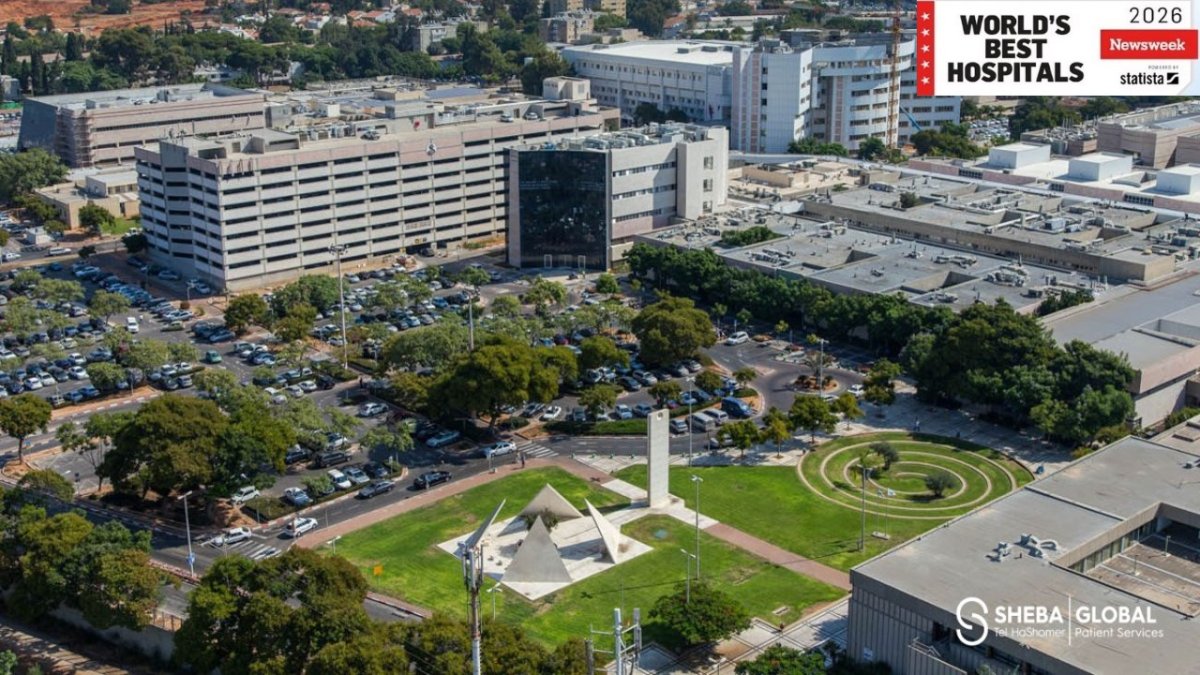
Centro médico Sourasky
Israel, Tel Aviv
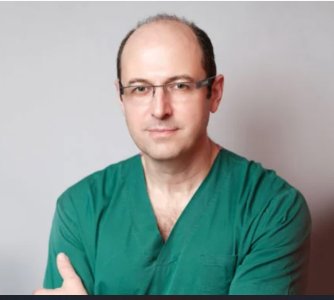
Ofer Merimsky
41 años de experiencia

acreditaciones : 
Clínica certificada por : 





Revisado médicamente por
Fahad Mawlood
De $1,500. Los gastos totales dependen de la etapa clínica, los ciclos de quimioterapia requeridos y la complejidad quirúrgica. Los pacientes a menudo ahorran entre un 30 y un 50% en comparación con los Estados Unidos. La atención de alta calidad se concentra en Tel Aviv, Jerusalén y Haifa.
Costos típicos del tratamiento del sarcoma de Ewing en Israel
Perspectiva de expertos de Bookimed: Los casos complejos que requieren experiencia multidisciplinaria se gestionan mejor en centros como el Centro Médico Sourasky. Alberga el Centro Nacional de Sarcoma de Israel bajo la dirección del Prof. Ofer Merimsky. Para pacientes pediátricos, el Centro Médico Hadassah ofrece programas especializados de oncohematología con médicos incluidos en la lista de Forbes. La atención quirúrgica privada en el Centro Médico Assuta brinda una gran capacidad de elección al paciente y coordina más de 92,000 operaciones al año.
| Israel | España | Turquía | |
|---|---|---|---|
| Tratamiento complejo del sarcoma de Ewing | ≈ $95,000 | de $11,200 | de $38,000 |
| Resección ósea | ≈ $14,500 | de $16,800 | de $9,000 |
| Radioterapia para sarcomas | ≈ $12,000 | de $9,000 | de $5,000 |
| Radioterapia para el cáncer colorrectal | ≈ $14,000 | de $7,500 | de $5,000 |
| Quimioterapia para el cáncer de mama | ≈ $22,500 | de $1,700 | de $3,000 |
El Prof. Merimsky dirige el Centro Nacional de Sarcomas de Huesos y Tejidos Blandos de Israel en el Centro Médico Sourasky, especializándose exclusivamente en casos de sarcoma.

La Dra. Ronit El Hasid es una experta líder en trasplantes de médula ósea pediátricos, habiendo realizado más de 300 de estos procedimientos que salvan vidas en niños.
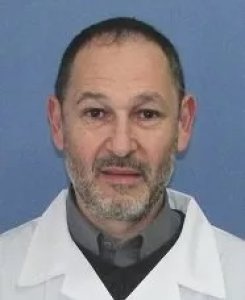
El Prof. Zvi Cohen es director del Departamento de Neurocirugía y de la Unidad de Neurooncología del Centro Médico Sheba. Neurocirujano y experto en neurooncología, fue incluido en la lista de los Mejores Médicos 2025 de Forbes Israel. Lidera investigación clínica sobre terapias farmacológicas para tumores cerebrales malignos y fundó el banco de tejidos de tumores cerebrales de Sheba.
Es especialista certificado en neurocirugía. Se formó en la Universidad de Tel Aviv y realizó subespec
El Dr. Yuri Goldes es cirujano general con más de 20 años de experiencia clínica. Se especializa en cirugía gastrointestinal alta y oncológica. Es subdirector del Departamento de Cirugía General y Trasplante del Centro Médico Sheba en Tel Aviv y dirige la Unidad de Cirugía Gastrointestinal Alta. En 2025 fue incluido en la lista de los Mejores Médicos de Forbes Israel. Está entre los mejores cirujanos gastrointestinales de Israel según Forbes. En 2019 recibió el premio “Médico del Año” del Min
 Olena Sikoza
Los centros médicos israelíes informan una tasa de supervivencia a 5 años del 82 % para el sarcoma de Ewing localizado. El éxito depende del estadio de la enfermedad y de los protocolos de tratamiento. Los centros oncológicos especializados en Tel Aviv y Jerusalén logran una remisión completa en el 70 % de los casos tratados.
Perspectiva del experto de Bookimed: La excelencia oncológica israelí está impulsada por la experiencia multidisciplinaria en centros como Sourasky, que reporta una tasa de éxito promedio del 90 %. El Dr. Ofer Merimsky dirige allí unidades especializadas en sarcomas óseos. Los centros de alto volumen suelen combinar la cirugía con trasplantes de médula ósea en casos pediátricos para mejorar los resultados.
Consenso de los pacientes: Los pacientes destacan que, aunque las estadísticas públicas son escasas, los equipos multidisciplinari
Los principales hospitales israelíes especializados en el sarcoma de Ewing incluyen el Centro Médico Sheba, el Centro Médico Sourasky y el Centro Médico Rambam. Estas instalaciones suelen contar con la acreditación de la Joint Commission International (JCI). Los centros especializados utilizan medicina de precisión y equipos multidisciplinarios para tratar tumores complejos de huesos y tejidos blandos.
Perspectiva del experto de Bookimed: Mientras que el Centro Médico Sheba ocupa el séptimo lugar a nivel mundial para 2026, Sourasky informa una tasa de éxito oncológico del 90%. Los pacientes que buscan atención pediátrica deben tener en cuenta que la Dra. Hana Golan en Sheba y el Dr. Dror Levin en Sourasky se especializan específicamente en la coordinación de sarcomas pediátricos. Comparar estos centros es vital, ya que Sourasky atiende a 400,000 pacientes al año, mientras que Sheba ma
Los centros de oncología israelíes ofrecen un tratamiento multimodal que incluye quimioterapia de alta dosis, cirugía de preservación de extremidades y trasplante de médula ósea. Instalaciones como el Centro Médico Sheba utilizan imágenes PET/CT y perfiles moleculares para adaptar los protocolos. Las unidades especializadas se centran en casos pediátricos utilizando técnicas avanzadas como el rescate con células madre y terapias CAR-T.
Perspectiva de expertos de Bookimed: Si bien la quimioterapia sigue siendo el estándar, clínicas como Sheba y Sourasky se diferencian por el volumen y la especialización. El Dr. Boaz Liberman en Sheba se centra en los resultados funcionales utilizando ultrasonido guiado por resonancia magnética. Sourasky informa una tasa de éxito oncológico del 90% con expertos como el Dr. Ofer Merims
El tratamiento del sarcoma de Ewing en Israel suele requerir una estancia de 30 días para procedimientos avanzados como los trasplantes de médula ósea. El diagnóstico suele llevar de 3 a 4 días. Los ciclos de terapia complejos o los tratamientos celulares a menudo prolongan la estancia a 21 días o más para garantizar una monitorización segura.
Perspectiva del experto de Bookimed: Aunque una estancia de 30 días es estándar para trasplantes complejos en centros como el Sheba Medical Center, los pacientes deben centrarse en lo que incluye el paquete. La mayoría de los paquetes israelíes de alto nivel ya incluyen enfermería las 24 horas y comidas supervisadas por nutricionistas durante esa estancia de un mes. Esto reduce significativamente la carga logística durante un período de recuperación tan intenso.
Consenso de los pacie
La vigilancia del sarcoma de Ewing implica un calendario estricto de pruebas de imagen y análisis de sangre para controlar posibles recidivas. Los pacientes suelen someterse a exploraciones PET-TC, radiografías de tórax e imágenes del sitio local cada tres meses durante los dos primeros años. Estos protocolos garantizan una detección temprana. Los centros oncológicos de Israel proporcionan planes detallados para la transición al hogar.
Perspectiva del experto de Bookimed: Aunque los principales centros como el Sheba Medical Center atienden a más de 2 millones de pacientes al año, el seguimiento del sarcoma de Ewing es altamente personalizado según la ubicación inicial del tumor. Por ejemplo, la Dra. Iris Kventsel en Sheba se especializa en trasplantes de médula ósea pediátricos, donde el seguimiento a menudo incluye mineralometría ósea computariz
La cirugía de salvamento de extremidades es posible en aproximadamente el 90% de los casos oncológicos en Israel. Los cirujanos priorizan salvar la extremidad a menos que el tumor afecte nervios o vasos sanguíneos importantes. La amputación solo es necesaria si la extirpación del tumor resultara en una extremidad no funcional o pusiera en riesgo la vida.
Perspectiva de expertos de Bookimed: Los especialistas israelíes como el Dr. Boaz Liberman a menudo utilizan una formación de alto volumen de centros canadienses y estadounidenses para realizar reconstrucciones esqueléticas complejas. El Centro Médico Sheba ofrece de forma única la tecnología MRgFUS. Esto permite el tratamiento no invasivo de ciertas lesiones óseas. Esta tecnología puede preservar la integridad ósea antes de considerar una cirugía invasiva. Esta combinac
Los pacientes que viajan a Israel para recibir tratamiento contra el sarcoma de Ewing requieren un pasaporte válido y, a menudo, una visa médica B2. Los preparativos médicos avanzados incluyen la traducción de escaneos e informes previos al inglés. Las revisiones patológicas previas a la llegada y las teleconsultas con oncólogos ayudan a confirmar la preparación para el tratamiento y a evitar retrasos innecesarios al aterrizar.
Perspectiva de expertos de Bookimed: Los centros oncológicos israelíes como el Sheba Medical Center a menudo requieren puntos de referencia de diagnóstico muy específicos. Nuestros datos muestran que los mejores centros incluyen exámenes integrales previos al trasplante en sus paquetes. Aunque algunos paquetes, como el trasplante de médula ósea de 160.000 dólares de Sheba, incluyen un diagnóstico completo, los pacientes deben enviar sus análisis de
Israel es un centro líder en neurocirugía gracias a su combinación de avances médicos de alta tecnología y una experiencia quirúrgica de primer nivel. Instalaciones avanzadas como el Centro Médico Sheba utilizan sistemas de navegación basados en IA y resonancia magnética intraoperatoria en tiempo real. Centros especializados reportan una tasa de éxito del 98% en procedimientos complejos, como la craneotomía con el paciente despierto y el tratamiento de trastornos del movimiento.
Opinión experta de Bookimed: Los datos muestran una clara diferencia entre las opciones de tratamiento públicas y privadas en Israel. Centros privados, como el Centro Médico Assuta, realizan más de 92.000 cirugías al año y permiten a los pacientes elegir a un cirujano líder específico. Esto supone una ventaja signi
Los neurocirujanos israelíes tratan una amplia gama de afecciones, desde tumores cerebrales y de médula espinal hasta trastornos funcionales complejos. Los centros especializados utilizan tecnologías de vanguardia, como el bisturí de rayos gamma, la estimulación cerebral profunda y la resonancia magnética intraoperatoria, para un diagnóstico altamente preciso de la epilepsia, la enfermedad de Parkinson y las patologías cerebrovasculares.
Opinión experta de Bookimed: Los hospitales israelíes suelen combinar diversas especialidades para abordar casos complejos. En el Centro Médico Sourasky, neurocirujanos como el Dr. Zvi Lidar combinan neurocirugía y ortopedi
Israel alberga centros neuroquirúrgicos de renombre mundial, como el Centro Médico Sourasky, el Centro Médico Sheba y el Centro Médico Hadassah. Estas instituciones son líderes mundiales en el tratamiento de tumores cerebrales complejos, enfermedades de la columna vertebral y trastornos del movimiento. Utilizan tecnologías de vanguardia como el bisturí de rayos gamma, sistemas robóticos y resonancia magnética intraoperatoria.
Opinión experta de Bookimed: Nuestros datos muestran que, si bien la mayoría de los pacientes buscan tratamiento en Tel Aviv, el Centro Médico Rambam en Haifa ofrece una atención única para neurotraumatismos. Cuenta con una unidad especializada en cuidados neurocríticos que atiende a aproximadamente un milló