Tratamiento de Leucemia en Israel — obtenga 3 coincidencias personalizadas de clínicas


Revisado médicamente por
Fahad Mawlood
Cómo funciona
¿Cuál es el precio del diagnóstico y los tratamientos de Leucemia en Israel? Descubra ahora
Leukemia treatment cost in Israel varies by therapy type, with bone marrow biopsy ranges from $1,100 to $1,900 and chemotherapy for leukemia between $18,000 and $31,000. Total expenses depend on the leukemia subtype, treatment stage, and hospital choice. Patients typically save 40-60% compared to the US. Top cities for these specialized hematological services include Tel Aviv, Jerusalem, and Ramat Gan.
Typical Leukemia Treatment Costs in Israel
- Consultation with a hematologist: $280 – $420
- Bone marrow biopsy: $1,100 – $1,900
- Cytogenetic study of the bone marrow: $900 – $1,600
- Leukemia chemotherapy: $18,000 – $31,000
- Chemotherapy for breast cancer: $22,500 – $36,000
Bookimed Expert Insight: Pediatric patients with resistant leukemia benefit most from Sheba Medical Center's advanced CAR-T program. Their specialized package starts around $86,000. For complex cases requiring transplantation, Sheba offers allogeneic bone marrow transplants for approximately $167,000. These comprehensive programs include 21 to 30 days of hospitalization. Expert Amos Toren leads these pioneering immunotherapy protocols at this JCI-accredited facility.
| Israel | España | Turquía | |
|---|---|---|---|
| Terapia CAR-T | de $70,000 | de $386,200 | de $200,000 |
| Quimioterapia para el cáncer de mama | ≈ $22,500 | de $1,700 | de $3,000 |
| Quimioterapia contra la leucemia | ≈ $18,000 | de $6,200 | de $44,400 |
| Aféresis terapéutica | ≈ $1,400 | ≈ $1,400 | de $4,500 |
Descubra las mejores clínicas de tratamiento de Leucemia en Israel: 6 opciones verificadas y Precios
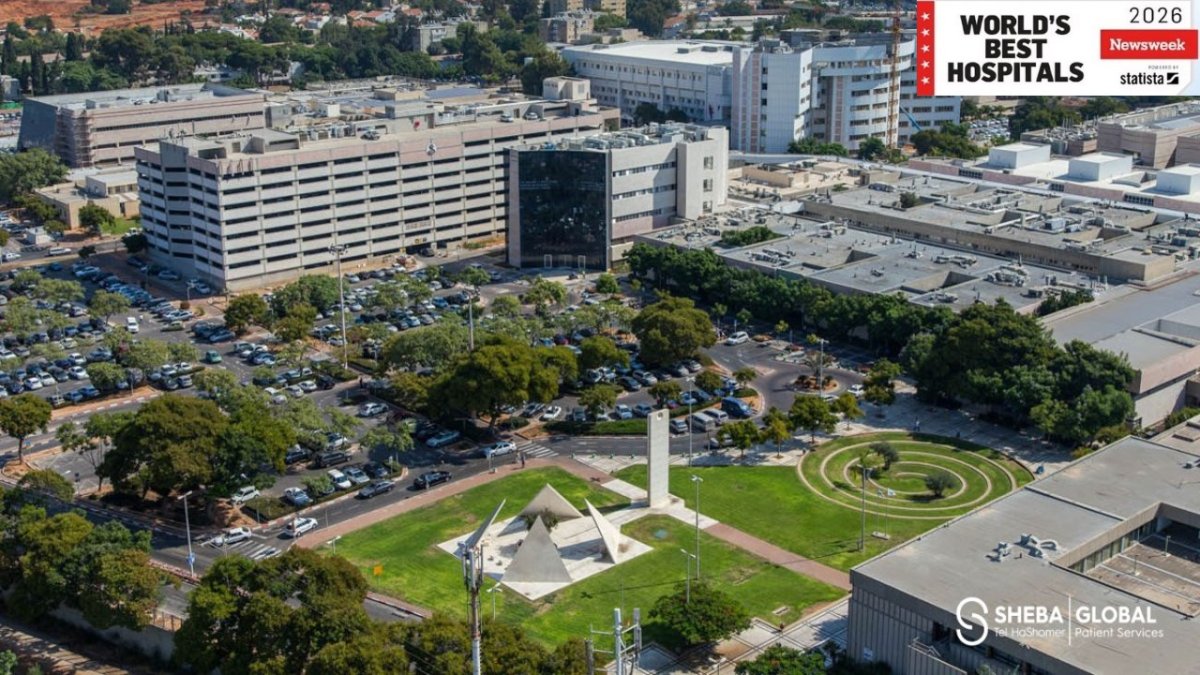










Shaare Zedek Medical Center
Obtenga una evaluación médica de tratamiento de Leucemia en Israel: haga una consulta con 22 médicos experimentados ahora
Ver todos los médicos
Arnon Nagler Md
El Dr. Arnon Nagler es hematólogo en el Centro Médico Sheba en Israel. Es profesor en la Universidad de Tel Aviv y un reconocido experto en trasplantes. El Dr. Nagler fundó el primer banco público de sangre de cordón umbilical de Israel. También realizó los primeros trasplantes de sangre de cordón umbilical en el país. Completó su formación posdoctoral en la Universidad de Stanford y está certificado por el consejo en hematología.
- Pionero en protocolos de trasplante alogénico de in

Ram Ron
Especialista líder en leucemia en el Centro Médico Sourasky (Ichilov), el hospital más grande y avanzado de Israel.
- Más de _doctor_964_ años de experiencia en hematología y oncología
- Formación de fellowship en un prestigioso centro internacional en Nueva York
- Se centra en los tratamientos médicos más recientes para la leucemia
- Trata un gran volumen de casos complejos de cáncer de sangre

Ron Ram
El Dr. Ram ha realizado varios cientos de trasplantes de células madre, un tratamiento fundamental para la leucemia, en el Centro Médico Sourasky.
- Certificado por el consejo en Hematología, Oncología Médica y Medicina Interna
- Autor de más de 30 artículos científicos y un capítulo de libro de texto médico
- Completó una subespecialización (fellowship) en Hematología y Oncología en el Westchester Medical Center
- Completó su residencia en la Universidad Estatal de Nueva York en Brooklyn

Ronit El Hasid
Jefe de Oncohematología Pediátrica en el Hospital Infantil Dana Dwek – El Dr. El Hasid se especializa en trasplantes de médula ósea y sangre de cordón umbilical para niños.
- Realizó más de 300 procedimientos de trasplante
- Publicó más de 50 trabajos de investigación y 40 informes médicos
- Se formó en el Hospital City of Hope en Los Ángeles
- Miembro de la Asociación Americana de Hematología
Artículos relacionados

¿Cuánto cuesta el tratamiento de la leucemia?
Escrito por Вероника Казина
Compartir contenido
Historias en video de pacientes de Bookimed
 Olena Sikoza
Preguntas frecuentes sobre el tratamiento de Leucemia en Israel
¿Es seguro el tratamiento de la leucemia en Israel y cuáles son los riesgos de salud reconocidos?
El tratamiento de la leucemia en Israel es seguro y sigue protocolos internacionales. Centros como el Sheba Medical Center cuentan con la acreditación de la Joint Commission International. Unidades de aislamiento especializadas protegen a los pacientes de infecciones. Equipos multidisciplinarios gestionan los riesgos clínicos. Hematólogos expertos supervisan terapias avanzadas como las células CAR-T y los trasplantes de células madre.
- Control de infecciones: Unidades de aislamiento especializadas minimizan los riesgos durante las fases de quimioterapia de alta dosis.
- Monitoreo de células CAR-T: Equipos de cuidados intensivos gestionan el síndrome de liberación de citoquinas y las toxicidades neurológicas.
- Preservación de órganos: Técnicas de radiación avanzadas protegen los riñones, el hígado y los pulmones de daños.
- Seguridad en trasplantes: Protocolos especializados en el Sourasky Medical Center gestionan eficazmente la enfermedad de injerto contra huésped.
Perspectiva del experto de Bookimed: Los centros israelíes demuestran un alto nivel de especialización en terapias celulares. El Sheba Medical Center trata a más de 2 millones de pacientes al año y es líder mundial en programas CAR-T. El Dr. Ron Ram en el Sourasky Medical Center ha realizado varios cientos de trasplantes de células madre. Este alto volumen de procedimientos general
¿Qué cualificaciones tienen los hematólogos israelíes y hablan inglés?
Los hematólogos israelíes son especialistas altamente cualificados que se someten a más de una década de formación rigurosa. Expertos como el Dr. Michael Shapira y el Dr. Ron Ram mantienen un dominio total del inglés. La mayoría de los médicos senior completaron becas en instituciones prestigiosas de Estados Unidos o el Reino Unido. Esto garantiza una comunicación clara para los pacientes internacionales.
- Trayectoria educativa: Los médicos completan títulos de medicina de 6 años y una pasantía general de 1 año.
- Especialización: La formación incluye una residencia de 3 años en medicina interna seguida de una residencia en hematología.
- Certificación: Los especialistas deben aprobar los exámenes de Etapa A y B de la Asociación Médica Israelí.
- Formación internacional: Muchos expertos realizaron becas en centros como Memorial Sloan-Kettering o Mayo Clinic.
Perspectiva de expertos de Bookimed: Los datos muestran una fuerte correlación entre el dominio del inglés y el alto volumen de procedimientos especializados. Médicos como la Dra. Polina Stepensky en Hadassah, quien realizó más de 3,500 trasplantes, y el Dr. Ron Ram, con varios cientos de casos de células madre, publican frecuentemente en revistas internacionales en inglés. Este vínculo entre la investigación clínica y la fluidez significa que los pacientes que buscan terapias avanzadas co
¿Qué tasas de supervivencia y remisión experimentan los pacientes internacionales?
Los pacientes internacionales en Israel logran una tasa de éxito oncológico promedio del 90% para la leucemia. Centros de primer nivel como Sourasky y Sheba informan resultados de supervivencia que igualan o superan los puntos de referencia mundiales. La terapia especializada con células CAR-T y los trasplantes avanzados de células madre impulsan estas altas tasas de remisión para cánceres de sangre complejos.
- Tasas de éxito: Los centros oncológicos israelíes informan una tasa de éxito promedio del 90% para los tratamientos contra el cáncer.
- Puntos de referencia de supervivencia: La supervivencia a la leucemia linfoblástica aguda pediátrica a menudo supera el 90% en los principales hospitales israelíes.
- Volumen de tratamiento: El Sheba Medical Center trata a más de 2 millones de pacientes anualmente con equipos de hematología especializados.
- Experiencia especializada: Cirujanos como el Dr. Ron Ram han realizado varios cientos de trasplantes de células madre exitosos.
Perspectiva del experto de Bookimed: Los datos muestran una brecha de precio significativa para protocolos de células CAR-T idénticos en Israel. Los paquetes en el Sheba Medical Center cuestan aproximadamente $80,000, mientras que el Sourasky Medical Center (Ichilov) cobra alrededor de $366,950. Ambos son hospitales del Top 10 según Newsweek, pero el paquete de Sourasky inc
¿Cuánto tiempo permaneceré en Israel y cómo es el cronograma típico de tratamiento?
El tratamiento de la leucemia en Israel generalmente requiere una estancia de 4 a 8 semanas para la terapia inicial y el monitoreo. Los procedimientos complejos como la terapia de células CAR-T implican una estancia hospitalaria de 21 días. Los trasplantes de médula ósea a menudo requieren de 2 a 3 meses en el país para la recuperación y el aislamiento.
- Fase de diagnóstico: Los hemogramas completos y las biopsias de médula ósea generalmente se completan en 1 a 3 días.
- Cronograma CAR-T: Los protocolos clínicos en el Sheba Medical Center definen un período estándar de hospitalización de 21 días.
- Ciclos de quimioterapia: La terapia de inducción para la LMA a menudo requiere 6 semanas de monitoreo médico hospitalario continuo.
- Atención de seguimiento: Los pacientes generalmente regresan para ciclos de consolidación cada 4 a 6 semanas después del alta.
Perspectiva del experto de Bookimed: Aunque la mayoría de los pacientes internacionales esperan largas hospitalizaciones, nuestros datos muestran un cambio hacia la recuperación híbrida. Por ejemplo, los paquetes de células CAR-T en el Sourasky Medical Center combinan 21 días en el hospital con 14 días en un hotel cercano. Esto sugiere que las clínicas priorizan el traslado rápido de pacientes estables a un entorno cómodo. Reduce la sensación de estar en un entorno clínico mientras se mantiene
¿Qué hospitales en Israel tienen más experiencia en trasplantes de médula ósea para extranjeros?
El Sheba Medical Center y el Sourasky Medical Center son los hospitales israelíes con mayor experiencia en trasplantes de médula ósea internacionales. Estas instalaciones acreditadas por la JCI realizan cientos de trasplantes al año. Utilizan terapias avanzadas de células CAR-T e inmunoterapia. Muchos especialistas cuentan con certificaciones de la American Society of Bone Marrow Transplantation.
- Sheba Medical Center: Centro clasificado por Newsweek que realiza más de 240 procedimientos al año con más de 2.000 casos en total.
- Sourasky Medical Center: Ofrece unidades especializadas en médula ósea con tasas de éxito del 90% en oncología.
- Hadassah Medical Center: Reconocido mundialmente por la oncohematología pediátrica y el diagnóstico molecular especializado para enfermedades de la sangre.
- Rambam Medical Center: Centro aclamado que colabora con la European Society for Blood and Marrow Transplantation.
Perspectiva del experto de Bookimed: El liderazgo clínico a menudo determina el volumen y el éxito del procedimiento. Por ejemplo, el Dr. Arnon Nagler en Sheba fue pionero en el primer trasplante de sangre de cordón umbilical en Israel. Mientras tanto, la Dra. Polina Stepensky en Hadassah ha realizado personalmente más de 3.500 procedimientos. Los pacientes deben seleccionar las clínicas basándose en estas cargas de trabajo específicas de l
¿Qué criterios de inclusión/exclusión determinan si soy candidato para CAR-T o ensayos clínicos?
La candidatura para la terapia de células CAR-T en Israel depende del subtipo de enfermedad, el historial de tratamiento y la aptitud física. Los pacientes generalmente requieren un diagnóstico de recaída o refractariedad después de dos líneas de tratamiento previas. La elegibilidad también requiere una función orgánica sólida y un estado de rendimiento ECOG de 0 o 1.
- Estado de la enfermedad: Debe ser recaída o refractaria después de dos líneas de tratamiento estándar.
- Función orgánica: Requiere una FEVI superior al 45% y marcadores renales y hepáticos estables.
- Aptitud física: Los pacientes deben estar completamente activos o limitados solo en actividades extenuantes.
- Factores de exclusión: Las infecciones activas como la hepatitis B o los trastornos neurológicos graves descalifican a los candidatos.
Perspectiva del experto de Bookimed: Los centros israelíes como el Centro Médico Sheba a menudo procesan las solicitudes de CAR-T más rápido que sus homólogos europeos. Aunque los protocolos estándar sugieren un límite de edad de 70 años, los especialistas israelíes aprueban con frecuencia a pacientes de 80 años si su edad biológica y su estado físico son altos. El Dr. Arnon Nagler en Sheba y el Dr. Ron Ram en Sourasky supervisan programas con más de 900 casos, a menudo encontrando espacios en ensayos cuando las opciones comerciales están
¿Qué apoyo post-alta se proporciona a los pacientes internacionales una vez que regresan a casa?
El apoyo post-alta para pacientes internacionales con leucemia en Israel se centra en una documentación médica detallada y consultas con especialistas. Centros líderes como el Sheba Medical Center ofrecen exámenes de seguimiento formales y consultas con oncohematólogos dentro de sus paquetes de tratamiento. Esto garantiza una transición segura antes de que los pacientes regresen a sus países de origen.
- Documentación médica: Los pacientes reciben resúmenes de alta completos que incluyen protocolos de tratamiento e informes de patología.
- Acceso a especialistas: Los paquetes a menudo incluyen visitas de seguimiento con hematólogos u oncohematólogos pediátricos.
- Coordinación remota: Muchos oncólogos ofrecen contacto por correo electrónico para preguntas clínicas urgentes después del alta.
- Cuidados de transición: Centros como Sourasky incluyen estancias en hoteles para monitorear la recuperación antes del viaje internacional.
Perspectiva del experto de Bookimed: Aunque los hospitales israelíes ofrecen terapias de células CAR-T y trasplantes de clase mundial, el monitoreo remoto formal suele ser limitado una vez que usted se va. Los datos muestran que los paquetes del Sheba Medical Center incluyen específicamente exámenes de seguimiento en sus protocolos de 80.000 dólares. Los pacientes deben priorizar estos paquetes inclusivos para asegurars
¿Por qué Israel es uno de los principales destinos para la neurocirugía?
Israel es un centro líder en neurocirugía gracias a su combinación de avances médicos de alta tecnología y una experiencia quirúrgica de primer nivel. Instalaciones avanzadas como el Centro Médico Sheba utilizan sistemas de navegación basados en IA y resonancia magnética intraoperatoria en tiempo real. Centros especializados reportan una tasa de éxito del 98% en procedimientos complejos, como la craneotomía con el paciente despierto y el tratamiento de trastornos del movimiento.
- Tecnología avanzada: Las clínicas utilizan ultrasonido enfocado guiado por resonancia magnética (MRgFUS) y sistemas robóticos para realizar incisiones.
- Experiencia quirúrgica: Cirujanos como el Dr. Zvi Ram lideran asociaciones internacionales con más de 25 años de experiencia.
- Acceso rápido: Los pacientes internacionales generalmente pueden programar cirugías complejas de cerebro o columna en un plazo de 2 a 4 semanas.
- Atención médica acreditada: Grandes centros como Sourasky (Ichilov) y Assuta están acreditados por la JCI, lo que confirma su seguridad.
Opinión experta de Bookimed: Los datos muestran una clara diferencia entre las opciones de tratamiento públicas y privadas en Israel. Centros privados, como el Centro Médico Assuta, realizan más de 92.000 cirugías al año y permiten a los pacientes elegir a un cirujano líder específico. Esto supone una ventaja signi
¿Qué tipos de enfermedades neuroquirúrgicas se tratan en Israel?
Los neurocirujanos israelíes tratan una amplia gama de afecciones, desde tumores cerebrales y de médula espinal hasta trastornos funcionales complejos. Los centros especializados utilizan tecnologías de vanguardia, como el bisturí de rayos gamma, la estimulación cerebral profunda y la resonancia magnética intraoperatoria, para un diagnóstico altamente preciso de la epilepsia, la enfermedad de Parkinson y las patologías cerebrovasculares.
- Enfermedades oncológicas: tratamiento de gliomas, meningiomas y tumores hipofisarios mediante resección de la base del cráneo.
- Trastornos funcionales: tratamiento de la enfermedad de Parkinson y del temblor esencial mediante estimulación cerebral profunda.
- Patologías de columna: corrección de escoliosis, hernias discales y tumores espinales mediante sistemas robóticos.
- Tratamiento de las enfermedades cerebrovasculares: tratamiento quirúrgico de aneurismas cerebrales y malformaciones arteriovenosas mediante intervenciones endovasculares.
- Neurocirugía pediátrica: atención especializada en hidrocefalia y anomalías congénitas en centros pediátricos especializados.
Opinión experta de Bookimed: Los hospitales israelíes suelen combinar diversas especialidades para abordar casos complejos. En el Centro Médico Sourasky, neurocirujanos como el Dr. Zvi Lidar combinan neurocirugía y ortopedi
¿Qué hospitales en Israel son más conocidos por sus departamentos de neurocirugía?
Israel alberga centros neuroquirúrgicos de renombre mundial, como el Centro Médico Sourasky, el Centro Médico Sheba y el Centro Médico Hadassah. Estas instituciones son líderes mundiales en el tratamiento de tumores cerebrales complejos, enfermedades de la columna vertebral y trastornos del movimiento. Utilizan tecnologías de vanguardia como el bisturí de rayos gamma, sistemas robóticos y resonancia magnética intraoperatoria.
- Suraski (Ichilov): realiza más de 2.500 operaciones neuroquirúrgicas al año en Tel Aviv con una tasa de éxito del 98%.
- Centro Médico Sheba: clasificado entre los diez mejores hospitales del mundo, trata a 1,9 millones de pacientes al año.
- Centro Médico Hadassah: Nominado al Premio Nobel de la Paz. Líder en neurocirugía pediátrica y terapia génica.
- Centro Médico Assuta: el centro médico privado más grande de Israel. Especializado en cirugías mínimamente invasivas de columna y cerebro.
- Hospital Infantil Schneider: un centro líder en neurocirugía pediátrica que trata a 275.000 niños al año.
Opinión experta de Bookimed: Nuestros datos muestran que, si bien la mayoría de los pacientes buscan tratamiento en Tel Aviv, el Centro Médico Rambam en Haifa ofrece una atención única para neurotraumatismos. Cuenta con una unidad especializada en cuidados neurocríticos que atiende a aproximadamente un milló