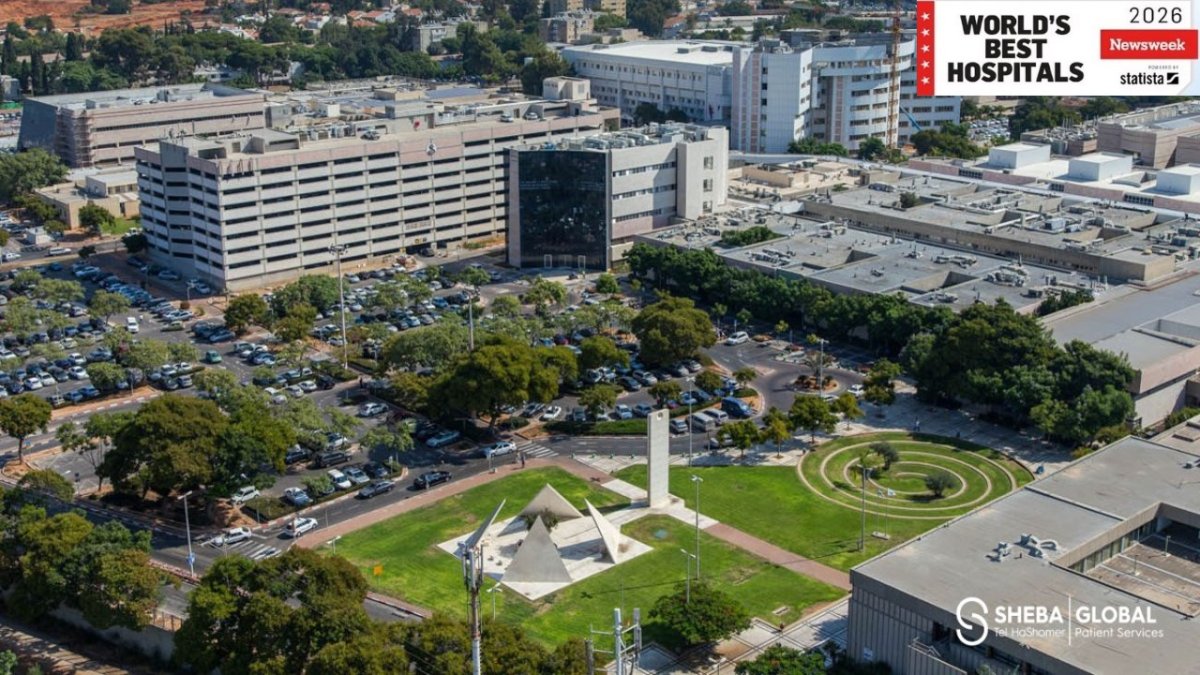
Centro médico Sourasky
Israel, Tel Aviv
Ofer Merimsky
41 años de experiencia

acreditaciones : 
Clínica certificada por : 




Revisado médicamente por
Fahad Mawlood

La Dra. Pelles Sharon se especializa en tratamientos avanzados contra el cáncer de hígado en el Centro Médico Sourasky, incluyendo terapias innovadoras como SIRT y HIPEC.
El profesor Ofer Merimsky dirige el departamento de oncología del Centro Médico de Tel Aviv, con más de 41 años de experiencia en el tratamiento de cánceres avanzados.

44 años especializado en cánceres de hígado y gastrointestinales; dirige el Centro de Prevención del Cáncer en el Centro Médico Sourasky de Tel Aviv.
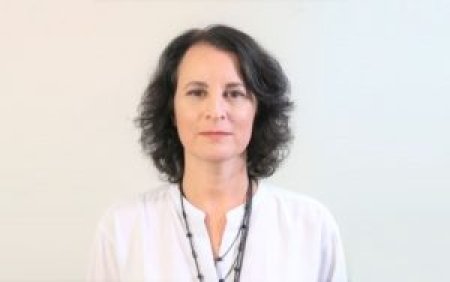
La Dra. Einat Shacham‑Shmueli es oncóloga médica sénior en la Clínica Gastrointestinal del Centro Oncológico del Centro Médico Sheba. Trata cánceres de colon, estómago y páncreas. También maneja la enfermedad metastásica. Emplea diagnósticos de precisión y biomarcadores, terapias sistémicas y radioterapia. La atención se brinda dentro de un equipo multidisciplinario.
Ha publicado más de 25 artículos revisados por pares sobre oncología gastrointestinal, biología tumoral y nuevos tratami
 Olena Sikoza
El tratamiento principal para el cáncer de hígado en estadio 4 en Israel implica inmunoterapia sistémica y fármacos biológicos dirigidos. Los centros especializados se centran en controlar las metástasis mientras gestionan los tumores intrahepáticos. Técnicas avanzadas de oncología intervencionista como SIRT y TACE se utilizan frecuentemente junto con protocolos sistémicos para prolongar la supervivencia.
Perspectiva del experto de Bookimed: Los centros oncológicos israelíes como el Centro Médico Sheba y el Centro Médico Sourasky mantienen una ventaja significativa en volumen. Sheba atiende a más de 2 millones de pacientes anualmente y ocupa el séptimo lugar a nivel mundial. Este alto volumen permite a cirujanos como el Dr. Yuri Goldes ser pioneros en resecciones robóticas. Clínicos especializados como el Prof. Dr. Ofer
Israel ofrece tratamientos avanzados o experimentales para el cáncer de hígado a través de sus centros oncológicos clasificados a nivel mundial. Los protocolos especializados incluyen Namodenoson para el CHC avanzado y la resección hepática ex vivo en el Centro Médico Sheba. Instalaciones como el Centro Médico Sourasky informan una tasa de éxito oncológico promedio del 90 %.
Perspectiva del experto de Bookimed: Los centros oncológicos israelíes como Sheba y Sourasky operan con una densidad de médicos excepcionalmente alta. El Centro Médico Sheba atiende a más de 2 millones de pacientes al año con 2.300 médicos. Este alto volumen permite a cirujanos como el Dr. Yuri Goldes ser pioneros en resecciones robóticas. Esta profunda experiencia a menudo conduce a tasas de éxito más altas en procedimientos que siguen siendo experimentales en otros lugares.
Consenso de los pacientes: Los pacientes señalan que es importa
El cáncer de hígado en estadio 4 rara vez se cura. Sin embargo, los especialistas israelíes logran una remisión a largo plazo mediante terapias avanzadas. Médicos como la Dra. Pelles Sharon utilizan SIRT y la inmunoterapia con Keytruda. Estos protocolos detienen el crecimiento tumoral. Prolongan significativamente la supervivencia de los pacientes con enfermedad metastásica.
Perspectiva del experto de Bookimed: Los centros oncológicos israelíes como Sheba y Sourasky operan a gran escala. Sheba atiende a 2 millones de pacientes al año. Nuestros datos muestran una clara ventaja en la atención multidisciplinaria. Médicos como el Dr. Yuri Goldes son pioneros en resecciones robóticas. Este alto volumen permite a los cirujanos dominar procedimientos complejos. La mayoría de los hospitales generales en el extranjero no pueden i
Puede recibir un plan de tratamiento integral de forma remota de instituciones médicas israelíes antes de viajar. Los especialistas utilizan la telemedicina y la revisión de registros digitales para evaluar casos internacionales. Este proceso confirma su diagnóstico y establece un protocolo para afecciones en etapa avanzada como el cáncer de hígado.
Perspectiva del experto de Bookimed: Los centros oncológicos israelíes como el Sheba Medical Center priorizan los casos de alto valor. Nuestros datos muestran que frecuentemente emiten planes remotos para cáncer de hígado en etapa 4 en un plazo de 2 semanas. Estos planes a menudo destacan opciones avanzadas como las inmunoterapias TIL o SIRT. Esta respuesta rápida ayuda a los pacientes a obtener visas médicas significativamente más rápido que a través de los canales estánd
El tratamiento para el cáncer de hígado en estadio 4 en Israel implica ciclos de varias semanas de terapia sistémica. Las evaluaciones diagnósticas iniciales suelen durar de 3 a 7 días. Las rondas terapéuticas como la quimioembolización o la terapia dirigida suelen repetirse cada 4 a 8 semanas. El mantenimiento a largo plazo con inmunoterapia a menudo continúa indefinidamente para controlar el crecimiento tumoral.
Perspectiva del experto de Bookimed: Especialistas israelíes como la Dra. Pelles Sharon priorizan las puntuaciones de la función hepática sobre el tamaño del tumor al establecer los plazos. Los datos indican que clínicas como el Sourasky Medical Center mantienen una tasa de éxito oncológico del 90 % al ajustar los intervalos de los ciclos en función de estas puntuaciones. Este enfoque personalizado a menudo extiende los períodos de tratamiento estándar en un 20 % para garantizar la seguridad del paciente.
<
Para su primera consulta en Israel, traiga su carpeta médica completa, incluidos los informes de patología y todas las imágenes originales en un disco o USB. También debe llevar un pasaporte válido, paneles de función hepática recientes y una lista detallada de los medicamentos actuales.
Perspectiva del experto de Bookimed: Los centros oncológicos israelíes como Sourasky o Sheba a menudo requieren una revisión reciente de las láminas de biopsia físicas. Traer sus láminas o bloques reales permite a sus patólogos confirmar el subtipo de inmediato. Esto puede ahorrarle 10 días de espera para una nueva biopsia. Especialistas experimentados como el Dr. Menahem Ben-haim pueden comenzar a planificar el tratamiento durante su primera visita.
Consenso de los pacientes: Los pacientes señalan que es importante llevar a un familiar para que tome notas. Las consultas para cas
Los pacientes deben preguntar sobre el acceso a la medicina de precisión, como la SIRT y la radioterapia interna selectiva. Pregunte si el oncólogo integra el perfil genómico para personalizar los protocolos de quimioterapia. Confirme si sus registros médicos electrónicos se sincronizan entre los centros públicos y las instalaciones privadas como el Centro Médico Assuta para una atención sin interrupciones.
Perspectiva de expertos de Bookimed: Los centros de oncología israelíes como Sheba y Sourasky (Ichilov) funcionan como enormes centros de investigación. El Centro Médico Sheba por sí solo atiende a más de 1.900.000 pacientes cada año. Este volumen permite a los médicos ofrecer tecnologías especializadas como resecciones oncológicas robóticas y terapia SIRT. Al elegir un especialista, busque aquellos q
Israel es un centro líder en neurocirugía gracias a su combinación de avances médicos de alta tecnología y una experiencia quirúrgica de primer nivel. Instalaciones avanzadas como el Centro Médico Sheba utilizan sistemas de navegación basados en IA y resonancia magnética intraoperatoria en tiempo real. Centros especializados reportan una tasa de éxito del 98% en procedimientos complejos, como la craneotomía con el paciente despierto y el tratamiento de trastornos del movimiento.
Opinión experta de Bookimed: Los datos muestran una clara diferencia entre las opciones de tratamiento públicas y privadas en Israel. Centros privados, como el Centro Médico Assuta, realizan más de 92.000 cirugías al año y permiten a los pacientes elegir a un cirujano líder específico. Esto supone una ventaja signi
Los neurocirujanos israelíes tratan una amplia gama de afecciones, desde tumores cerebrales y de médula espinal hasta trastornos funcionales complejos. Los centros especializados utilizan tecnologías de vanguardia, como el bisturí de rayos gamma, la estimulación cerebral profunda y la resonancia magnética intraoperatoria, para un diagnóstico altamente preciso de la epilepsia, la enfermedad de Parkinson y las patologías cerebrovasculares.
Opinión experta de Bookimed: Los hospitales israelíes suelen combinar diversas especialidades para abordar casos complejos. En el Centro Médico Sourasky, neurocirujanos como el Dr. Zvi Lidar combinan neurocirugía y ortopedi
Israel alberga centros neuroquirúrgicos de renombre mundial, como el Centro Médico Sourasky, el Centro Médico Sheba y el Centro Médico Hadassah. Estas instituciones son líderes mundiales en el tratamiento de tumores cerebrales complejos, enfermedades de la columna vertebral y trastornos del movimiento. Utilizan tecnologías de vanguardia como el bisturí de rayos gamma, sistemas robóticos y resonancia magnética intraoperatoria.
Opinión experta de Bookimed: Nuestros datos muestran que, si bien la mayoría de los pacientes buscan tratamiento en Tel Aviv, el Centro Médico Rambam en Haifa ofrece una atención única para neurotraumatismos. Cuenta con una unidad especializada en cuidados neurocríticos que atiende a aproximadamente un milló