Tratamiento de Neuroblastoma en Israel — obtenga 3 coincidencias personalizadas de clínicas


Revisado médicamente por
Fahad Mawlood
Cómo funciona
¿Cuál es el precio del diagnóstico y los tratamientos de Neuroblastoma en Israel? Descubra ahora
| Israel | España | Turquía | |
|---|---|---|---|
| Tratamiento complejo del neuroblastoma | de $74,500 | ≈ $70,000 | ≈ $38,000 |
Descubra las mejores clínicas de tratamiento de Neuroblastoma en Israel: 5 opciones verificadas y Precios









Obtenga una evaluación médica de tratamiento de Neuroblastoma en Israel: haga una consulta con 13 médicos experimentados ahora
Ver todos los médicos
Ronit El Hasid
Más de 300 trasplantes oncológicos pediátricos realizados – Ronit El Hasid trabaja exclusivamente con niños en el Sourasky Medical Center (Ichilov).
- Jefa del Departamento de Oncohematología Pediátrica en el Hospital Infantil Dana Dwek
- Miembro de la Asociación Americana de Hematología y de la Sociedad Israelí de Hematooncología Pediátrica
- Realiza trasplantes de médula ósea y de sangre de cordón umbilical en casos pediátricos
- Formada en el Hospital City of Hope y en centros médicos israelíes
- Ha publicado más de 50 artículos sobre métodos oncológicos pediátricos

Amos Toren
El Prof. Amos Toren, MD, PhD, MHA, es hemato-oncólogo pediátrico y especialista en trasplante de médula ósea (TMO). Fue director de Hemato-oncología Pediátrica y TMO en el Centro Médico Sheba.
Está certificado en pediatría, hemato-oncología pediátrica y trasplante de médula ósea. Tiene un doctorado en genética humana. Fue director de la División de Hematología de la Universidad de Tel Aviv durante dos mandatos. Es miembro de ASH, COG, ESPHI, EBMT y CIBMTR. También forma parte del Comit
Hana Golan
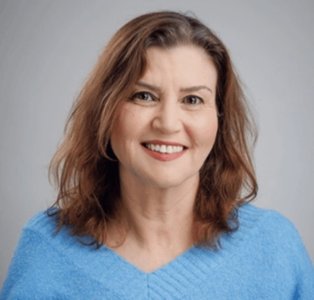
Dra. Hana Golan, MD, dirige la División de Hemato-Oncología Pediátrica y Trasplante de Médula Ósea (TMO) del Centro Médico Sheba. Se especializa en cánceres infantiles, con énfasis en el neuroblastoma y otros tumores sólidos de alto riesgo.
Encabeza uno de los programas de oncología pediátrica más avanzados de la región. Atiende casos complejos y de alto riesgo y ejerce en un hospital clasificado entre los 10 mejores del mundo.
Es la investigadora principal del protocolo ESIOP p
Zvi Cohen
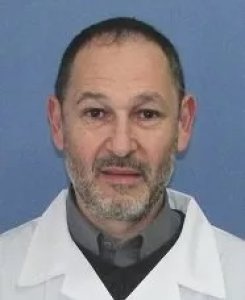
El Prof. Zvi Cohen es director del Departamento de Neurocirugía y de la Unidad de Neurooncología del Centro Médico Sheba. Neurocirujano y experto en neurooncología, fue incluido en la lista de los Mejores Médicos 2025 de Forbes Israel. Lidera investigación clínica sobre terapias farmacológicas para tumores cerebrales malignos y fundó el banco de tejidos de tumores cerebrales de Sheba.
Es especialista certificado en neurocirugía. Se formó en la Universidad de Tel Aviv y realizó subespec
Compartir contenido
Historias en video de pacientes de Bookimed
 Olena Sikoza
Preguntas frecuentes sobre el tratamiento de Neuroblastoma en Israel
¿Cuáles son las tasas de supervivencia y curación del neuroblastoma de alto riesgo tratado en centros israelíes?
Los centros médicos israelíes reportan tasas de supervivencia que alcanzan el 85 % para pacientes con neuroblastoma de alto riesgo. Las instalaciones oncológicas especializadas logran una tasa de éxito del 90 % en casos generales de oncología pediátrica. Estos resultados provienen de protocolos multimodales intensivos. Los centros integran inmunoterapia avanzada y radioterapia MIBG para un ataque preciso al tumor.
- Tasas de éxito: Los casos de alto riesgo muestran una supervivencia del 85 %; la supervivencia en estadio 4 alcanza el 75 %.
- Terapias avanzadas: Centros como Sheba utilizan gammagrafía MIBG y protocolos de inmunoterapia especializados.
- Experiencia quirúrgica: La Dra. Ronit El Hasid ha realizado más de 300 trasplantes de médula ósea pediátricos.
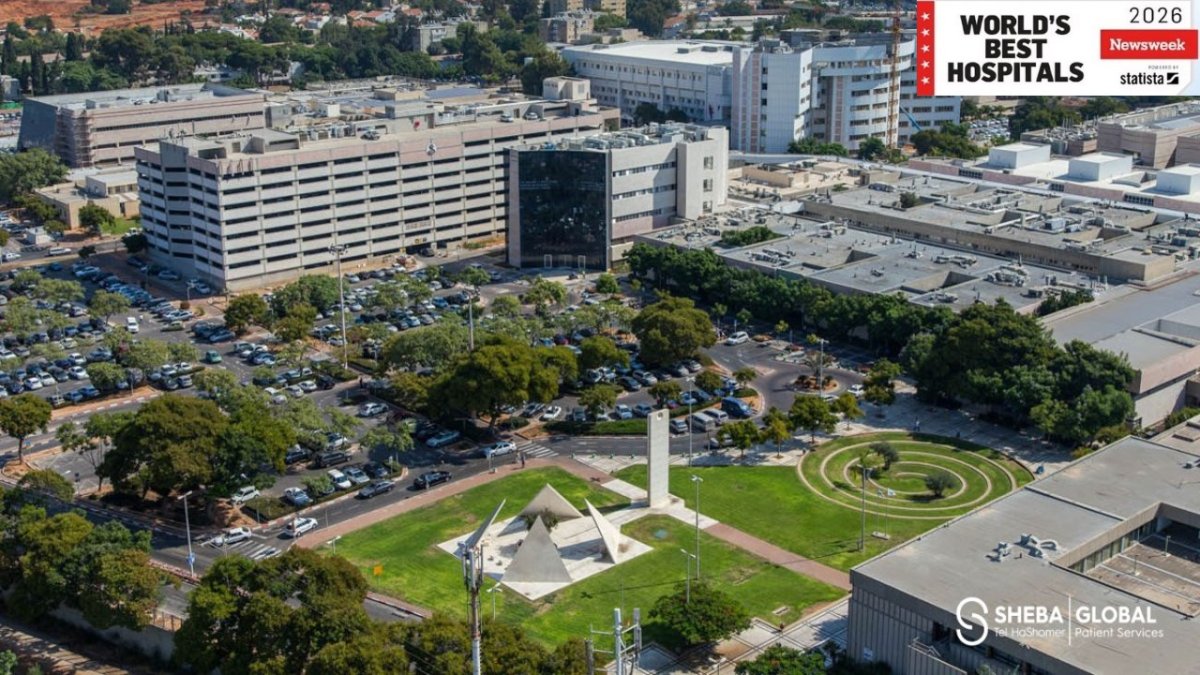
- Clasificación mundial: El Sheba Medical Center ocupa el séptimo lugar a nivel mundial según Newsweek para 2026.
Perspectiva del experto de Bookimed: Si bien las tasas de supervivencia son altas en todo Israel, la densidad logística en centros como Sheba es única. Su paquete de trasplante de médula ósea para neuroblastoma incluye una estancia hospitalaria de 30 días. Este período prolongado de hospitalización es significativamente más largo que muchos protocolos internacionales. Garantiza la máxima seguridad durante la fase crítica de recuperación postrasplante.
Consenso d
¿Qué hospitales y especialistas en Israel tratan el neuroblastoma y qué acreditaciones poseen?
Los principales hospitales israelíes que tratan el neuroblastoma incluyen el Centro Médico Sheba, Sourasky (Ichilov), Hadassah, Rambam y el Schneider Children's. Estas instalaciones cuentan con la acreditación de la Joint Commission International (JCI). Los especialistas líderes incluyen a la Dra. Hana Golan y la Prof. Ronit El Hasid, quienes siguen protocolos internacionales de alto riesgo y utilizan trasplantes de médula ósea.
- Centro Médico Sheba: Clasificado en el puesto 7 a nivel mundial en 2026 con certificaciones JCI e ISO.
- Centro Sourasky (Ichilov): Reporta una tasa de éxito del 90% en tratamientos de oncología pediátrica.
- Credenciales de los especialistas: La Dra. Hana Golan lidera los protocolos internacionales ESIOP para neuroblastoma de alto riesgo.
- Terapias avanzadas: Los centros ofrecen terapia MIBG, terapia de células CAR-T y rescate con células madre.
Perspectiva del experto de Bookimed: Los centros médicos israelíes demuestran una escala de atención significativa; solo el Centro Médico Sheba trata a más de 2 millones de pacientes al año. Nuestros datos muestran que los paquetes de primer nivel, como los de Sheba, con un precio de alrededor de 160.000 $ para trasplantes complejos de médula ósea, a menudo incluyen 30 días de hospitalización. Esta estancia hospitalaria prolongada es un diferenciador clave en comparación con
¿Está disponible la terapia con MIBG (131I-MIBG) en Israel y cómo se maneja la seguridad radiológica?
La terapia con MIBG (131I-MIBG) está disponible en Israel en centros terciarios importantes como el Sheba Medical Center y el Rambam Health Care Campus. Las instalaciones gestionan la seguridad radiológica mediante habitaciones de aislamiento revestidas de plomo. Los protocolos especializados incluyen la protección de la tiroides mediante yoduro de potasio. Un control estricto garantiza que la radiactividad se mantenga dentro de límites seguros antes del alta del paciente.
- Blindaje contra la radiación: Los pacientes permanecen en habitaciones revestidas de plomo para bloquear las emisiones radiactivas.
- Protección tiroidea: La medicación con yoduro de potasio evita que la tiroides absorba yodo radiactivo.
- Protocolos de residuos: Las instalaciones tratan todos los fluidos corporales y artículos desechables como residuos radiactivos.
- Seguridad en el contacto: La observación por parte del personal de enfermería se realiza a través de ventanas de plomo en antecámaras limpias separadas.
- Criterios de alta: Los pacientes salen una vez que los niveles de radiación caen por debajo de umbrales de seguridad específicos.
Perspectiva del experto de Bookimed: Los centros oncológicos israelíes suelen integrar la terapia con MIBG en protocolos integrales para neuroblastomas de alto riesgo. En el Sheba Medical Center, por ejempl
¿Cuál es el cronograma de tratamiento típico y la duración de la estancia en Israel para un niño que se somete a terapia contra el neuroblastoma de alto riesgo?
El tratamiento del neuroblastoma de alto riesgo en Israel suele durar de 15 a 18 meses. Los pacientes pasan por fases intensivas de inducción, consolidación y mantenimiento. Los centros especializados como el Sheba Medical Center suelen completar el diagnóstico en 3 a 5 días. El tratamiento implica quimioterapia, resección quirúrgica y trasplante autólogo de células madre.
- Fase de inducción: Dura de 3 a 5 meses con 5 a 8 ciclos de quimioterapia intensiva.
- Estancia hospitalaria: Espere 30 días para los trasplantes de médula ósea en unidades de aislamiento especializadas.
- Recuperación quirúrgica: La resección del tumor primario generalmente requiere de 5 a 7 días de hospitalización.
- Fase de mantenimiento: Implica aproximadamente 6 meses de inmunoterapia realizada principalmente de forma ambulatoria.
Perspectiva del experto de Bookimed: Los protocolos israelíes a menudo integran el trasplante autólogo de células madre y la inmunoterapia en un cronograma consolidado único. Si bien una estancia hospitalaria estándar para un trasplante es de 30 días, centros como el Sheba Medical Center atienden a más de 2 millones de pacientes al año. Su alto volumen permite transiciones rápidas de la atención hospitalaria intensiva al monitoreo ambulatorio diario.
Consenso de los pacientes: Las familias enfatizan la importancia de pl
¿Qué cuidados de apoyo y servicios en inglés se ofrecen a las familias internacionales?
Israel ofrece un apoyo integral a las familias internacionales. Los centros acreditados por la JCI, como Sheba y Sourasky, cuentan con equipos médicos de habla inglesa. La atención multidisciplinaria incluye nutrición personalizada y enfermería las 24 horas. Las familias reciben asistencia dedicada con traslados del aeropuerto a la clínica. Los coordinadores en el lugar superan las barreras lingüísticas durante todo el proceso de tratamiento del neuroblastoma.
- Coordinación médica: Oncólogos e inmunólogos de habla inglesa lideran los casos pediátricos.
- Apoyo de enfermería: Las familias tienen acceso las 24 horas al personal de enfermería con dominio del inglés.
- Servicios dietéticos: Nutricionistas dedicados proporcionan planes de alimentación personalizados para los niños.
- Transporte: Los paquetes a menudo incluyen traslados del aeropuerto a la clínica para una llegada sin problemas.
- Alojamiento familiar: Algunos centros como Sheba incluyen 30 días de hospitalización en los paquetes de tratamiento.
Perspectiva del experto de Bookimed: Aunque muchos solo piensan en la atención médica, los paquetes del Sheba Medical Center incluyen 30 noches de hospitalización. Esto proporciona una base estable para las familias. La coordinación a menudo comienza antes de la llegada con consultas en inglés. Elegir clínicas clasifi
¿Existen ensayos clínicos israelíes abiertos a niños extranjeros con neuroblastoma recidivante/refractario?
Israel realiza activamente ensayos clínicos para niños extranjeros con neuroblastoma recidivante o refractario. Centros líderes como el Sheba Medical Center y el Schneider Children’s participan en consorcios de investigación globales. Estos ensayos a menudo otorgan a los pacientes internacionales acceso a inmunoterapias experimentales, incluyendo la terapia de células CAR-T y nuevos protocolos farmacológicos.
- Terapias disponibles: Los ensayos utilizan anticuerpos monoclonales y combinaciones de medicamentos personalizadas para casos de alto riesgo.
- Instituciones líderes: El Sheba Medical Center ofrece ensayos de fase 1 y ensayos especializados en inmunoterapia.
- Acceso innovador: El Naxitamab y la Eflornitina suelen estar disponibles a través de protocolos clínicos tempranos.
- Opciones regulatorias: Las regulaciones de uso compasivo pueden permitir el acceso a medicamentos en investigación para niños.
Opinión experta de Bookimed: Los centros oncológicos israelíes atienden a más de 1,8 millones de pacientes al año y mantienen una tasa de éxito oncológico del 90%. Nuestros datos muestran que el Sheba Medical Center está clasificado entre los 10 mejores del mundo por Newsweek. La Dra. Hana Golan dirige personalmente los protocolos internacionales de neuroblastoma en este centro acreditado por la JCI. Esta combinación de clasificación global
¿Qué tan pronto después de completar la terapia puede mi hijo volar a casa y qué seguimiento se recomienda?
Los niños generalmente pueden volar de 1 a 2 semanas después de la quimioterapia o una cirugía menor. Los trasplantes de células madre requieren estancias más largas. Los vuelos son seguros una vez que los recuentos sanguíneos se estabilizan y los médicos confirman la aptitud médica para viajar. Los pacientes deben llevar una carta de alta formal y una lista detallada de medicamentos.
- Cronograma de viaje: La mayoría de los niños vuelan de 7 a 14 días después de los ciclos de tratamiento de rutina.
- Recuperación del trasplante: Los trasplantes de médula ósea requieren permanecer cerca de la clínica durante 3 a 6 meses.
- Escaneos de seguimiento: Programe gammagrafías MIBG y tomografías computarizadas cada 1 a 3 meses después de regresar.
- Monitoreo de marcadores: Verifique los niveles de VMA y HVA en orina regularmente para rastrear la respuesta al tratamiento.
- Coordinación local: Su oncólogo local debe coordinarse directamente con el equipo médico israelí.
Perspectiva del experto de Bookimed: Los protocolos israelíes a menudo incluyen terapia MIBG o ensayos de células CAR-T para neuroblastoma de alto riesgo. Estos tratamientos avanzados requieren períodos de monitoreo específicos antes de la salida. En el Sheba Medical Center, la Dra. Hana Golan supervisa estos complejos protocolos internacionales. Observamos que m
¿Por qué Israel es uno de los principales destinos para la neurocirugía?
Israel es un centro líder en neurocirugía gracias a su combinación de avances médicos de alta tecnología y una experiencia quirúrgica de primer nivel. Instalaciones avanzadas como el Centro Médico Sheba utilizan sistemas de navegación basados en IA y resonancia magnética intraoperatoria en tiempo real. Centros especializados reportan una tasa de éxito del 98% en procedimientos complejos, como la craneotomía con el paciente despierto y el tratamiento de trastornos del movimiento.
- Tecnología avanzada: Las clínicas utilizan ultrasonido enfocado guiado por resonancia magnética (MRgFUS) y sistemas robóticos para realizar incisiones.
- Experiencia quirúrgica: Cirujanos como el Dr. Zvi Ram lideran asociaciones internacionales con más de 25 años de experiencia.
- Acceso rápido: Los pacientes internacionales generalmente pueden programar cirugías complejas de cerebro o columna en un plazo de 2 a 4 semanas.
- Atención médica acreditada: Grandes centros como Sourasky (Ichilov) y Assuta están acreditados por la JCI, lo que confirma su seguridad.
Opinión experta de Bookimed: Los datos muestran una clara diferencia entre las opciones de tratamiento públicas y privadas en Israel. Centros privados, como el Centro Médico Assuta, realizan más de 92.000 cirugías al año y permiten a los pacientes elegir a un cirujano líder específico. Esto supone una ventaja signi
¿Qué tipos de enfermedades neuroquirúrgicas se tratan en Israel?
Los neurocirujanos israelíes tratan una amplia gama de afecciones, desde tumores cerebrales y de médula espinal hasta trastornos funcionales complejos. Los centros especializados utilizan tecnologías de vanguardia, como el bisturí de rayos gamma, la estimulación cerebral profunda y la resonancia magnética intraoperatoria, para un diagnóstico altamente preciso de la epilepsia, la enfermedad de Parkinson y las patologías cerebrovasculares.
- Enfermedades oncológicas: tratamiento de gliomas, meningiomas y tumores hipofisarios mediante resección de la base del cráneo.
- Trastornos funcionales: tratamiento de la enfermedad de Parkinson y del temblor esencial mediante estimulación cerebral profunda.
- Patologías de columna: corrección de escoliosis, hernias discales y tumores espinales mediante sistemas robóticos.
- Tratamiento de las enfermedades cerebrovasculares: tratamiento quirúrgico de aneurismas cerebrales y malformaciones arteriovenosas mediante intervenciones endovasculares.
- Neurocirugía pediátrica: atención especializada en hidrocefalia y anomalías congénitas en centros pediátricos especializados.
Opinión experta de Bookimed: Los hospitales israelíes suelen combinar diversas especialidades para abordar casos complejos. En el Centro Médico Sourasky, neurocirujanos como el Dr. Zvi Lidar combinan neurocirugía y ortopedi
¿Qué hospitales en Israel son más conocidos por sus departamentos de neurocirugía?
Israel alberga centros neuroquirúrgicos de renombre mundial, como el Centro Médico Sourasky, el Centro Médico Sheba y el Centro Médico Hadassah. Estas instituciones son líderes mundiales en el tratamiento de tumores cerebrales complejos, enfermedades de la columna vertebral y trastornos del movimiento. Utilizan tecnologías de vanguardia como el bisturí de rayos gamma, sistemas robóticos y resonancia magnética intraoperatoria.
- Suraski (Ichilov): realiza más de 2.500 operaciones neuroquirúrgicas al año en Tel Aviv con una tasa de éxito del 98%.
- Centro Médico Sheba: clasificado entre los diez mejores hospitales del mundo, trata a 1,9 millones de pacientes al año.
- Centro Médico Hadassah: Nominado al Premio Nobel de la Paz. Líder en neurocirugía pediátrica y terapia génica.
- Centro Médico Assuta: el centro médico privado más grande de Israel. Especializado en cirugías mínimamente invasivas de columna y cerebro.
- Hospital Infantil Schneider: un centro líder en neurocirugía pediátrica que trata a 275.000 niños al año.
Opinión experta de Bookimed: Nuestros datos muestran que, si bien la mayoría de los pacientes buscan tratamiento en Tel Aviv, el Centro Médico Rambam en Haifa ofrece una atención única para neurotraumatismos. Cuenta con una unidad especializada en cuidados neurocríticos que atiende a aproximadamente un milló