Tratamiento de Neurosis en Israel — obtenga 3 coincidencias personalizadas de clínicas


Revisado médicamente por
Fahad Mawlood
Cómo funciona
¿Cuál es el precio del diagnóstico y los tratamientos de Neurosis en Israel? Descubra ahora
| Israel | España | Turquía | |
|---|---|---|---|
| Psicoterapia | de $200 | de $20,200 | de $150 |
Descubra las mejores clínicas de tratamiento de Neurosis en Israel: 3 opciones verificadas y Precios
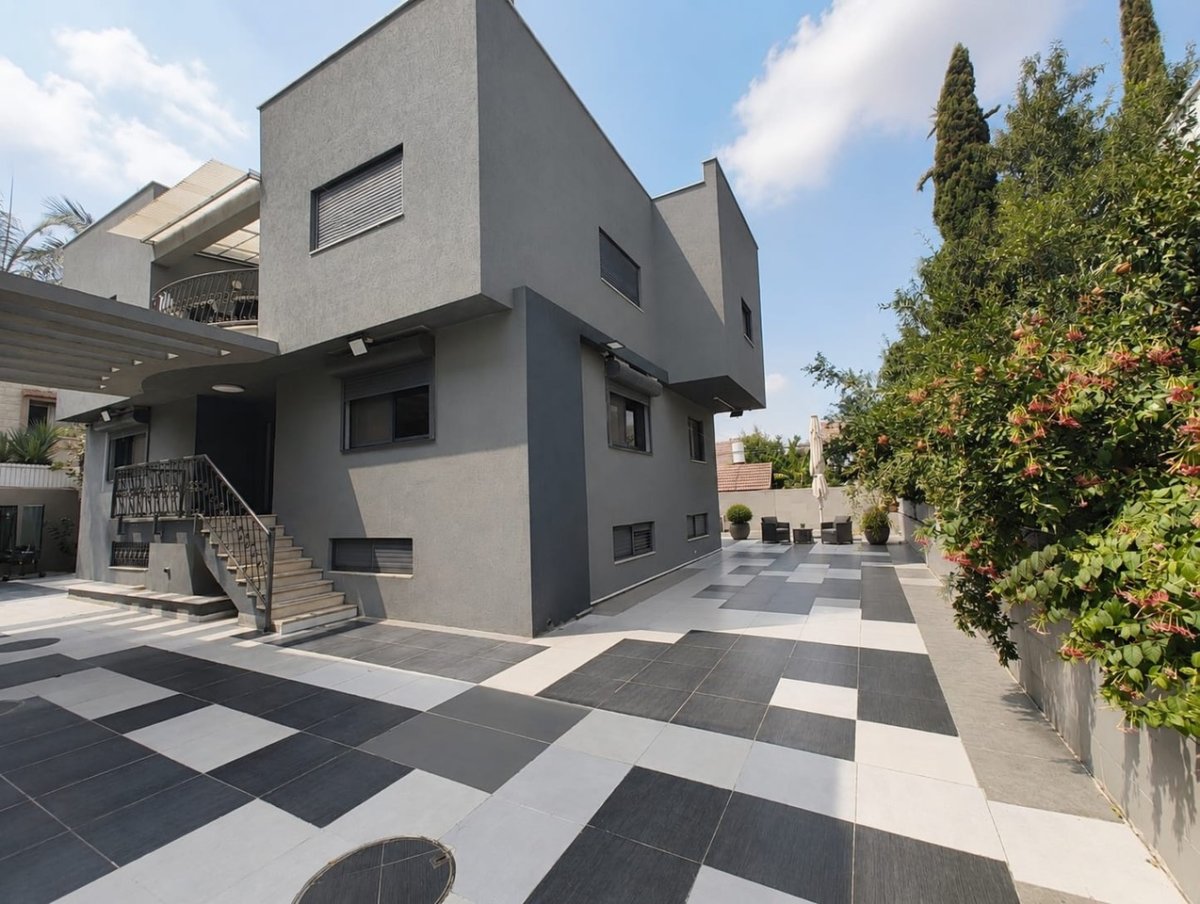

Centro médico Sourasky
Michael Krasnoshtein






IsraClinic
Obtenga una evaluación médica para Neurosis en Israel: consulte con doctores experimentados ahora
Ver todos los médicosMichael Krasnoshtein
Jefe de la Unidad de Estimulación Magnética Transcraneal Profunda en el Centro Médico Sourasky – El Dr. Krasnoshtein se especializa en tratamientos innovadores para las neurosis.
- 27 años como psiquiatra senior en los principales hospitales israelíes
- Experto en el tratamiento de trastornos de ansiedad y TEPT
- Trabaja con el Ministerio de Defensa de Israel en casos de trauma
- Miembro de la Asociación Psiquiátrica de Israel
- Profesor asistente en la Universidad de Tel Aviv
Compartir contenido
Historias en video de pacientes de Bookimed
 Olena Sikoza
Preguntas frecuentes sobre el tratamiento de Neurosis en Israel
¿Qué tan seguro es el tratamiento de la neurosis en las clínicas israelíes?
El tratamiento de la neurosis en Israel es excepcionalmente seguro debido a las estrictas regulaciones médicas y a la tecnología avanzada. Centros como el Sourasky Medical Center cuentan con la acreditación JCI por sus altos estándares de seguridad. Los especialistas utilizan herramientas no invasivas como la Estimulación Magnética Transcraneal Profunda (dTMS) para minimizar los riesgos y garantizar la estabilidad del paciente.
- Supervisión experta: El Dr. Michael Krasnoshtein dirige unidades especializadas en terapia de estimulación cerebral.
- Protocolos personalizados: Clínicas como IsraClinic utilizan la psicoergonomía para adaptar el tratamiento a cada paciente.
- Duración: Los programas intensivos suelen lograr una estabilización rápida en un plazo de 1 a 1,5 meses.
- Confidencialidad: Los centros privados ofrecen tratamiento sin registro público para proteger la privacidad del paciente.
Perspectiva del experto de Bookimed: La psiquiatría israelí destaca porque los mejores especialistas a menudo desempeñan funciones duales en investigación y práctica. Por ejemplo, algunos dirigen unidades especializadas mientras enseñan en la Universidad de Tel Aviv. Este vínculo directo entre la academia y la atención clínica garantiza que los pacientes reciban los protocolos más actuales y validados por evidencia disponibles.
Consenso de
¿Qué opciones terapéuticas para las neurosis se ofrecen en Israel?
Israel ofrece tratamientos avanzados para las neurosis, incluyendo la Terapia Cognitivo-Conductual (TCC), la Estimulación Magnética Transcraneal (TMS) profunda y la psicoterapia especializada. Centros como el Sourasky Medical Center y la IsraClinic ofrecen protocolos personalizados para la ansiedad y los traumas. Estos centros integran la atención psiquiátrica con técnicas innovadoras de neuroestimulación para asegurar altas tasas de recuperación.
- Terapias de neuromodulación: La TMS profunda y la terapia electroconvulsiva tratan la depresión resistente y el TOC.
- Psicoterapia especializada: Protocolos individualizados basados en la psicoergonomía logran resultados positivos en seis semanas.
- Atención centrada en el trauma: La EMDR y la terapia psicodinámica abordan el estrés postraumático y la ansiedad crónica.
- Intervenciones alternativas: El apoyo incluye terapia asistida con caballos y oxígeno hiperbárico para la curación neuronal.
Opinión del experto de Bookimed: Aunque muchos buscan psiquiatría general, las tasas de éxito más altas para las neurosis a menudo involucran unidades altamente específicas. El Dr. Michael Krasnoshtein en el Sourasky Medical Center dirige una unidad dedicada a la estimulación magnética y la terapia electroconvulsiva. Los datos muestran que este enfoque centrado es más efectivo para las neurosis resistentes al
¿Cuánto dura la estancia típica hospitalaria o ambulatoria para el tratamiento de la neurosis?
El tratamiento de la neurosis en Israel generalmente implica atención ambulatoria que dura de 4 a 12 semanas. Las estancias hospitalarias están reservadas para la estabilización aguda y generalmente duran entre 3 y 10 días. Los programas intensivos en clínicas israelíes especializadas pueden lograr resultados positivos en un plazo de 4 a 6 semanas utilizando métodos personalizados.
- Estabilización aguda: La atención hospitalaria intensiva para la gestión de crisis dura de 3 a 10 días.
- Programas a corto plazo: La hospitalización psiquiátrica estándar para la neurosis suele oscilar entre 14 y 30 días.
- Ambulatorio intensivo: Los programas estructurados suelen requerir de 8 a 12 semanas de sesiones de terapia regulares.
- Recuperación especializada: Clínicas como IsraClinic reportan mejoras clínicas significativas en un plazo de 1 a 1,5 meses.
Perspectiva del experto de Bookimed: Los datos de centros líderes como el Sourasky Medical Center muestran una tendencia hacia una transición rápida. Los pacientes a menudo pasan de la estabilización intensiva a la atención ambulatoria en 5 días. Este cambio prioriza la recuperación basada en la comunidad. Clínicas como IsraClinic utilizan la psicoergonomía para acelerar aún más este proceso. Estos métodos se centran en las características individuales del paciente para acortar el ciclo total de tratamie
¿Qué determina la elegibilidad para el ingreso y qué documentos de preingreso se requieren?
El ingreso para el tratamiento de neurosis en Israel requiere una derivación de un psiquiatra que confirme un deterioro funcional o síntomas de ansiedad aguda. Los pacientes deben proporcionar una identificación válida, documentación del seguro médico y un informe médico detallado con códigos de diagnóstico CIE específicos. La elegibilidad clínica depende de una evaluación física y psicológica.
- Derivación clínica: Un psiquiatra debe proporcionar una carta formal que detalle el diagnóstico específico de neurosis.
- Documentos de identidad: Los pacientes necesitan un pasaporte válido o una Teudat Zehut para el registro hospitalario.
- Historial médico: Los análisis de sangre recientes y una evaluación psicológica completa son obligatorios para el ingreso.
- Aprobación del seguro: Los pacientes israelíes requieren autorización de Kupat Cholim o Bituach Leumi para la cobertura.
Perspectiva de expertos de Bookimed: Los centros psiquiátricos israelíes como el Sourasky Medical Center priorizan a los pacientes según la urgencia del tratamiento y las necesidades especializadas. Los datos muestran que las clínicas a menudo utilizan tecnologías avanzadas como la estimulación magnética transcraneal profunda (TMS) para casos resistentes. El Dr. Michael Krasnoshtein en Sourasky gestiona específicamente estas unidades de alta tecnología. Los pacientes inter
¿Hay intérpretes y coordinadores para pacientes internacionales disponibles?
Los principales centros médicos israelíes cuentan con departamentos dedicados a pacientes internacionales para el tratamiento de neurosis. Instalaciones como el Sourasky Medical Center emplean coordinadores para organizar terapeutas multilingües. La mayoría de los hospitales de gran volumen ofrecen intérpretes profesionales en inglés, ruso y árabe sin costo alguno para los pacientes.
- Apoyo de coordinadores: Especialistas gestionan la admisión, las sesiones de terapia y la logística administrativa.
- Disponibilidad de idiomas: Los servicios de traducción profesional cubren decenas de idiomas, incluido el inglés.
- Acceso remoto: Muchas instalaciones ofrecen interpretación por teléfono o videoconferencia las 24 horas del día, los 7 días de la semana.
- Asignación especializada: Los coordinadores conectan a los pacientes con terapeutas que dominan su lengua materna.
Perspectiva de expertos de Bookimed: Los hospitales israelíes con gran volumen de pacientes, como el Sourasky, que atiende a 400.000 pacientes al año, ofrecen el apoyo más sólido. Estas instituciones más grandes suelen proporcionar coordinadores como un servicio estándar. Por el contrario, las clínicas privadas especializadas como IsraClinic se centran en métodos psiquiátricos individuales para grupos internacionales. Los pacientes deben confirmar si la traducción está incluida en la
¿Qué se espera durante la recuperación post-tratamiento en casa y se ofrecen seguimientos remotos?
La recuperación post-tratamiento de neurosis en Israel se centra en la estabilización psicológica y la reintegración gradual. Los pacientes suelen esperar de 1 a 4 semanas de fatiga mental en casa mientras practican la escritura intensiva de un diario y la atención plena (mindfulness). Los seguimientos remotos a través de Zoom o WhatsApp son estándar en los entornos clínicos híbridos israelíes durante 1 a 2 meses.
- Fase de recuperación temprana: Las fluctuaciones emocionales suelen alcanzar su punto máximo entre los días 3 y 7 después del tratamiento.
- Rutina diaria: Los especialistas recomiendan rutinas de bajo impacto, como paseos por el parque, para evitar el aislamiento.
- Apoyo tecnológico: Centros líderes como Sourasky utilizan datos de Estimulación Magnética Transcraneal (TMS) profunda.
- Estructura de seguimiento: Los controles virtuales suelen realizarse semanalmente para monitorear los medicamentos y las tendencias del estado de ánimo.
Perspectiva del experto de Bookimed: Las clínicas privadas israelíes ofrecen una fiabilidad de telesalud más constante en comparación con las instalaciones públicas. Si bien los espacios remotos públicos pueden enfrentar sobrecarga de programación, los centros privados como IsraClinic priorizan resultados rápidos en un plazo de 4 a 6 semanas. Los pacientes deben confirmar su cronograma virtual durante
¿Qué centros autorizados y especialistas son los principales proveedores para las neurosis en Israel?
Israel trata las neurosis a través de centros autorizados especializados en psicoterapia, trastornos del estado de ánimo y afecciones relacionadas con traumas. Las instalaciones líderes incluyen hospitales acreditados por la JCI como el Sourasky Medical Center e IsraClinic. Estos proveedores utilizan protocolos avanzados que incluyen estimulación magnética transcraneal (TMS), terapia electroconvulsiva (ECT) y técnicas cognitivo-conductuales especializadas.
- Sourasky Medical Center: Clasificado entre los mejores hospitales del mundo por Newsweek para atención psiquiátrica avanzada.
- Dr. Michael Krasnoshtein: Dirige la unidad de TMS en Sourasky, especializado en ansiedad resistente al tratamiento y TEPT.
- IsraClinic: Centro privado en Tel Aviv que ofrece métodos psicoergonómicos únicos para obtener resultados clínicos rápidos.
- Hadassah Medical Center: Líder nacional en Jerusalén especializado en depresión resistente al tratamiento y traumas complejos.
Perspectiva del experto de Bookimed: La psiquiatría israelí demuestra una eficiencia única de alto volumen, con centros como Sourasky tratando a más de 400,000 pacientes al año. Mientras que los hospitales públicos ofrecen amplios recursos de diagnóstico, las clínicas privadas como IsraClinic se centran en ciclos intensivos. Estos protocolos privados apuntan a una mejora medible en 1 a 1.5 mese
¿Por qué Israel es uno de los principales destinos para la neurocirugía?
Israel es un centro líder en neurocirugía gracias a su combinación de avances médicos de alta tecnología y una experiencia quirúrgica de primer nivel. Instalaciones avanzadas como el Centro Médico Sheba utilizan sistemas de navegación basados en IA y resonancia magnética intraoperatoria en tiempo real. Centros especializados reportan una tasa de éxito del 98% en procedimientos complejos, como la craneotomía con el paciente despierto y el tratamiento de trastornos del movimiento.
- Tecnología avanzada: Las clínicas utilizan ultrasonido enfocado guiado por resonancia magnética (MRgFUS) y sistemas robóticos para realizar incisiones.
- Experiencia quirúrgica: Cirujanos como el Dr. Zvi Ram lideran asociaciones internacionales con más de 25 años de experiencia.
- Acceso rápido: Los pacientes internacionales generalmente pueden programar cirugías complejas de cerebro o columna en un plazo de 2 a 4 semanas.
- Atención médica acreditada: Grandes centros como Sourasky (Ichilov) y Assuta están acreditados por la JCI, lo que confirma su seguridad.
Opinión experta de Bookimed: Los datos muestran una clara diferencia entre las opciones de tratamiento públicas y privadas en Israel. Centros privados, como el Centro Médico Assuta, realizan más de 92.000 cirugías al año y permiten a los pacientes elegir a un cirujano líder específico. Esto supone una ventaja signi
¿Qué tipos de enfermedades neuroquirúrgicas se tratan en Israel?
Los neurocirujanos israelíes tratan una amplia gama de afecciones, desde tumores cerebrales y de médula espinal hasta trastornos funcionales complejos. Los centros especializados utilizan tecnologías de vanguardia, como el bisturí de rayos gamma, la estimulación cerebral profunda y la resonancia magnética intraoperatoria, para un diagnóstico altamente preciso de la epilepsia, la enfermedad de Parkinson y las patologías cerebrovasculares.
- Enfermedades oncológicas: tratamiento de gliomas, meningiomas y tumores hipofisarios mediante resección de la base del cráneo.
- Trastornos funcionales: tratamiento de la enfermedad de Parkinson y del temblor esencial mediante estimulación cerebral profunda.
- Patologías de columna: corrección de escoliosis, hernias discales y tumores espinales mediante sistemas robóticos.
- Tratamiento de las enfermedades cerebrovasculares: tratamiento quirúrgico de aneurismas cerebrales y malformaciones arteriovenosas mediante intervenciones endovasculares.
- Neurocirugía pediátrica: atención especializada en hidrocefalia y anomalías congénitas en centros pediátricos especializados.
Opinión experta de Bookimed: Los hospitales israelíes suelen combinar diversas especialidades para abordar casos complejos. En el Centro Médico Sourasky, neurocirujanos como el Dr. Zvi Lidar combinan neurocirugía y ortopedi
¿Qué hospitales en Israel son más conocidos por sus departamentos de neurocirugía?
Israel alberga centros neuroquirúrgicos de renombre mundial, como el Centro Médico Sourasky, el Centro Médico Sheba y el Centro Médico Hadassah. Estas instituciones son líderes mundiales en el tratamiento de tumores cerebrales complejos, enfermedades de la columna vertebral y trastornos del movimiento. Utilizan tecnologías de vanguardia como el bisturí de rayos gamma, sistemas robóticos y resonancia magnética intraoperatoria.
- Suraski (Ichilov): realiza más de 2.500 operaciones neuroquirúrgicas al año en Tel Aviv con una tasa de éxito del 98%.
- Centro Médico Sheba: clasificado entre los diez mejores hospitales del mundo, trata a 1,9 millones de pacientes al año.
- Centro Médico Hadassah: Nominado al Premio Nobel de la Paz. Líder en neurocirugía pediátrica y terapia génica.
- Centro Médico Assuta: el centro médico privado más grande de Israel. Especializado en cirugías mínimamente invasivas de columna y cerebro.
- Hospital Infantil Schneider: un centro líder en neurocirugía pediátrica que trata a 275.000 niños al año.
Opinión experta de Bookimed: Nuestros datos muestran que, si bien la mayoría de los pacientes buscan tratamiento en Tel Aviv, el Centro Médico Rambam en Haifa ofrece una atención única para neurotraumatismos. Cuenta con una unidad especializada en cuidados neurocríticos que atiende a aproximadamente un milló