Prostatitis en Israel: las 11 mejores clínicas para su tratamiento


Revisado médicamente por
Fahad Mawlood
Cómo funciona
¿Cuál es el precio del diagnóstico y los tratamientos de Prostatitis en Israel? Descubra ahora
El costo total del tratamiento de prostatitis en Israel depende de los procedimientos y evaluaciones específicos requeridos. Un plan médico general inicial, que incluye una evaluación integral, tiene un precio de 760 €. Para un enfoque más personalizado, se ofrece una consulta por video con un urólogo por 760 €. El plan de tratamiento se finaliza después de una evaluación completa por parte del equipo médico, teniendo en cuenta las necesidades únicas y el historial médico del paciente.
| Israel | España | Turquía | |
|---|---|---|---|
| Prostatectomía robótica da Vinci | de $25,500 | de $20,100 | de $11,800 |
Descubra las mejores clínicas de tratamiento de Prostatitis en Israel: 11 opciones verificadas y Precios














Herzliya Medical Center
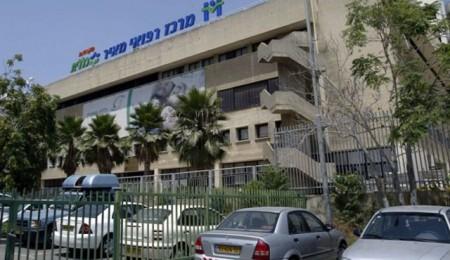
Meir Medical Center
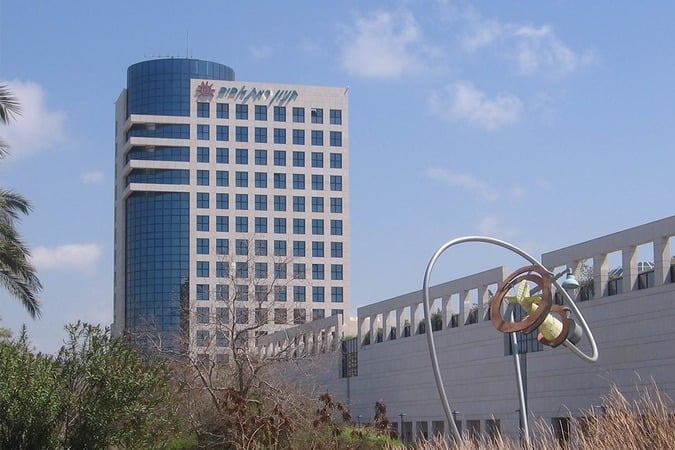
Ramat Aviv Medical Center

Shaare Zedek Medical Center
Obtenga una evaluación médica de tratamiento de Prostatitis en Israel: haga una consulta con 12 médicos experimentados ahora
Ver todos los médicos
Yossefovitz Ofer
El Prof. Yossefovitz se especializa en cirugía urológica con enfoque en técnicas robóticas y laparoscópicas en el Centro Médico Sourasky.
- _doctor_3514_años_ de experiencia en urología
- Jefe de urología oncológica en el hospital Ichilov
- Formación de fellowship en el Memorial Sloan Kettering Cancer Center
- Profesor titular en la Universidad de Tel Aviv
- Miembro de múltiples asociaciones internacionales de urología
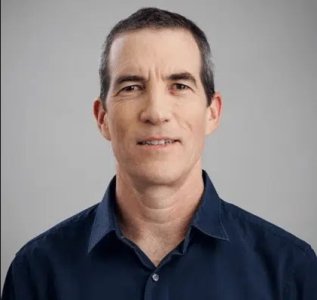
Barak Rosenzweig
El Dr. Barak Rosenzweig, MD, dirige el Servicio de Oncología Urológica del Centro Médico Sheba. Es un cirujano uro-oncológico con casi 20 años de experiencia. Trata cánceres urológicos complejos con métodos robóticos avanzados y mínimamente invasivos. Figura entre los Mejores Médicos de Israel según Forbes.
Su experiencia abarca tumores de próstata, riñón, vejiga, testículo y tracto urinario superior. Realiza prostatectomía radical robótica, nefrectomía parcial con preservación renal y

Yariv Shtabholtz

Mario Sofer
El Dr. Sofer se especializa en uro-oncología y endourología, con formación en instituciones de primer nivel en Canadá y EE. UU. Dirige el Departamento de Endourología en Ichilov-Sourasky.
- Más de _doctor_156_años_ de experiencia en urología
- Formación en uro-oncología en la Universidad de Miami
- Jefe del Departamento de Endourología desde 2004
- Autor de 50 artículos científicos
- Miembro de múltiples asociaciones urológicas internacionales
Artículos relacionados

¿Cuál es el costo del tratamiento de la prostatitis?
Escrito por Veronika Kazina
Compartir contenido
Historias en video de pacientes de Bookimed
 Olena Sikoza
Preguntas frecuentes sobre el tratamiento de Prostatitis en Israel
¿Por qué Israel es uno de los principales destinos para la neurocirugía?
Israel es un centro líder en neurocirugía gracias a su combinación de avances médicos de alta tecnología y una experiencia quirúrgica de primer nivel. Instalaciones avanzadas como el Centro Médico Sheba utilizan sistemas de navegación basados en IA y resonancia magnética intraoperatoria en tiempo real. Centros especializados reportan una tasa de éxito del 98% en procedimientos complejos, como la craneotomía con el paciente despierto y el tratamiento de trastornos del movimiento.
- Tecnología avanzada: Las clínicas utilizan ultrasonido enfocado guiado por resonancia magnética (MRgFUS) y sistemas robóticos para realizar incisiones.
- Experiencia quirúrgica: Cirujanos como el Dr. Zvi Ram lideran asociaciones internacionales con más de 25 años de experiencia.
- Acceso rápido: Los pacientes internacionales generalmente pueden programar cirugías complejas de cerebro o columna en un plazo de 2 a 4 semanas.
- Atención médica acreditada: Grandes centros como Sourasky (Ichilov) y Assuta están acreditados por la JCI, lo que confirma su seguridad.
Opinión experta de Bookimed: Los datos muestran una clara diferencia entre las opciones de tratamiento públicas y privadas en Israel. Centros privados, como el Centro Médico Assuta, realizan más de 92.000 cirugías al año y permiten a los pacientes elegir a un cirujano líder específico. Esto supone una ventaja signi
¿Qué tipos de enfermedades neuroquirúrgicas se tratan en Israel?
Los neurocirujanos israelíes tratan una amplia gama de afecciones, desde tumores cerebrales y de médula espinal hasta trastornos funcionales complejos. Los centros especializados utilizan tecnologías de vanguardia, como el bisturí de rayos gamma, la estimulación cerebral profunda y la resonancia magnética intraoperatoria, para un diagnóstico altamente preciso de la epilepsia, la enfermedad de Parkinson y las patologías cerebrovasculares.
- Enfermedades oncológicas: tratamiento de gliomas, meningiomas y tumores hipofisarios mediante resección de la base del cráneo.
- Trastornos funcionales: tratamiento de la enfermedad de Parkinson y del temblor esencial mediante estimulación cerebral profunda.
- Patologías de columna: corrección de escoliosis, hernias discales y tumores espinales mediante sistemas robóticos.
- Tratamiento de las enfermedades cerebrovasculares: tratamiento quirúrgico de aneurismas cerebrales y malformaciones arteriovenosas mediante intervenciones endovasculares.
- Neurocirugía pediátrica: atención especializada en hidrocefalia y anomalías congénitas en centros pediátricos especializados.
Opinión experta de Bookimed: Los hospitales israelíes suelen combinar diversas especialidades para abordar casos complejos. En el Centro Médico Sourasky, neurocirujanos como el Dr. Zvi Lidar combinan neurocirugía y ortopedi
¿Qué hospitales en Israel son más conocidos por sus departamentos de neurocirugía?
Israel alberga centros neuroquirúrgicos de renombre mundial, como el Centro Médico Sourasky, el Centro Médico Sheba y el Centro Médico Hadassah. Estas instituciones son líderes mundiales en el tratamiento de tumores cerebrales complejos, enfermedades de la columna vertebral y trastornos del movimiento. Utilizan tecnologías de vanguardia como el bisturí de rayos gamma, sistemas robóticos y resonancia magnética intraoperatoria.
- Suraski (Ichilov): realiza más de 2.500 operaciones neuroquirúrgicas al año en Tel Aviv con una tasa de éxito del 98%.
- Centro Médico Sheba: clasificado entre los diez mejores hospitales del mundo, trata a 1,9 millones de pacientes al año.
- Centro Médico Hadassah: Nominado al Premio Nobel de la Paz. Líder en neurocirugía pediátrica y terapia génica.
- Centro Médico Assuta: el centro médico privado más grande de Israel. Especializado en cirugías mínimamente invasivas de columna y cerebro.
- Hospital Infantil Schneider: un centro líder en neurocirugía pediátrica que trata a 275.000 niños al año.
Opinión experta de Bookimed: Nuestros datos muestran que, si bien la mayoría de los pacientes buscan tratamiento en Tel Aviv, el Centro Médico Rambam en Haifa ofrece una atención única para neurotraumatismos. Cuenta con una unidad especializada en cuidados neurocríticos que atiende a aproximadamente un milló
¿Quiénes son los principales neurocirujanos en Israel?
Entre los neurocirujanos israelíes más destacados se encuentran los profesores Zvi Ram, Shlomi Constantini e Itzhak Fried, del Centro Médico Sourasky. Estos especialistas ocupan puestos de liderazgo en la Asociación Europea de Sociedades de Neurocirugía (EANS) y la Sociedad Mundial de Neurocirugía Estereotáctica y Funcional (WSSFN). Utilizan técnicas avanzadas de mapeo intraoperatorio y sistemas robóticos.
- Profesor Zvi Ram: experto en cirugía mínimamente invasiva de tumores cerebrales y terapia genética para el cáncer.
- Profesor Shlomi Constantini: Se especializa en procedimientos neuroendoscópicos pediátricos complejos y microcirugía para tumores cerebrales.
- Profesor Itzhak Fried: una autoridad en cirugía de epilepsia, mapeo cerebral funcional y estimulación cerebral profunda.
- Dr. Eli Ashkenazi: Cirujano ortopédico líder en el Hospital Assuta, especializado en el innovador sistema TOPS.
Opinión de los expertos de Bookimed: Los datos de Sourasky y Sheba indican una fuerte correlación entre un alto volumen quirúrgico y la seguridad del paciente. Por ejemplo, Sourasky realiza más de 34.000 cirugías oncológicas al año con una tasa de éxito del 90 %. Los pacientes que requieren la extirpación de un tumor complejo deberían priorizar centros como estos, donde los cirujanos realizan cientos de procedimientos especializados al año.
¿Cuáles son los requisitos para los pacientes internacionales entrantes que buscan atención neuroquirúrgica?
Los pacientes extranjeros que requieran tratamiento neuroquirúrgico en Israel deben presentar documentación médica completa, incluyendo resultados recientes de resonancia magnética o tomografía computarizada, traducidos al inglés. La hospitalización requiere un examen clínico por especialistas para confirmar la idoneidad del tratamiento. Los hospitales suelen exigir el pago completo por adelantado o un depósito considerable antes de confirmar las fechas de la cirugía o emitir la visa.
- Historiales médicos: proporcionar informes detallados y resultados de imágenes traducidos al inglés dentro de las 48 horas para su revisión clínica.
- Comprobante financiero: Proporcione comprobante de fondos por un monto aproximado de _precio_desde_ a _precio_hasta_ para el tratamiento.
- Asistencia para visas: Clínicas como Sourasky Medical Center (Ichilov) emiten cartas oficiales para obtener una visa médica B-2.
- Fase de consulta: La evaluación inicial a menudo se realiza a través de una consulta en línea con cirujanos como el Dr. Strauss Ido.
Opinión experta de Bookimed: Los datos muestran que las principales instituciones médicas israelíes, como el Centro Médico Sheba y el Centro Médico Hadassah, atienden a un gran número de pacientes, superando el millón al año. Esta alta demanda implica que las clínicas priorizan los casos complejos o poco frecuentes sobr
¿Cuánto tiempo necesitaré permanecer en Israel para la neurocirugía y el seguimiento?
La duración estándar de la hospitalización en un departamento de neurocirugía en Israel es de 10 a 14 días para casos sin complicaciones. Los pacientes sometidos a procedimientos complejos, como la extirpación de un tumor cerebral o la estimulación cerebral profunda, suelen requerir de 4 a 6 semanas. Este período incluye el diagnóstico preoperatorio, la cirugía y el seguimiento postoperatorio necesario.
- Estancia hospitalaria: Los procedimientos mínimamente invasivos duran de 1 a 3 días. Las craneotomías estándar tienen una duración promedio de 3 a 10 días.
- Recuperación en el lugar: después del alta hospitalaria, permanecerá en Israel durante 7 a 14 días para realizar exámenes de seguimiento obligatorios.
- Seguridad del vuelo: Los cirujanos recomiendan esperar de 4 a 6 semanas antes de volar para permitir que la presión intracraneal interna se estabilice.
- Calendario de seguimiento: Los exámenes clínicos presenciales generalmente se realizan los días 3, 7 y 14 después de la cirugía.
Opinión experta de Bookimed: Los datos del Centro Médico Sourasky muestran que atienden a más de 400.000 pacientes al año con altas tasas de éxito. Clínicas con un volumen de pacientes tan alto, como Hadassah o Assuta, suelen tener protocolos de alta simplificados. Esto facilita que los pacientes internacionales se adapten más rápidamente a la rehabilitación en h
¿Qué tecnologías avanzadas hacen que la neurocirugía en Israel sea mínimamente invasiva?
La neurocirugía israelí utiliza sistemas de navegación robótica, imágenes 3D en tiempo real y tecnologías no quirúrgicas para minimizar el trauma físico. Sistemas como Mazor Robotics proporcionan precisión submilimétrica en la implantación de médula espinal. El tratamiento con ultrasonido guiado por resonancia magnética (MRgFUS) trata el temblor sin incisiones. Estas herramientas avanzadas garantizan una alta precisión y reducen el tiempo de recuperación.
- Sistemas robóticos: Los sistemas robóticos Mazor y ROSA permiten la colocación precisa de instrumentos a través de pequeñas incisiones.
- Terapia de ultrasonido sin incisión: MRgFUS utiliza ondas sonoras de alta intensidad para tratar el tejido cerebral sin anestesia.
- Navegación digital: la resonancia magnética intraoperatoria y el mapeo 3D permiten a los cirujanos verificar los resultados en tiempo real.
- Endoscopia moderna: los abordajes transnasal y transorbitario permiten extirpar tumores sin necesidad de la craneotomía tradicional con apertura del cráneo.
Opinión experta de Bookimed: Clínicas israelíes como Sourasky y Hadassah están implementando tecnologías israelíes patentadas, como Surgical Theater, incluso antes de su entrada al mercado global. Nuestros datos muestran que estos centros utilizan con frecuencia modelos de realidad virtual para la planificación preoperatoria. Esto per
¿Por qué se considera a Israel uno de los mejores lugares para la neurocirugía?
Israel es líder mundial en neurocirugía gracias a la integración de innovaciones médicas nacionales y la participación de especialistas de todo el mundo. Centros importantes como el Centro Médico Sourasky (Ichilov) realizan más de 34.000 cirugías al año. Los pacientes tienen acceso a técnicas de vanguardia como la craneotomía en el paciente despierto y la ecografía focalizada guiada por resonancia magnética.
- Tecnología avanzada: Las instalaciones utilizan CyberKnife, Gamma Knife y sistemas robóticos para garantizar una alta precisión.
- Experiencia: Expertos como el Dr. Zvi Ram ocupan puestos de liderazgo en sociedades neuroquirúrgicas europeas.
- Capacitación global: la mayoría de nuestros neurocirujanos experimentados han completado su formación en instituciones líderes en los EE. UU. y Europa.
- Departamentos especializados: Los centros cuentan con unidades especializadas en neurocirugía pediátrica, cirugía de la base del cráneo y trastornos funcionales.
Opinión experta de Bookimed: La neurocirugía israelí destaca por su alta concentración de especialistas con doble certificación. Muchos cirujanos líderes, como el Dr. Zvi Lidar, están certificados para ejercer tanto en Israel como en Estados Unidos. Esto garantiza que los pacientes reciban atención quirúrgica con estándares estadounidenses, incluso si se encuentran en Tel Aviv o Jerusalén. N
¿Cuáles son los mejores hospitales de Israel para la neurocirugía?
El Centro Médico Sheba y el Centro Médico Sourasky (Ichilov) se encuentran entre los mejores hospitales neuroquirúrgicos de Israel. Estas instituciones, acreditadas por la JCI, realizan miles de cirugías al año. Utilizan tecnologías de vanguardia, como CyberKnife y la resonancia magnética intraoperatoria, para tratar tumores cerebrales complejos y lesiones cerebrovasculares.
- Centro Médico Sheba: Clasificado entre los diez mejores hospitales del mundo por la revista Newsweek.
- Suraski (Ichilov): informa una tasa de éxito del 98% y realiza más de 2.500 operaciones neuroquirúrgicas al año.
- Centro Médico Hadassah: conocido por sus innovadoras técnicas endoscópicas y sus completos programas de investigación avanzada.
- Centro Médico Assuta: la institución médica privada más grande de Israel especializada en cirugías de columna mínimamente invasivas.
- Centro Médico Rambam: Emplea a premios Nobel y es un importante centro de derivación de pacientes a especialistas.
Opinión de los expertos de Bookimed: Nuestros datos muestran que centros israelíes líderes, como Sourasky y Hadassah, realizan más de 40.000 cirugías al año. Este alto volumen permite a los cirujanos mantener una tasa de éxito del 90% incluso en casos oncológicos complejos. Los pacientes que buscan cirugía robótica de columna o estimulación cerebral profunda debe
¿Qué enfermedades y subespecialidades neuroquirúrgicas se tratan en Israel?
Israel es líder mundial en neurocirugía, tratando enfermedades complejas del cerebro y la médula espinal mediante técnicas robóticas y mínimamente invasivas. Departamentos altamente especializados en centros acreditados por la JCI, como el Centro Médico Sourasky (Ichilov) y el Centro Médico Hadassah, se especializan en neurooncología, neurocirugía pediátrica y procedimientos funcionales.
- Neurooncología: tratamiento de glioblastomas, meningiomas y tumores de la base del cráneo con una tasa de éxito del 90%.
- Neurocirugía funcional: estimulación cerebral profunda (ECP) para la enfermedad de Parkinson y la epilepsia resistente a fármacos.
- Especialización Pediátrica: Atención especializada para defectos de nacimiento y tumores en niños en el Schneider Children's Hospital.
- Cirugía de columna: uso de sistemas robóticos Mazor X para corregir escoliosis y hernias discales.
Opinión experta de Bookimed: Los departamentos de neurocirugía israelíes suelen funcionar como centros de respuesta rápida para pacientes internacionales. Los datos muestran que grandes centros como Sourasky, que atiende a 1.800.000 pacientes al año, pueden organizar videoconsultas con expertos con gran rapidez. Esta rapidez es crucial en los casos de neurooncología, donde iniciar el tratamiento unos días antes tiene un impacto significativo en los resultados.