Timoma en Israel: las 4 mejores clínicas para su tratamiento


Revisado médicamente por
Fahad Mawlood
Cómo funciona
¿Cuál es el precio del diagnóstico y los tratamientos de Timoma en Israel? Descubra ahora
Thymoma treatment cost in Israel is largely determined by the surgical approach and diagnostic depth, with a thoracic surgeon consultation ranging from $300 to $450. Total expenses depend on tumor stage, the use of robotic technology, and hospital choice. Patients often see 20-30% savings compared to the US. Primary treatment centers are located in Tel Aviv, Haifa, and Ramat Gan.
Typical Thymoma Treatment Costs in Israel
- Consultation with a thoracic surgeon: $300 – $450
- Complex oncology diagnostic: $2,800 – $5,500
- CT of the paranasal sinuses: $230 – $340
Bookimed Expert Insight: For complex cases requiring genomic profiling, Tel Aviv clinics like Sourasky (Ichilov) are ideal. Dr. Ari Raphael at Ichilov leads national genomic initiatives to tailor immunotherapy. Patients seeking advanced surgical options should consider centers like Sheba or Rambam. These facilities pioneered robotic resections in Israel, offering minimally invasive tumor removal. Private complexes like Assuta provide rapid 1-3 day diagnostic checkups for international patients.
Descubra las mejores clínicas de tratamiento de Timoma en Israel: 4 opciones verificadas y Precios










Kaplan Medical Center
Obtenga una evaluación médica para Timoma en Israel: consulte con doctores experimentados ahora
Ver todos los médicos
Ari Raphael
El Dr. Ari Raphael dirige la investigación genómica sobre timoma en el Sourasky Medical Center, siendo pionero en técnicas de biopsia líquida.
- Profesor titular en la Facultad de Medicina de la Universidad de Tel Aviv
- Investigador principal en múltiples ensayos clínicos de inmunoterapia
- Moderador del Consejo de Oncología Molecular de la Sociedad Israelí de Cáncer de Pulmón
- Experto en perfilado genómico integral de neoplasias torácicas

Ofer Merimsky
El Prof. Merimsky dirige la Unidad de Oncología de Tejidos Blandos y Huesos en el Centro Médico Sourasky, con más de 41 años de experiencia especializada en el tratamiento de timomas.
- Formación especializada en sarcomas en el Institut Gustave Roussy de París
- Miembro de la Facultad de Sarcomas de la ESMO y del comité ético de la IASLC
- Investigador pionero en el Instituto Weizmann y el Centro Médico Felsenstein
- Ex presidente de Oncología en la Facultad de Medicina Sackler
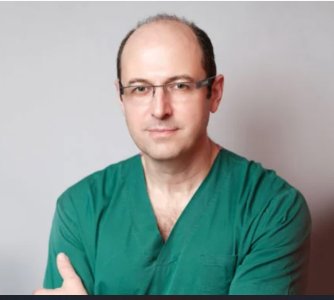
Yuri Goldes
El Dr. Yuri Goldes es cirujano general con más de 20 años de experiencia clínica. Se especializa en cirugía gastrointestinal alta y oncológica. Es subdirector del Departamento de Cirugía General y Trasplante del Centro Médico Sheba en Tel Aviv y dirige la Unidad de Cirugía Gastrointestinal Alta. En 2025 fue incluido en la lista de los Mejores Médicos de Forbes Israel. Está entre los mejores cirujanos gastrointestinales de Israel según Forbes. En 2019 recibió el premio “Médico del Año” del Min
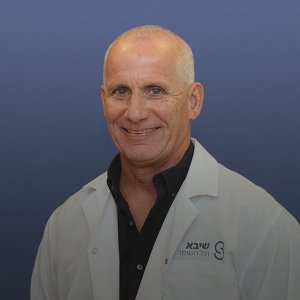
Raanan Berger
El profesor Raanan Berger, MD, PhD, es oncólogo médico y radioterapeuta. Es director del Centro Oncológico del Sheba Medical Center y dirige su unidad de investigación clínica. Fue incluido en la lista “Best Doctors” de Forbes Israel (2025). Lidera el programa de oncología genitourinaria, con enfoque en el cáncer de próstata. Su práctica incluye terapia sistémica y radioterapia en un modelo multidisciplinario centrado en el paciente.
Es especialista en oncología. Obtuvo los títulos de
Compartir contenido
Historias en video de pacientes de Bookimed
 Olena Sikoza
Preguntas frecuentes sobre el tratamiento de Timoma en Israel
¿Qué hospitales en Israel se recomiendan para el tratamiento del timoma?
Los hospitales recomendados en Israel para el tratamiento del timoma incluyen el Sourasky Medical Center, el Sheba Medical Center y el Assuta Medical Center. Estas instalaciones acreditadas por la JCI ofrecen programas especializados de oncología torácica multidisciplinaria. Especialistas líderes como el Dr. Ofer Merimsky brindan atención basada en la genómica y resecciones quirúrgicas mínimamente invasivas avanzadas para tumores mediastínicos complejos.
- Sourasky Medical Center: Cuenta con el Dr. Ofer Merimsky, especialista en oncología torácica rara.
- Sheba Medical Center: Clasificado constantemente entre los mejores hospitales del mundo por la revista Newsweek.
- Assuta Medical Center: Ofrece atención privada personalizada con opciones de cirugía asistida por robot y toracoscópica.
- Rambam Medical Center: Sirve como un importante centro nacional para procedimientos mediastínicos complejos.
Perspectiva del experto de Bookimed: Los centros médicos israelíes a menudo separan la cirugía torácica de los departamentos de cardiología general. El Sheba Medical Center realiza cientos de procedimientos mediastínicos complejos al año. El Sourasky Medical Center informa una tasa de éxito promedio del 90% en oncología. Esta especialización garantiza que los pacientes reciban atención de cirujanos dedicados específicamente al tórax y al timo.
¿Qué opciones quirúrgicas están disponibles en Israel?
Las opciones quirúrgicas en Israel incluyen VATS mínimamente invasiva, timectomía asistida por robot y esternotomía abierta para casos avanzados. Centros acreditados por la JCI como el Sourasky Medical Center y Assuta utilizan sistemas robóticos Da Vinci. Estas tecnologías permiten una extirpación precisa del tumor con tiempos de recuperación significativamente más rápidos para los pacientes oncológicos.
- Cirugía mínimamente invasiva: Los procedimientos VATS y robóticos reducen las estancias hospitalarias.
- Resección tumoral avanzada: Los cirujanos realizan timectomías extendidas para casos de estadio III-IV.
- Equipos torácicos especializados: Dirigidos por expertos como el Dr. Ofer Merimsky en Sourasky.
- Precisión robótica: El Dr. Yuri Goldes fue pionero en las resecciones oncológicas robóticas en Israel.
Perspectiva del experto de Bookimed: Los centros quirúrgicos israelíes como Rambam y Sourasky operan a gran escala, con Sourasky realizando más de 34,000 cirugías al año. Los datos muestran que estos centros de alto volumen a menudo tratan muchos casos complejos de timoma que los hospitales generales podrían rechazar. Los pacientes deben priorizar las clínicas con unidades de investigación integradas, ya que estas instalaciones participan frecuentemente en ensayos clínicos para neoplasias torácicas raras.
Consenso de los pa
¿Cuál es la tasa de éxito del tratamiento del timoma en Israel?
Israel reporta un alto éxito en el tratamiento del timoma. La tasa de supervivencia a 5 años para pacientes sometidos a cirugía por tumores localmente avanzados es del 81 %. Los casos en etapa temprana tratados con resección radical alcanzan una supervivencia del 95 % al 100 %. Centros líderes como el Sourasky Medical Center mantienen una tasa de éxito promedio del 90 % en sus departamentos de oncología.
- Éxito quirúrgico: La resección radical logra hasta un 100 % de supervivencia para tumores tímicos localizados.
- Estadios avanzados: La cirugía para casos en estadio III–IVA mantiene una tasa de supervivencia a 5 años del 81 %.
- Impacto tecnológico: La timectomía robótica realizada en centros como Assuta reduce los tiempos de recuperación.
- Atención multimodal: La combinación de cirugía, radioterapia y quimioterapia mejora los resultados en casos complejos.
Perspectiva del experto de Bookimed: Los centros oncológicos israelíes como el Sourasky Medical Center integran el perfil genómico en la atención estándar. El Dr. Ari Raphael se especializa en estos comités moleculares de tumores. Este nivel de precisión permite a los equipos identificar terapias sistémicas para pacientes en estadio IV. Esto a menudo resulta en una tasa de supervivencia a 5 años del 40 % al 60 % para casos avanzados.
Consenso de los pacientes: Los
¿Están disponibles terapias sistémicas avanzadas como la inmunoterapia?
Las terapias sistémicas avanzadas como la inmunoterapia y los agentes dirigidos están disponibles para el tratamiento del timoma en Israel. Centros como el Sourasky Medical Center lideran ensayos internacionales para medicamentos que incluyen pembrolizumab. Estas terapias se utilizan normalmente para casos avanzados de estadio 3 o 4 después de tratamientos convencionales como cirugía o quimioterapia.
- Inhibidores inmunitarios: Los institutos de oncología israelíes proporcionan medicamentos como pembrolizumab para tumores tímicos positivos para PD-L1.
- Expertos especializados: El profesor Ofer Merimsky en Sourasky se especializa en neoplasias torácicas y protocolos avanzados.
- Diagnóstico de precisión: Las instalaciones utilizan perfiles genómicos integrales para identificar mutaciones genéticas específicas dentro del tumor.
- Ensayos clínicos: El Dr. Ari Raphael lidera ensayos de fase temprana a tardía para terapias celulares innovadoras.
Perspectiva del experto de Bookimed: Los centros de oncología israelíes como el Sourasky Medical Center reportan una tasa de éxito del 90% en tratamientos oncológicos. Esto se debe en parte a que los médicos inventan nuevos protocolos específicamente para cánceres torácicos. Los pacientes a menudo visitan a profesores como Ofer Merimsky para combinar cirugía especializada y terapia farmacológica moderna en
¿Qué información clave debo discutir durante mi consulta inicial?
Durante una consulta inicial por timoma en Israel, discuta la precisión de la estadificación y el cribado de miastenia gravis. Los pacientes deben confirmar si un comité multidisciplinario de tumores revisa su caso. Pregunte sobre enfoques quirúrgicos como la resección robótica o la secuencia de tratamiento que implica quimioterapia para tumores con resecabilidad límite.
- Precisión diagnóstica: Solicite una revisión patológica de las láminas existentes para obtener una segunda opinión.
- Riesgo autoinmune: Solicite un cribado de miastenia gravis, ya que afecta a muchos pacientes con timoma.
- Experiencia quirúrgica: Discuta la experiencia del cirujano con resecciones torácicas mínimamente invasivas o robóticas.
- Secuencia de tratamiento: Pregunte si es necesaria la quimioterapia o radioterapia antes de intentar la extirpación quirúrgica.
Perspectiva del experto de Bookimed: Los centros oncológicos israelíes como el Sourasky Medical Center reportan tasas de supervivencia de alrededor del 90%. Los pacientes deben aprovechar la experiencia especializada de médicos como el Dr. Ari Raphael. Él dirige un comité molecular de tumores e interpreta perfiles genómicos complejos. Este nivel de detalle es crucial para las neoplasias torácicas raras donde los protocolos estándar pueden necesitar ajustes.
Consenso de los pacientes: L
¿Por qué Israel es uno de los principales destinos para la neurocirugía?
Israel es un centro líder en neurocirugía gracias a su combinación de avances médicos de alta tecnología y una experiencia quirúrgica de primer nivel. Instalaciones avanzadas como el Centro Médico Sheba utilizan sistemas de navegación basados en IA y resonancia magnética intraoperatoria en tiempo real. Centros especializados reportan una tasa de éxito del 98% en procedimientos complejos, como la craneotomía con el paciente despierto y el tratamiento de trastornos del movimiento.
- Tecnología avanzada: Las clínicas utilizan ultrasonido enfocado guiado por resonancia magnética (MRgFUS) y sistemas robóticos para realizar incisiones.
- Experiencia quirúrgica: Cirujanos como el Dr. Zvi Ram lideran asociaciones internacionales con más de 25 años de experiencia.
- Acceso rápido: Los pacientes internacionales generalmente pueden programar cirugías complejas de cerebro o columna en un plazo de 2 a 4 semanas.
- Atención médica acreditada: Grandes centros como Sourasky (Ichilov) y Assuta están acreditados por la JCI, lo que confirma su seguridad.
Opinión experta de Bookimed: Los datos muestran una clara diferencia entre las opciones de tratamiento públicas y privadas en Israel. Centros privados, como el Centro Médico Assuta, realizan más de 92.000 cirugías al año y permiten a los pacientes elegir a un cirujano líder específico. Esto supone una ventaja signi
¿Qué tipos de enfermedades neuroquirúrgicas se tratan en Israel?
Los neurocirujanos israelíes tratan una amplia gama de afecciones, desde tumores cerebrales y de médula espinal hasta trastornos funcionales complejos. Los centros especializados utilizan tecnologías de vanguardia, como el bisturí de rayos gamma, la estimulación cerebral profunda y la resonancia magnética intraoperatoria, para un diagnóstico altamente preciso de la epilepsia, la enfermedad de Parkinson y las patologías cerebrovasculares.
- Enfermedades oncológicas: tratamiento de gliomas, meningiomas y tumores hipofisarios mediante resección de la base del cráneo.
- Trastornos funcionales: tratamiento de la enfermedad de Parkinson y del temblor esencial mediante estimulación cerebral profunda.
- Patologías de columna: corrección de escoliosis, hernias discales y tumores espinales mediante sistemas robóticos.
- Tratamiento de las enfermedades cerebrovasculares: tratamiento quirúrgico de aneurismas cerebrales y malformaciones arteriovenosas mediante intervenciones endovasculares.
- Neurocirugía pediátrica: atención especializada en hidrocefalia y anomalías congénitas en centros pediátricos especializados.
Opinión experta de Bookimed: Los hospitales israelíes suelen combinar diversas especialidades para abordar casos complejos. En el Centro Médico Sourasky, neurocirujanos como el Dr. Zvi Lidar combinan neurocirugía y ortopedi
¿Qué hospitales en Israel son más conocidos por sus departamentos de neurocirugía?
Israel alberga centros neuroquirúrgicos de renombre mundial, como el Centro Médico Sourasky, el Centro Médico Sheba y el Centro Médico Hadassah. Estas instituciones son líderes mundiales en el tratamiento de tumores cerebrales complejos, enfermedades de la columna vertebral y trastornos del movimiento. Utilizan tecnologías de vanguardia como el bisturí de rayos gamma, sistemas robóticos y resonancia magnética intraoperatoria.
- Suraski (Ichilov): realiza más de 2.500 operaciones neuroquirúrgicas al año en Tel Aviv con una tasa de éxito del 98%.
- Centro Médico Sheba: clasificado entre los diez mejores hospitales del mundo, trata a 1,9 millones de pacientes al año.
- Centro Médico Hadassah: Nominado al Premio Nobel de la Paz. Líder en neurocirugía pediátrica y terapia génica.
- Centro Médico Assuta: el centro médico privado más grande de Israel. Especializado en cirugías mínimamente invasivas de columna y cerebro.
- Hospital Infantil Schneider: un centro líder en neurocirugía pediátrica que trata a 275.000 niños al año.
Opinión experta de Bookimed: Nuestros datos muestran que, si bien la mayoría de los pacientes buscan tratamiento en Tel Aviv, el Centro Médico Rambam en Haifa ofrece una atención única para neurotraumatismos. Cuenta con una unidad especializada en cuidados neurocríticos que atiende a aproximadamente un milló
¿Quiénes son los principales neurocirujanos en Israel?
Entre los neurocirujanos israelíes más destacados se encuentran los profesores Zvi Ram, Shlomi Constantini e Itzhak Fried, del Centro Médico Sourasky. Estos especialistas ocupan puestos de liderazgo en la Asociación Europea de Sociedades de Neurocirugía (EANS) y la Sociedad Mundial de Neurocirugía Estereotáctica y Funcional (WSSFN). Utilizan técnicas avanzadas de mapeo intraoperatorio y sistemas robóticos.
- Profesor Zvi Ram: experto en cirugía mínimamente invasiva de tumores cerebrales y terapia genética para el cáncer.
- Profesor Shlomi Constantini: Se especializa en procedimientos neuroendoscópicos pediátricos complejos y microcirugía para tumores cerebrales.
- Profesor Itzhak Fried: una autoridad en cirugía de epilepsia, mapeo cerebral funcional y estimulación cerebral profunda.
- Dr. Eli Ashkenazi: Cirujano ortopédico líder en el Hospital Assuta, especializado en el innovador sistema TOPS.
Opinión de los expertos de Bookimed: Los datos de Sourasky y Sheba indican una fuerte correlación entre un alto volumen quirúrgico y la seguridad del paciente. Por ejemplo, Sourasky realiza más de 34.000 cirugías oncológicas al año con una tasa de éxito del 90 %. Los pacientes que requieren la extirpación de un tumor complejo deberían priorizar centros como estos, donde los cirujanos realizan cientos de procedimientos especializados al año.
¿Cuáles son los requisitos para los pacientes internacionales entrantes que buscan atención neuroquirúrgica?
Los pacientes extranjeros que requieran tratamiento neuroquirúrgico en Israel deben presentar documentación médica completa, incluyendo resultados recientes de resonancia magnética o tomografía computarizada, traducidos al inglés. La hospitalización requiere un examen clínico por especialistas para confirmar la idoneidad del tratamiento. Los hospitales suelen exigir el pago completo por adelantado o un depósito considerable antes de confirmar las fechas de la cirugía o emitir la visa.
- Historiales médicos: proporcionar informes detallados y resultados de imágenes traducidos al inglés dentro de las 48 horas para su revisión clínica.
- Comprobante financiero: Proporcione comprobante de fondos por un monto aproximado de _precio_desde_ a _precio_hasta_ para el tratamiento.
- Asistencia para visas: Clínicas como Sourasky Medical Center (Ichilov) emiten cartas oficiales para obtener una visa médica B-2.
- Fase de consulta: La evaluación inicial a menudo se realiza a través de una consulta en línea con cirujanos como el Dr. Strauss Ido.
Opinión experta de Bookimed: Los datos muestran que las principales instituciones médicas israelíes, como el Centro Médico Sheba y el Centro Médico Hadassah, atienden a un gran número de pacientes, superando el millón al año. Esta alta demanda implica que las clínicas priorizan los casos complejos o poco frecuentes sobr