Queratoplastia en Italia — obtén 3 clínicas con costos


Revisado médicamente por
Fahad Mawlood
¿Cuál es el precio de Queratoplastia en Italia? Descubra ahora
La queratoplastia en Italia generalmente cuesta desde $9,000 hasta $15,000. El precio final depende de la técnica quirúrgica utilizada y del nivel de la clínica. Italia es un destino importante para la cirugía de córnea. UU. En los EE. El precio generalmente incluye los honorarios del cirujano, el injerto corneal y la estancia hospitalaria estándar.
- Técnica quirúrgica: Las técnicas lamelares más complejas como DALK o DMEK suelen añadir entre un 15 y un 25% a los costes.
- Centros administrativos: Los principales centros para cirugía ocular incluyen Roma, Milán, Turín y Bari.
- Nivel de clínica privada: Los centros privados especializados a menudo cobran tarifas más altas que el sistema público de salud italiano.
- Pruebas diagnósticas: Las tarifas de OCT y las imágenes detalladas generalmente se facturan por separado de la cirugía.
Perspectiva de expertos de Bookimed: Elegir un hospital general en Roma o Milán ofrece ventajas significativas. Instalaciones como el Ospedale San Carlo di Nancy en Roma están acreditadas por el Servicio Nacional de Salud. El Hospital San Donato de Milán trata a 300.000 pacientes al año y cuenta con la acreditación IRCCS. Los grandes centros multidisciplinarios brindan acceso a diversos especialistas si surgen complicaciones. Este alto volumen de pacientes a menudo conduce a una experiencia quirúrgica más refinada para los visitantes internacionales.
Beneficios clave
¿Por qué elegir Italia para la queratoplastia?
- Clínicas acreditadas: Hospitales certificados por JCI que ofrecen atención de alta calidad y cumplen con estándares internacionales.
- Últimas tecnologías: Italia emplea métodos como DMEK (Queratoplastia Endotelial de Membrana de Descemet) y DALK (Queratoplastia Lamelar Anterior Profunda). También utilizan materiales innovadores como córneas artificiales Boston KPro, que mejoran los resultados quirúrgicos.
- Altas tasas de éxito: La queratoplastia en Italia tiene una tasa de eficacia del 85-90% en la restauración de la visión para diversas condiciones de los pacientes.
- Cirujanos expertos: Oftalmólogos reconocidos, certificados por la Junta Europea de Oftalmología, han completado más de 2,000 procedimientos exitosos de queratoplastia. Esto garantiza tanto experiencia como pericia.
Acceda a soluciones avanzadas de queratoplastia en clínicas de confianza de $9,000.
| Italia | España | Turquía | |
|---|---|---|---|
| Queratoplastia | ≈ $9,000 | de $19,300 | de $9,200 |
Sus beneficios y garantías con Bookimed
Precios directos
Bookimed no añade cargos adicionales a los precios de Queratoplastia. Las tarifas proceden de las listas de precios oficiales de las clínicas. Pagará directamente en la clínica por su Queratoplastia a su llegada al país.
Sólo clínicas y médicos verificados
Bookimed está comprometido con su seguridad. Solo trabajamos con las clínicas que mantienen altos estándares internacionales en Queratoplastia y tienen las licencias necesarias para atender a pacientes internacionales en todo el mundo.
Asistencia 24/7 gratuita
Bookimed ofrece asistencia experta gratuita. Un coordinador médico personal le apoya antes, durante y después del tratamiento, resolviendo cualquier problema. Nunca estará solo en su viaje médico de Queratoplastia.

Su coordinador médico personal de Bookimed
- Le apoya en cada etapa
- Ayuda a elegir la clínica y el médico adecuados
- Asegura un acceso rápido y conveniente a la información
Descubra las mejores clínicas de Queratoplastia en Italia: 3 opciones verificadas y Precios






Descripción general de Queratoplastia en Italia
- Enlace cruzado corneal (CCL) (un ojo) - de $1,800El tratamiento fortalece la córnea a través de luz ultravioleta y riboflavina, previniendo condiciones oculares progresivas.
- Queratoplastia - de $9,000Esta cirugía trasplanta tejido de córnea, mejorando la visión o aliviando el dolor, a menudo con una recuperación rápida y una cicatriz mínima.
- Trasplante de córnea - de $4,800Esta cirugía reemplaza la superficie dañada del ojo con tejido sano de un donante para mejorar la visión o aliviar el dolor.
- Implantación de anillo corneal - de $2,200El procedimiento consiste en colocar pequeños anillos en el ojo para remodelar la córnea, mejorar la visión y la comodidad.
Día 1: Llegada
- Llegada al país.
- Traslado al alojamiento (no incluido en el paquete).
- Descansar y aclimatarse al nuevo entorno.
Día 2: Preoperatorio
- Consulta con oftalmólogo para revisión de historia clínica.
- Se realizan exámenes oftalmológicos y pruebas diagnósticas.
- Exámenes de orina para asegurar la salud general.
- Reciba ayuda con el idioma si es necesario.
Día 3: Procedimiento de queratoplastia
- Llegada a la clínica.
- Preparación para la cirugía (ayuno, baño).
- Administración de anestesia local o general.
- Se realiza trasplante de córnea (Queratoplastia) (1-2 horas).
- Recuperación de la anestesia, seguimiento postoperatorio inicial.
Día 4-7: Postoperatorio
- Seguimientos diarios con oftalmólogo.
- Administración periódica de medicamentos y colirios.
- Seguimiento del proceso de curación y control de complicaciones.
Semana 2-8: Rehabilitación
- Reanudación lenta de las actividades normales.
- Revisiones periódicas de la vista y continuación de la medicación.
- Regrese al trabajo en la semana 3, con gafas protectoras.
- Actividades deportivas ligeras en la semana 6.
- Resultado final visible a partir de la semana 8.
Recuerde, la recuperación de cada paciente es individual y puede variar.
- Depósito de Bookimed: 200 $ o 200 €.
- Depósito de la clínica: Pague un porcentaje fijo por adelantado.
Historias en video de pacientes de Bookimed
Reseñas
Todas las reseñasCompartir contenido
 Olena Sikoza
Datos сlave sobre Queratoplastia
Queratoplastia
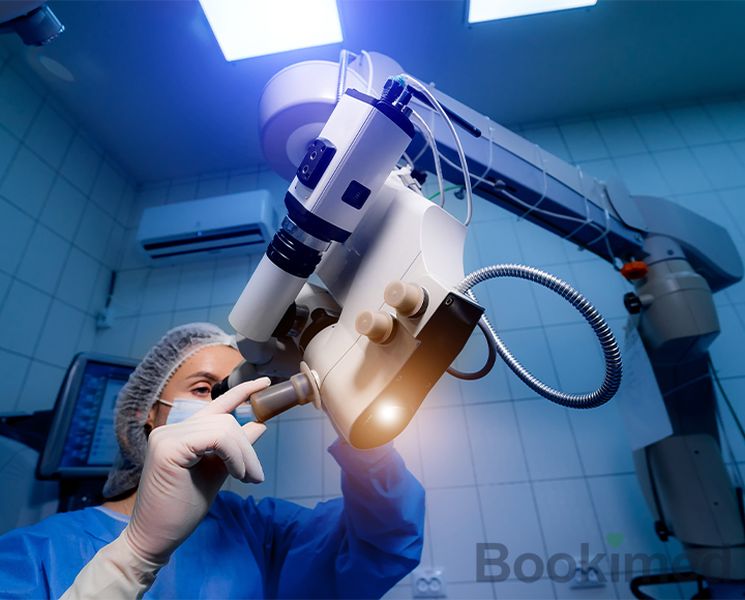
La queratoplastia consiste en sustituir el tejido corneal dañado por tejido corneal sano de un donante para recuperar la visión.
Preguntas frecuentes sobre Queratoplastia en Italia
¿Qué tipos de trasplantes de córnea están disponibles en Italia?
Italia ofrece opciones avanzadas de trasplante de córnea, incluyendo la queratoplastia penetrante (PK) de espesor total y técnicas de capas selectivas como DALK y DMEK. Estos procedimientos modernos permiten a los cirujanos reemplazar solo las capas de tejido dañadas. Este enfoque reduce significativamente los riesgos de rechazo y acorta el tiempo de recuperación visual para los pacientes.
- PK (Espesor total): Reemplaza toda la córnea en casos de cicatrices graves o infecciones profundas.
- DALK (Capa anterior): Reemplaza el 95% anterior, preservando la capa endotelial interna sana del paciente.
- DMEK/DSEK (Capa posterior): Especializado en trasplantes endoteliales delgados para tratar la distrofia de Fuchs o la hinchazón.
- Injertos artificiales: Utiliza implantes sintéticos como la queratoprótesis de Boston para casos complejos de alto riesgo.
Perspectiva del experto de Bookimed: Las clínicas italianas como el Hospital San Donato en Milán suelen utilizar tejido de alta calidad de bancos de ojos locales. Esta asociación ayuda a mantener las tasas de rechazo por debajo del 5% para los procedimientos endoteliales modernos. Las clínicas privadas a menudo proporcionan estos injertos especializados por capas mucho más rápido que las instalaciones públicas.
Consenso de los pacientes: Los pacientes informan que, aunque los t
¿Cuál es la tasa de éxito de la queratoplastia en Italia?
La queratoplastia en Italia mantiene una alta tasa de éxito, con una supervivencia del injerto al año de entre el 93% y el 95%. Los resultados varían según la afección; los pacientes con queratocono alcanzan hasta un 98% de supervivencia. Las técnicas modernas como la queratoplastia lamelar anterior profunda (DALK) muestran tasas de rechazo tan bajas como el 4% en los centros especializados italianos.
- Rendimiento de la técnica: La queratoplastia lamelar anterior profunda logra tasas de supervivencia superiores al 99% en 54 meses.
- Resultados específicos por afección: Los injertos para queratocono permanecen excepcionalmente estables en un 98% para los procedimientos de queratoplastia penetrante.
- Calidad del donante: Un tercio de los injertos italianos provienen de la Veneto Eye Bank Foundation, lo que garantiza altos estándares.
- Procedimientos avanzados: La queratoplastia endotelial de membrana de Descemet (DMEK) logra un 92,6% de transparencia dentro de los 6 meses posteriores a la cirugía.
Perspectiva del experto de Bookimed: Italia se distingue por sus hospitales de investigación acreditados por el IRCCS, como San Donato, donde la atención clínica se integra con la investigación corneal activa. Este entorno académico a menudo brinda a los pacientes acceso a técnicas DSAEK ultrafinas. Estos procedimientos especializados ofrecen una probabilid
¿Cuánto dura el periodo de recuperación después de una queratoplastia?
La recuperación de la queratoplastia varía según la técnica, y la visión funcional inicial suele volver en un plazo de 1 a 2 semanas para los injertos de espesor parcial. La estabilización completa para los trasplantes de espesor total (PK) puede tardar de 12 a 24 meses. La curación total depende de la retirada de las suturas, que suele producirse entre los 3 y los 12 meses.
- Tipo de procedimiento: La recuperación de la DSEK/DMEK de espesor parcial es la más rápida, estabilizándose a menudo en un plazo de 2 a 6 meses.
- Límites de actividad: Evite levantar objetos pesados, los deportes de contacto y la natación durante 4 a 8 semanas.
- Regreso al trabajo: La mayoría de los pacientes retoman el trabajo de oficina en 1 semana; los trabajos físicos requieren 3 meses.
- Protocolo de medicación: Se requieren gotas oculares de esteroides tópicos durante 6 a 12 meses para prevenir el rechazo.
- Hitos de la visión: Las recetas finales para gafas o lentes de contacto suelen esperar hasta los 6 a 12 meses después de la cirugía.
Perspectiva del experto de Bookimed: Los centros italianos acreditados por el IRCCS, como el Hospital San Donato, combinan la atención clínica con la investigación activa. Esto es importante porque el seguimiento de la queratoplastia es excepcionalmente largo. Los pacientes deben elegir clínicas en ciudade
¿Qué hospitales se consideran centros líderes en queratoplastia en Italia?
Los centros líderes en queratoplastia en Italia incluyen el Hospital San Raffaele en Milán, el Ospedale San Carlo di Nancy en Roma y el Ospedale Santa Maria en Bari. Estas instalaciones se especializan en trasplantes de córnea avanzados, cross-linking y técnicas lamelares mínimamente invasivas dentro de entornos de investigación acreditados por IRCCS.
- Hospital San Raffaele: Cuenta con una unidad de oftalmología que realiza más de 900 trasplantes de córnea bajo un liderazgo experto.
- San Carlo di Nancy: Centro regional acreditado en Roma que trata a 15.000 pacientes con microcirugía avanzada.
- Ospedale Santa Maria: Hospital de alta especialización en Bari que ofrece procedimientos de implantación de anillos corneales y cross-linking.
- Fondazione Banca Occhi: El banco de ojos más grande de Europa que proporciona soporte de tejido crítico para los centros regionales de trasplante.
Perspectiva del experto de Bookimed: Si bien las clínicas privadas ofrecen un acceso más rápido, los hospitales de investigación líderes como San Raffaele manejan los volúmenes más altos. Estos centros acreditados por IRCCS combinan la atención clínica con la investigación activa. Este doble enfoque a menudo brinda a los pacientes acceso a ensayos clínicos para afecciones corneales complejas.
Consenso de los pacientes: Los pacientes a menudo
¿Cómo puedo verificar si un cirujano está cualificado para realizar una queratoplastia en Italia?
Para verificar a un cirujano para una queratoplastia en Italia, consulte el registro de la Federación Nacional de Órdenes de Médicos y Odontólogos. Confirme que posee una especialización en Oftalmología. Los especialistas de alto nivel suelen pertenecer a la Sociedad Italiana de Oftalmología y operan en hospitales de investigación acreditados por el IRCCS en Milán o Roma.
- Verificación del registro: Busque en la base de datos oficial de la Federación Nacional de Órdenes de Médicos y Odontólogos (FNOMCeO).
- Especialización obligatoria: Asegúrese de que el cirujano posea un título formal en Oftalmologia de una universidad italiana.
- Credenciales avanzadas: Busque la membresía en la Sociedad Europea de Cirujanos de Cataratas y Cirugía Refractiva (ESCRS).
- Calidad institucional: Priorice los centros acreditados por el IRCCS que combinan atención clínica avanzada con actividad de investigación corneal.
Perspectiva de expertos de Bookimed: La experiencia quirúrgica italiana a menudo se concentra en centros de investigación multidisciplinarios. Por ejemplo, el Hospital San Donato de Milán realiza 8.400 operaciones al año. Las instituciones más grandes suelen albergar la tecnología láser avanzada necesaria para la queratoplastia lamelar. Las clínicas más pequeñas pueden centrarse en trasplantes estándar, así que verifique siempre la disponibilidad