Cirugía conservadora de riñón en Italia — obtén 3 clínicas con costos


Revisado médicamente por
Fahad Mawlood
¿Cuál es el precio de Cirugía conservadora de riñón en Italia? Descubra ahora
La cirugía conservadora de riñón en Italia suele costar entre $9,500 y $14,500. El precio total depende de la técnica quirúrgica, la complejidad del caso y la ubicación del hospital. En los EE. Las inclusiones estándar abarcan el procedimiento quirúrgico, la anestesia y la hospitalización inicial en instalaciones como las de Roma o Milán.
- Cirugía asistida por robot: Suele añadir un 20-30% sobre los enfoques laparoscópicos estándar debido al uso de la tecnología Da Vinci.
- Centros médicos de Milán: Los costos en Milán a menudo representan una prima del 10-15% debido a la especialización en investigación de alto volumen.
- Regiones del sur de Italia: Los precios en ciudades como Nápoles o Palermo pueden ser entre un 25 y un 40% más altos que en los centros del norte.
- Evaluaciones diagnósticas: Las consultas con especialistas en Roma pueden añadir aproximadamente de $300 a $350 al presupuesto inicial.
Perspectiva del experto de Bookimed: Elegir un centro de alto volumen en el norte o centro de Italia ofrece la mejor relación costo-valor. Clínicas como el Ospedale San Carlo di Nancy en Roma cuentan con acreditación JCI y se especializan en la tecnología Da Vinci. Expertos como el profesor Luca Carmignani en Milán han realizado más de 10,000 cirugías urológicas. Este nivel de experiencia a menudo conduce a estancias hospitalarias más cortas, lo que reduce efectivamente el costo total.
Beneficios clave
¿Por qué elegir Italia para una cirugía conservadora de riñón?
- Clínicas acreditadas: Hospitales certificados por JCI ofrecen estándares excepcionales en atención y seguridad del paciente.
- Últimas tecnologías: El uso de técnicas como la nefrectomía parcial laparoscópica y la cirugía asistida por robot con el sistema Da Vinci Xi garantiza precisión y reduce el tiempo de recuperación.
- Altas tasas de éxito: Las cirugías conservadoras de riñón en Italia tienen una tasa de eficacia del 95%. Esto mejora significativamente los resultados para pacientes con tumores renales localizados.
- Cirujanos expertos: Los principales urólogos, certificados por la Junta Europea de Urología, han realizado más de 2,000 procedimientos conservadores de riñón. Esto asegura que manos experimentadas guíen su tratamiento.
Acceda a soluciones avanzadas de cirugía conservadora de riñón en clínicas de confianza de $9,500.
| Italia | España | Turquía | |
|---|---|---|---|
| Cirugía conservadora de riñón | ≈ $9,500 | de $20,200 | de $7,000 |
Sus beneficios y garantías con Bookimed
Precios directos
Bookimed no añade cargos adicionales a los precios de Cirugía conservadora de riñón. Las tarifas proceden de las listas de precios oficiales de las clínicas. Pagará directamente en la clínica por su Cirugía conservadora de riñón a su llegada al país.
Sólo clínicas y médicos verificados
Bookimed está comprometido con su seguridad. Solo trabajamos con las clínicas que mantienen altos estándares internacionales en Cirugía conservadora de riñón y tienen las licencias necesarias para atender a pacientes internacionales en todo el mundo.
Asistencia 24/7 gratuita
Bookimed ofrece asistencia experta gratuita. Un coordinador médico personal le apoya antes, durante y después del tratamiento, resolviendo cualquier problema. Nunca estará solo en su viaje médico de Cirugía conservadora de riñón.

Su coordinador médico personal de Bookimed
- Le apoya en cada etapa
- Ayuda a elegir la clínica y el médico adecuados
- Asegura un acceso rápido y conveniente a la información
Descubra las mejores clínicas de Cirugía conservadora de riñón en Italia: 2 opciones verificadas y Precios



Maria Cecilia Hospital
Carlo Saltutti






Descripción general de Cirugía conservadora de riñón en Italia
- Nefrectomía - de $18,000La operación extrae un riñón para tratar enfermedades como el cáncer, ofreciendo una posible cura y una mejor calidad de vida.
- Nefrectomía con Robot Da Vinci - de $11,500El procedimiento utiliza asistencia robótica para la extracción del riñón, lo que garantiza precisión, mínima invasividad y una recuperación más rápida.
- Cirugía conservadora de riñón - de $9,500Este procedimiento elimina los tumores renales mientras conserva el tejido sano, minimiza el riesgo y promueve una recuperación más rápida.
Día 1: Llegada
- Llegada al país.
- Ser trasladado desde el aeropuerto a la clínica.
- Instálese en su cámara individual en la clínica.
- Reúnase con el equipo de asistencia lingüística si es necesario.
Día 2: Preoperatorio
- Sométete a una consulta médica con un cardiólogo.
- Completar los exámenes médicos requeridos.
- Revisar y comprender el plan para la cirugía.
Día 3: Cirugía conservadora de riñón
- Llegue al hospital temprano en la mañana.
- Recibir sedación mediante anestesia general.
- Someterse a una cirugía conservadora de riñón, generalmente de 2 a 3 horas.
- Muévase a la sala de recuperación después de la cirugía.
Día 4-7: Postoperatorio
- Permanecer en la clínica para seguimiento.
- Reanude gradualmente las actividades livianas.
- Asistir a las consultas de seguimiento con los cirujanos.
Semana 2-3: Rehabilitación
- Continuar la recuperación en casa bajo orientación.
- Reanude las actividades más extenuantes según lo tolere.
Semana 4: Regreso a las actividades normales
- Volver al trabajo, si no es físicamente exigente.
- Gradualmente regrese a los deportes y otras actividades.
Semana 6: Resultado Final
- Espere ver el resultado final de la cirugía.
Nota: Este cronograma puede variar según las condiciones de salud individuales y el ritmo de recuperación.
- Depósito de Bookimed: 200 $ o 200 €.
- Depósito de la clínica: Pague un porcentaje fijo por adelantado.
Obtenga una evaluación médica para Cirugía conservadora de riñón en Italia: Elija su especialista entre los mejores en el campo
Ver todos los médicos
Caterina Lania
La Dra. Caterina Lania se especializa en cirugía conservadora de riñón en el Hospital San Raffaele, con amplia experiencia en patologías urogenitales.
- Graduada de la Universidad de Milán con especialización en Andrología y Urología
- Autora de más de 150 artículos científicos sobre investigación del sistema genitourinario
- Realiza procedimientos diagnósticos para tumores de vejiga e infertilidad
- Asiste regularmente a congresos nacionales e internacionales de urología

Luca Carmignani
El Prof. Carmignani es Jefe de Urología en el Policlinico San Donato, con más de 10,000 cirugías realizadas en el sistema urinario.
- Presidente de la Fundación de la Sociedad Italiana de Urología
- Especialista en laparoscopia robótica y cirugía láser endoscópica
- Profesor asociado en la Universidad de Milán
- Autor de más de 100 materiales de investigación en cirugía urológica
Carlo Saltutti
Especializado en cirugía robótica y laparoscópica mínimamente invasiva para cánceres de riñón, próstata y vejiga en el Hospital Maria Cecilia.
- Experto en técnicas quirúrgicas de preservación renal
- Se centra en planes de tratamiento personalizados para cada paciente
- Participante habitual en congresos nacionales e internacionales de urología
- Trabaja con tecnologías de vanguardia en las instalaciones de GVM
Historias en video de pacientes de Bookimed
Reseñas
Todas las reseñasCompartir contenido
 Olena Sikoza
Datos сlave sobre Cirugía conservadora de riñón
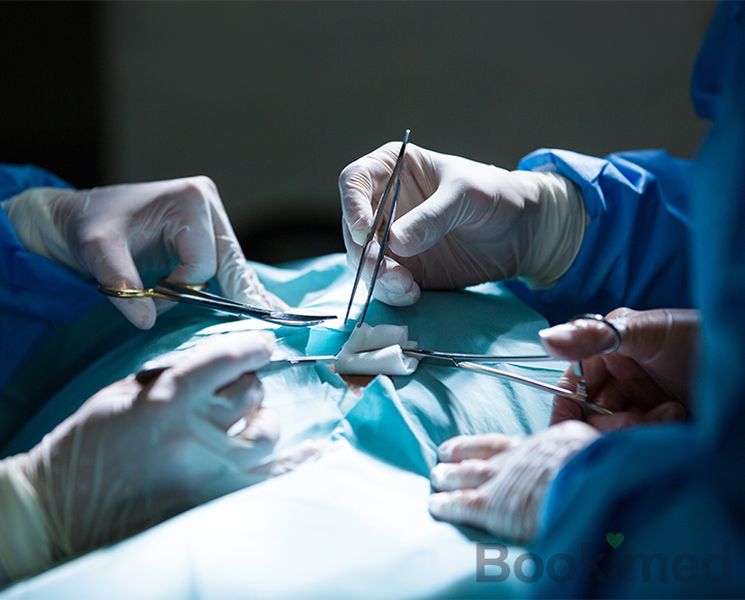
Cirugía renal
La resección renal consiste en extirpar parte del riñón para tratar afecciones como tumores, preservando al mismo tiempo la función renal.
Preguntas frecuentes sobre Cirugía conservadora de riñón en Italia
¿Es segura la cirugía conservadora de riñón en comparación con la nefrectomía total?
La cirugía conservadora de riñón se considera tan segura como la nefrectomía total para masas renales pequeñas de menos de 4 cm. Este enfoque ofrece un control del cáncer a largo plazo equivalente, al tiempo que reduce significativamente el riesgo de enfermedad renal crónica y complicaciones cardiovasculares al preservar el tejido funcional sano.
- Seguridad oncológica: Proporciona tasas de supervivencia similares a la nefrectomía radical para tumores localizados.
- Función renal: Mantiene mejores tasas de filtración glomerular (eGFR) para proteger la salud a largo plazo.
- Complejidad quirúrgica: Requiere habilidades técnicas avanzadas para gestionar posibles hemorragias o fugas urinarias.
- Precisión robótica: Los centros italianos utilizan sistemas Da Vinci para minimizar la pérdida de sangre y la estancia hospitalaria.
Perspectiva del experto de Bookimed: El volumen de casos del cirujano es el factor de seguridad más crítico para los procedimientos de conservación renal. En Italia, especialistas como el Dr. Luca Carmignani han realizado más de 10.000 cirugías, proporcionando un nivel de experiencia que generalmente se correlaciona con tasas de complicaciones más bajas. Elegir un centro de alto volumen como el Ospedale San Carlo di Nancy, que atiende a 15.000 pacientes al año, garantiza que el equipo quirúrgico gestione estas reconstruccione
¿Qué cualificaciones debo buscar al elegir un cirujano o centro italiano para una NSS?
Elija cirujanos italianos con certificación del European Board of Urology y un historial de más de 10.000 procedimientos. Priorice las instalaciones acreditadas por la Joint Commission International equipadas con sistemas robóticos Da Vinci. Especialistas destacados como el profesor Luca Carmignani en el Hospital San Donato son líderes en laparoscopia robótica e investigación oncológica.
- Credenciales del cirujano: Busque la certificación del European Board of Urology (EBU) para una calidad quirúrgica estandarizada.
- Volumen clínico: Seleccione cirujanos con entre 2.000 y más de 10.000 procedimientos urológicos exitosos realizados.
- Experiencia en robótica: Asegúrese de que los expertos se especialicen en sistemas Da Vinci para obtener resultados precisos y de preservación renal.
- Liderazgo en investigación: Busque autores de más de 100 artículos para garantizar las técnicas quirúrgicas más recientes.
Perspectiva del experto de Bookimed: Los centros italianos como el Ospedale San Carlo di Nancy a menudo ofrecen programas robóticos especializados con una capacidad anual de 15.000 pacientes. Si bien muchas clínicas ofrecen opciones laparoscópicas, las instalaciones con calificación de 5 estrellas utilizan constantemente el modelado 3D para el mapeo de tumores. Estas herramientas de imagen avanzadas son fundamentales para preservar el máximo t
¿Cuándo es posible una operación de preservación renal y cuándo debe extirparse todo el riñón?
La cirugía de preservación renal es posible para tumores de menos de 7 cm que permanecen confinados en los bordes externos del riñón. Los cirujanos deben extirpar todo el riñón si el tumor supera los 7 cm, afecta a vasos sanguíneos importantes o invade la glándula suprarrenal o el tejido graso circundante.
- Tamaño del tumor: Se prefiere la preservación para tumores en estadio T1a de menos de 4 cm.
- Ubicación del tumor: Los tumores periféricos en los bordes permiten una resección más fácil que los centrales.
- Función renal: La preservación es obligatoria para pacientes con un solo riñón o enfermedad crónica.
- Enfoque quirúrgico: Los centros italianos utilizan robots Da Vinci para acceder a tumores complejos y profundos.
Perspectiva del experto de Bookimed: Los departamentos de urología italianos, especialmente en Milán y Roma, priorizan la preservación asistida por robot para pacientes mayores de 70 años. Mientras que los pacientes de edad avanzada solían someterse a una nefrectomía total por rapidez, los centros de alto volumen como el Hospital San Donato ahora utilizan técnicas asistidas por robot para mantener la función renal y acortar la recuperación a 4 semanas.
Consenso de los pacientes: Los pacientes con afecciones hereditarias como Von Hippel-Lindau enfatizan la importancia de abogar por la cirugía de preserv
¿Cómo se realiza la operación y cuáles son las diferencias entre la cirugía renal conservadora abierta, laparoscópica y robótica?
La cirugía conservadora del riñón en Italia utiliza técnicas abiertas, laparoscópicas o asistidas por robot para extirpar tumores preservando el tejido renal sano. Los cirujanos aíslan el tumor, pinzan los vasos sanguíneos y suturan el riñón. Los centros italianos priorizan los sistemas robóticos para mejorar la precisión quirúrgica y mantener la función renal durante reconstrucciones complejas.
- Cirugía abierta: Proporciona acceso directo a través de una gran incisión en el flanco para tumores complejos o grandes.
- Enfoque laparoscópico: Utiliza 3-5 puertos pequeños e instrumentos rígidos, reduciendo la pérdida de sangre y el trauma.
- Cirugía asistida por robot: Emplea el sistema da Vinci para visualización 3D y una destreza superior de muñeca de 7 ejes.
- Preservación renal: Los métodos robóticos a menudo logran mejores resultados funcionales mediante suturas más rápidas y precisas.
Perspectiva de expertos de Bookimed: Los departamentos de urología italianos de alto volumen, como el Hospital San Donato, a menudo se inclinan hacia plataformas robóticas para tumores de menos de 4 cm. Mientras que la cirugía abierta permite enfriar el riñón, la destreza robótica facilita técnicas de isquemia cero. Esto evita por completo la interrupción del flujo sanguíneo, mejorando significativamente la tasa de filtración glomerular a largo plazo en compara
¿Cuál es el cronograma de recuperación típico después de una cirugía conservadora de nefronas (NSS) en un centro italiano?
La recuperación típica después de una cirugía conservadora de nefronas en Italia implica una estancia hospitalaria de 48 a 72 horas para procedimientos robóticos. Los pacientes generalmente reanudan la actividad ligera dentro de 1 a 2 semanas, mientras que un regreso completo al trabajo extenuante o al ejercicio requiere de 4 a 12 semanas para una curación completa.
- Alta hospitalaria: Los pacientes permanecen de 2 a 3 días para cirugía robótica o de 4 a 5 días para casos abiertos.
- Actividad inicial: Se recomienda caminar desde el segundo día para prevenir complicaciones como trombosis venosa profunda o estreñimiento.
- Cronograma laboral: Los trabajos de oficina a menudo se reanudan en 10 días, mientras que el trabajo pesado requiere 6 semanas.
- Estabilidad renal: Los niveles de función renal generalmente se estabilizan entre 6 y 12 semanas después de la operación.
Perspectiva del experto de Bookimed: Los centros italianos como el Ospedale San Carlo di Nancy se especializan en cirugía asistida por robot, lo que reduce significativamente el tiempo de inactividad en comparación con las técnicas abiertas. Los datos muestran que los pacientes que eligen una NSS robótica en Milán o Roma a menudo experimentan una ventana de recuperación de 4 semanas, casi un 50% más rápida que los cronogramas de cirugía abierta tradicional. Esta eficiencia está
¿Existen cicatrices visibles o efectos secundarios después de una cirugía de preservación de nefronas?
Se esperan cicatrices visibles y efectos secundarios después de una cirugía de preservación de nefronas, aunque los enfoques robóticos y laparoscópicos en Italia minimizan estos resultados. Las técnicas mínimamente invasivas suelen dejar de 3 a 5 pequeñas incisiones de menos de 2,5 cm, mientras que la cirugía abierta requiere una incisión más grande de 25 a 30 cm en el flanco.
- Cicatrices robóticas: Las pequeñas incisiones, generalmente de 0,5 a 1 cm, sanan dejando líneas pálidas y apenas visibles.
- Cicatrices de cirugía abierta: Las incisiones más grandes en el flanco pueden dejar una línea permanente prominente o una protuberancia abdominal.
- Efectos secundarios comunes: La fatiga que dura de 4 a 8 semanas y el entumecimiento temporal en el sitio de la incisión son comunes.
- Riesgos quirúrgicos: El tejido renal altamente vascularizado hace que el sangrado postoperatorio o las fugas de orina sean posibles complicaciones.
Perspectiva del experto de Bookimed: Los centros de urología italianos como el Hospital San Donato o el Hospital Maria Cecilia enfatizan la experiencia de alto volumen para reducir los efectos secundarios. El Dr. Luca Carmignani ha realizado más de 10.000 cirugías, incluidos procedimientos oncológicos renales complejos. Este nivel de experiencia es un factor crítico para mantener una función renal estable a largo plazo y e
¿Qué regiones/hospitales italianos tienen el mayor volumen y la mejor infraestructura para pacientes internacionales que requieren cirugía renal conservadora?
Lombardía y el Lacio son las regiones líderes en Italia en cirugía renal conservadora, principalmente en Milán y Roma. Estos centros cuentan con la mayor densidad de sistemas robóticos e instalaciones acreditadas por la Joint Commission International (JCI). Los centros especializados realizan un gran volumen de nefrectomías parciales asistidas por robot y técnicas de isquemia cero.
- Líderes regionales: Lombardía domina el volumen urológico, seguida por el Lacio y la región del Véneto.
- Instalaciones especializadas: El San Raffaele de Milán realiza más de 52.000 procedimientos médicos diversos al año.
- Tecnología avanzada: Los cirujanos utilizan sistemas robóticos Da Vinci para una escisión tumoral precisa y mínimamente invasiva.
- Experiencia del personal: El Prof. Luca Carmignani en San Donato ha realizado más de 10.000 cirugías urológicas.
Perspectiva del experto de Bookimed: Aunque Milán ofrece el mayor volumen de procedimientos, las instalaciones de Bolonia, como el Hospital Maria Cecilia, proporcionan un soporte logístico superior. Ofrecen traslados dedicados desde el Aeropuerto Internacional de Bolonia, a solo 40 minutos. Esta infraestructura especializada simplifica el viaje para los pacientes internacionales en comparación con la navegación por los complejos sistemas públicos de los grandes centros metropolitanos.
Cons