Cirugía ocular con láser en Italia — obtén 3 clínicas con costos


Revisado médicamente por
Fahad Mawlood
¿Cuál es el precio de Cirugía ocular con láser en Italia? Descubra ahora
El costo de la cirugía ocular con láser en Italia generalmente varía de 1.600 € a 3.300 €, dependiendo de si se trata 1 o ambos ojos. Para un solo ojo, el procedimiento cuesta aproximadamente 1.600 €, mientras que para ambos ojos, el gasto es alrededor de 3.300 €. Estos precios reflejan procedimientos estándar de corrección de la visión con láser y pueden variar según la tecnología específica y la clínica utilizada.
Beneficios clave
¿Por qué elegir Italia para la cirugía láser ocular?
- Clínicas acreditadas: Hospitales certificados por JCI ofrecen atención de alta calidad y cumplen con estándares internacionales.
- Últimas tecnologías: Italia utiliza métodos innovadores como SMILE (Extracción de Lente con Incisión Pequeña) y LASIK con Láser Excimer WaveLight EX500. Estos son reconocidos por su precisión y tiempos de recuperación reducidos.
- Altas tasas de éxito: La cirugía láser ocular en Italia logra una eficacia del 95% en la corrección de problemas de visión en una variedad de condiciones de pacientes.
- Cirujanos expertos: El país alberga a destacados oftalmólogos, muchos de los cuales son miembros de la Sociedad Europea de Cirujanos de Cataratas y Refractiva. Han realizado con éxito miles de procedimientos.
Accede a soluciones avanzadas de cirugía láser ocular en clínicas de confianza de $1,500.
| Italia | España | Turquía | |
|---|---|---|---|
| Cirugía ocular con láser | ≈ $1,500 | de $3,600 | de $1,200 |
| Tratamiento de la distrofia macular | ≈ $1,800 | de $2,300 | de $4,000 |
| Queratectomía fotorrefractiva | ≈ $1,500 | de $2,800 | de $1,300 |
| Láser de femtosegundo | ≈ $1,900 | de $1,000 | de $890 |
| Cirugía ocular con láser IntraLase | ≈ $2,400 | ≈ $2,000 | de $1,200 |
Sus beneficios y garantías con Bookimed
Precios directos
Bookimed no añade cargos adicionales a los precios de Cirugía ocular con láser. Las tarifas proceden de las listas de precios oficiales de las clínicas. Pagará directamente en la clínica por su Cirugía ocular con láser a su llegada al país.
Sólo clínicas y médicos verificados
Bookimed está comprometido con su seguridad. Solo trabajamos con las clínicas que mantienen altos estándares internacionales en Cirugía ocular con láser y tienen las licencias necesarias para atender a pacientes internacionales en todo el mundo.
Asistencia 24/7 gratuita
Bookimed ofrece asistencia experta gratuita. Un coordinador médico personal le apoya antes, durante y después del tratamiento, resolviendo cualquier problema. Nunca estará solo en su viaje médico de Cirugía ocular con láser.

Su coordinador médico personal de Bookimed
- Le apoya en cada etapa
- Ayuda a elegir la clínica y el médico adecuados
- Asegura un acceso rápido y conveniente a la información
Descubra las mejores clínicas de Cirugía ocular con láser en Italia: 6 opciones verificadas y Precios








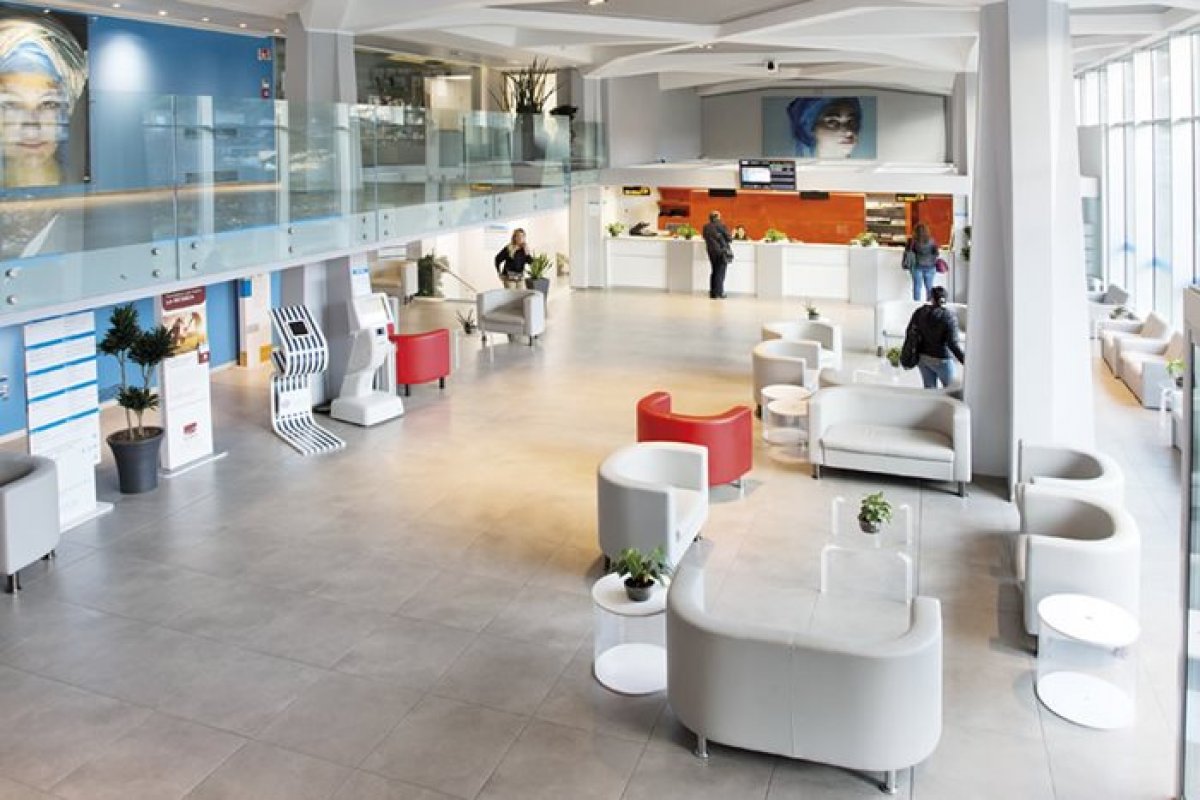


Clínica Ruesch
Cirugía ocular con láser en Italia: cronología día a día
Día 1: Llegada a Italia
- Al aterrizar en Italia, debe tener preparada toda la documentación necesaria. Esto incluye su informe médico, imágenes en formato DICOM, y una copia de su pasaporte. Estos documentos son fundamentales para la consulta y la evaluación iniciales.
- Regístrese en su alojamiento e instálese. Por comodidad, alójese en un hotel o alojamiento cercano a la clínica.
- Póngase en contacto con la clínica para confirmar su llegada y reconfirmar las citas programadas. Puede hacerlo por teléfono o correo electrónico.
- Descanse e hidrátese bien para prepararse para los próximos procedimientos médicos.
Día 2: Consulta y evaluación preoperatoria
- Asista a la consulta preoperatoria programada en la clínica. Debe estar preparado para comentar detalladamente con el especialista su historial médico y los tratamientos anteriores.
- Sométase a un examen oftalmológico completo. Puede incluir pruebas diagnósticas como topografía corneal, paquimetría y análisis de frente de onda para evaluar su idoneidad para la cirugía ocular con láser.
- Discutir el tipo específico de cirugía ocular con láser recomendado para usted, como LASIK, PRK o SMILE, en función de los resultados de su diagnóstico.
- Aclarar con su cirujano cualquier duda o pregunta sobre el procedimiento, la recuperación y los cuidados postoperatorios.
- Reciba instrucciones preoperatorias. Éstas pueden incluir evitar el uso de lentes de contacto durante cierto tiempo antes de la intervención.
Día 3: Día de la intervención
- Siga las instrucciones de ayuno o medicación que le facilite la clínica. Normalmente, se le pedirá que no lleve maquillaje, perfume ni loción el día de la intervención.
- Llegue a la clínica a la hora programada para la cirugía ocular con láser. Deberá ir acompañado, ya que no podrá conducir después de la intervención.
- La intervención se realizará con tecnología láser avanzada. Esto incluye el láser de femtosegundo para crear un colgajo corneal en LASIK o el láser excimer para remodelar la córnea.
- La intervención suele durar unos 30 minutos en ambos ojos. Estará despierto durante la intervención y se le aplicará anestesia local en los ojos.
- Tras la intervención, se le entregarán protectores oculares e instrucciones específicas para el postoperatorio.
Día 4: Seguimiento postoperatorio
- Acuda a una cita de seguimiento en la clínica para una revisión postoperatoria. El médico evaluará el proceso de cicatrización y se asegurará de que no haya complicaciones.
- Comente cualquier síntoma que experimente, como sequedad, irritación o visión borrosa. Estos síntomas son frecuentes en el periodo inicial de recuperación.
- Reciba más instrucciones sobre el uso de colirios. Esto puede incluir antibióticos y gotas antiinflamatorias para ayudar a la cicatrización y prevenir infecciones.
- Aclare cualquier restricción de estilo de vida, como evitar la natación, los ambientes polvorientos y las actividades extenuantes durante un periodo determinado.
Día 5-7: Periodo de recuperación
- Continúe siguiendo la pauta de colirios prescrita y las medidas de protección indicadas por su médico.
- Limite el tiempo de pantalla y la exposición a luces brillantes para reducir la tensión ocular durante los primeros días de recuperación.
- Acuda a las citas de seguimiento adicionales programadas para supervisar su evolución y resolver cualquier duda.
- Póngase en contacto con la clínica inmediatamente si experimenta dolor intenso, pérdida de visión o cualquier síntoma inusual.
- Comience a reanudar gradualmente sus actividades normales a medida que su visión se estabilice y mejore.
Día 8: Salida y cuidados de seguimiento
- Prepárese para salir de Italia. Asegúrese de que tiene todas las instrucciones de cuidados postoperatorios y la información de contacto de su oftalmólogo local.
- Programe una cita de seguimiento con su oftalmólogo local para seguir controlando su recuperación y la mejora de su visión.
- Realícese revisiones oculares periódicas para garantizar el éxito a largo plazo de su cirugía ocular con láser.
- Siga evitando actividades que puedan dañarle los ojos, como los deportes de contacto o la exposición a sustancias irritantes, hasta que su médico se lo autorice.
Obtenga una evaluación médica para Cirugía ocular con láser en Italia: Elija su especialista entre los mejores en el campo
Ver todos los médicos
Francesco Bandello
El trabajo pionero del Dr. Bandello en enfermedades de la retina le ha valido el reconocimiento internacional, incluyendo premios prestigiosos como la Medalla Gabriel Coscas.
- 42 años de experiencia en oftalmología
- Investigador principal en numerosos ensayos clínicos
- Ex presidente de EURETINA y actual presidente de la Academia Ophthalmologica Europea
- Editor en jefe del European Journal of Ophthalmology
Historias en video de pacientes de Bookimed
Reseñas
Todas las reseñasCompartir contenido
 Olena Sikoza
Preguntas frecuentes sobre Cirugía ocular con láser en Italia
¿Qué clasificaciones de cirugía ocular con láser están disponibles en Italia?
La cirugía ocular con láser en Italia se clasifica en técnicas de superficie, basadas en colgajo (flap) y basadas en lentículo. Los métodos principales incluyen PRK, LASEK, LASIK y las opciones más recientes de SMILE. Las personalizaciones de alta precisión, como el láser de femtosegundo (IntraLase) y el mapeo guiado por frente de onda, están ampliamente disponibles en hospitales de investigación acreditados por el IRCCS en Milán y Roma.
- PRK y LASEK: Técnicas de superficie adecuadas para córneas delgadas sin crear un colgajo.
- LASIK y Femto-LASIK: Utilizan cuchillas mecánicas o láseres de femtosegundo precisos para los colgajos corneales.
- ReLEx SMILE: Extracción mínimamente invasiva y sin cuchillas para una recuperación más rápida y una mayor comodidad del paciente.
- Diagnóstico avanzado: El mapeo guiado por frente de onda y topografía personaliza los pulsos láser para una claridad visual superior.
Perspectiva del experto de Bookimed: Las clínicas con sede en Milán, como San Raffaele, ofrecen una ventaja única al combinar la práctica clínica con el estatus de investigación del IRCCS. Esto garantiza que los pacientes accedan a protocolos a menudo desarrollados dentro de la misma instalación. Las clínicas italianas también mantienen altos estándares de seguridad del paciente, reflejados en el ranking de Newsweek de San Raffaele por su excel
¿Soy un candidato adecuado para la corrección visual con láser?
Los candidatos adecuados para la corrección visual con láser en Italia suelen tener entre 18 y 60 años y una graduación estable durante al menos 12 meses. Una salud ocular ideal requiere un grosor corneal suficiente, a menudo verificado mediante mapeo avanzado en hospitales de investigación acreditados por la JCI o IRCCS, como el San Raffaele en Milán.
- Requisito de estabilidad: La graduación debe mostrar poco o ningún cambio durante uno o dos años.
- Límites refractivos: Efectivo para miopía hasta -12, hipermetropía +6 y astigmatismo de 6 dioptrías.
- Salud corneal: Es obligatorio un grosor suficiente para procedimientos basados en colgajo como LASIK e IntraLase.
- Exclusión médica: Las enfermedades autoinmunes no controladas o el ojo seco severo a menudo descalifican a los candidatos potenciales.
Perspectiva del experto de Bookimed: Aunque el LASIK es la opción popular, los centros de investigación italianos como el San Raffaele a menudo orientan a los pacientes con alta actividad hacia ReLEx SMILE o PRK. Estas técnicas sin colgajo se priorizan para aquellos con córneas más delgadas o estilos de vida activos para minimizar los riesgos estructurales a largo plazo. Este enfoque conservador de los cirujanos italianos garantiza mayores márgenes de seguridad, incluso si significa recomendar un camino de recuperación más largo.
Cons
Cronograma de recuperación postoperatoria y estabilización visual
La recuperación postoperatoria de la cirugía ocular con láser en Italia permite a la mayoría de los pacientes volver a sus actividades diarias en un plazo de 24 a 48 horas. Aunque la visión funcional suele aclararse en 2 días, la cicatrización corneal completa y la estabilización visual suelen requerir de 3 a 6 meses para obtener resultados permanentes.
- Cicatrización inicial: La visión se aclara en 24 horas para LASIK, pero tarda de 3 a 5 días para PRK.
- Periodo de estabilización: La agudeza visual final suele establecerse entre 3 y 6 meses después de la cirugía.
- Hitos de actividad: La mayoría de los pacientes conducen después de 48 horas y reanudan el trabajo de oficina en 3 días.
- Cuidado a largo plazo: Evite nadar y los deportes de contacto durante al menos 4 a 6 semanas.
Perspectiva del experto de Bookimed: Los pacientes atendidos por especialistas como el Dr. Francesco Bandello en San Raffaele se benefician de protocolos dirigidos por académicos. Los datos muestran que los centros italianos especializados priorizan la salud a largo plazo de la película lagrimal. Los pacientes deben esperar que la sequedad ocular dure varios meses. Presupuestar lágrimas artificiales de alta calidad es esencial para una estabilización sin problemas.
Consenso de los pacientes: Muchos enfatizan seguir religiosamente los horarios d
¿Es dolorosa la cirugía?
La cirugía ocular con láser en Italia es generalmente indolora porque los cirujanos utilizan gotas anestésicas para adormecer la superficie ocular. Aunque puede sentir una ligera presión durante la aplicación del láser, la anestesia local asegura que no ocurra un dolor agudo durante procedimientos como LASIK, ReLEx SMILE o queratectomía fotorrefractiva.
- Método de anestesia: Los cirujanos aplican gotas anestésicas especializadas directamente sobre la superficie del ojo.
- Sensación durante el procedimiento: Los pacientes suelen informar sentir una presión leve en lugar de un dolor agudo.
- Recuperación inmediata: A menudo ocurre una sensación temporal de arenilla o sensibilidad a la luz a medida que desaparece el efecto de la anestesia.
- Manejo postoperatorio: Los médicos recetan gotas antiinflamatorias para minimizar las molestias durante la fase de curación.
Perspectiva del experto de Bookimed: Los centros italianos como San Raffaele utilizan investigaciones avanzadas acreditadas por el IRCCS para optimizar la comodidad del paciente. Elegir ReLEx SMILE en lugar del LASIK tradicional a menudo resulta en una recuperación más cómoda porque el procedimiento requiere una incisión más pequeña. Esta técnica específica preserva más nervios corneales, lo que reduce significativamente la sensación común de ojo seco postoperatorio.
Centros de renombre en Italia para cirugía refractiva láser
Italia alberga prestigiosos centros de cirugía ocular con láser en Milán y Roma, reconocidos por el Ministerio de Salud de Italia y Newsweek. Estas instalaciones ofrecen tecnología avanzada ReLEx SMILE y FemtoLASIK bajo la dirección de pioneros como el Dr. Lucio Buratto y el Dr. Marco Abbondanza.
- Hospital líder en Milán: El Ospedale San Raffaele realiza 52.000 operaciones anuales como líder en investigación acreditado por el IRCCS.
- Redes avanzadas: Blue Eye y GVM Care & Research brindan atención refractiva especializada en toda Italia.
- Experiencia en queratocono: Los Centros Abbondanza en Roma son mundialmente reconocidos por la cirugía refractiva y los tratamientos láser terapéuticos.
- Centros en el sur: La Clínica Ruesch y el Ospedale Santa Maria sirven como puntos de excelencia regional para LASIK.
Perspectiva del experto de Bookimed: Milán sirve como el principal corredor oftalmológico de Italia, donde los pacientes encuentran la mayor concentración de atención basada en la investigación. Por ejemplo, el Ospedale San Raffaele atiende a 300.000 pacientes al año y posee el estatus de IRCCS. Este entorno científico a menudo proporciona un acceso más temprano a protocolos láser de próxima generación en comparación con clínicas privadas más pequeñas.
Consenso de los pacientes: Los visitantes destacan con frecue