Cirugía de cataratas con reemplazo de LIO en Italia: las 4 mejores clínicas y sus precios


Revisado médicamente por
Fahad Mawlood
Cómo funciona
¿Cuál es el precio de Cirugía de cataratas con reemplazo de LIO en Italia? Descubra ahora
De $3,000. Los precios varían según el tipo de lente, la técnica quirúrgica y la ubicación de la clínica. En los EE. UU. Los costos estándar suelen incluir la consulta preoperatoria, la lente intraocular, el procedimiento quirúrgico y la atención de seguimiento.
- Lentes monofocales: de $3,000 para la corrección de la visión estándar.
- LIO premium: Suelen costar entre un 50 y un 100 % más que las opciones de lentes monofocales estándar.
- Cirugía asistida por láser: Por lo general, añade unos 700 $ al costo base de la cirugía tradicional.
- Ubicación geográfica: Los principales centros médicos incluyen Milán, Roma, Florencia y Turín.
Perspectiva del experto de Bookimed: Elegir un hospital de investigación de gran volumen como San Raffaele en Milán ofrece un valor excepcional. Realiza más de 52 000 operaciones al año y cuenta con la acreditación de los mejores hospitales del mundo de Newsweek. Si bien los precios en Roma en el Ospedale San Carlo di Nancy oscilan entre los 6 000 $ y los 11 500 $, los centros regionales como Santa Caterina da Siena ofrecen servicios premium a partir de aproximadamente 2 900 $. Las clínicas italianas de alto nivel a menudo ofrecen alojamiento con calidad de hotel incluido en sus tarifas quirúrgicas privadas.
| Italia | España | Turquía | |
|---|---|---|---|
| Cirugía de cataratas con reemplazo de LIO | de $3,000 | de $7,300 | de $1,300 |
Descubra las mejores clínicas de Cirugía de cataratas con reemplazo de LIO en Italia: 4 opciones verificadas y Precios









Descripción general de Cirugía de cataratas con reemplazo de LIO en Italia
- Cirugía de cataratas con reemplazo de LIO - de $3,000La operación restaura la visión quitando el cristalino nublado y reemplazándolo por uno artificial.
- Facoemulsificación con implantación de LIO - de $1,900El procedimiento trata las cataratas usando ultrasonido para disolver el cristalino, reemplazándolo por uno artificial.
- Implantación de LIO - de $1,900La operación consiste en insertar lentes artificiales para mejorar la visión, especialmente en la extracción de cataratas y la corrección refractiva.
Día 1 - Llegada
- Llegar al país donde se realizará la cirugía.
- Coordinar traslado del aeropuerto al hotel (no incluido).
- Check in en tu alojamiento (no incluido).
Día 2 - Preoperatorio
- Reúnase con el oftalmólogo para una consulta.
- Someterse a una prueba de autorrefractometría.
- Reciba ayuda con el idioma si es necesario.
Día 3 - Cirugía
- Llegada a la clínica para cirugía de cataratas con reemplazo de LIO.
- Recibir anestesia local para la cirugía.
- El proceso de la cirugía dura aproximadamente 2 horas.
Día 4 - Postoperatorio
- Permanezca en la clínica para observación y recuperación.
- Reciba instrucciones de cuidado postoperatorio.
Día 5 - Alta
- Obtener el alta de la clínica.
- Organiza tu traslado de regreso (no incluido).
Semana 1-2 - Rehabilitación
- Limite la actividad física y evite las actividades extenuantes.
- Siga la medicación prescrita y la rutina de cuidado de los ojos.
Semana 3-4 - Rehabilitación
- Continuar con la rutina de cuidado de los ojos.
- La mayoría de los pacientes pueden volver al trabajo.
Semana 5-6 - Resultado final
- Ver mejoras en la visión, resultados finales esperados.
- Reanude sus actividades normales, incluidos los deportes.
Nota: El proceso de recuperación de cada paciente puede variar según las condiciones de salud individuales.
- Depósito de Bookimed: 200 $ o 200 €.
- Depósito de la clínica: Pague un porcentaje fijo por adelantado.
Historias en video de pacientes de Bookimed
Reseñas
Todas las reseñasCompartir contenido
 Olena Sikoza
Datos сlave sobre Cirugía de cataratas con reemplazo de LIO
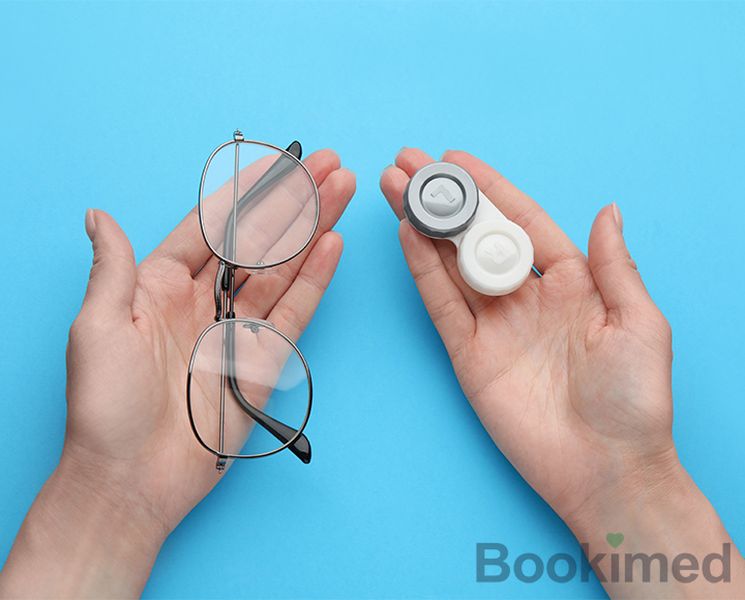
Cirugía de cataratas con sustitución de LIO
Este procedimiento consiste en extirpar el cristalino opaco del ojo y sustituirlo por una lente intraocular artificial para recuperar una visión nítida.
Preguntas frecuentes sobre Cirugía de cataratas con reemplazo de LIO en Italia
¿Es segura la cirugía de cataratas con reemplazo de LIO en Italia y cuáles son los principales riesgos?
La cirugía de cataratas con reemplazo de LIO en Italia es altamente segura, manteniendo tasas de éxito entre el 95% y el 98%. El país realiza 650.000 procedimientos anualmente en instalaciones acreditadas por la JCI y certificadas por el IRCCS. Los cirujanos utilizan láseres de femtosegundo avanzados y lentes premium de Alcon o Johnson & Johnson para garantizar resultados visuales óptimos.
- Experiencia clínica: Los cirujanos a menudo poseen la certificación del European Board of Ophthalmology para el intercambio especializado de lentes.
- Riesgos menores: La sequedad ocular temporal, la visión borrosa o los halos ocurren en menos del 10% de los casos.
- Catarata secundaria: La opacificación de la cápsula posterior afecta al 20% de los pacientes y requiere un tratamiento rápido con láser YAG.
- Complicaciones graves: Los riesgos poco frecuentes incluyen desprendimiento de retina o infección, que ocurren en menos del 1% de los pacientes.
Perspectiva del experto de Bookimed: Los hospitales de investigación italianos como San Raffaele realizan más de 52.000 operaciones al año, lo que refleja una enorme brecha de experiencia. El alto volumen de pacientes en las clínicas milanesas a menudo se correlaciona con tasas de complicaciones más bajas para los intercambios complejos de LIO. Elegir una instalación privada acreditada por el IRCCS generalme
¿Qué lentes están disponibles en Italia y cómo elijo la LIO correcta?
Italia ofrece una gama completa de lentes intraoculares, incluyendo diseños monofocales, multifocales, trifocales y de Profundidad de Foco Extendida (EDOF). La selección depende de sus hábitos de conducción, necesidades de lectura y astigmatismo preexistente. Los principales hospitales acreditados por IRCCS en Milán y Roma utilizan marcas globales importantes como Alcon y Zeiss.
- Lentes monofocales: Proporcionan una visión de lejos nítida, pero generalmente requieren gafas de lectura para tareas de cerca.
- Lentes multifocales y trifocales: Ofrecen múltiples puntos focales para reducir o eliminar la necesidad de gafas.
- Tecnología EDOF: Proporciona un rango continuo de visión, ideal para el trabajo con computadora y el tablero del automóvil.
- Opciones tóricas: Diseños especializados integrados en otros tipos de lentes para corregir un astigmatismo corneal significativo.
Perspectiva del experto de Bookimed: Los datos clínicos italianos sugieren una estratificación estratégica entre los entornos públicos y privados. Si bien las lentes monofocales estándar suelen ser la opción predeterminada bajo la cobertura nacional, las instalaciones privadas como San Raffaele se especializan en mejoras de LIO premium. Si elige lentes multifocales, asegúrese de que su cirujano realice un alto volumen de cirugías, ya que una alineación precisa es fundamental
¿Cómo se realiza la cirugía de cataratas paso a paso y sentiré dolor?
La cirugía de cataratas en Italia es un procedimiento ambulatorio indoloro de 10 a 20 minutos. Los cirujanos utilizan gotas oculares tópicas para adormecer el ojo, asegurando que solo sienta una leve presión. El cristalino opaco se elimina mediante ultrasonido y se reemplaza con una lente intraocular especializada a través de una incisión autosellante.
- Preparación y anestesia: Los médicos aplican gotas anestésicas tópicas para eliminar el dolor sin usar agujas.
- Técnica de microincisión: Se realiza una pequeña incisión de 2 a 3 mm en la córnea para acceder.
- Proceso de facoemulsificación: Las ondas de ultrasonido rompen la catarata en fragmentos para una eliminación suave por vacío.
- Implantación de la lente: Se inserta una lente intraocular plegable y se despliega cuidadosamente dentro del ojo.
- Cierre postoperatorio: La incisión se sella naturalmente sin puntos para acelerar el proceso de curación.
Perspectiva del experto de Bookimed: Los hospitales de investigación italianos como San Raffaele a menudo realizan estas cirugías en entornos de alto volumen, completando más de 52,000 operaciones al año. Esta profundidad clínica se traduce en tiempos de procedimiento más rápidos, a menudo de menos de 15 minutos. Los grandes centros en Milán y Roma brindan acceso a tecnología avanzada de lentes intraoculares antes que
¿Cuál es el tiempo de recuperación esperado después de la cirugía y cuándo puedo volar a casa?
Los pacientes generalmente pueden volar de 24 a 48 horas después de una cirugía de cataratas en Italia. La visión mejora dentro de la primera semana después de la facoemulsificación. La mayoría de las personas retoman sus actividades diarias para la segunda semana. Aunque la curación interna continúa durante un mes, viajar es seguro una vez que el cirujano confirma que no hay complicaciones iniciales.
- Momento del vuelo: La mayoría de los cirujanos autorizan a los pacientes a viajar en avión en un plazo de 1 a 2 días.
- Recuperación visual: La mejora significativa en la claridad visual suele ocurrir dentro de los primeros 7 días.
- Actividad diaria: La mayoría de los pacientes regresan a sus rutinas normales entre las semanas 2 y 4.
- Control postoperatorio: Los cirujanos recomiendan un examen de seguimiento antes de salir de Italia para asegurar el progreso.
Perspectiva del experto de Bookimed: Aunque la cirugía de incisión pequeña permite viajar rápidamente, los hospitales de investigación acreditados por el IRCCS en Milán y Roma a menudo sugieren una estancia de 7 días. Esto garantiza que pueda acceder al mismo especialista para su seguimiento principal. Esta continuidad en la atención es vital para monitorear la posición de la lente intraocular durante la primera semana.
Consenso de los pacientes: Los viajeros encue
¿Quién es o no es un buen candidato para una cirugía electiva de cataratas en Italia?
Los buenos candidatos para una cirugía electiva de cataratas en Italia presentan una pérdida de visión relacionada con la edad que afecta la conducción, el trabajo o la seguridad. Los pacientes ideales poseen una salud ocular estable y condiciones sistémicas controladas. Los centros de excelencia italianos suelen utilizar la facoemulsificación y la implantación de lentes intraoculares premium para restaurar la independencia visual y corregir errores refractivos.
- Salud ocular: Los pacientes necesitan condiciones estables de retina y córnea para un reemplazo de lente efectivo.
- Impacto en la visión: Se recomienda la cirugía cuando el deslumbramiento o la visión borrosa interrumpen significativamente las actividades diarias.
- Estabilidad sistémica: Las condiciones crónicas como la diabetes deben estar bien controladas antes de proceder con la cirugía.
- Criterios de exclusión: La degeneración macular avanzada o las infecciones activas generalmente descalifican a los candidatos de los procedimientos electivos.
Perspectiva del experto de Bookimed: Aunque el Servicio Nacional de Salud italiano a menudo tiene largos tiempos de espera, los hospitales de investigación acreditados por IRCCS como San Raffaele en Milán brindan experiencia de alto volumen, realizando más de 52,000 operaciones anuales. Elegir estas instalaciones privadas de primer nivel
¿Qué credenciales debo buscar al elegir una clínica o cirujano en Italia?
Verifique que su cirujano tenga un registro activo en el Colegio Provincial de Médicos (OMCeO) y una especialización reconocida en oftalmología. Elija clínicas con acreditación de la Joint Commission International o estatus IRCCS del Ministerio de Salud de Italia para garantizar la excelencia clínica y estándares de seguridad avanzados.
- Registro médico: Los cirujanos deben aparecer en la base de datos nacional FNOMCeO con licencias médicas activas.
- Título de especialización: Los médicos necesitan un diploma de especialización en oftalmología de 4 a 6 años reconocido por el Ministerio.
- Seguro de responsabilidad civil: La ley italiana exige un seguro de responsabilidad civil médica obligatorio para todos los cirujanos oculares en ejercicio.
- Acreditación de instalaciones: Busque el estatus IRCCS, que identifica a los principales hospitales de investigación y atención de Italia.
Perspectiva del experto de Bookimed: Los centros médicos italianos como San Raffaele poseen el estatus IRCCS, combinando la investigación con la atención clínica. Esta designación es más rara que la acreditación JCI. Indica que el centro maneja casos complejos y realiza más de 50,000 operaciones anuales. Elegir un hospital acreditado por IRCCS garantiza el acceso a equipos quirúrgicos más grandes y un mayor volumen clínico.
Consenso de los pacientes:<
¿Qué ciudades/regiones italianas son más convenientes para el turismo médico de cirugía de cataratas?
Milán y Roma son los centros italianos más convenientes para la cirugía de cataratas debido a su densa red de hospitales de investigación y clínicas privadas. Estas ciudades ofrecen tecnologías avanzadas de lentes intraoculares (LIO) y departamentos internacionales dedicados dentro de instalaciones como San Raffaele y Ospedale San Carlo di Nancy.
- Milán (Lombardía): Centro líder de hospitales de investigación, incluidos San Raffaele y San Donato.
- Roma (Lacio): Cuenta con clínicas como San Carlo di Nancy cerca de la infraestructura de transporte internacional.
- Turín (Piamonte): Ofrece atención médica boutique en instalaciones como Santa Caterina da Siena.
- Certificaciones: Las instalaciones a menudo cuentan con designaciones de "Newsweek World's Best Hospitals" o de investigación IRCCS.
Perspectiva del experto de Bookimed: Las clínicas de Milán como San Raffaele atienden a 300,000 pacientes al año y realizan más de 52,000 cirugías. Este alto volumen a menudo se traduce en equipos quirúrgicos con mayor experiencia en reemplazos de lentes complejos. Para obtener la mejor relación calidad-precio, busque clínicas en Roma que ofrezcan exámenes de diagnóstico reconocidos por los rankings internacionales de pacientes.
Consenso de los pacientes: Aunque el norte de Italia cuenta con centros avanzados, los pacientes sugieren