Cirugía Plástica del Dr. Alexandro Aguilera
México, Ciudad de México
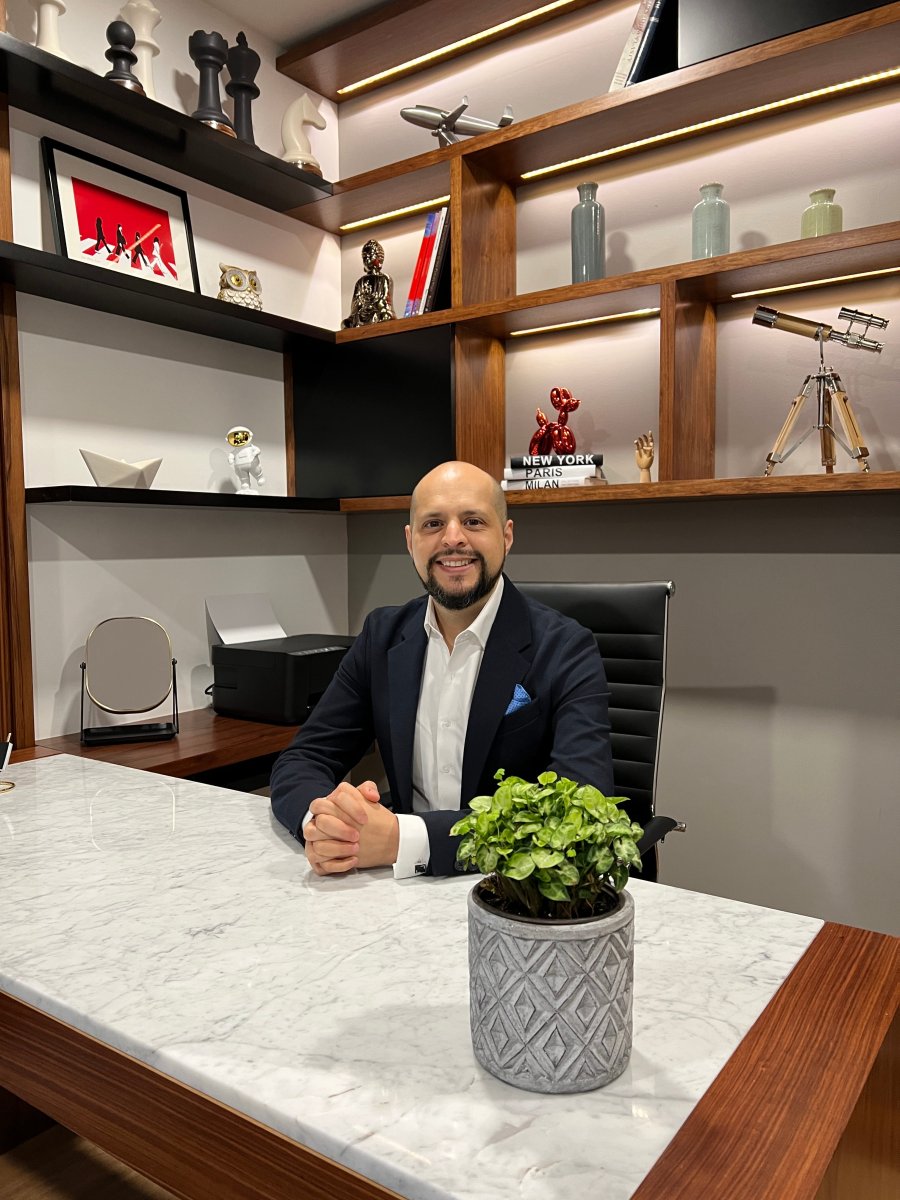
Alexandro Aguilera
18 años de experiencia • 3000+ tratamientos realizados
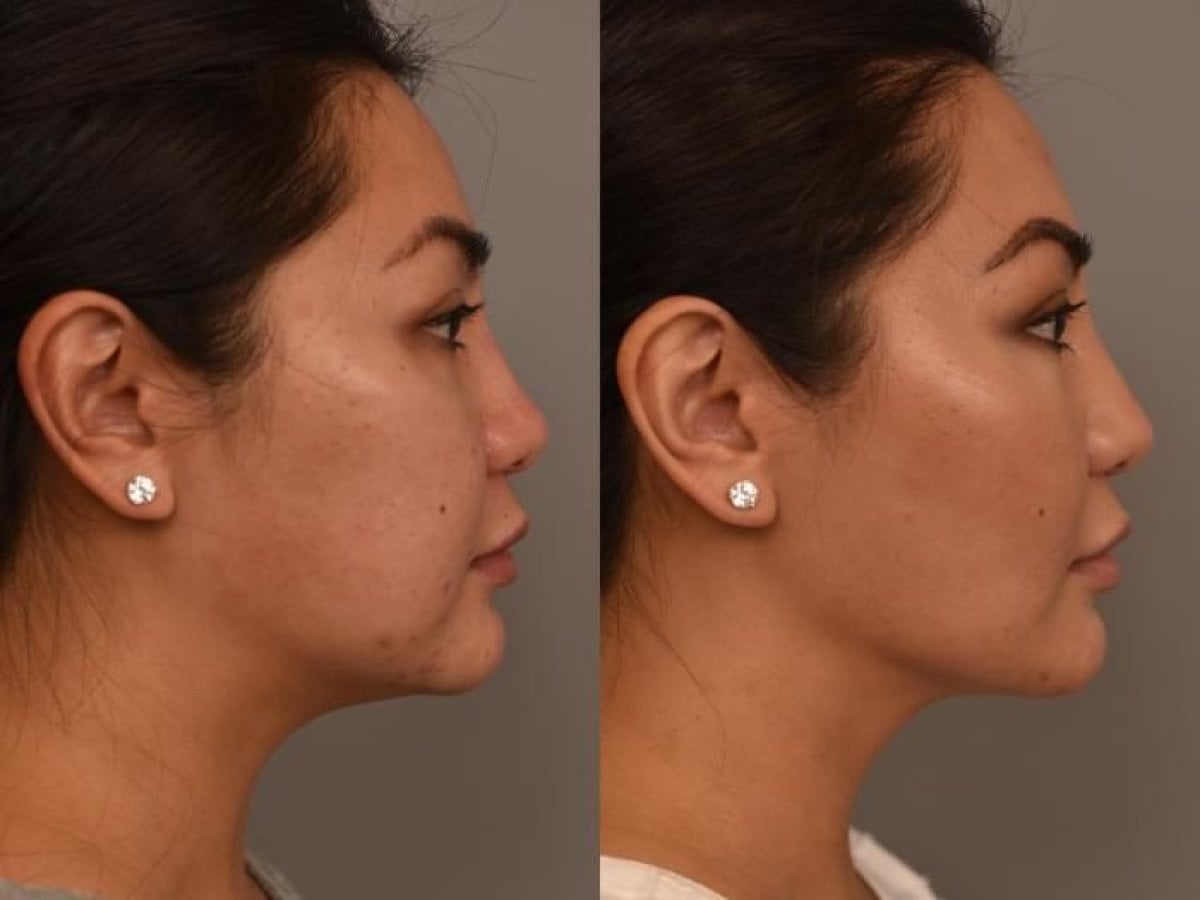
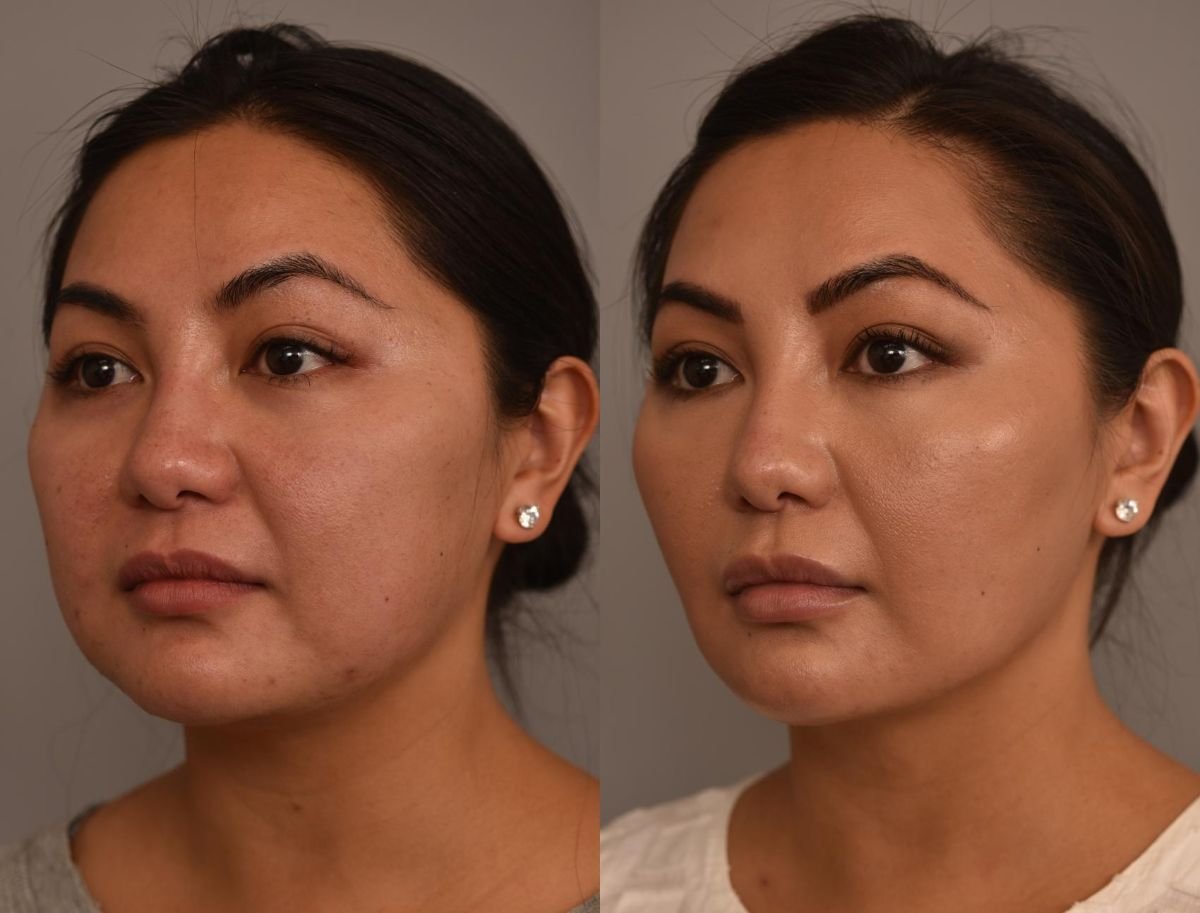
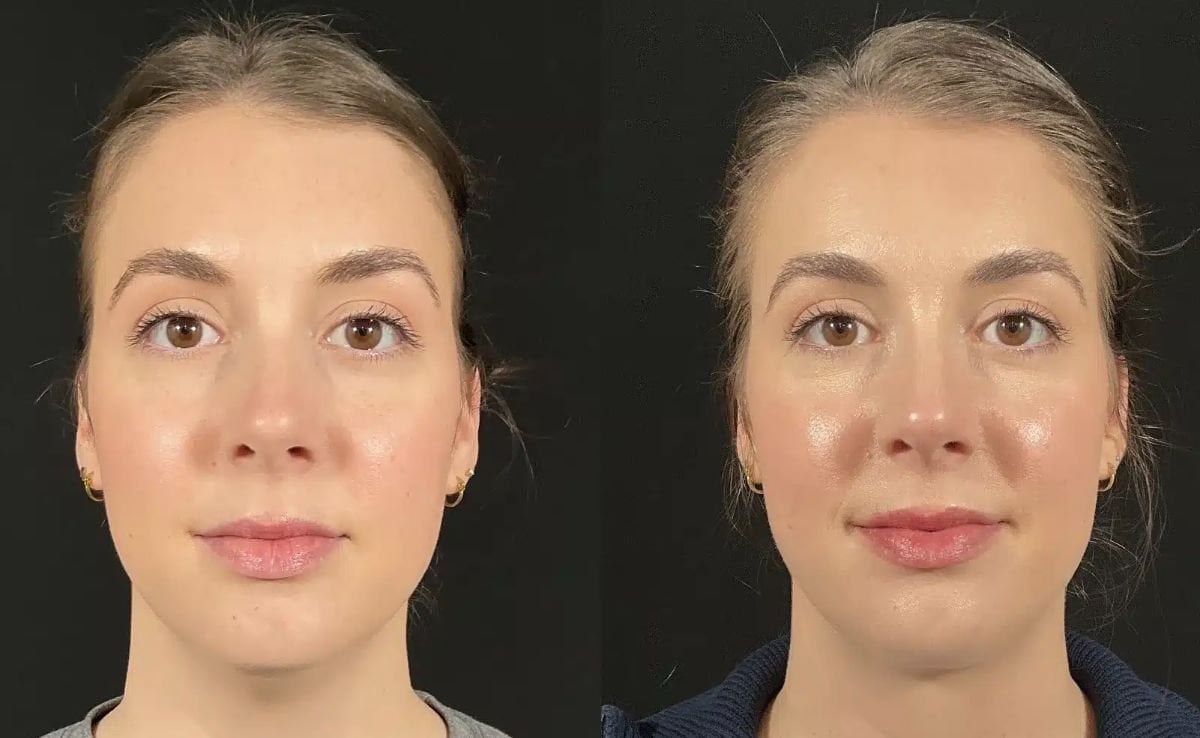
Portafolio del cirujano
Clínica certificada por : 





Revisado médicamente por
Fahad Mawlood
| España | Estados Unidos | México | |
|---|---|---|---|
| Implante de mentón | de $3,000 | de $3,500 | de $1,900 |






El doctor es un cirujano plástico galardonado que se especializa en procedimientos faciales y corporales. Certificado por el Consejo Mexicano de Cirugía Plástica, Estética y Reconstructiva, el doctor es reconocido como uno de los mejores cirujanos en la Ciudad de México, particularmente conocido por su experiencia en liposucción, rinoplastia y cirugías de levantamiento de glúteos brasileño (BBL).<\/p>
Actualmente practicando en el Centro Médico Salutaris, el doctor tiene un título
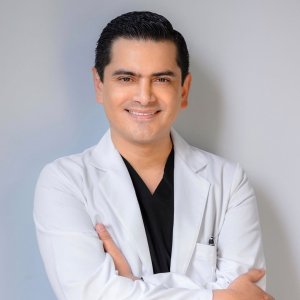
El Dr. Fer Cravioto es cirujano plástico, estético y reconstructivo con certificación del consejo, con sede en Interlomas, Ciudad de México. Se enfoca en cirugía plástica del tercio superior del rostro y cirugía mamaria. Entre sus principales procedimientos están la reducción de frente, elevación de cejas, lifting facial, rinoplastia y aumento mamario.
Utiliza el Método Premiere de Armonización Facial, que combina planificación individualizada y análisis facial 360°, buscando resultado
El Dr. Joaquín Ayala Del Muro es un cirujano plástico certificado en el Hospital de la Familia. Es conocido por sus procedimientos complejos de rejuvenecimiento facial y contorno corporal. El Dr. Ayala Del Muro completó una beca en Brasil bajo la tutela del fallecido Ivo Pitanguy. Mantiene un historial médico con cero demandas o muertes de pacientes.
El Dr. Alexandro Aguilera cuenta con una amplia formación en Cirugía Plástica y Reconstructiva en instituciones de prestigio.


 Olena Sikoza
La cirugía plástica y los implantes de mentón en México son seguros para los pacientes que eligen cirujanos certificados en hospitales acreditados. Los altos estándares de seguridad son mantenidos por cirujanos certificados por el Consejo Mexicano de Cirugía Plástica, Estética y Reconstructiva (CMCPER) y por instalaciones que cuentan con la acreditación del Consejo de Salubridad General (CSG) o de la JCI.
Perspectiva del experto de Bookimed: Aunque muchos buscan el precio más bajo, las opciones más seguras en México suelen provenir de grandes hospitales multiespecialidad como el Hospital de la Familia o centros especializados como el Hospital Innovare. Estas instalaciones ofrecen asistencia de enfermería las 24 horas y casas de recuperación dedicadas. Esta infraestructura reduce significativamente el riesgo de complicaciones postoperatorias
Los implantes de mentón son dispositivos médicos permanentes diseñados para durar toda la vida. A diferencia de los rellenos temporales, estos implantes biocompatibles de silicona o polietileno no se degradan ni requieren reemplazo rutinario. Aunque el dispositivo en sí es permanente, los pacientes pueden optar por retirarlo o ajustarlo mediante una sencilla revisión quirúrgica.
Perspectiva del experto de Bookimed: Aunque los implantes son permanentes, la estabilidad depende en gran medida de la técnica de fijación del cirujano. Los datos de clínicas de alto volumen como el Instituto José Cortés muestran que los cirujanos experimentados suelen priorizar diseños de bolsillo específicos para evitar desplazamientos. Seleccionar a un cirujano con más de 2.000 procedimientos, como el Dr. Alexandro Aguilera, reduce
La recuperación después de un implante de mentón en México suele durar de 7 a 10 días antes de que la mayoría de los pacientes regresen a trabajos no extenuantes. La hinchazón inicial alcanza su punto máximo dentro de las 72 horas, mientras que el entumecimiento y la rigidez facial desaparecen gradualmente a medida que los tejidos se adaptan a la nueva estructura del implante a lo largo de varios meses.
Perspectiva de expertos de Bookimed: Si bien muchos se centran en la cirugía, el entorno postoperatorio es clave en México. Clínicas como el Hospital Innovare ofrecen casas de recuperación dedicadas con enfermería las 24 horas. Esto es vital porque el implante puede sentirse artificial o pesado durante el primer mes antes de asentarse naturalmente.
Consenso de los pacientes: Los pacientes a menudo describen la recuperación temprana como una sensación incómo
Un procedimiento de implante de mentón es una cirugía de 30 a 60 minutos que coloca un dispositivo biocompatible sobre el hueso de la mandíbula para mejorar el equilibrio facial. Los cirujanos utilizan anestesia local con sedación o anestesia general para garantizar la comodidad mientras colocan implantes especializados de silicona o Medpor para redefinir la parte inferior del rostro.
Perspectiva del experto de Bookimed: Mientras que muchas clínicas de EE. UU. cobran $3,500 por un aumento de mentón, las instalaciones acreditadas por la JCI en México, como el Riviera Institute for Plastic Surgery, ofrecen el mismo procedimiento a partir de $1,900. Los datos muestran que las clínicas en Tijuana y Mexicali atienden principalmente a pacientes estadounidenses, a menudo incluyendo prendas de recuperación especializadas
Los pacientes en México combinan frecuentemente los implantes de mentón con otras cirugías faciales para lograr proporciones de perfil equilibradas. Los cirujanos en centros como Tijuana, Guadalajara y Ciudad de México suelen combinar estos procedimientos con rinoplastia, liposucción de cuello o estiramientos faciales para reducir el tiempo total de recuperación y los costos quirúrgicos.
Perspectiva del experto de Bookimed: Aunque muchos eligen Tijuana por su proximidad, las clínicas en Ciudad de México y Guadalajara a menudo ofrecen tasas de éxito más altas para combinaciones complejas. Por ejemplo, el Instituto José Cortés reporta un 95-99% de éxito en rinoplastia, lo que lo convierte en una opción ideal para el equilibrio del perfil. Estos centros metropolitanos a menudo cuentan con cirujanos con becas especializadas en cirugía plástica facial avanzada.
Consenso de los pacientes: Muchos p