Puente dental para muelas en México — encuentre las 3 mejores clínicas con costos


Revisado médicamente por
Fahad Mawlood
Cómo funciona
¿Cuál es el precio de Puente dental para muelas en México? Descubra ahora
De $1,800. Los precios dependen de la clínica, la experiencia del dentista, la cantidad de dientes faltantes y los materiales utilizados (porcelana fusionada con metal, totalmente cerámico o zirconia). En Estados Unidos, el costo promedio es $4,300 (según la ADA). Los puentes dentales en México suelen ser aproximadamente un 58% menos costosos que en EE. UU.
Las clínicas dentales mexicanas suelen incluir en el precio la consulta inicial, radiografías digitales, preparación del diente, puente temporal, fabricación personalizada, ajuste final y visitas de seguimiento. En EE. UU., el precio listado a menudo cubre solo el puente, con cargos separados por diagnóstico, anestesia y cuidados posteriores. Siempre confirmar exactamente qué incluye cada clínica en su paquete.
Beneficios clave
- Obtén un puente dental para molares en México con un ahorro de hasta el 60% en comparación con los costos en los EE. UU.
- Opciones disponibles: zirconia, porcelana fusionada con metal, puente Maryland.
- Revisión de fotos gratuita por un experto para determinar la mejor opción de puente dental para ti.
- Garantía disponible en ofertas seleccionadas.
- Accede a ofertas exclusivas de clínicas mexicanas de confianza de $1,800.
| España | Estados Unidos | México | |
|---|---|---|---|
| Puente dental para muelas | de $1,300 | ≈ $3,200 | de $1,800 |
Descubra las mejores clínicas de Puente dental para muelas en México: 8 opciones verificadas y Precios



Clínica dental SoftDentalCare
Mario Garibay


Holistic Bio Spa®


Descripción general de Puente dental para muelas en México
- Instalación de puentes dentales - de $500Esta terapia reemplaza los dientes perdidos, involucrando el anclaje de un diente artificial a los naturales adyacentes, mejorando la sonrisa y la capacidad de masticación.
- Instalación del puente de Maryland - de $500El procedimiento consiste en asegurar un diente postizo usando alas pegadas a los dientes adyacentes, mejorando la estética de la sonrisa.
- Puente dental para muelas - de $1,800Esta terapia reemplaza los dientes posteriores faltantes, utilizando coronas en los dientes adyacentes como soporte, mejorando la capacidad de masticación.
- Puente dental metálico - de $1,500Esta terapia reemplaza los dientes perdidos utilizando una estructura de metal fuerte, que ofrece robustez, durabilidad y un aspecto natural.
- Puente dental de porcelana - de $2,000La operación crea un diente artificial de aspecto natural para reemplazar los que faltan, utilizando un material duradero pero cosmético.
- Puente dental de zirconio - de $1,500Esta terapia reemplaza los dientes perdidos utilizando cerámicas fuertes del color de los dientes, lo que brinda un aspecto natural con una función de masticación mejorada.
- Puente dental voladizo (cantiléver) - de $1,500Esta terapia reemplaza los dientes perdidos usando dientes de anclaje y un diente protésico, brindando firmeza y un aspecto natural.
- Puente unido con resina - de $300Esta terapia reemplaza un diente perdido, utilizando un diente postizo conectado por resina a los dientes vecinos, dejándolos intactos.
Día 1
- Llegada a la clínica dental.
- Consulta con el especialista dental.
- Examen oral inicial.
- Toma de impresiones dentales si es necesario.
Dia 2
- Preparación de los dientes para el puente.
- Colocación de un puente temporal para protección.
Día 3
- Eliminación del puente temporal.
- Colocación y ajuste del puente permanente.
Semana 1
- Visita de seguimiento al dentista.
- Comprobación del ajuste y la comodidad del puente.
Semana 2
- Retorno paulatino a los hábitos alimentarios normales.
- Limpieza periódica del puente dental.
Semana 3
- Regreso al trabajo y actividades normales.
- Buenas prácticas continuas de higiene oral.
Semana 4
- El resultado final se puede ver y adaptar completamente.
Tenga en cuenta que esta es una guía general y que los casos individuales pueden variar. Consulta siempre a tu dentista para un asesoramiento personalizado.
- Depósito de Bookimed: 200 $ o 200 €.
- Depósito de la clínica: Pague un porcentaje fijo por adelantado.
Obtenga una evaluación médica de Puente dental para muelas en México: haga una consulta con 13 médicos experimentados ahora
Ver todos los médicos
Miller Vieira Paula
Más de 25,000 procedimientos dentales realizados – el Dr. Miller Vieira Paula combina arte y precisión en YeahSmile en Cancún.
- _doctor_7328_años_ de especialización en odontología funcional y estética
- Certificado en Diseño de Sonrisa Digital y cerámica dental avanzada
- Líder de opinión clave para materiales dentales Ivoclar Vivadent
- Miembro de la Academia Americana de Odontología Cosmética
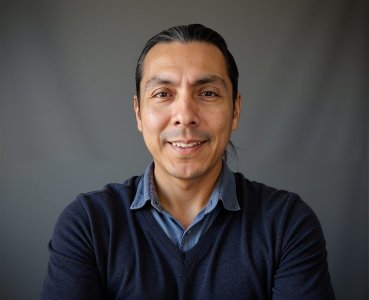
Mario Garibay
El Dr. Mario Garibay es un dentista especializado en implantes dentales y prótesis avanzadas, con más de 20 años de experiencia. Se graduó de la Universidad Veracruzana en 2000 y completó formación avanzada en implantología dental en la Universidad de Loma Linda en 2005.
Es reconocido por su habilidad en implantes, prótesis y coronas dentales. Pacientes y colegas elogian frecuentemente su trabajo. Su clínica destaca por el alto éxito en procedimientos de implantes. El Dr. Garibay se c

Dana Fabiola Pinto Moserrate
Especializada en implantes dentales avanzados y tratamientos periodontales, la Dra. Moserrate combina precisión y comodidad para el paciente en YeahSmile.
- 14 años de experiencia en periodoncia e implantología
- Diploma en Implantología Oral de un centro de formación profesional
- Experta en extracciones quirúrgicas y técnicas de regeneración ósea
- Habla español e inglés con fluidez

Fanny Martínez Lopez
La Dra. Fanny Martínez Lopez se especializa en puentes dentales mínimamente invasivos y altamente estéticos para molares, garantizando tanto funcionalidad como apariencia.
- Más de _doctor_9027_años_ de experiencia en rehabilitación dental
- Diploma en Prótesis y Estética Avanzada (IAOP)
- Utiliza radiografías digitales y escáneres 3D para diagnósticos precisos
- Investigación galardonada sobre procedimientos de biopsia para pacientes con compromiso sistémico
Historias en video de pacientes de Bookimed
Reseñas
Todas las reseñasPuente dental para muelas: Fotos de antes y después
Ver todos los Antes y Después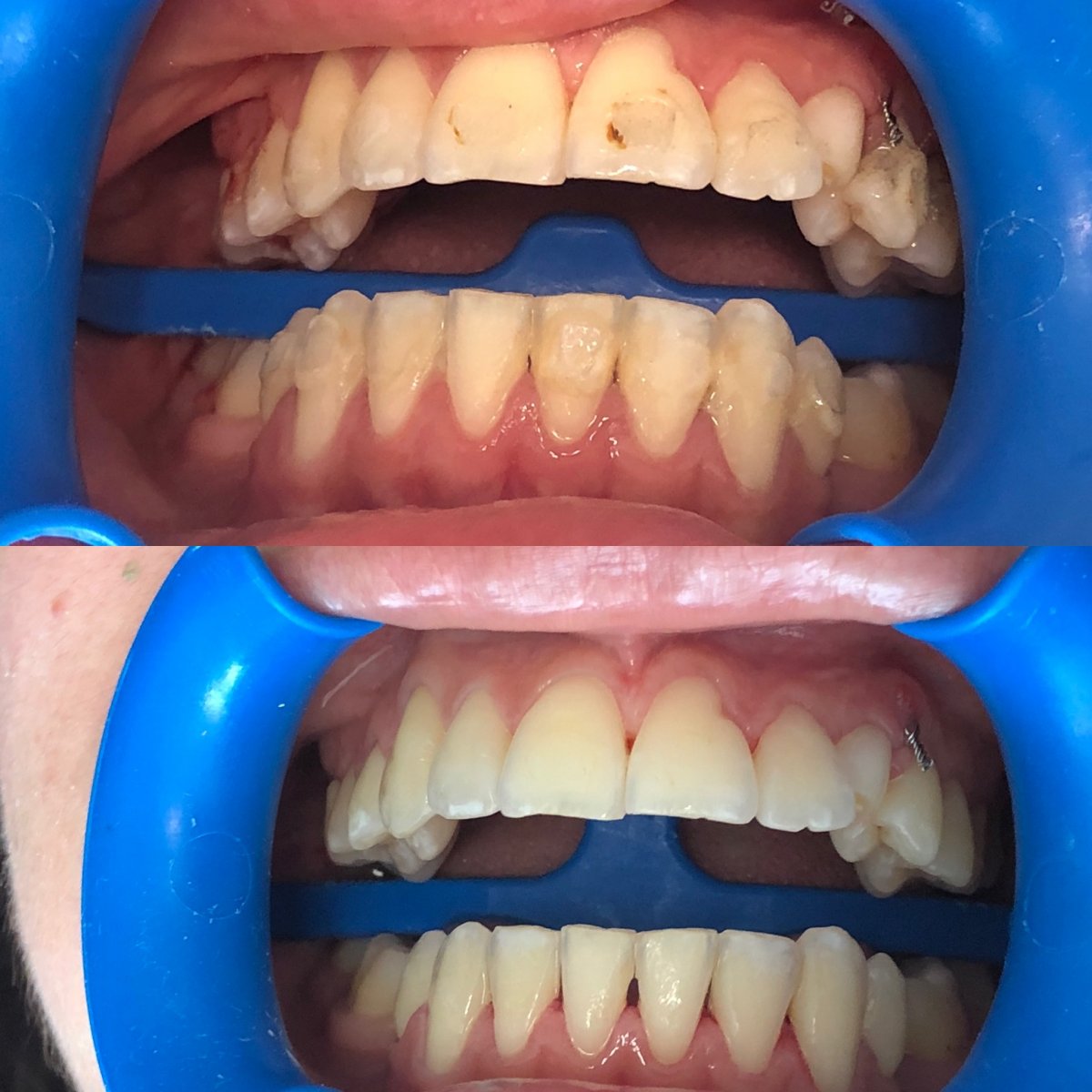
Compartir contenido
 Olena Sikoza
Datos сlave sobre Puente dental para muelas
Puente Dental para Molares
El trabajo de puente dental implica reemplazar molares faltantes con dientes artificiales soportados por dientes adyacentes.
Preguntas frecuentes sobre Puente dental para muelas en México
¿Es seguro para los pacientes internacionales cruzar la frontera para recibir atención dental?
Cruzar la frontera para recibir atención dental es seguro si elige clínicas certificadas por la Asociación Dental Mexicana (ADM) o la Asociación Dental Americana (ADA). Las instalaciones líderes en Tijuana, Los Algodones y Cancún utilizan materiales aprobados por la FDA como Straumann y Nobel Biocare, manteniendo al mismo tiempo rigurosos estándares de esterilización.
- Credenciales del proveedor: Verifique las licencias a través de la Secretaría de Educación Pública (SEP) de México antes de reservar.
- Calidad del material: Las mejores clínicas utilizan marcas internacionales rastreables como Ivoclar Vivadent y Zirkonzahn.
- Zonas seguras: Manténgase en distritos dedicados al turismo médico con alta seguridad y cruces monitoreados.
- Protección de garantía: Centros de renombre como Bokanova o YeahSmile ofrecen garantías de 5 años en los procedimientos.
- Accesibilidad lingüística: Muchos cirujanos certificados hablan inglés, español y, a menudo, otros idiomas europeos.
Perspectiva del experto de Bookimed: Busque clínicas con laboratorios internos como YeahSmile en Cancún. Las clínicas que fabrican sus propios componentes a menudo proporcionan mejores ajustes de mordida para puentes molares. Estas instalaciones especializadas manejan mayores volúmenes de pacientes, atendiendo generalmente de 400 a 600 pacientes internaci
¿Por qué se recomienda encarecidamente la zirconia para un puente molar?
La zirconia es el estándar de oro para los puentes molares porque proporciona la integridad estructural necesaria para soportar las intensas fuerzas de masticación posteriores. Su resistencia a la flexión, que a menudo supera los 1.000 MPa, evita las fracturas comunes en las cerámicas tradicionales, al tiempo que ofrece una biocompatibilidad que protege la salud de las encías.
- Durabilidad extrema: La alta resistencia a la flexión soporta hasta 1.300 MPa de presión de mordida recurrente.
- Resistencia a la fractura: El fresado monolítico a partir de bloques individuales evita el astillado de la superficie que se observa en la porcelana.
- Seguridad biológica: La composición libre de metal elimina las reacciones alérgicas y mantiene unos márgenes gingivales saludables y sin líneas oscuras.
- Defensa contra la placa: Las superficies ultra lisas repelen naturalmente las bacterias para ayudar a prevenir la caries secundaria.
Perspectiva del experto de Bookimed: Aunque la zirconia es un material de primera calidad, elegir clínicas como YeahSmile en Cancún permite acceder a marcas de alta gama como Prettau Zirconia. Muchas clínicas mexicanas utilizan laboratorios internos para fresar estos puentes, lo que reduce significativamente los tiempos de espera manteniendo los estándares de calidad suizos.
Consenso de los pacientes: L
¿Cuánto tiempo puede durar un puente dental de México?
Un puente dental de México suele durar de 5 a 15 años, cumpliendo con los mismos estándares globales de vida útil que las clínicas de Estados Unidos. La longevidad depende de la elección del material: los puentes de zirconio duran más de 15 años, mientras que las opciones de metal-cerámica (PFM) suelen ofrecer de 10 a 15 años de servicio.
- Durabilidad del material: El zirconio ofrece la mayor resistencia a la fractura, funcionando durante 15 a 20 años.
- Certificaciones clínicas: Las mejores clínicas cuentan con membresías de la Asociación Dental Mexicana (ADM) o la American Dental Association (ADA).
- Calidad de laboratorio: Centros de alto nivel como YeahSmile utilizan materiales suizos Ivoclar Vivadent y materiales 3M aprobados por la FDA.
- Protocolos de mantenimiento: El uso adecuado de irrigadores bucales y enhebradores diarios previene la caries debajo del póntico.
Perspectiva del experto de Bookimed: Aunque los precios más bajos a menudo sugieren compromisos, los mejores centros de México utilizan las mismas cadenas de suministro globales que los dentistas de EE. UU. Clínicas como YeahSmile en Cancún son socios oficiales de Ivoclar Vivadent y Straumann. Elegir un centro con laboratorio propio es la forma más efectiva de garantizar un ajuste preciso, lo que evita directamente la filtración bacteriana que causa el fallo prematuro del pue
¿Los dentistas en México hablan inglés con fluidez?
Los dentistas en México suelen hablar inglés con fluidez, especialmente en centros de turismo médico como Tijuana, Los Algodones y Cancún. La mayoría de las clínicas que atienden a pacientes internacionales emplean especialistas y coordinadores bilingües. Esto garantiza una comunicación clara sobre procedimientos complejos, como puentes dentales para molares o restauraciones soportadas por implantes.
- Centros regionales: Casi todas las clínicas en Los Algodones y Tijuana ofrecen asistencia completa en inglés.
- Formación especializada: Muchos dentistas destacados completan residencias de posgrado avanzadas en EE. UU. o Europa.
- Coordinadores de pacientes: Los consultorios grandes asignan personal dedicado de habla inglesa para gestionar la programación, la facturación y las consultas.
- Asociaciones dentales: Los centros verificados a menudo cuentan con membresías de la American Dental Association (ADA) o la Asociación Dental Mexicana.
Perspectiva del experto de Bookimed: La fluidez lingüística en México se correlaciona fuertemente con el volumen clínico de pacientes norteamericanos. Por ejemplo, el Dr. Miller Vieira Paula en YeahSmile en Cancún ha realizado más de 25,000 procedimientos y es miembro de la American Dental Association. Las clínicas con un número tan alto de pacientes internacionales priorizan el multilingüismo como un estándar
¿Qué pasa si mis dientes adyacentes faltan o no son lo suficientemente fuertes para anclar un puente?
¿Cuántos días necesito quedarme en México para completar el procedimiento?
Completar un puente dental para molares en México generalmente requiere de 5 a 10 días en el lugar. Este plazo permite la preparación de los dientes, las impresiones digitales y el fresado de precisión. Los pacientes suelen asistir a 2 citas distintas mientras la prótesis final se fabrica en un laboratorio dental especializado.
- Programación de visitas: Planifique 2 citas separadas por 3 a 7 días para la fabricación en laboratorio.
- Preparación clínica: Las visitas iniciales incluyen el remodelado de molares, impresiones y la colocación de un puente temporal cómodo.
- Colocación final: La segunda sesión implica la cementación del puente permanente y un ajuste meticuloso de la fuerza de mordida.
- Días de margen: Incluya de 1 a 2 días adicionales para controles de sensibilidad o ajustes menores de laboratorio.
Perspectiva del experto de Bookimed: Clínicas como YeahSmile en Cancún utilizan laboratorios en el sitio y tecnología Ivoclar Vivadent para reducir los tiempos de entrega. Elegir un centro con laboratorio interno a menudo puede acortar su estancia necesaria de 2 a 3 días. Este equipo especializado permite ajustes más rápidos si el puente molar requiere modificaciones o ajustes de mordida.
Consenso de los pacientes: Los viajeros sugieren llegar a principios de semana para evitar los cierres de laboratorio durante e